
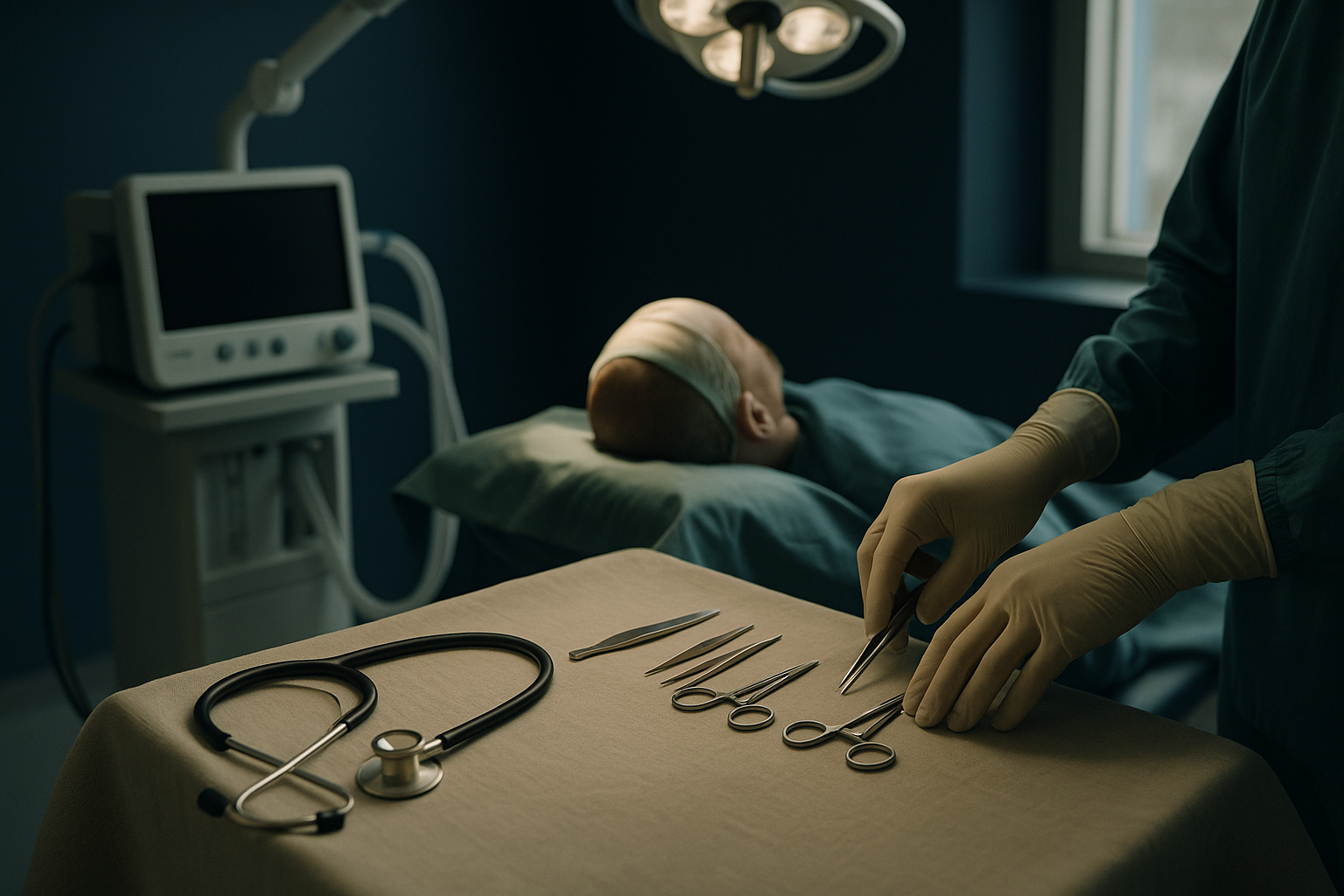
Hair transplants are a surgical solution for individuals experiencing hair loss, offering a variety of techniques to restore hair growth effectively. This comprehensive guide will help international patients understand the different options, costs, and considerations involved in hair transplant procedures.
What Are Hair Transplants?
Hair transplants involve moving hair follicles from a donor site, typically the back of the head, to a balding or thinning area. This procedure is commonly used to treat male pattern baldness but can be performed on anyone experiencing hair loss. The goal of hair transplants is to provide a natural look by strategically placing hairs in thinning areas, mimicking natural hair growth patterns. This is particularly important for achieving a seamless blend with existing hair, ensuring that the results are aesthetically pleasing and undetectable.
There are two primary methods of hair transplant surgery: Follicular Unit Extraction (FUE) and Follicular Unit Transplantation (FUT). Each method has unique procedures and recovery times, which potential patients should consider when evaluating their options. The choice between FUE and FUT often depends on the individual’s hair type, the size of the balding area, and personal preferences regarding recovery and scarring. FUT, for instance, involves removing a strip of skin from the donor area, which may result in a linear scar, whereas FUE involves removing individual follicles, leaving tiny dot-like scars.
Moreover, patients should consider the expertise of the surgeon, as the skill level and experience can significantly influence the outcomes of the surgery. A skilled surgeon can make a considerable difference in the success of the transplant, affecting both the density of hair growth and the natural appearance of the hairline. Thus, selecting a qualified practitioner is a crucial step in the hair transplant process. Researching the surgeon’s past work and patient testimonials can provide valuable insights into their capabilities and track record in delivering satisfactory results.
How Does FUE Hair Transplant Work?
The Follicular Unit Extraction (FUE) method involves extracting individual hair follicles from a donor site and implanting them into the recipient site. This technique is popular due to its minimally invasive nature and reduced scarring compared to other methods. It is particularly suitable for patients who prefer short hairstyles as it leaves minimal visible scars. The FUE process begins with the surgeon shaving the donor area to better access and extract healthy hair follicles. Once extracted, these follicles are carefully implanted into the balding areas, ensuring the direction and angle closely mimic natural hair growth.
Surgeons may use manual FUE techniques or automated systems like NeoGraft to perform this procedure. Automated systems can enhance the precision and speed of follicle extraction, which can be beneficial for both the patient and the surgeon. However, the choice between manual and automated methods may depend on the surgeon’s expertise and patient preference. Some patients may feel more comfortable with the meticulous control of manual extraction, while others may prefer the efficiency of automated systems.
Patients should discuss these options with their surgeon to ensure the best outcome. Factors such as the size of the transplant area, the patient’s hair characteristics, and personal preferences regarding recovery and appearance should all be considered when deciding on the appropriate method. Additionally, understanding the surgeon’s experience with each technique can help patients make an informed decision that aligns with their expectations and desired results. It’s crucial to thoroughly evaluate all aspects to ensure the chosen method meets the patient’s lifestyle and aesthetic goals.
What Are the Costs Involved in Hair Transplant Surgery?
The cost of hair transplant surgery varies depending on several factors, including the technique used, the extent of hair loss, and the geographical location of the clinic. On average, FUE hair transplant costs can range from £3,000 to £15,000. These costs can fluctuate based on the number of grafts required, with prices often quoted per graft. For example, a clinic might charge between £2 and £5 per graft, and a typical procedure might involve 1,000 to 3,000 grafts, depending on the extent of hair loss and desired density.
Additional costs may include pre-operative consultations, post-operative care, and any necessary medications. Patients should request a detailed breakdown of hair transplant expenses from their chosen clinic to avoid unexpected costs. Some clinics offer package deals that include follow-up appointments and post-surgery treatments, which can be a cost-effective option for some patients. It’s crucial for patients to understand what is included in the initial quote to ensure there are no surprise expenses later on.
Furthermore, potential patients should consider financing options if upfront costs are a concern. Many clinics offer payment plans or have partnerships with medical financing companies, allowing patients to spread the cost over several months or years. This can make the financial aspect of hair transplants more manageable and accessible to a broader range of patients. It’s also worth researching if insurance might cover any part of the procedure, although this is rare as cosmetic surgeries are typically not covered.
Is Hair Transplant Surgery Safe?
Hair transplant surgery is generally considered safe when performed by experienced surgeons in accredited facilities. However, like any surgical procedure, it carries inherent risks such as infection, scarring, and the potential for unsatisfactory results. To minimise these risks, patients should choose certified clinics with a proven track record. The experience and skill of the surgeon play a significant role in the safety and success of the procedure. Hence, researching the surgeon’s credentials and past patient testimonials can provide insight into their capability.
Accreditation from reputable organisations ensures that a clinic adheres to the highest standards of patient care and safety. Patients should verify the credentials of their chosen facility and surgeon before proceeding with the operation. Checking for certifications such as those from the International Society of Hair Restoration Surgery (ISHRS) can help in identifying qualified professionals. Additionally, a personal consultation with the surgeon can help assess their approach and comfort level with the procedure.
Potential patients should also be aware of the recovery process and potential complications. Common issues like mild swelling and discomfort are usually temporary and resolve with proper care. To further enhance safety, patients should adhere strictly to post-operative care instructions provided by their surgeons. This includes managing the transplanted area with care, avoiding direct sunlight, and refraining from strenuous activities that might affect the healing process. Regular follow-up appointments are also crucial to monitor progress and address any concerns promptly.
How to Prepare for a Hair Transplant?
Preparation for a hair transplant involves several steps, including selecting a qualified surgeon, undergoing necessary medical evaluations, and following pre-operative guidelines. Patients should consult with their surgeon about specific preparations tailored to their individual health profiles. A detailed medical history and examination will help the surgeon identify any potential risks and tailor the procedure to the patient’s needs. Conditions such as hypertension or diabetes need to be managed effectively before undergoing surgery.
A thorough pre-operative discussion will outline the procedure’s expectations, recovery timeline, and potential outcomes. Understanding these aspects helps patients set realistic expectations and ensures a smoother recovery process. During this consultation, it’s also important for patients to discuss their goals and desired outcomes with their surgeon to ensure alignment and satisfaction with the results. Clear communication between the patient and the surgeon is key to achieving the desired aesthetic outcome.
Additionally, patients are typically advised to stop smoking and avoid certain medications like blood thinners in the weeks leading up to the surgery, as these can interfere with the healing process. Nutritional considerations, including maintaining a balanced diet and possibly taking specific supplements, can also enhance recovery and promote healthy hair growth. Following these guidelines diligently can help minimize complications and improve the overall success of the hair transplant procedure.
What to Expect During Recovery?
Recovery from hair transplant surgery varies based on the technique used and the individual’s healing process. Generally, patients can expect some swelling, redness, and discomfort in the treated areas, which typically subside within a week. The transplanted hair will initially fall out, a normal part of the process known as “shock loss,” before new hair growth begins in a few months. This can be an anxious time for patients, but knowing what to expect can help manage concerns.
Most patients return to work within a few days, but it’s crucial to follow post-operative care instructions to ensure optimal healing and hair growth. These instructions usually include gentle washing of the hair, avoiding direct sunlight, and refraining from strenuous activities that might impact the healing grafts. Proper care of the scalp is essential to prevent infection and ensure that the newly transplanted follicles take root effectively.
Regular check-ups with the surgeon help monitor progress and address any concerns promptly. Patients should report any unusual symptoms such as excessive bleeding or persistent pain to their surgeon immediately. Long-term results will become more noticeable after 6 to 12 months, as new hair grows in and thickens. Staying in contact with the surgeon during this period can provide reassurance and support, ensuring that any issues are dealt with swiftly and effectively.
Conclusion: Making an Informed Decision
Choosing to undergo a hair transplant is a significant decision requiring careful consideration of various factors. By understanding the different techniques, costs, and recovery processes involved, patients can make informed choices that align with their personal and financial circumstances. The decision should not be rushed, and potential patients are encouraged to take the time necessary to research and consult with multiple clinics to find the best fit.
Consulting with experienced surgeons and accredited facilities ensures the best possible outcome, helping patients achieve their desired results with confidence. It’s also helpful to connect with former patients to hear about their experiences and gather additional insights. This real-world feedback can be invaluable in setting realistic expectations and understanding the potential impact on one’s life.
Ultimately, a successful hair transplant can significantly improve self-esteem and quality of life, making the investment worthwhile. By approaching the decision with thorough research and realistic expectations, patients can embark on this journey with confidence, knowing they have made the best choice for their unique situation.
Proven result
20 to 200 hair-transplant patients a month from Australia
Aesthetic surgery group
Frequently asked questions
Do most hair transplant surgeons use manual FUE or NeoGraft?
Most hair transplant surgeons use either manual FUE or NeoGraft based on their expertise and patient needs. Both methods offer precise follicle extraction.
What is a FUE hair transplant?
A FUE hair transplant involves extracting individual hair follicles from a donor site and transplanting them to a recipient site, offering a minimally invasive solution to hair loss.
How much does a FUE hair transplant cost?
The cost of a FUE hair transplant typically ranges from £3,000 to £15,000, depending on factors like clinic location and extent of hair loss.
Is hair transplant surgery safe?
When performed by skilled surgeons in accredited facilities, hair transplant surgery is generally safe, though it carries typical surgical risks.
Related guides

Recent Innovations Shaping Healthcare Marketing News
Quick answerHealthcare marketing news reveals recent innovations including the adaptation to zero click searches, leveraging AI, and strategic…

4 Innovative Strategies to Revolutionise Healthcare Marketing
Quick answerHealthcare marketing strategies are essential for attracting international patients by enhancing digital presence, improving patient engagement, and…

Understanding Hair Implant Pricing: A Patient-Centric Approach
Quick answerHair implant prices vary globally, influenced by the technique, location, and surgeon's expertise, typically ranging from $3,000…