
Hair loss can significantly impact self-esteem and appearance. A hairline transplant offers a viable solution, restoring a natural-looking hairline. This comprehensive guide covers essential information for those considering this procedure, from practical steps and realistic costs to timelines and safety guidance.
What is a Hairline Transplant?
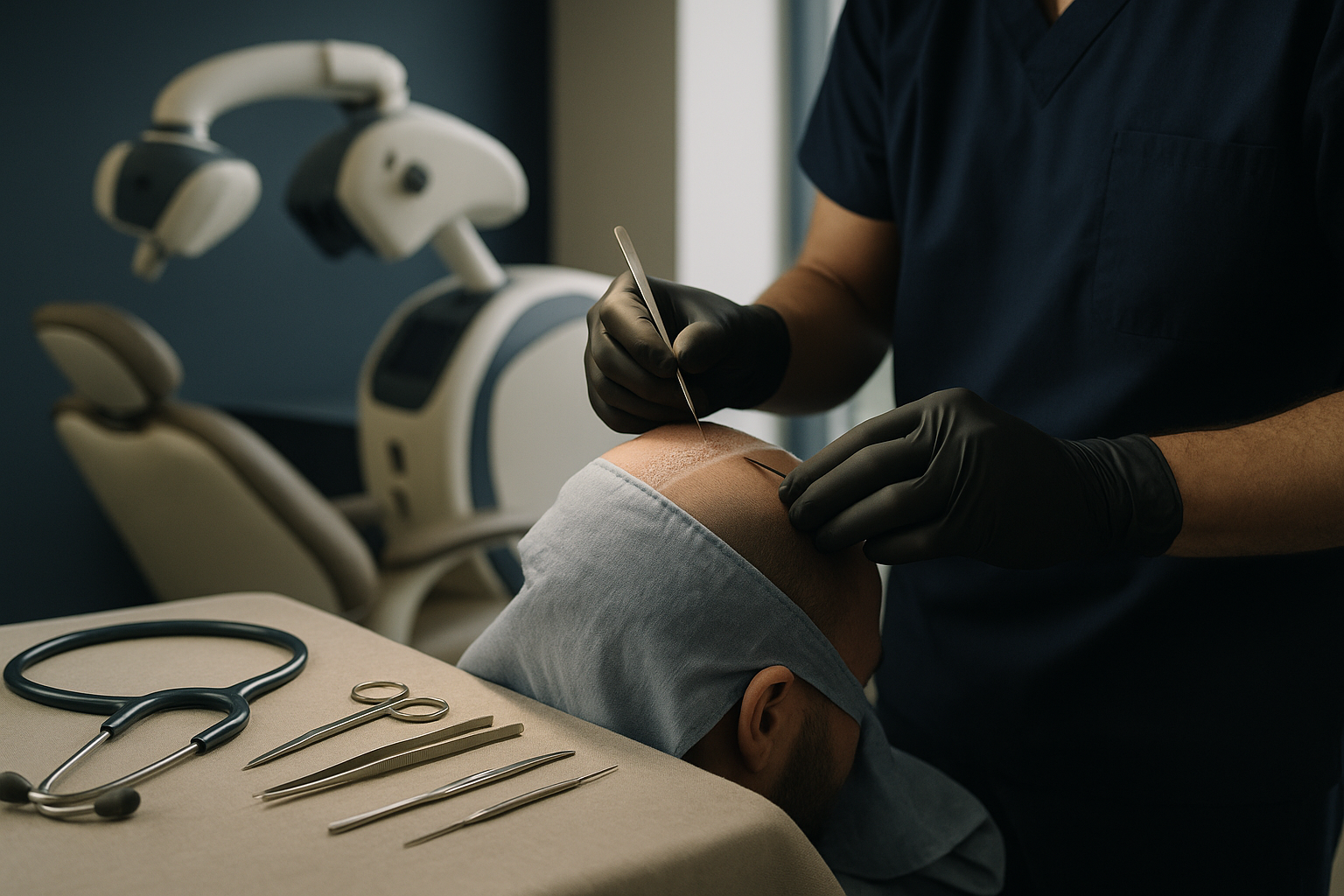
A hairline transplant is a surgical procedure designed to restore hair to areas where hair has receded or thinned. It involves transplanting hair follicles from a donor site, typically the back or sides of the head, to the thinning or bald areas at the hairline. The procedure is commonly performed using either Follicular Unit Extraction (FUE) or Follicular Unit Transplantation (FUT). FUE involves extracting individual hair follicles, while FUT involves removing a strip of skin containing hair follicles for transplantation.
The choice between FUE and FUT depends on several factors, including the extent of hair loss, donor hair availability, and patient preference. FUE is often preferred for patients who desire a less invasive procedure with no linear scars, while FUT might be suitable for those requiring a larger number of grafts. Both techniques have their advantages and are performed by skilled surgeons to achieve optimal results. The decision should be made after a detailed consultation with a qualified hair transplant surgeon, who can recommend the best approach based on the specific circumstances and goals of the patient.
Furthermore, the success of a hairline transplant depends heavily on the surgeon’s expertise in designing a natural hairline that complements the patient’s facial features. Surgeons use various instruments, such as microscopes and precision tools, to ensure the transplanted follicles match the natural hair growth pattern and density. This attention to detail helps create a seamless blend with existing hair, enhancing the overall aesthetic outcome. The ultimate goal is not just to restore hair but to achieve a look that appears as if hair loss never occurred.
How Does the Procedure Work?
The hairline transplant procedure starts with a comprehensive initial consultation where the surgeon evaluates the patient’s hair loss pattern, assesses the health and density of donor hair, and discusses the patient’s aesthetic goals and expectations. The consultation is crucial for creating a personalized treatment plan that aligns with the patient’s needs. Once the plan is established, the procedure itself typically takes several hours and is performed under local anesthesia to minimize discomfort.
During the procedure, the surgeon meticulously extracts hair follicles from the donor area. In FUE, individual follicles are harvested, allowing for a more precise placement in the hairline. In FUT, a strip of skin is removed, and the follicles are then dissected under a microscope. Both methods require precision to ensure that the angle, direction, and density of the transplanted hair mimic the natural hair growth. This meticulous approach is essential for achieving a natural-looking result.
Post-extraction, the surgeon creates tiny incisions in the recipient area and carefully implants the follicles. The number of grafts required can vary significantly, typically ranging from 500 to 2,500, depending on the extent of hair loss and desired density. The entire process demands a high level of skill and artistry to ensure that the transplanted hairline looks natural and aesthetically pleasing. The operation’s duration can vary, but patients should expect to spend the better part of a day at the clinic. The technical skills of the surgeon and their team play a crucial role in the success of the procedure.
What are the Costs of a Hairline Transplant?
The cost of a hairline transplant can vary significantly based on several factors, including the extent of the transplant, the technique used, and the clinic’s geographical location. On average, prices can range from £3,000 to £10,000. Factors influencing cost include the number of grafts needed, with larger areas requiring more grafts and thus incurring higher costs. The surgeon’s experience and reputation also play a critical role in pricing, as highly regarded professionals may charge a premium for their expertise.
Moreover, the clinic’s location can influence the overall cost, with procedures in major metropolitan areas generally being more expensive than those in smaller towns. Patients should also consider additional expenses, such as travel, accommodation, and post-operative care products. Some clinics offer financing options or package deals for international patients, which may include accommodation and transportation, making it more accessible to a broader range of patients.
It is advisable to thoroughly research and compare different clinics and offerings before making a decision. While cost is an important factor, the quality of care and the surgeon’s expertise should not be compromised. Prospective patients should seek consultations with multiple clinics to obtain a comprehensive understanding of their options and ensure they are receiving the best possible care within their budget. Ultimately, investing in a reputable clinic can lead to more satisfactory and lasting results.
What is the Recovery Timeline?
Recovery from a hairline transplant varies from person to person but typically involves a few initial days of downtime. In the first few days post-operation, patients may experience mild discomfort, swelling, and redness in the treated area. These symptoms are normal and usually subside within a week. Most patients can return to work within a week, although some choose to take additional time off to ensure complete healing.
During the recovery period, it is essential for patients to follow the surgeon’s post-operative care instructions carefully. These may include avoiding strenuous activity, refraining from washing the hair for a few days, and sleeping with the head elevated to reduce swelling. Patients are also advised to protect the scalp from sun exposure and to use prescribed medications, such as antibiotics and anti-inflammatory drugs, to aid healing and prevent infection.
Hair growth from the transplanted follicles usually begins around three months post-surgery, with full results visible after 12 to 18 months. Patients may notice initial shedding of the transplanted hair, known as shock loss, within the first few weeks. This is a normal part of the process, as the follicles enter a resting phase before new hair growth begins. Patience is crucial during this period, as the final results become more evident over time, leading to a fuller and more natural-looking hairline. Regular follow-up visits with the surgeon can help monitor progress and address any concerns.
Is the Procedure Safe?
Hairline transplants are generally safe when performed by qualified and experienced surgeons. However, as with any surgical procedure, there are potential risks, including infection, scarring, and uneven hair growth. Choosing a reputable clinic with accredited professionals can significantly mitigate these risks. Surgeons typically provide patients with detailed pre-operative and post-operative care instructions to minimize complications and enhance recovery.
During the consultation phase, patients should discuss all potential risks and benefits with their surgeon. This dialogue allows patients to make informed decisions and set realistic expectations. Reputable clinics will also provide access to before-and-after photos of previous patients, showcasing the surgeon’s expertise and the quality of their work. This visual evidence can be reassuring for patients and help them understand what to expect in terms of results.
While complications are rare, it is essential for patients to choose a clinic that offers comprehensive aftercare support. This includes access to medical professionals who can address any concerns or complications that may arise during the recovery process. By selecting a clinic with a strong track record of safety and patient satisfaction, individuals can increase the likelihood of a successful outcome and a positive surgical experience. Patient education and adherence to care instructions are pivotal to ensuring safety and optimal results.
How to Choose the Right Clinic?
When selecting a clinic for a hairline transplant, consider factors such as the surgeon’s credentials, patient reviews, and the clinic’s accreditation. Reputable clinics often have international accreditations and adhere to stringent safety standards. These certifications can provide assurance of the clinic’s commitment to maintaining high-quality care and safety protocols. The surgeon’s experience and success rate in performing hairline transplants are critical indicators of their expertise.
Prospective patients should schedule consultations with multiple clinics to compare their approaches, costs, and services. During these consultations, it is important to ask questions about the surgeon’s experience, the number of successful procedures they have performed, and their philosophy on achieving natural-looking results. Clinics that are transparent about their processes and outcomes tend to offer a more trustworthy service.
Asking for referrals from friends or family members who have undergone a hairline transplant can also provide valuable insights into a clinic’s reputation and patient satisfaction. Additionally, reading testimonials and reviews from past patients can help gauge the overall quality of the clinic and the satisfaction level of its clients. By conducting thorough research and considering all these factors, individuals can make an informed choice and select the best clinic for their needs. Emphasizing quality over cost can lead to a more satisfying and successful outcome.
Conclusion
A hairline transplant can be a transformative procedure for those experiencing hair loss, offering a boost in confidence and appearance. By understanding the procedure, costs, recovery, and safety considerations, patients can make informed decisions and achieve the best possible outcomes. It is crucial to approach the process with realistic expectations and a commitment to following post-operative care instructions, ensuring a successful and satisfying experience. The journey to restoring a natural hairline is as much about choosing the right professionals as it is about the procedure itself.
Proven result
20 to 200 hair-transplant patients a month from Australia
Aesthetic surgery group
Frequently asked questions
What is the success rate of hairline transplants?
The success rate of hairline transplants is generally high, with most patients experiencing significant hair growth within a year. Success depends on factors like the surgeon’s skill and post-operative care.
How long do hairline transplant results last?
Results from a hairline transplant are typically permanent, as the transplanted hair follicles are resistant to hair loss. However, ongoing care is essential to maintain results.
Can women undergo a hairline transplant?
Yes, women can undergo hairline transplants. The procedure is suitable for anyone experiencing hairline recession or thinning, provided they have sufficient donor hair.
What should I avoid after a hairline transplant?
After a hairline transplant, avoid strenuous activities, direct sunlight, and smoking, as these can hinder the healing process and affect results.
Related guides

What Is a Medical Travel Facilitator and Why Use One?
A lower treatment quote can look compelling until you try to compare what it actually includes: surgeon fees,…

What Hospital Accreditation Reviews Really Tell You
A hospital can have polished facilities, prominent surgeons, and hundreds of five-star ratings, yet those signals do not…

International Patient Onboarding Guide for Hospitals
An international patient inquiry is not simply a lead. It is a person weighing a major medical decision…