
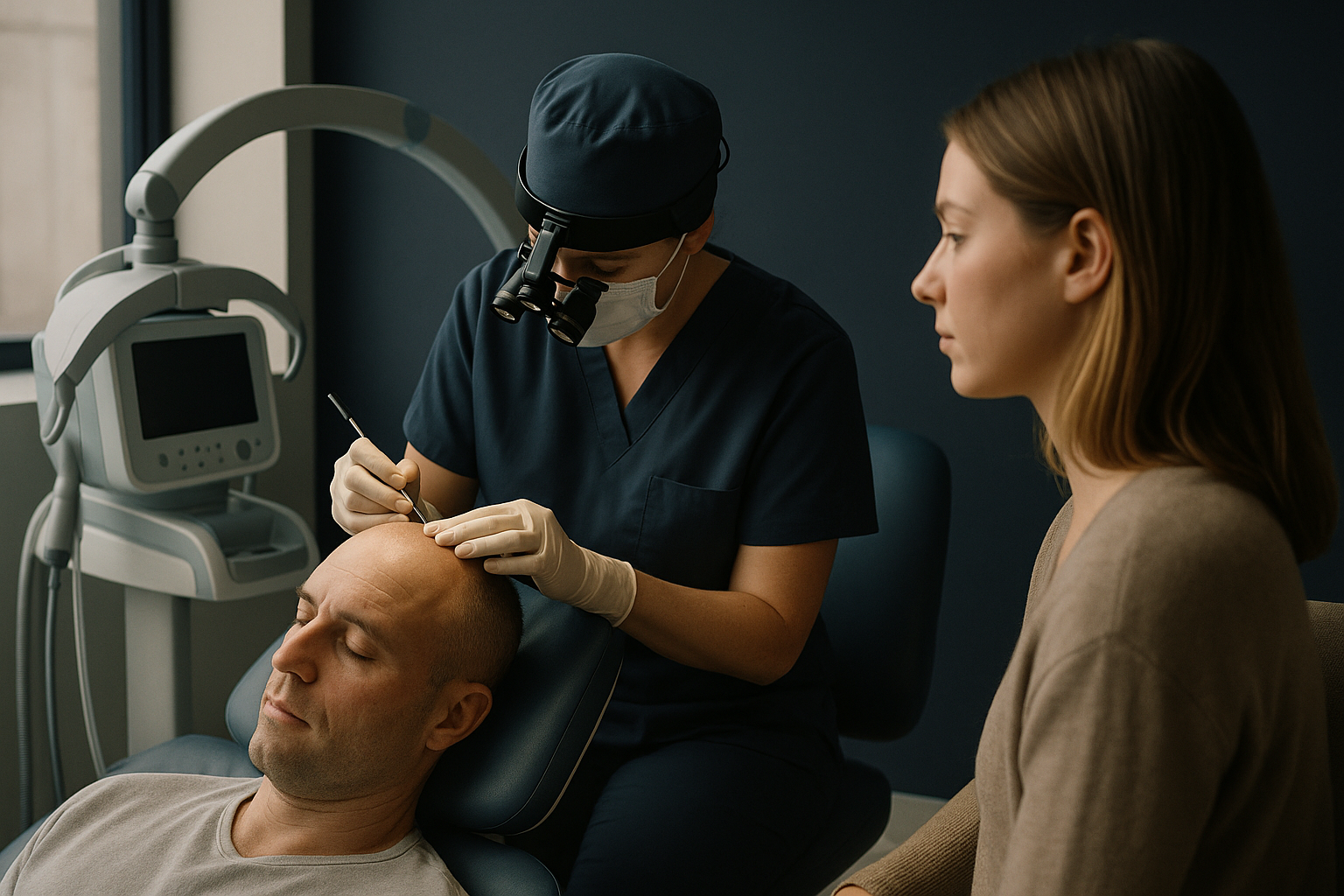
Hairline transplants have become a popular choice for those seeking to restore their hairline and enhance their appearance. This article provides comprehensive insights into the hairline transplant process, including costs, procedures, and post-operative care.
What is a Hairline Transplant?
A hairline transplant is a cosmetic procedure that involves relocating hair follicles from a donor site to the hairline area. This procedure is designed to address issues such as receding hairlines or thinning hair at the front of the scalp. It aims to create a natural-looking hairline that enhances the patient’s overall appearance. Hairline transplants are typically considered by individuals who experience pattern baldness, a condition that affects millions worldwide, or those who have suffered hair loss due to trauma or surgical scars.
The procedure typically involves two main techniques: Follicular Unit Transplantation (FUT) and Follicular Unit Extraction (FUE). FUT involves removing a strip of skin from the donor area, typically the back of the scalp, and dissecting it into individual follicular units under a microscope before transplantation. FUE, on the other hand, involves the extraction of individual hair follicles directly from the donor area using a specialized punch tool. Each method has its unique benefits, such as the potential for more grafts in a single session with FUT or less visible scarring with FUE.
Choosing between FUT and FUE largely depends on the extent of hair loss, scalp elasticity, hair density in the donor area, and personal preferences regarding scarring and recovery time. Consulting with a qualified surgeon can help determine the best approach for individual needs. The surgeon’s expertise will guide the patient in understanding the nuances of each technique and how they align with the desired outcomes, ensuring a personalized treatment plan. Ultimately, the decision should balance the technical aspects with the patient’s aesthetic goals, ensuring that the results appear seamless and natural.
How Much Does a Hairline Transplant Cost?
The cost of a hairline transplant can vary widely, influenced by factors such as the chosen clinic, the country in which the procedure is performed, and the extent of the transplant. On average, prices range from £3,000 to £10,000. In countries like the United States, the cost may be on the higher end due to the advanced technology and expertise available, while countries like Turkey offer more competitive rates due to lower operational costs and high competition among clinics.
It’s crucial to consider not only the cost but also the quality of service and expertise of the surgeons. A hairline transplant is a significant investment in oneself, and opting for a lower-cost option without thorough research could compromise the results. A higher price may often reflect a higher standard of care and better outcomes. Always ensure that the clinic is accredited and that the medical professionals are experienced in performing hairline transplants. Accreditation from bodies like the International Society of Hair Restoration Surgery (ISHRS) can be a benchmark for quality.
Furthermore, some clinics offer payment plans or financing options to make the procedure more accessible. These options can include monthly installments with or without interest, depending on the clinic’s policies. It’s advisable to discuss these options during initial consultations, ensuring that you fully understand the terms and that the financial commitment aligns with your budget. This financial planning can alleviate the stress of upfront costs, allowing patients to focus on the benefits of the procedure. It is also wise to consider potential additional costs, such as post-operative care and any necessary medications, when budgeting for the procedure.
What Does the Hairline Transplant Procedure Involve?
The hairline transplant procedure begins with a thorough consultation to assess the patient’s hair loss pattern and discuss desired results. During this consultation, the surgeon evaluates the density and quality of the donor hair, the elasticity of the scalp, and the patient’s expectations. The surgeon will design a customised plan tailored to the individual’s needs, considering factors such as the shape of the face, age, and the natural direction of hair growth to ensure a harmonious and natural-looking outcome.
During the procedure, follicles are harvested from a donor site, usually the back of the scalp, known for its resistance to balding. The meticulous transplant of these follicles to the hairline area is crucial for achieving a natural look. This part of the procedure can involve placing hundreds to thousands of grafts, each containing one to four hairs. The duration of the surgery can vary but generally takes several hours to complete, depending on the number of grafts and the techniques used.
The choice between FUT and FUE will determine the specific steps involved. FUT involves a linear incision to remove a strip of skin, which is then sutured, resulting in a linear scar. FUE extracts individual follicles, which results in tiny, less noticeable puncture scars. Both methods aim to achieve natural-looking results. Post-surgery, patients receive detailed care instructions to ensure optimal recovery and hair growth, highlighting the importance of following medical advice to maximize the success of the transplant. Patients should also be prepared for immediate post-operative instructions, such as avoiding alcohol, smoking, and certain medications that might interfere with healing.
What is the Recovery Process Like?
Recovery from a hairline transplant generally involves minimal downtime, which is a significant advantage for many patients. Most patients can return to normal activities within a few days, although the scalp may feel tender and appear slightly red or swollen. The newly transplanted hair will initially fall out, which is a normal part of the process known as “shock loss.” Hair typically begins to regrow within three to four months, with full results visible after a year.
Post-operative care is crucial for optimal results. Patients are typically advised to avoid strenuous activities and follow specific washing and care instructions to protect the newly transplanted hair. These instructions may include using a gentle shampoo, avoiding direct sunlight, and refraining from wearing hats or helmets for a specified period. Ensuring the scalp remains clean and free from infection is paramount to successful healing.
Most patients experience swelling and discomfort shortly after the procedure, which can be managed with prescribed medications, including pain relievers and anti-inflammatory drugs. Regular follow-up appointments with the surgeon are essential to monitor progress and address any concerns. During these visits, the surgeon can assess the growth of the transplanted hair, make any necessary adjustments to care routines, and provide reassurance and guidance as needed. This collaborative approach helps ensure the best possible outcome and patient satisfaction. Additionally, patients are often advised to maintain a healthy diet and to stay hydrated, as overall health can impact hair growth and recovery.
Are Hairline Transplants Safe?
Hairline transplants are considered safe when performed by qualified and experienced professionals. They are generally classified as low-risk procedures, especially when compared to other types of cosmetic surgeries. However, like any surgical procedure, they carry some risks, such as infection, scarring, or an unnatural appearance if not performed correctly. The use of local anesthesia further reduces the risk associated with general anesthesia, making the procedure safer for a wider range of patients.
Choosing a reputable clinic with certified surgeons can significantly reduce these risks. Clinics with a track record of successful procedures and positive patient testimonials are often a safer choice. It’s important to research and verify the credentials and experience of the medical team before proceeding with the surgery. Checking for board certifications and surgeon-specific reviews can provide additional peace of mind.
Patients should also disclose their full medical history during consultations to ensure safety and minimize potential complications. This includes discussing any medications, allergies, or previous surgeries that could affect the procedure’s outcome. Transparent communication with the medical team can prevent adverse reactions and ensure that the patient receives tailored advice to manage risks effectively. This proactive approach to safety underscores the importance of patient engagement in the pre-surgery process. Patients are also encouraged to ask about emergency protocols and the availability of post-operative support to further enhance safety and confidence.
How to Choose the Right Clinic for Your Hairline Transplant?
Selecting the right clinic for a hairline transplant involves careful consideration of several factors. Patients should look for clinics with a strong reputation, experienced surgeons, and a high standard of patient care. A clinic’s reputation can often be gauged by its online presence, including patient reviews and testimonials, as well as before-and-after photos of previous clients. These resources provide insights into the clinic’s consistency in delivering quality results.
Accreditation and membership in professional organizations are indicators of a clinic’s commitment to maintaining high medical standards. These organizations often require adherence to stringent safety and ethical guidelines, providing further assurance to prospective patients. Additionally, the technology and techniques used by the clinic can influence the quality of the outcome. Clinics that invest in the latest equipment and training are more likely to offer advanced procedures that result in better hair density and natural-looking hairlines.
It’s advisable to schedule consultations with multiple clinics to compare offerings, ask questions, and ensure comfort with the surgical team. During these consultations, prospective patients should inquire about the surgeon’s experience with hairline transplants, the number of procedures performed, and any potential risks specific to their case. This process not only helps in making an informed decision but also builds confidence and trust in the chosen clinic’s ability to deliver the desired results. Visiting the clinic in person can also provide a sense of the facility’s cleanliness and professionalism, which are crucial for a safe and successful procedure.
What Are the Long-term Results of a Hairline Transplant?
The success of a hairline transplant largely depends on the technique used, the surgeon’s skill, and the patient’s adherence to post-operative care instructions. With proper care, the results are typically permanent and can significantly enhance the patient’s appearance. The transplanted hair, being derived from areas of the scalp that are genetically resistant to balding, continues to grow naturally over time.
Hair growth usually begins several months after the procedure, with full results visible after a year. This timeline can vary based on individual factors such as hair type, scalp health, and the body’s natural healing processes. Regular follow-ups help ensure the transplanted hair integrates seamlessly with the existing hairline, and any necessary adjustments can be made to optimize results.
Patients should maintain realistic expectations and understand that individual results can vary based on factors such as age, hair type, and overall health. While a hairline transplant can provide a fuller, more youthful appearance, it does not halt the natural aging process. Patients may require additional treatments in the future to maintain their desired look. Engaging in ongoing scalp care and healthy lifestyle choices can further support the longevity of the transplant, ensuring satisfaction with the investment for years to come. It is also beneficial for patients to be aware of potential changes in hair trends and personal preferences, as these may influence future decisions about hair restoration.
Conclusion
Hairline transplants offer a viable solution for those looking to improve their hairline and overall appearance. By understanding the procedures, costs, and recovery process, prospective patients can make informed decisions and achieve satisfying results. As always, choose a reputable clinic and experienced surgeons to ensure safety and success. This comprehensive approach empowers individuals to take control of their hair restoration journey, enhancing both their appearance and confidence. Ongoing education and engagement in the latest hair restoration advancements can further enhance the patient’s experience and outcomes.
Proven result
20 to 200 hair-transplant patients a month from Australia
Aesthetic surgery group
Frequently asked questions
How long does a hairline transplant take?
A hairline transplant typically takes several hours to complete, depending on the extent of the transplant and the technique used.
Is a hairline transplant painful?
Most patients experience minimal discomfort during the procedure, as local anaesthesia is used. Post-operative pain is usually manageable with prescribed medication.
Will I need multiple hairline transplant sessions?
The need for multiple sessions depends on the extent of hair loss and the desired density. Some patients may require additional sessions for optimal results.
Can anyone get a hairline transplant?
Hairline transplants are suitable for most individuals experiencing hair loss, but a consultation with a qualified surgeon is necessary to determine candidacy.
How soon can I see results after a hairline transplant?
Initial hair growth begins a few months post-procedure, with full results visible after approximately one year.
Related guides

How Overseas Surgery Insurance Really Works
A lower treatment quote can quickly lose its advantage if an unexpected complication extends your stay, requires emergency…

Analyzing the Medical Tourism Market: Current Trends
Quick answerThe medical tourism market is growing due to factors like cost-effective treatments, advanced medical technologies, and international…

Best Country for Cancer Treatment: Top Countries for Advanced Cancer Treatment Options
Quick answerCountries like the USA, Germany, and Japan offer some of the best cancer treatment in the world,…