

Healthcare tourism, also known as medical tourism, is a growing phenomenon where individuals travel across international borders to receive medical treatments. This trend is driven by the potential for cost savings, access to advanced technology, and reduced waiting times for procedures.
What is Health Tourism?
Health tourism, often interchanged with healthcare tourism, involves traveling to another country to obtain medical services. The services sought can range from elective procedures, such as cosmetic surgeries, to essential treatments like cardiac surgeries. This form of tourism has expanded as patients seek out high-quality and cost-effective healthcare solutions abroad. For example, procedures like hip replacements or heart bypass surgeries that might cost upwards of $50,000 in the United States can be accessed for a fraction of the price in countries like India or Thailand, where the same procedures may cost under $10,000.
Beyond just medical procedures, health tourism encompasses a broader range of services. Patients often combine their medical journey with leisure, benefiting from the opportunity to recover in a serene environment. For instance, Thailand offers not just world-class hospitals but also beautiful beaches where patients can recuperate post-surgery. Similarly, Hungary provides a rich cultural backdrop for dental tourists, allowing them to enjoy historic sites while receiving top-notch dental care. This combination of healthcare and hospitality enhances the overall experience for medical tourists.
Additionally, health tourism includes wellness tourism, where individuals travel for wellness-related activities such as spas, meditation retreats, and holistic health treatments. This segment targets overall health and well-being, complementing traditional medical services. Wellness retreats in countries like Bali offer holistic packages that include yoga, detox diets, and meditation, providing a comprehensive approach to health that addresses both mental and physical well-being. Such retreats can range from a few days to several weeks, allowing individuals ample time to rejuvenate and restore their health.
Why Choose Healthcare Tourism?
The primary motivation for healthcare tourism is the potential for significant cost savings. Treatments abroad can be up to 50-80% cheaper than in the home country, depending on the destination and procedure. For instance, a dental implant that might cost around $3,000 in the U.S. can be found for as low as $900 in Mexico, making it a financially viable option for many. This financial advantage is particularly appealing in regions with high healthcare costs, such as the United States or Canada, where even insured patients can face large out-of-pocket expenses. These savings can be substantial, especially for complex surgeries or long-term treatments that require extensive care.
Another advantage is the shorter waiting times. In countries with long waiting lists for surgeries and treatments, patients can receive timely care abroad. Healthcare tourism destinations often offer immediate scheduling, which can be critical for those requiring urgent medical attention. For example, in the UK, patients might wait several months for an elective surgery, whereas in India, the same procedure could be scheduled within a week. This reduced waiting time can significantly impact the patient’s quality of life, allowing them to receive necessary treatments without prolonged delays.
Moreover, healthcare tourism provides access to advanced medical technologies and specialists that may not be available in the patient’s home country. Many destinations are renowned for their cutting-edge medical research and skilled professionals, enhancing the quality of care. South Korea, for instance, is a leader in robotic surgeries and advanced cancer treatments, attracting patients from around the globe who seek these specialized services. Access to such expertise can make a significant difference in treatment outcomes, offering patients new hope and options previously unavailable to them.
Popular Health Tourism Destinations
Several countries have emerged as popular health tourism destinations due to their high standards of care and attractive cost structures. Countries like Thailand, India, and Mexico are well-known for their affordable yet high-quality healthcare services, including dental care, cosmetic surgery, and orthopaedic treatments. In Thailand, the Bumrungrad International Hospital is a notable facility that attracts thousands of international patients annually with its comprehensive services and luxurious amenities. These facilities often employ multilingual staff to cater to international patients, ensuring clear communication and understanding.
European countries such as Hungary and Poland have become popular for dental tourism, offering advanced dental procedures at a fraction of the cost in Western Europe. Hungary, in particular, is often referred to as the “dental capital of the world,” with Budapest hosting numerous clinics specializing in implants and aesthetic dentistry. Similarly, South Korea is renowned for its cosmetic surgery industry, attracting international patients seeking aesthetic treatments. The country’s expertise in procedures such as rhinoplasty and eyelid surgery has made it a top destination for those looking to enhance their appearance. These countries often provide additional benefits, such as travel assistance and accommodation arrangements, to make the experience as comfortable as possible.
Each destination offers unique advantages, and patients are advised to research thoroughly to ensure their chosen country and facility meet international accreditation standards. Considering factors such as language barriers, travel logistics, and cultural differences can also contribute to a successful healthcare tourism experience. It’s also essential to look into the legal requirements for receiving medical care in a foreign country, including visa regulations and post-operative care, to ensure a smooth and hassle-free journey. Thorough research and planning can lead to a rewarding experience, allowing patients to focus on their health and recovery.
Understanding Health Tourism Packages
Health tourism packages are comprehensive offerings that include medical treatments, accommodations, and sometimes travel arrangements. These packages are designed to provide a seamless experience for international patients, reducing the stress associated with organizing multiple aspects of their medical journey. A typical package might include airport transfers, a personal assistant, and local tours, alongside medical consultations and follow-up care. By bundling these services, providers aim to offer convenience and peace of mind to their clients.
Typically, health tourism companies collaborate with accredited hospitals and clinics to offer these packages. They may include pre-treatment consultations, post-operative care, and even leisure activities to ensure a holistic experience for patients and their companions. For instance, a package might offer a five-star hotel stay, cultural excursions, and meals tailored to post-operative dietary needs, ensuring recovery in comfort. Some packages also offer language translation services to assist patients in navigating their treatment and travel experiences abroad with ease.
When considering a health tourism package, it is crucial to verify the credentials of the healthcare providers and the inclusivity of the package. Understanding what is included in terms of medical services, accommodations, and any additional support can prevent unexpected expenses and ensure a smooth process. It is also wise to consider the location of accommodations in relation to the medical facility to minimize travel stress during recovery. Furthermore, scrutinizing contract terms for cancellation policies and refund options can safeguard against unforeseen changes in travel plans. This thorough evaluation helps ensure that the selected package meets the patient’s needs and expectations.
Safety and Accreditation in Healthcare Tourism
Safety is a paramount concern for prospective medical travellers. Ensuring that the chosen healthcare facility is accredited by international health organizations is essential. Accreditation bodies such as the Joint Commission International (JCI) and the International Society for Quality in Health Care (ISQua) set rigorous standards to ensure patient safety and quality care. JCI accreditation, for example, is recognized as a benchmark for healthcare quality, indicating that a facility adheres to international best practices. These certifications can provide peace of mind to patients, knowing that they are in capable hands.
Patients should research the facility’s reputation, the qualifications of the medical staff, and the success rates of the procedures offered. Seeking testimonials and reviews from previous international patients can also provide valuable insights. Websites like Patients Beyond Borders offer resources and patient reviews that can help in making informed decisions. Engaging directly with former patients through online forums or social media groups can also yield first-hand accounts of their experiences, offering a more personal perspective.
Additionally, having a clear understanding of the legal and ethical standards of the country can safeguard against potential complications. It is advisable to have travel insurance that covers medical tourism to provide an extra layer of protection. This insurance can cover unexpected complications, trip cancellations, or the need for extended stays due to medical reasons, offering peace of mind during the medical journey. Understanding the terms of insurance coverage is crucial, as some policies may have exclusions for certain treatments or destinations. Ensuring comprehensive coverage can protect against unforeseen circumstances, allowing patients to focus on their recovery.
Current Trends and News in Healthcare Tourism
The healthcare tourism industry is constantly evolving, influenced by global health trends and technological advancements. Recent health tourism news highlights the growing demand for telemedicine services, enabling patients to have pre- and post-operative consultations remotely, reducing the need for extended stays abroad. This shift towards digital health is particularly beneficial for follow-up care, allowing patients to consult with their doctors from the comfort of their homes, regardless of geographical barriers. Telemedicine also facilitates continuous care, ensuring that patients remain in contact with their healthcare providers even after returning home.
There is also an increasing focus on sustainability within the industry. Health tourism destinations are adopting eco-friendly practices to reduce their environmental impact, aligning with global efforts towards sustainable development. Hospitals in countries like Costa Rica are leading the way by implementing green building standards and utilizing renewable energy sources, which not only minimize their carbon footprint but also appeal to environmentally conscious patients. These initiatives reflect a growing awareness of the need for sustainability in all aspects of healthcare.
Furthermore, the integration of digital health technologies, such as electronic health records and AI-driven diagnostic tools, is enhancing the efficiency and accuracy of treatments offered to international patients. These technologies facilitate seamless communication between patients and healthcare providers, ensuring continuity of care across borders. Staying informed about these trends can help patients make informed decisions about their healthcare tourism journey, ensuring they choose destinations that align with their personal values and medical needs. As technology continues to advance, it is likely that these digital solutions will play an increasingly important role in the healthcare tourism landscape.
| Factor | Benefits | Considerations |
|---|---|---|
| Cost | Significant savings on treatments | Verify all costs included in packages |
| Quality | Access to advanced technology | Ensure facility accreditation |
| Time | Shorter waiting periods | Consider travel time and recovery |
Conclusion: Making Informed Decisions in Healthcare Tourism
Healthcare tourism offers numerous benefits, including cost savings, access to advanced medical care, and reduced wait times. However, making informed decisions is crucial to ensure a safe and successful medical journey. Prospective medical travellers should thoroughly research their options, verify the credentials of healthcare providers, and consider the logistical aspects of their travel. This includes understanding the healthcare regulations of the destination country and ensuring that all necessary documents and insurance coverage are in place. Proper planning can help mitigate risks and enhance the overall experience.
By understanding the nuances of healthcare tourism and staying informed about industry trends, patients can confidently embark on their medical journeys abroad. Engaging with a reputable medical tourism facilitator can also aid in navigating the complexities of international healthcare, providing valuable guidance and support. These facilitators often have established relationships with healthcare providers and can offer insights into the best destinations and packages available. This growing sector continues to provide valuable opportunities for individuals seeking quality healthcare solutions beyond their borders, enabling them to receive the care they need while experiencing new cultures and environments.
Proven result
10 to 70 oncology patients a month from Canada
International oncology provider
Frequently asked questions
What is health and wellness tourism?
Health and wellness tourism involves traveling for medical treatments and wellness activities like spa retreats and holistic therapies.
What is health tourism definition?
Health tourism is the act of traveling to another country to obtain medical care, including surgeries, treatments, and wellness activities.
Why choose health tourism?
Individuals choose health tourism for cost-effective treatments, access to advanced medical technologies, and reduced waiting times.
What are health tourism packages?
Health tourism packages offer medical treatments combined with accommodations and travel arrangements for a seamless patient experience.
Related guides

Healthcare Content Compliance Guide for Growth
A high-performing treatment page can generate international patient inquiries within hours. It can also create material risk if…
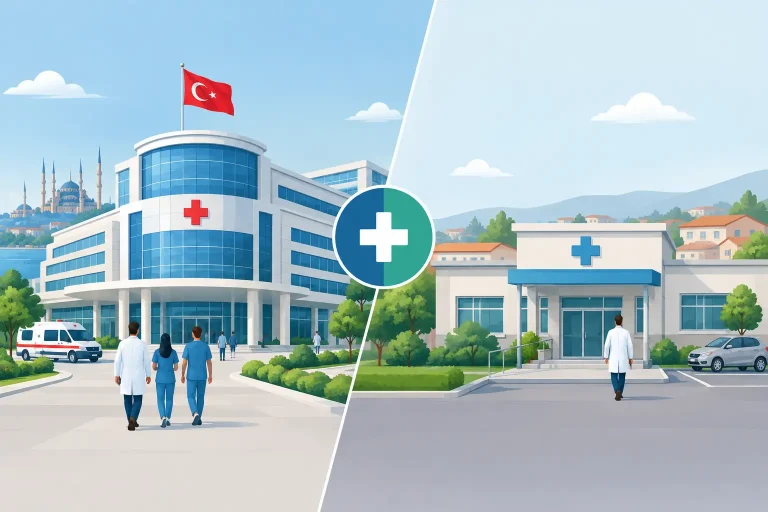
Turkey Hospitals vs Local Hospitals Compared
A lower procedure quote can get a patient’s attention. It should not make the decision on its own.…

Patient Experience That Drives Trust and Growth
A patient who has already uploaded medical records, compared providers, and arranged time away from work is not…