
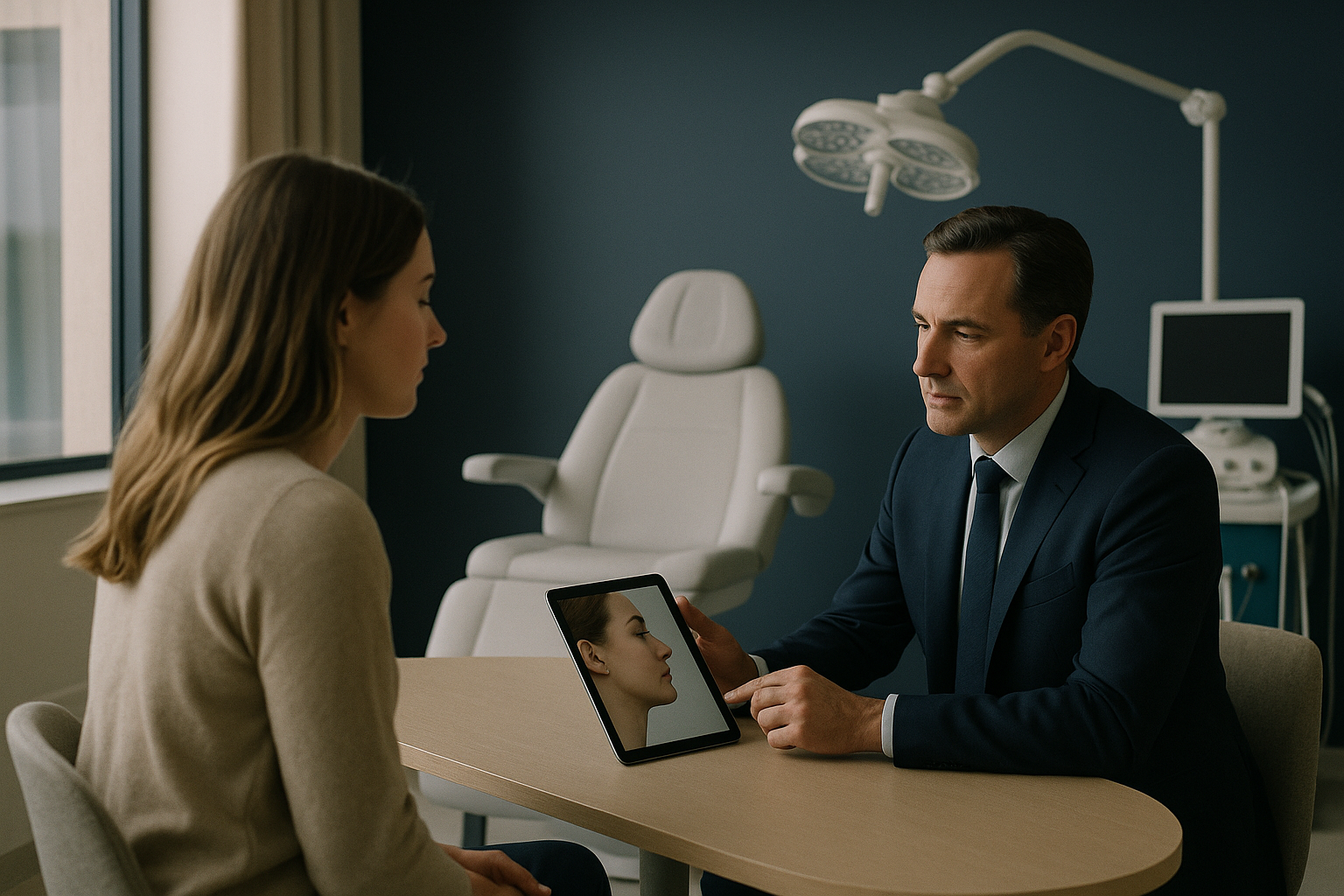
Plastic surgery has become an increasingly common practice globally, with certain countries leading the way in terms of the highest plastic surgery per capita. This article delves into these countries, examining the factors that contribute to their high rates, including cultural acceptance, technological advancements, and affordability.
Why Do Some Countries Have Higher Plastic Surgery Rates?
Countries with the highest plastic surgery per capita often have unique social and economic factors driving these numbers. Cultural norms are a primary influence, deeply embedded in societies where beauty standards hold significant sway. Take South Korea, for example, where cosmetic enhancements are not just accepted but often expected. The societal belief that physical appearance can influence social and professional success leads many young individuals to undergo procedures as a rite of passage. In fact, it’s not uncommon for cosmetic surgery to be gifted for graduations or before starting a new career. This societal pressure is compounded by media portrayals, where celebrities frequently discuss their surgeries, normalizing the practice.
Economic factors also play a crucial role. In countries with robust healthcare infrastructures and high disposable incomes, such as the United States, the prevalence of cosmetic procedures is notable. These nations often have advanced medical technologies and highly skilled professionals, attracting a significant number of both local and international patients. In South Korea, the government’s active promotion of medical tourism exemplifies how economic incentives can drive the industry. By ensuring a continuous influx of international patients, these countries maintain their high surgery rates.
Affordability is another key factor. In competitive markets where plastic surgery is widespread, prices tend to be more accessible. Clinics in countries like Brazil and South Korea keep procedures affordable due to intense competition, making aesthetic enhancements available to a broader demographic. This competitive pricing, combined with high-quality services, encourages individuals who might otherwise be priced out in other countries to opt for surgery. For many, the decision to undergo plastic surgery hinges on a balance of affordability, quality, and societal acceptance.
Which Countries Lead in Plastic Surgery Per Capita?
Several countries consistently rank high in terms of plastic surgery per capita. South Korea is frequently at the top of this list, renowned for its advanced cosmetic procedures and the widespread societal acceptance of aesthetic surgery. The country’s clinics are especially noted for their expertise in facial surgeries, which are popular among young women aiming to refine their features. South Korea’s reputation as a cosmetic surgery hub is bolstered by aggressive marketing strategies and an efficient medical tourism infrastructure, drawing patients from across Asia and the globe.
Brazil follows closely behind, with its vibrant culture heavily influencing the popularity of cosmetic surgery. The country’s beach-centric lifestyle emphasizes body aesthetics, leading to widespread acceptance of procedures like the Brazilian butt lift and liposuction. Brazil’s long-standing history with cosmetic surgery has cultivated a robust community of board-certified surgeons, particularly in cities like Rio de Janeiro and São Paulo. This expertise, coupled with the country’s cultural norms, makes Brazil a leader in plastic surgery per capita.
The United States also plays a significant role in the global plastic surgery scene, driven by its technological advancements and high demand for procedures such as breast augmentation and liposuction. American clinics often lead the charge in developing new surgical techniques and technologies, setting trends that spread worldwide. The diversity of the U.S. market, catering to various demographics with both subtle and extensive procedures, ensures that it remains a key player. Each of these countries offers distinct advantages that attract both local and international patients seeking quality cosmetic enhancements.
What Are the Common Procedures in High-Rate Countries?
In nations with the highest plastic surgery per capita, specific procedures dominate the landscape. In South Korea, facial surgeries such as rhinoplasty and blepharoplasty (double eyelid surgery) are exceedingly popular. These procedures align with cultural beauty ideals, where features that are perceived as more “Western” are often considered desirable. Many clinics in South Korea are equipped with cutting-edge technology and staffed by highly skilled surgeons, making them a top choice for individuals seeking facial enhancements from around the globe.
In Brazil, the focus shifts towards body contouring surgeries like liposuction and buttock augmentation. These procedures are emblematic of the Brazilian emphasis on body aesthetics, where a curvaceous figure is celebrated. Brazilian surgeons are renowned for their expertise in body surgeries, often pioneering techniques that gain international recognition. The popularity of these procedures reflects the cultural importance placed on physical appearance, with many individuals pursuing surgery to align with societal standards.
The United States offers a diverse range of procedures, catering to a wide array of aesthetic goals. From minimally invasive treatments like Botox to comprehensive surgeries such as tummy tucks and facelifts, the U.S. market meets the needs of a varied demographic. American clinics are known for their focus on innovation, providing patients with access to the latest advancements in plastic surgery. This commitment to cutting-edge technology and patient safety ensures that individuals can choose from a comprehensive array of options to achieve their desired outcomes.
How Do Costs Vary Across These Countries?
The cost of plastic surgery varies significantly across countries, influenced by factors like healthcare infrastructure, surgeon expertise, and economic conditions. In South Korea, competitive pricing is a result of the high volume of surgeries performed and the country’s well-established medical tourism industry. For example, a double eyelid surgery might cost around $2,000 to $3,000, which is substantially less than in Western countries. The competitive market in South Korea ensures that clinics offer high-quality procedures at accessible prices, attracting a steady stream of international patients.
In Brazil, the cost structure differs. While some procedures might be more affordable due to local economic conditions, surgeries performed by top-tier surgeons can still command premium prices. Brazilian clinics are particularly noted for their expertise in body contouring surgeries like the Brazilian butt lift, which can range from $3,500 to $8,000 depending on the surgeon and location. Despite these costs, Brazil remains a popular destination due to the overall affordability compared to countries like the U.S. and Europe.
The United States typically has higher costs for plastic surgery, reflecting its advanced medical facilities and comprehensive patient care. American clinics offer state-of-the-art technology and highly trained staff, contributing to higher price points. For instance, breast augmentation can range from $6,000 to $12,000, while more complex surgeries like facelifts can cost upwards of $15,000. The assurance of quality and safety in the U.S. is a significant factor for many patients who are willing to invest more for their procedures, confident in the high standards maintained by American medical facilities.
How Is Safety Ensured in These High-Volume Countries?
Safety is a paramount concern for individuals considering plastic surgery, especially in countries with the highest plastic surgery per capita. In South Korea, stringent government regulations and accreditation systems ensure that clinics adhere to high standards of care. The Ministry of Health and Welfare oversees the industry, requiring clinics to maintain specific protocols and standards. Prospective patients are encouraged to select accredited clinics and verify the qualifications of their surgeons, ensuring that they receive care from certified professionals.
In Brazil, safety is similarly prioritized, with professional bodies like the Brazilian Society of Plastic Surgery playing a crucial role. This organization sets rigorous standards for its members, ensuring that only qualified surgeons are permitted to practice. Patients are advised to verify their surgeon’s credentials through the society’s database, which provides a comprehensive list of certified practitioners. This emphasis on certification and oversight helps maintain high safety standards across the industry.
The United States employs a robust regulatory framework to ensure safety in plastic surgery. Organizations such as the American Society of Plastic Surgeons provide accreditation to clinics and practitioners who meet stringent criteria. These standards include maintaining hygiene, using the latest technology, and ensuring that all staff are adequately trained. Patients in the U.S. have access to a wealth of resources that help them understand the risks and benefits of various procedures, empowering them to make informed decisions. The focus on safety is a cornerstone of the American plastic surgery industry, providing reassurance to patients seeking procedures in the country.
- Research the clinic’s accreditation.
- Verify the surgeon’s credentials.
- Understand the procedure’s risks and benefits.
What Should Patients Consider Before Traveling for Surgery?
Prospective medical travelers must evaluate several critical factors before deciding to undergo plastic surgery abroad. Understanding the healthcare system and legal protections in the destination country is essential to ensure a safe experience. Patients should also consider potential cultural and language barriers, which could impact their overall experience. It is vital to have a clear comprehension of the clinic’s policies, the surgeon’s qualifications, and the available legal recourse in case of complications.
Logistical considerations such as travel arrangements and post-operative care are equally important. Patients need to plan for the cost and duration of travel, accounting for any additional expenses that might arise. Post-operative care is a crucial aspect of the recovery process, and ensuring access to follow-up appointments and necessary medical support is imperative. Patients should also consider the timing of their surgery, ensuring they have ample time away from work or other responsibilities to recover fully.
Having a comprehensive understanding of the entire process, from surgery to recovery and follow-up visits, is vital for a successful outcome. Patients are advised to plan for unexpected complications and have contingency measures in place to mitigate potential risks associated with traveling for surgery. By conducting thorough research and planning, patients can make informed decisions that align with their aesthetic goals and personal circumstances, ensuring a safe and satisfactory surgical experience.
- Check travel advisories and visa requirements.
- Plan for post-surgery recovery time.
- Ensure access to follow-up care.
Conclusion
Understanding the global landscape of plastic surgery offers valuable insights for those considering procedures abroad. Countries with the highest plastic surgery per capita present a variety of options driven by cultural preferences, economic factors, and medical advancements. By thoroughly researching and planning, prospective patients can make informed decisions that align with their aesthetic goals and personal circumstances. The decision to undergo plastic surgery is significant, and understanding the nuances of each country can help patients choose the best destination for their needs, ensuring a balance of quality, safety, and affordability.
Proven result
20 to 200 hair-transplant patients a month from Australia
Aesthetic surgery group
Frequently asked questions
Which country has the highest plastic surgery per capita?
South Korea is often cited as having the highest plastic surgery per capita, with a strong cultural acceptance of cosmetic procedures.
What are the most common plastic surgeries in South Korea?
Double eyelid surgery and rhinoplasty are among the most popular procedures, reflecting local beauty standards.
Is plastic surgery cheaper in Brazil compared to the USA?
Generally, some procedures may be more affordable in Brazil due to market competition, but prices can vary based on the surgeon’s expertise and clinic reputation.
How can I ensure safety when undergoing surgery abroad?
Choose accredited clinics, verify the surgeon’s credentials, and understand the healthcare system and legal protections in the destination country.
Are there risks involved with medical tourism for plastic surgery?
Yes, risks include potential complications, lack of post-operative care, and communication barriers. Thorough research and planning are crucial.
Related guides

What Is a Medical Travel Facilitator and Why Use One?
A lower treatment quote can look compelling until you try to compare what it actually includes: surgeon fees,…

What Hospital Accreditation Reviews Really Tell You
A hospital can have polished facilities, prominent surgeons, and hundreds of five-star ratings, yet those signals do not…

International Patient Onboarding Guide for Hospitals
An international patient inquiry is not simply a lead. It is a person weighing a major medical decision…