
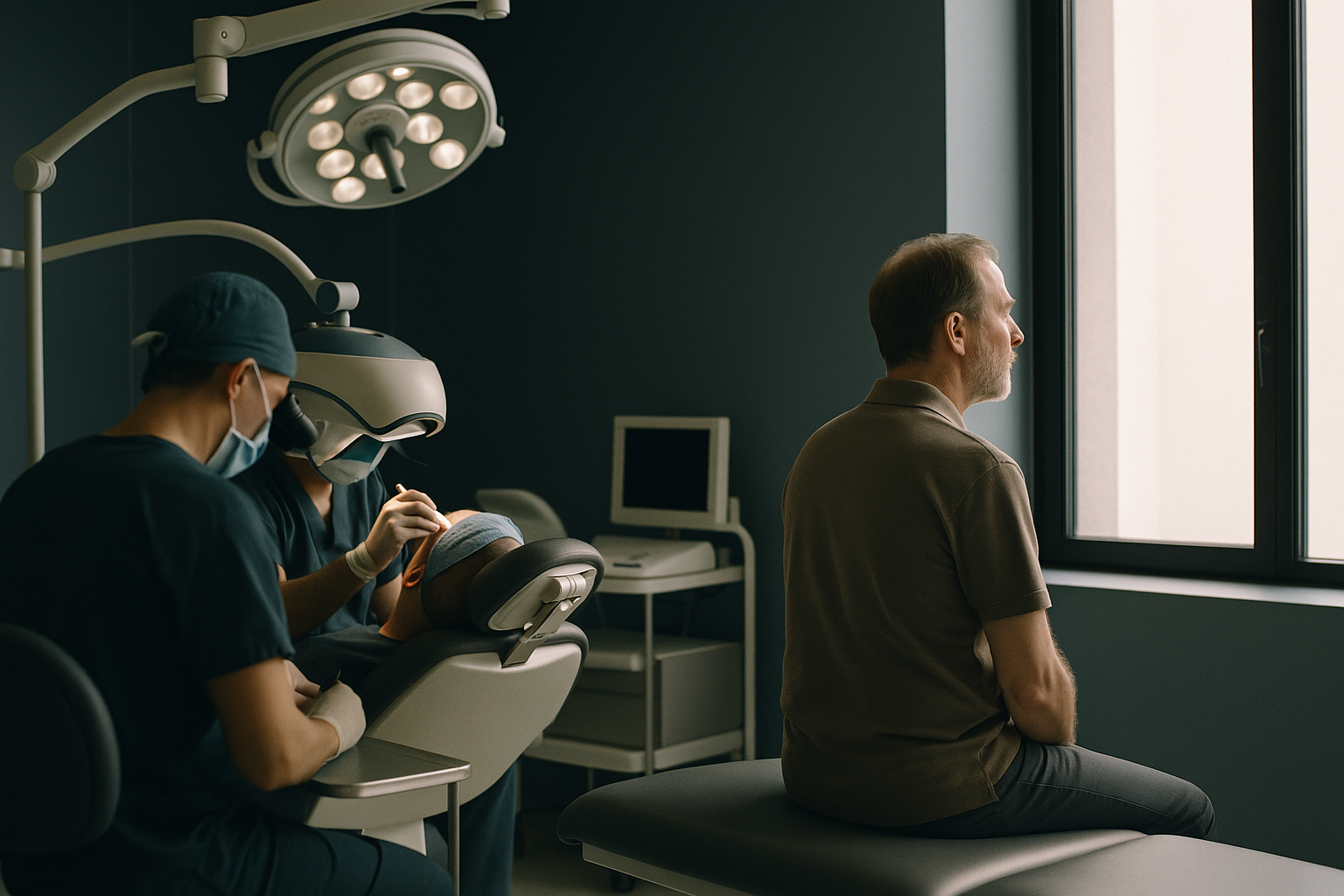
Hairline surgery, often referred to as hairline restoration, is a procedure aimed at reshaping or restoring the hairline. It involves surgical intervention to relocate hair follicles to the desired area, offering a natural-looking result. This comprehensive guide explains how hairline surgery works, covering the process, costs, safety, and more.
What is Hairline Surgery?
Hairline surgery is a cosmetic procedure designed to address hairline recession or reshape an uneven hairline. It primarily involves relocating healthy hair follicles from a donor site—usually the back of the head—to the recipient site at the hairline. The process is meticulous, requiring precision to ensure each follicle is placed at the correct angle and density to mimic natural hair growth patterns. The surgery not only improves aesthetic appearance but also boosts self-confidence, offering patients a renewed sense of self-esteem and satisfaction with their appearance.
The surgery is popular among individuals experiencing hair thinning or those desiring a lower or more defined hairline. It can be performed using various techniques, such as Follicular Unit Extraction (FUE) and Follicular Unit Transplantation (FUT), each tailored to the patient’s needs and the surgeon’s expertise. FUE involves extracting individual follicles, which minimizes scarring, while FUT involves removing a strip of scalp to harvest follicles, which can be more efficient for large areas.
Patients seeking hairline surgery often include both men and women, though the techniques and approaches may vary based on gender-specific patterns of hair loss. For men, the focus might be on addressing a receding hairline or male pattern baldness, while women may aim to correct a naturally high hairline or restore volume. Regardless of the reason, the ultimate goal is to create a hairline that complements the patient’s facial structure and meets their aesthetic desires.
How Does Hairline Surgery Work?
The process of hairline surgery begins with an initial consultation, where the surgeon assesses the patient’s hair and scalp condition. This assessment includes evaluating hair density, scalp laxity, and the pattern of hair loss. The surgeon will also discuss the patient’s medical history to identify any potential contraindications to surgery. After determining the suitability for surgery, the procedure is scheduled, with a detailed plan tailored to the patient’s specific needs and goals.
On the day of the surgery, local anesthesia is administered to ensure comfort. This involves numbing the donor and recipient areas to prevent pain during the procedure. Depending on the technique chosen, the surgeon extracts hair follicles from the donor area using methods like Follicular Unit Extraction (FUE) or Follicular Unit Transplantation (FUT). FUE is less invasive, involving the extraction of individual follicles, which are then implanted into the hairline. FUT, on the other hand, involves taking a strip of scalp to harvest follicles, which can be advantageous for covering larger areas.
These follicles are meticulously implanted into the hairline to achieve a natural look. The surgeon will take great care to place the follicles at the correct angle and density to ensure seamless integration with existing hair. Post-surgery, patients can expect some swelling and discomfort, which usually subsides within a few days. The results of hairline surgery are gradual, with noticeable improvements appearing over several months as the transplanted hair grows and blends with the surrounding hair.
How Much Does a Hair Transplant Cost?
The cost of hairline surgery varies widely based on factors such as the location, surgeon’s expertise, and the technique used. On average, hair transplant costs range from $4,000 to $15,000. In the USA, the cost is typically on the higher end due to the advanced healthcare system and expertise available. The exact cost will depend on the number of grafts required, which can range from a few hundred to several thousand, depending on the extent of hair loss and the desired density.
In contrast, countries like Turkey offer competitive pricing, often between $2,000 and $5,000, making it a popular destination for medical tourists. This affordability is attributed to lower operational costs and favorable exchange rates. However, patients should be aware of the potential challenges of traveling for surgery, such as language barriers and the need for follow-up care, which may not be as easily accessible.
Regardless of location, it is crucial to prioritize quality and safety over cost when selecting a clinic. Patients should thoroughly research potential clinics, ensuring they are accredited and have a proven track record of successful surgeries. It is also advisable to consult with multiple surgeons to compare techniques, outcomes, and costs. Investing in a reputable surgeon can significantly impact the success and satisfaction of the procedure, making it a worthwhile consideration.
What to Expect During Recovery?
Recovery from hairline surgery is generally straightforward. Most patients experience minor discomfort, redness, and swelling, which subside within a week. The transplanted hair begins to shed after a few weeks, a normal part of the process, before regrowth starts. This shedding phase, known as “shock loss,” is temporary and paves the way for new, healthy hair growth. Patients can expect to see significant improvements in hair density and appearance within six to twelve months post-surgery.
Patients are advised to follow post-operative care instructions diligently, which may include avoiding strenuous activities, direct sun exposure, and wearing tight-fitting hats or headwear that might disturb the grafts. Maintaining a gentle hair care routine is also essential, with specific shampoos and conditioners often recommended to support healing and hair growth. Regular follow-ups with the surgeon ensure proper healing and address any concerns promptly, allowing for adjustments to care plans as needed.
During recovery, patients should be prepared for some lifestyle adjustments to facilitate healing. This may include sleeping with the head elevated to reduce swelling and refraining from smoking or alcohol consumption, which can impede the healing process. Patience is key, as the full results of hairline surgery take time to manifest. By adhering to the surgeon’s advice and maintaining realistic expectations, patients can achieve satisfying, long-lasting results.
How to Choose the Right Surgeon?
Choosing the right surgeon is critical for a successful hairline surgery. Patients should seek board-certified specialists with extensive experience in hair restoration. The surgeon’s expertise can significantly influence the outcome, as the procedure requires a combination of technical skill and artistic vision to achieve natural-looking results. Checking credentials, patient reviews, and before-and-after photos can provide insights into the surgeon’s expertise and patient satisfaction.
A thorough consultation is essential to discuss expectations, potential risks, and the surgeon’s approach to the procedure. During this meeting, patients should inquire about the surgeon’s experience with cases similar to their own, as well as the specific techniques they employ. Transparency and clear communication between the patient and surgeon pave the way for satisfactory outcomes, ensuring both parties have a shared understanding of the desired results.
Patients should also consider the clinic’s facilities and support staff, as a well-equipped, accredited facility can enhance the safety and comfort of the procedure. It’s beneficial to visit multiple clinics to compare their offerings and ask questions about post-operative care and support. Ultimately, selecting a surgeon who makes the patient feel comfortable and confident in their abilities is paramount to achieving a successful, satisfying hairline surgery experience.
Are There Any Risks Involved?
Like any surgical procedure, hairline surgery carries potential risks such as infection, scarring, or an unnatural appearance. However, these risks are minimized when performed by experienced surgeons in accredited facilities. The choice of technique can also influence the risk profile, with FUE generally posing a lower risk of visible scarring compared to FUT, which may leave a linear scar at the donor site.
Patients should be informed about the risks and signs of complications, such as excessive swelling, bleeding, or infection, and contact their surgeon promptly if these occur. Pre-surgery assessments help identify any potential health concerns that could increase the risk of complications, allowing for personalized care plans to minimize these risks. Adhering to post-operative care instructions is crucial in mitigating risks and ensuring optimal healing.
Another important consideration is the risk of unsatisfactory results, such as graft failure or unnatural hairline design. This underscores the importance of selecting an experienced surgeon with a proven track record. Patients should have realistic expectations and understand that while hairline surgery can significantly improve aesthetic appearance, it may not completely restore hair to its original density. Open communication with the surgeon can help align expectations and enhance overall satisfaction with the results.
Conclusion
Hairline surgery offers a viable solution for those seeking to improve their hairline’s appearance. By understanding how the procedure works and considering factors like cost and surgeon expertise, patients can make informed decisions that align with their personal goals and circumstances. Prioritizing safety and quality ensures the best possible outcome and boosts confidence in one’s appearance.
The decision to undergo hairline surgery should be made after thorough research and consultation with qualified professionals. Patients should weigh the benefits, costs, and potential risks to determine if the procedure meets their needs. By doing so, individuals can experience the transformative effects of hairline surgery, enhancing their self-image and quality of life.
Proven result
20 to 200 hair-transplant patients a month from Australia
Aesthetic surgery group
Frequently asked questions
How much does a hair transplant cost?
The cost of a hair transplant can range from $4,000 to $15,000 depending on location, technique, and surgeon expertise.
How much does a hair transplant surgery cost in the USA?
In the USA, hair transplant surgery typically costs between $6,000 and $15,000, reflecting the advanced healthcare system and expertise.
Is hairline surgery safe?
When performed by a qualified, experienced surgeon, hairline surgery is generally safe. Patients should ensure the clinic is accredited and follow post-op care instructions.
How long is the recovery period for hairline surgery?
Recovery from hairline surgery usually takes about a week for initial healing, with full hair regrowth visible over several months.
Related guides

Turkey Hospitals vs Local Hospitals Compared
A lower procedure quote can get a patient’s attention. It should not make the decision on its own.…

Patient Experience That Drives Trust and Growth
A patient who has already uploaded medical records, compared providers, and arranged time away from work is not…

What Is a Medical Travel Facilitator and Why Use One?
A lower treatment quote can look compelling until you try to compare what it actually includes: surgeon fees,…