
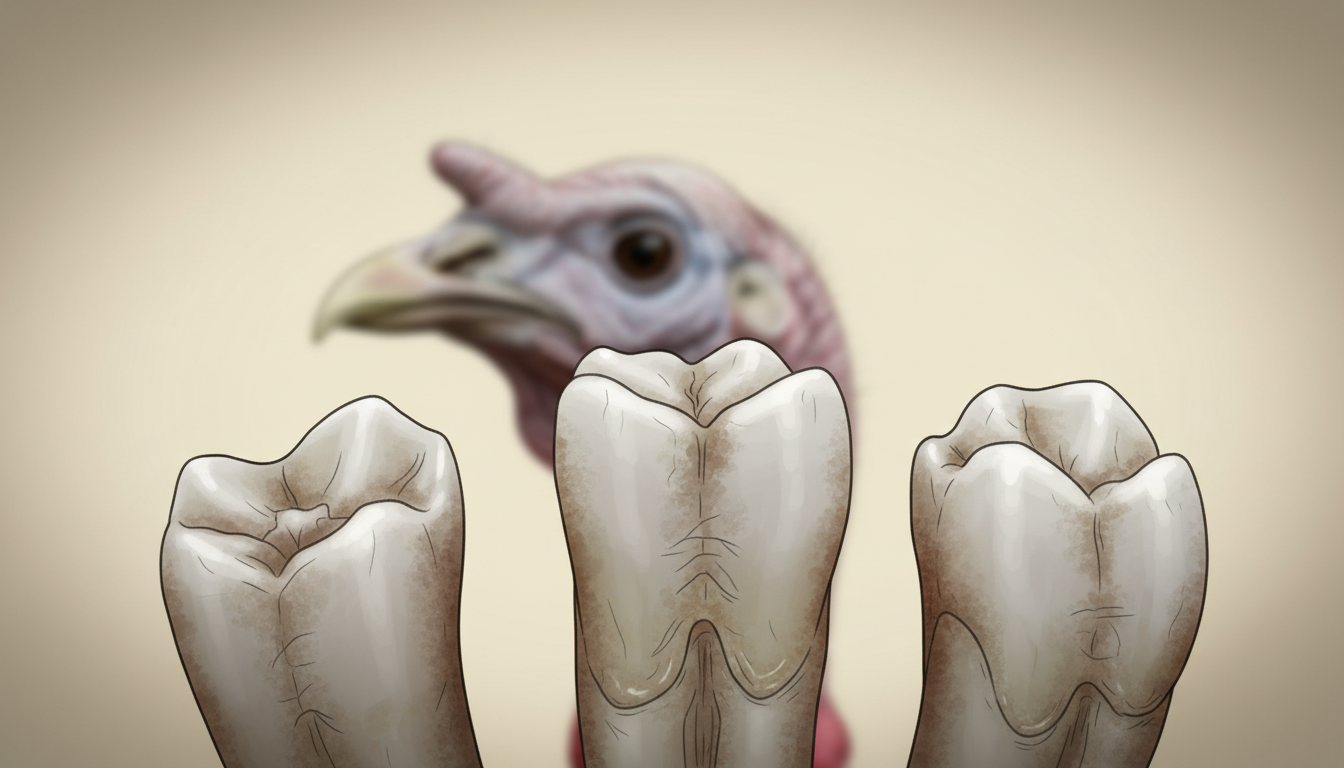
Can a smile renewed abroad stand the test of time — and what should a patient expect before booking a flight?
Many people weigh the promise of fast results against the need for lasting health. Understanding how long do turkey teeth last is a vital first step for anyone considering dental treatment overseas.
Quality of work, the chosen treatments, and follow-up care shape outcomes. A well-planned dental treatment can offer durable results when patients and clinicians coordinate on materials, technique, and aftercare.
This introduction aims to give calm, practical guidance. Readers will learn what affects longevity, what questions to ask, and how to protect oral health once they return home.
Key Takeaways
- Longevity depends on clinical quality, material choice, and patient care.
- Ask about dentist credentials, warranty, and maintenance plans.
- Post-treatment oral health is crucial for lasting results.
- Compare treatments and timelines before you commit.
- Informed planning reduces risk and builds confidence.
Understanding the Concept of Turkey Teeth
Bright, uniform smiles from overseas clinics are usually crafted with prosthetics, not natural enamel changes. The popular nickname turkey teeth refers to those ultra-white, precisely shaped restorations many travelers receive in aesthetic programs.
These results come from veneers or crowns. They are cosmetic solutions made to change color, shape, and alignment quickly. Many patients seek a celebrity-like appearance and pursue long turkey teeth to achieve that effect.
Speed and cost often attract people, but rapid treatment does not guarantee durable work. Some smiles look almost too perfect; that polished appearance is intentional and aesthetic-driven.
“Patients should weigh appearance against long-term oral health and planned maintenance.”
- Know that the term describes a result, not a tooth type.
- Ask which materials and follow-up plans the clinic offers.
- Commitment to care keeps these cosmetic teeth stable over time.
How Long Do Turkey Teeth Last
A dependable smile combines quality materials, precise technique, and sensible daily care. This determines practical longevity for cosmetic restorations received abroad.
Porcelain veneers offer a natural look and work like ceramic tiles bonded to a prepared natural tooth. With careful hygiene and occasional maintenance, porcelain veneers typically serve patients for 10 to 15 years.
Porcelain Veneer Longevity
Key points: Veneers are strong but require commitment because preparation is permanent. Avoid biting hard objects and keep routine dental visits to protect the investment.
Zirconia Crown Durability
Zirconia crowns show excellent durability. Clinical studies report near 98% survival at five years, and many crowns last well beyond a decade when fitted correctly.
- Most veneers and crowns can last years—often 15 to 25 years—with proper care.
- A successful root canal plus a durable crown extends a tooth’s functional life.
- Implants act as an artificial root and may last 10 to 20 years with good hygiene.
“Choosing high-quality materials and an experienced dentist gives the best chance for long-term value.”
The Role of Material Quality in Dental Restorations
The substances used to craft crowns and veneers directly affect how they perform over years.
High-grade ceramics such as zirconia and Emax offer superior fracture resistance and biocompatibility. These materials often cost more, but they deliver better durability and a more natural appearance.
Modern clinics use internationally certified components and CAD/CAM technology to ensure precise fit and fewer complications. A skilled dentist will match material choice to a patient’s bite, aesthetic goals, and medical needs.
- Fracture resistance and tissue compatibility are top selection factors.
- Premium options raise initial costs but may reduce long-term replacement expenses.
- Ongoing oral care seals the benefit of quality materials.
“Investing in certified materials and expert lab work is an investment in lasting oral health.”
| Material | Durability (years) | Strength | Best use |
|---|---|---|---|
| Zirconia | 10–20+ | Very high | Full crowns, posterior restorations |
| Emax (lithium disilicate) | 8–15 | High | Veneers, anterior crowns |
| Porcelain-fused-to-metal | 7–15 | High (dependent on framework) | Bridges, mix of strength and esthetics |
Common Dental Procedures Included in Treatment Packages
Many clinics bundle cosmetic design, implant surgery, and lab work so patients get a single coordinated plan. This approach reduces travel time and keeps the focus on predictable results.
Hollywood Smile Design
Hollywood smile plans pair porcelain veneers and crowns to make a uniform aesthetic. Clinics often complete this in 7–10 days, polishing shade and shape to match facial features.
Implant Supported Bridges
Implant supported bridges replace missing teeth with a fixed solution. With proper care, implants and the attached crowns can serve well for 10 to 20 years or more.
Fixed Prosthesis Solutions
All-on-4 and All-on-6 systems allow a full arch replacement using few implants. These prostheses speed recovery and offer stable chewing function while protecting the gum and bone.
- A root canal may precede a crown to remove infection and secure the tooth.
- Packages often include hotel stays and transfers to ease the patient’s trip.
- Some treatments require months for bone healing before final crowns or implants are fitted.
| Procedure | Typical timeline | Primary benefit | Expected years |
|---|---|---|---|
| Porcelain veneers & crowns | 7–10 days | Cosmetic uniformity | 8–15 years |
| Implant supported bridge | 2–6 months | Fixed replacement for missing teeth | 10–20+ years |
| All-on-4 / All-on-6 | 3–6 months | Full-arch stability with fewer implants | 10–20 years |
“Bundled care helps patients follow a clear path from diagnosis to final adjustment.”
Factors That Influence the Lifespan of Your Smile
Several practical elements determine whether a cosmetic restoration endures or needs early replacement. Attention to these factors helps a patient protect their investment and plan sensible aftercare.
Daily hygiene shapes real longevity. Brushing, flossing, and avoiding abrasive pastes reduce staining and wear on veneers and crowns.
Parafunctional habits such as bruxism can shred a veneer or crown quickly. A custom night guard often prevents costly damage.
Regular visits every six months let a dentist spot small problems before they grow. Early repairs extend the lifespan of restorations and implants.
- Porcelain veneers and zirconia crowns are durable yet require routine care.
- Smoking speeds discoloration and increases risk of complications.
- Complex procedures and multiple treated teeth can change maintenance needs and expected years of service.
- Clinical precision during the procedure and high-quality materials improve longevity.
Patients who follow aftercare plans usually enjoy their new smile for many years—often measured in decades when maintenance is consistent and repairs are timely.
The Importance of Professional Oral Hygiene
Routine prophy and targeted checks catch plaque and margin problems before they affect the tooth beneath.
Professional oral hygiene is the cornerstone of durable restorations. Scheduled scaling and inspection allow a dentist to spot plaque at the edges of veneers and crowns early.
Routine Checkups and Scaling
Regular dental visits support good oral health and extend the life of treatment. During scaling, hygienists remove hardened deposits that brushing cannot reach.
- Implants need special cleaning to prevent peri-implantitis and protect surrounding gum and bone.
- Patients with a root canal should keep the surrounding gum healthy to avoid secondary infection.
- Those who prioritize hygiene find their veneers and crowns last more years and require fewer repairs.
“Small catches at checkups save major treatment down the line.”
| Service | Frequency | Primary benefit |
|---|---|---|
| Scaling & prophy | Every 3–6 months | Removes calculus; protects crowns and veneers |
| Implant maintenance | Every 3–6 months | Prevents peri-implantitis; secures implants |
| Regular dental exam | Every 6 months | Early detection; prolongs treatment success |
Work with your dental team to build a personalized care plan. Consistent follow-up keeps oral hygiene effective and protects your investment for many years.
Recognizing Signs of Potential Dental Complications
Spotting small changes after a treatment gives patients the best chance to protect their smile. Persistent sensitivity or swollen gum tissue can signal problems that deserve prompt attention.
If a crown or veneer feels loose, or if your bite shifts, contact your dentist for an early evaluation. Loose crowns and unstable crowns may need simple re-cementing rather than a full replacement.
Those who had a root canal must watch for recurring pain or swelling near the treated tooth. Pain that returns after a root canal often signals a need for further assessment of the canal and surrounding root.
Implants also need monitoring. Any discharge, tenderness, or discomfort around implants should trigger a clinic visit to rule out infection or peri‑implantitis.
Early intervention can turn a small repair into a straightforward fix and avoid a costly procedure later. A reliable clinic will welcome questions and guide follow-up care to secure long-term treatment success.
- Watch for sensitivity, swelling, or changes in fit.
- Report loose work, bite changes, or unusual pain promptly.
- Keep scheduled checks to catch issues early and preserve results.
Comparing Veneers and Crowns for Long-Term Results
Choosing between a veneer and a crown hinges on whether appearance or structural support matters most for each tooth.
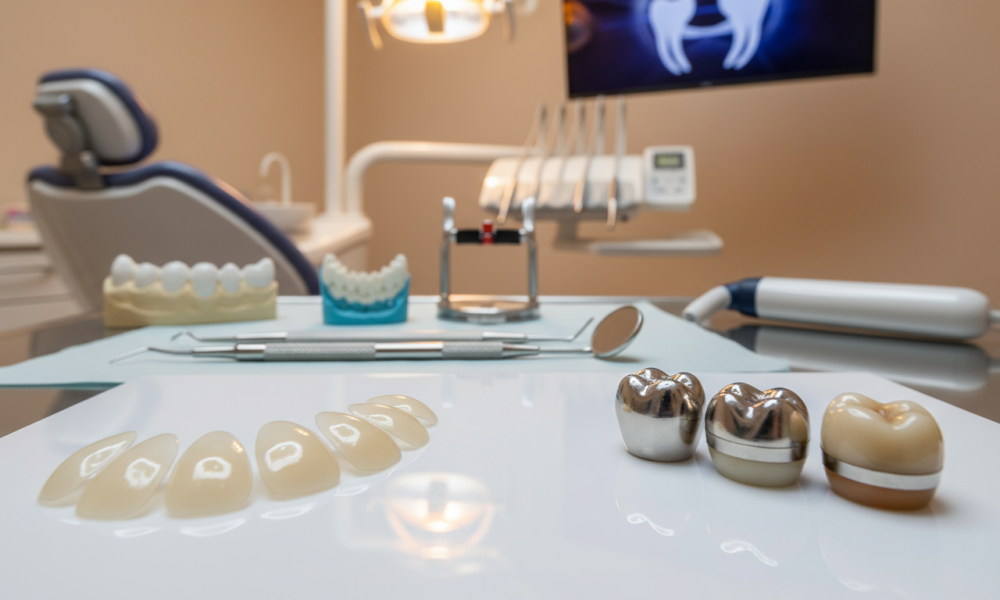
Veneers are thin porcelain sheets bonded to the front of a tooth. They suit aesthetic fixes with minimal preparation and preserve more natural tooth structure.
By contrast, crowns wrap the entire tooth. A crown gives superior support, so clinicians pick it when decay or a root canal has weakened a tooth.
Clinical evidence supports both approaches: a 2018 study reported that porcelain laminate veneers often survive 10 to 20 years with proper care.
- Veneers: best for front teeth where appearance is primary.
- Crowns: preferred for posterior teeth that face heavy chewing forces.
- Both need high-quality materials and exact placement to protect durability and longevity.
“Select the restoration that matches your bite force, smile goals, and tooth condition.”
Consulting a dentist helps patients balance strength and cosmetic goals. That choice determines how many years the restorations serve and how well your natural teeth stay protected.
Why Patients Choose Turkey for Aesthetic Dental Work
Many patients pick overseas clinics for a balance of modern care and lower costs. Reputable clinics combine skilled teams, certified labs, and proven materials to deliver predictable results.
Quality is a primary draw: zirconia and Emax options are common, and experienced dentists often use CAD/CAM workflows. That technical edge helps veneers and crowns fit precisely.
Cost matters too. Competitive pricing lets people access premium dental treatment and implants at a fraction of domestic fees. Clinics often bundle services to save time and simplify logistics.
Comfort and convenience are part of the offer. Many packages include hotel stays, transfers, and multi-day plans so patients can complete work in a few days and recover while enjoying the locale.
- Transparent quotes and clear timelines build confidence.
- Experienced teams active in global congresses keep skills current.
- The mix of affordability, tech, and service makes this destination a top choice for a new smile.
Managing Expectations for Your Dental Vacation
Planning a dental trip means balancing fast service with realistic recovery timelines and follow-up needs.
Patients should know that simple veneer work can finish in a few days, while implants often need several months for bone to integrate. Discuss the expected timeframes and staging of each procedure before you travel.
Ask your clinic for a full cost breakdown so there are no surprises. Confirm what warranty, emergency support, and follow-up visits are included in the quoted costs.
Remember: a new smile is a medical restoration. Ongoing care and periodic checks preserve results and protect health.
“Clear communication about goals and medical history is the best safeguard for a successful outcome.”
| Item | Typical timing | Why it matters |
|---|---|---|
| Veneers | Days (initial) | Fast aesthetic change; needs maintenance |
| Implants | Months (integration) | Requires bone healing; critical for longevity |
| Follow-up care | Ongoing | Prevents problems and extends service years |
- Confirm 24/7 clinic support and clear post-op instructions.
- Plan a few extra days for recovery and possible adjustments.
- Research clinics, read patient reviews, and prioritize health over cost alone.
The Impact of Parafunctional Habits on Dental Longevity
Hidden jaw habits can erode cosmetic work faster than decay or staining. Parafunctional actions such as bruxism and clenching push excessive force through veneers, crowns, and implants. This pressure shortens the expected lifespan of restorations and can damage the natural tooth beneath.
The Role of Night Guards
Wearing a custom-fitted night guard is one of the simplest, most effective protections. A well-made guard absorbs grinding forces and preserves the surface of crowns and veneers.
- Reduce wear: Guards cut the mechanical stress that chips and fractures restorations.
- Protect a root canal: A treated tooth is more brittle; a guard lowers fracture risk after a root canal.
- Maintain hygiene: Clean the guard daily—plaque still forms around work if oral hygiene lapses.
Many patients only learn they grind when a dentist spots worn enamel on a natural tooth. Early detection and simple interventions are powerful. Addressing these hidden factors early improves longevity and helps the new smile reach its full lifespan.
“A proactive approach to bite checks and timely use of night guards preserves both cosmetic results and oral health.”
Navigating the Aftercare Process for Lasting Results
Aftercare determines whether a cosmetic smile becomes an enduring success or a short-term fix. Patients who follow clear post-op steps protect both appearance and oral health.
For the first 48–72 hours, stick to a soft diet so cement can set and gums can settle. Avoid hard, sticky, or very hot foods during this time.
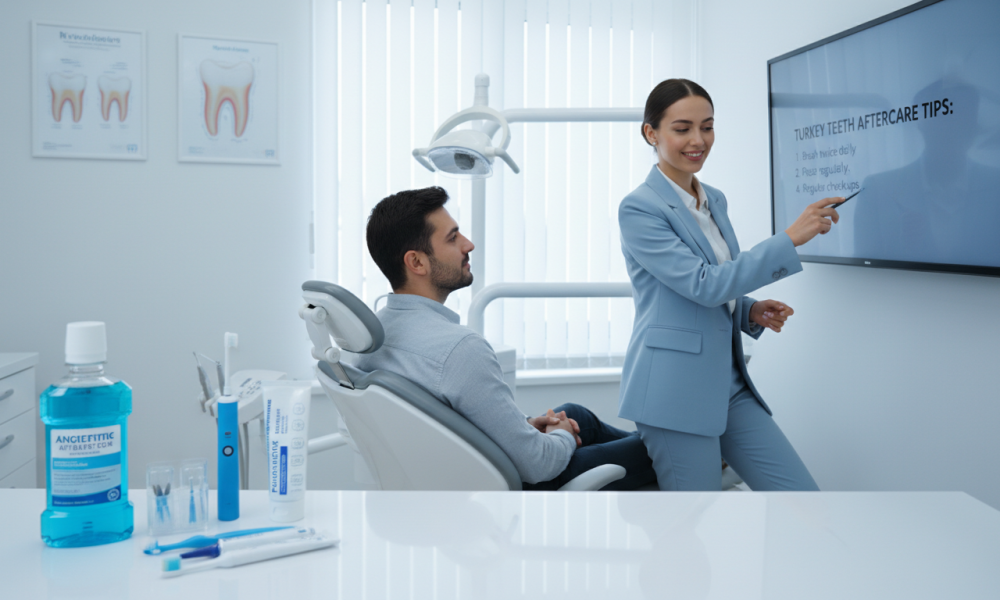
Use desensitizing toothpaste and floss gently around crowns and veneers to protect gum tissue. If a crown or veneer feels high or causes discomfort, contact the clinic right away for an adjustment.
Regular dental checkups are essential. A dentist will monitor fit, hygiene, and signs of wear. For implants and missing teeth replacements, professional cleanings reduce the risk of complications.
- Keep follow-up appointments to catch minor issues early.
- Report pain or bite changes so the clinic can correct them in days, not months.
- Accept that restorations need maintenance: repairs or replacements over the years are normal.
“High-quality aftercare and consistent hygiene make the best case for long-term success.”
| Aftercare step | Timing | Benefit |
|---|---|---|
| Soft diet | 48–72 hours | Protects cement and gums |
| Desensitizing toothpaste & careful flossing | Daily | Reduces sensitivity; protects gum margins |
| Clinic follow-up & professional cleaning | Every 3–6 months initially | Monitors restorations; prevents complications |
Conclusion
Smart planning and steady aftercare turn an aesthetic dental visit into a reliable, long-term outcome.
Patients who choose certified materials and experienced clinicians increase the chance their new smile will perform well for many years. Commit to routine checkups, a gentle diet after treatment, and daily hygiene to protect restorations.
Understanding how long turkey teeth may hold up helps set realistic expectations before travel. Treat your new restorations as an investment: timely repairs and good habits extend benefits for the last years of service.
If questions remain, contact trusted professionals for a tailored plan and clear follow-up steps. With proper care, a transformed smile can bring confidence and joy for years to come.
FAQ
What are "turkey teeth" and what do they include?
The term often refers to cosmetic dental restorations performed in Turkey, including porcelain veneers, zirconia crowns, implant-supported bridges, fixed prostheses, and full-mouth smile designs. Clinics typically combine aesthetic work with restorative procedures like root canal therapy, crowns, or dental implants to replace missing teeth and create a uniform smile.
Porcelain veneer longevity — what can patients expect?
Porcelain veneers placed by experienced dentists such as those at Clinics in Istanbul or Antalya commonly last 10–15 years with good care. Longevity depends on material quality, precise bonding, minimal tooth reduction, and consistent oral hygiene. Avoiding heavy biting forces and parafunctional habits improves lifespan.
Zirconia crown durability — typical performance over time?
High-translucency zirconia crowns from reputable labs often last 10–20 years or more. Their strength resists fractures and chipping better than some ceramics. Proper fit, accurate occlusal adjustment, and periodic dental checkups are essential to maintain function and appearance.
Which materials influence the durability of restorations the most?
Key materials include feldspathic porcelain, lithium disilicate (e.max), and zirconia. Implant components use titanium or titanium alloys. Each material balances aesthetics and strength differently: lithium disilicate offers lifelike translucency; zirconia provides superior fracture resistance. Lab craftsmanship and glazing also matter.
What common procedures are included in aesthetic dental packages?
Packages often include initial consultation, digital smile design, teeth whitening, porcelain veneers, crowns, implant placement, abutment and prosthesis fabrication, and final occlusal adjustments. Some clinics add routine scaling, temporary restorations, and a follow-up schedule.
What is involved in a "Hollywood smile" design?
A Hollywood smile uses digital planning, mock-ups, and a combination of veneers, crowns, and whitening to achieve a symmetrical, bright appearance. The process emphasizes tooth shape, alignment, proportions, and gingival contours to create an aesthetic outcome tailored to the patient.
How do implant-supported bridges compare to other solutions?
Implant-supported bridges replace multiple adjacent missing teeth without relying on natural teeth for support. They preserve bone, offer excellent function, and can last decades when implants osseointegrate successfully and the prosthesis is well-maintained.
What are fixed prosthesis solutions offered abroad?
Fixed prostheses include single crowns, multi-unit bridges, and full-arch restorations like All-on-4 or screw-retained hybrid bridges. These options provide permanent-feel replacements anchored to implants or prepared teeth, with choices in materials and lab workflows affecting longevity.
Which factors most influence the lifespan of a cosmetic dental restoration?
Critical factors include material quality, lab skill, clinician experience, occlusion management, patient oral hygiene, smoking status, diet, parafunctional habits (grinding), and regular professional care. Systemic health and past dental work, such as root canals, also affect outcomes.
Why are professional oral hygiene visits important after treatment?
Routine dental cleanings and checkups remove plaque, detect early complications, and help preserve margins between restorations and natural tooth. Scaling, polishing, and timely repairs prolong prosthesis life and protect underlying gums and bone.
How often should patients get routine checkups and scaling?
Most clinicians recommend checkups every 6 months; high-risk patients may need visits every 3–4 months. Scaling frequency depends on gum health, tobacco use, and history of periodontal disease. Follow your dentist’s personalized schedule.
What signs indicate a restoration is failing or needs attention?
Watch for persistent sensitivity, pain, looseness, visible gaps at margins, discoloration, chipping, or changes in bite. Swelling, bleeding gums, or recurring infections near treated teeth require prompt care to avoid larger problems.
How do veneers compare to crowns for long-term results?
Veneers conserve more natural tooth structure and excel for front-tooth aesthetics, typically lasting 10–15 years. Crowns encase the entire tooth and suit heavily restored or root-canal-treated teeth, often lasting 10–20 years depending on material and care.
Why do many patients choose Turkey for aesthetic dental work?
Turkey combines experienced dental teams, modern clinics, competitive pricing, and advanced labs. Many international patients appreciate coordinated care, digital planning, and the ability to pair treatment with travel. Accreditation, patient reviews, and clear communication are important when choosing a clinic.
How should patients manage expectations for a dental trip abroad?
Expect a multi-step process: planning, diagnostics, mock-ups, surgery or preparation, provisional restorations, and final prosthesis fitting. Allow time for healing, follow-up visits, and potential lab remakes. Budget for contingency costs and choose clinics offering transparent warranties and clear aftercare.
How do parafunctional habits affect restoration longevity?
Teeth grinding and clenching place excessive forces on veneers, crowns, and implants, accelerating wear, fracture, and loosening. Identifying bruxism early and treating it reduces risk to restorations and natural teeth.
What role do night guards play after cosmetic rehab?
Custom night guards cushion restorations from nocturnal grinding and distribute forces more evenly. Worn consistently, they protect prostheses, reduce chipping, and extend the service life of veneers and crowns.
What aftercare steps help ensure lasting results?
Maintain twice-daily brushing with a soft brush, daily flossing or interdental cleaning, avoid hard foods and ice, stop smoking, and attend scheduled dental visits. Use fluoride toothpaste and follow clinicians’ instructions for temporary restorations and implant hygiene.
Are warranties and follow-up care commonly offered by clinics?
Reputable clinics often provide written warranties and structured follow-up plans covering lab defects and certain complications. Warranties vary by provider and typically require adherence to recommended maintenance and verification visits.
How does cost relate to quality and longevity?
Higher initial fees often reflect superior materials, skilled dentists, and vetted laboratories, which can extend restoration life and reduce long-term repair costs. Balance price with clinic accreditation, patient outcomes, and clear communication about expected maintenance.
Related guides
How Long Does a Dental Implant Procedure Take?
Curious if the journey to a restored smile will fit your life? Many patients wonder about the full…

Best Hair Transplant in Istanbul,Turkey
Could one clinic end years of worry and restore your confidence with a clear, tailored plan?Dr. Serkan Aygin…

What is Zygomatic Dental Implant?
Could anchoring into the cheekbone restore a confident smile when the upper jaw can’t?Zygomatic dental implants offer an…