
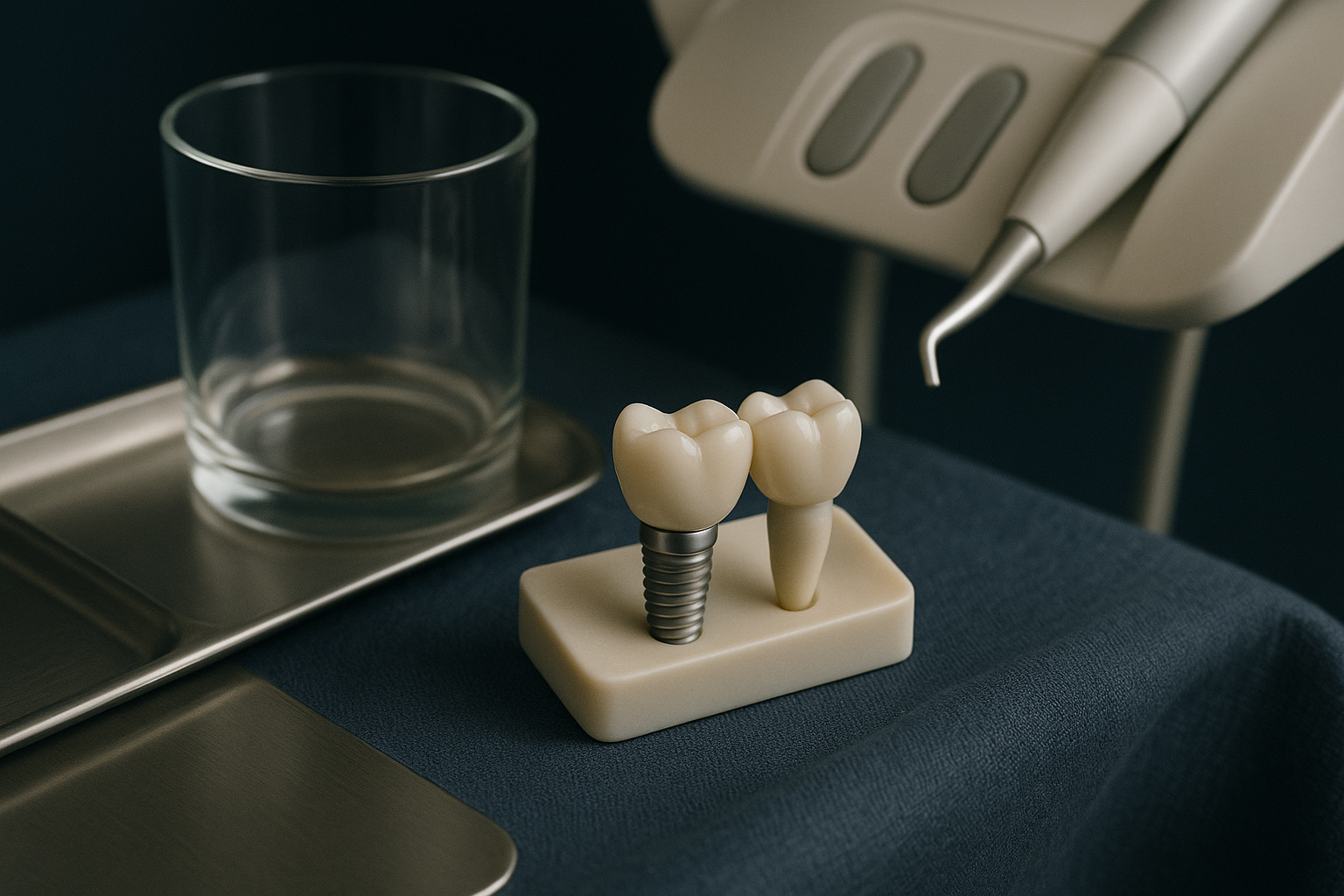
Understanding how much dental implants cost is crucial for anyone considering this procedure. Dental implants are a popular choice for replacing missing teeth, offering a permanent solution that mimics natural teeth in both appearance and function. This article explores the costs involved, factors influencing these costs, and practical steps for planning your dental treatment abroad.
How Much Do Dental Implants Cost?
The cost of dental implants can vary significantly depending on several factors. In the UK, the typical cost ranges from £1,500 to £3,000 per implant. This price usually includes the implant itself, the abutment, and the crown. However, additional procedures such as bone grafting or sinus lifts may increase the total cost by £500 to £2,000. These procedures are often necessary for patients with insufficient jawbone density, which is crucial for the stability of the implant. Bone grafting, in particular, is used to build up bone in the jaw, making it stronger and more capable of supporting the implant.
Globally, the prices can vary even more. For example, in the United States, the cost might range from $3,000 to $5,000 per tooth. In contrast, countries like Hungary or Thailand offer significantly lower prices, often between $1,000 to $2,500 per implant. These countries have become popular destinations for dental tourism due to their affordable costs and reputable clinics. Dental tourism can be a cost-effective option, but it requires careful planning and consideration of all associated costs.
It’s important to consider that while upfront costs may be lower in some countries, you should also take into account travel expenses, potential need for follow-up visits, and the qualifications of the dental professionals involved. For instance, additional travel for follow-up appointments could increase the overall cost by $500 to $1,000, depending on the distance and frequency of visits required. Additionally, the time spent away from home and any necessary accommodations should be calculated into the overall budget for dental treatment abroad.
Factors Affecting Dental Implant Costs
Several factors can influence the cost of dental implants. These include the material used for the implant and crown, the complexity of the procedure, and the dentist’s level of expertise. Titanium implants, for instance, are generally more expensive than zirconia, but they are also more commonly used due to their durability. The choice between these materials can affect not only the cost but also the overall aesthetic outcome and longevity of the implants. For example, zirconia may offer a more natural appearance for front teeth due to its tooth-like color, while titanium offers greater strength for back teeth.
The location of the dental clinic also plays a significant role. Clinics in large metropolitan areas tend to charge more than those in smaller towns or rural settings. This difference is due to higher operational costs, including rent and salaries, which are inevitably passed on to the patient. Additionally, the overall cost of living and the healthcare system in a particular country can affect pricing. For example, countries with universal healthcare systems might have different pricing structures compared to those with private healthcare models, potentially affecting patient access to dental implant services.
- Material of the implant: Titanium vs. Zirconia
- Location of the clinic: Urban vs. Rural
- Dentist’s experience and reputation: Specialist vs. General Dentist
- Additional procedures required: Bone grafts, sinus lifts
Understanding these factors can help you make an informed decision about where and how to proceed with your dental implant treatment. It is advisable to consult with multiple clinics to compare quotes and services offered, ensuring that you receive the best value for your investment. Additionally, seeking recommendations from friends or reading patient reviews can provide further insights into the quality of care and potential outcomes at different clinics.
How to Plan for Dental Treatment Abroad
If you’re considering travelling abroad for dental implants to save on costs, proper planning is essential. Start by researching potential countries and clinics, focusing on their reputation and reviews by previous patients. Look for clinics that are accredited by international bodies, such as the Joint Commission International (JCI), which ensures adherence to global healthcare standards. This accreditation can serve as a benchmark for quality and safety, helping you identify clinics that prioritize patient care.
Once you’ve selected a clinic, consult with their dental professionals to understand the full scope of the procedure, including pre-operative and post-operative care. Make sure to get a detailed quote that includes all potential costs, such as anesthesia, materials, and any additional procedures that might be necessary. This transparency will help avoid unexpected expenses and allow you to budget accurately. Moreover, understanding the full scope of the treatment can help you prepare mentally and physically for the process.
- Research accredited clinics: Ensure international accreditation
- Consultation and planning: Understand the procedure thoroughly
- Understanding all associated costs: Get a comprehensive quote
- Plan for follow-up care: Consider the need for additional visits
It’s also wise to plan for potential language barriers and ensure that you have adequate travel insurance that covers medical procedures. Language barriers can affect communication with your healthcare provider, so consider seeking clinics that cater to international patients with multilingual staff. Additionally, comprehensive travel insurance can provide coverage for medical complications, offering peace of mind during your treatment abroad. Knowing that you are covered in the event of unforeseen issues can make the experience less stressful and more manageable.
Comparing Dental Implant Costs with Other Procedures
Dental implants are just one of many procedures people consider when travelling abroad for healthcare. For example, hair transplants and IVF treatments are also popular choices. Understanding how much dental implants cost in comparison to these other procedures can help patients evaluate their financial options and prioritize their healthcare needs accordingly. Each procedure has its own set of costs, potential savings, and considerations, making it important to weigh the benefits and drawbacks carefully.
| Procedure | Typical Cost in UK | Typical Cost Abroad |
|---|---|---|
| Dental Implants | £1,500-£3,000 | £800-£2,000 |
| Hair Transplant | £4,000-£15,000 | £1,500-£5,000 |
| IVF Treatment | £5,000-£8,000 | £2,500-£6,000 |
By comparing these costs, patients can make more informed decisions about their healthcare needs and financial capabilities. For instance, while a hair transplant might be less expensive abroad, it requires multiple sessions, impacting the total cost and duration of stay. Similarly, IVF treatments often involve complex protocols and multiple cycles, which can extend the treatment period and influence the overall budget. Considering these aspects is crucial for budgeting and planning purposes.
Safety and Accreditation When Travelling for Dental Implants
Safety should be a top priority when considering dental implants abroad. Select clinics that hold international accreditations, ensuring that they meet global standards for healthcare quality and safety. Accreditation by organisations such as the International Society for Quality in Health Care (ISQua) or the Joint Commission International (JCI) provides reassurance that the clinic adheres to rigorous standards. This can give you confidence in the clinic’s ability to provide high-quality care and minimize risks.
It’s also important to verify the qualifications of the dental professionals who will be performing the procedure. Look for specialists with extensive training and experience in implantology. Many clinics offer detailed profiles of their staff, highlighting their education, certifications, and professional affiliations. Don’t hesitate to ask for this information, as it can provide insight into the level of expertise you can expect. Knowing that your practitioner is well-qualified can alleviate concerns and build trust.
Additionally, consider the clinic’s track record and patient testimonials. Positive feedback and successful case studies can offer assurance of the clinic’s capability and commitment to patient satisfaction. Remember, your health and well-being are paramount, and choosing a reputable clinic is a crucial step in ensuring a successful outcome. Thorough research and due diligence can help you select a clinic that aligns with your expectations and standards.
How to Ensure a Successful Dental Implant Experience
Success in dental implants depends not only on the procedure itself but also on post-operative care. Follow your dentist’s recommendations closely, including maintaining proper oral hygiene and attending all follow-up appointments. Proper care is essential to prevent complications such as infections or implant failure, which can occur if post-surgical instructions are not adhered to. Being diligent about your post-operative care can greatly enhance the longevity of your implants.
Consider the recovery time needed when planning your return journey. Most patients require at least a few days to recover fully before travelling home. Ensure you have a support system in place and know who to contact in case of any complications. Having a companion can also help during the recovery period, providing assistance and comfort. This can be particularly beneficial if you experience any discomfort or need help with daily activities.
By taking these steps, you can enhance the likelihood of a successful outcome and enjoy the benefits of your new dental implants for many years to come. Remember that dental implants are an investment in your health and quality of life, and thorough preparation and care can significantly impact the durability and functionality of your implants. Planning and executing each step carefully can lead to a positive and rewarding experience.
Conclusion
Understanding how much dental implants cost and the various factors involved is essential for anyone considering this procedure. By planning carefully and choosing the right clinic, you can achieve a successful outcome that improves both your oral health and quality of life. Dental implants not only restore the appearance of your smile but also enhance your ability to chew and speak, contributing to overall well-being. The long-term benefits of dental implants can make them a worthwhile investment for many individuals.
Whether you choose to have your dental implants in your home country or abroad, being well-informed will help you navigate this significant healthcare decision with confidence. Research, consult, and prepare thoroughly to ensure that your investment in dental implants is rewarded with a lifetime of benefits and satisfaction. Making informed choices can lead to optimal results and a satisfying experience, regardless of where you decide to undergo the procedure.
Proven result
20 to 200 hair-transplant patients a month from Australia
Aesthetic surgery group
Frequently asked questions
How much do dental implants cost worldwide?
Dental implants can cost between £800 to £3,000 per tooth, depending on the country and specific factors involved.
What factors influence dental implant costs?
Material, location, dentist’s experience, and additional procedures like bone grafting can affect the total cost of dental implants.
How do I plan for dental treatment abroad?
Research accredited clinics, understand all costs, plan for language barriers, and ensure you have appropriate travel insurance.
How do I ensure safety when getting dental implants abroad?
Choose clinics with international accreditation and verify the qualifications of dental professionals.
Related guides

Digital Marketing for Clinics That Drives Demand
A clinic can have exceptional physicians, advanced technology, and competitive pricing, yet still lose prospective patients before the…

How Overseas Surgery Insurance Really Works
A lower treatment quote can quickly lose its advantage if an unexpected complication extends your stay, requires emergency…

Analyzing the Medical Tourism Market: Current Trends
Quick answerThe medical tourism market is growing due to factors like cost-effective treatments, advanced medical technologies, and international…