
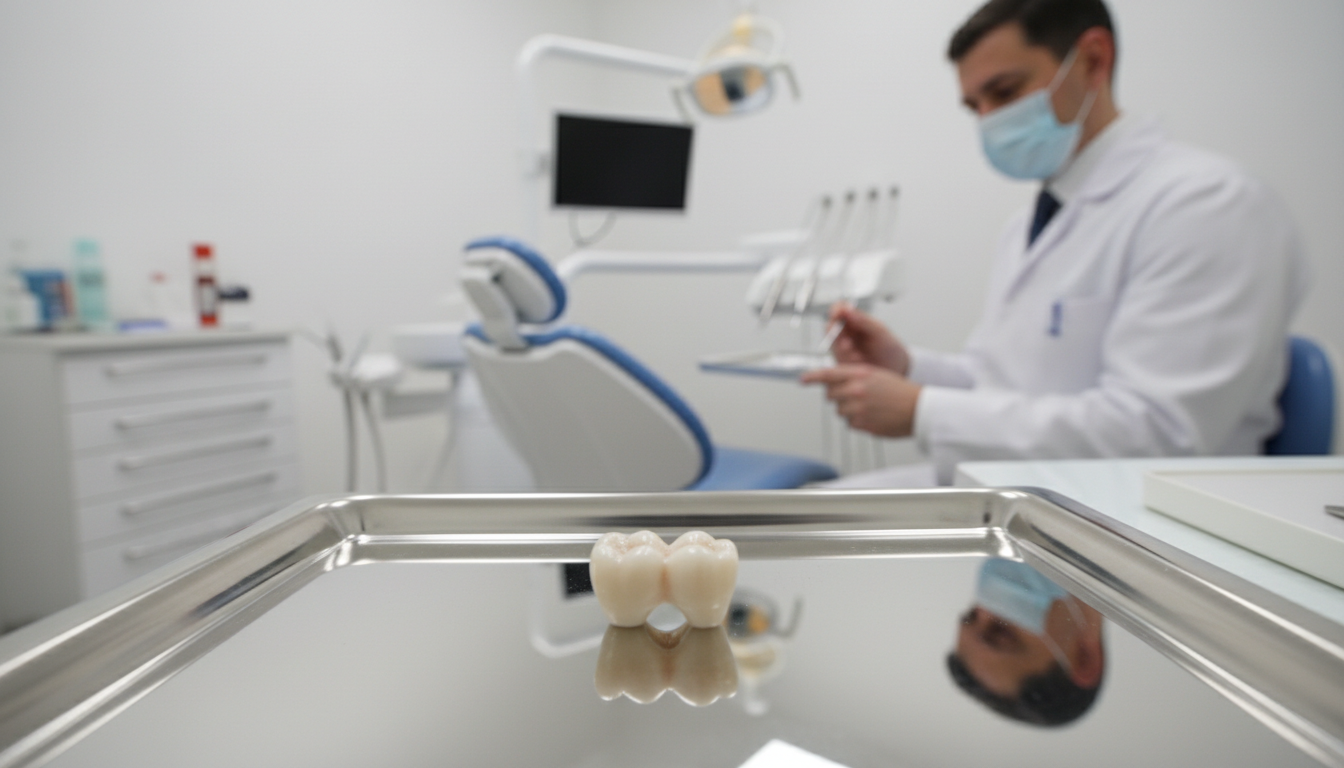
Curious whether international travel can really save you on major tooth work? Many patients from the United States and the United Kingdom are choosing to travel abroad to compare prices, quality and care. This guide explains what to expect for crowns and related treatments, including typical prices, clinic options and recovery time.
On average, a single crown runs about $125 (€115) in Turkey — a dramatic saving for those facing high local fees. Beyond price, the article highlights materials, procedure steps, and how clinics handle consultation and follow-up for international patients.
Reviewed by Dr. Erin N Erickson, DDS on 29 Dec 2025, this piece also covers the patient experience: travel time, treatment length (usually 2–7 days), and appearance improvements that boost confidence. Read on to learn how to choose reputable clinics and what questions to ask before booking.
Key Takeaways
- Average price for a crown is about $125, offering major savings for international patients.
- Typical treatment time ranges from 2 to 7 days for most procedures.
- Materials and clinic expertise affect final results and long-term care.
- Choose accredited clinics with clear consultation and follow-up plans.
- Medical tourism can combine treatment with recovery time and local support services.
Understanding the Appeal of Dental Tourism in Turkey
Turkey’s blend of modern clinics and lower living costs draws thousands seeking restorative dental care. The country’s cost of living sits about 59% below U.S. levels, which directly lowers fees for many procedures.
Thousands of patients travel each year to receive high-quality dental crowns from experienced dentists who use up-to-date equipment. Government incentives for medical tourism also encourage clinics to compete on service and follow-up care.
Patients often combine treatment with short stays, turning necessary visits into low-stress trips. Many report care that matches or exceeds what they expected at home, despite lower prices.
- Competitive clinic density pushes standards higher.
- Government support improves patient logistics and follow-up.
- Combination of tourism and treatment makes recovery pleasant.
| Feature | Why it Matters | Patient Benefit |
|---|---|---|
| Lower living costs | Reduces operational expenses for clinics | More affordable crowns and related services |
| Government incentives | Encourages higher quality and marketing | Better organized patient support and follow-up |
| High clinic density | Promotes competition and specialization | Access to experienced dentists and advanced options |
For readers comparing options, additional details on pricing and linked services are available through resources covering dental implant pricing and services. This helps patients plan budgets and timelines with confidence.
How Much Does a Dental Crown Cost in Turkey?
Selecting the right material and clinic will largely determine what you pay for a crown. The two most common options are zirconia and porcelain, each with clear pros and price differences.
Zirconia Pricing
Zirconia crowns are strong and long-lasting. In Turkey, zirconia options run at about $125 per unit. This material blends metal-like durability with a natural look for front and back teeth.
During consultation, the dentist will check for decay and recommend zirconia when strength is a priority.
Porcelain Pricing
Porcelain crowns cost around $215 in many clinics. They offer superior aesthetics for visible teeth and create a natural smile.
Porcelain may need more care but matches tooth appearance closely, making it popular for front restorations.
| Material | Average Price (USD) | Best For |
|---|---|---|
| Zirconia | $125 | Durability; back teeth; long-term wear |
| Porcelain | $215 | Aesthetic front teeth; natural appearance |
| Decision Factors | Procedure complexity, number of crowns | Consultation, dentist recommendation |
- Tip: Factor procedure complexity and travel time when planning total price.
- Note: Many turkey dental clinics provide transparent pricing to help patients plan treatment and days abroad.
Comparing Turkish Dental Prices with the United States
A direct price comparison shows why many U.S. patients consider treatment overseas.
Price gaps are dramatic. For example, PFM metal restorations start near $90 in Turkey versus about $1,100 in the United States. Emax options run roughly $250 compared with $2,000 back home.
Even porcelain work can cost far less abroad. A porcelain crown priced at $215 in Turkey may carry an $1,800 price tag in the U.S. These differences translate to real savings on teeth restoration.
Clinics in major Turkish cities use the same lab technology and materials as many U.S. centers. That helps ensure durable, aesthetic crowns while keeping price and overall treatment budgets low.
- Up to 92% savings for some PFM procedures.
- Many patients save thousands even after travel and lodging.
- Transparent pricing lets you compare materials and clinic options before booking.
| Material | Turkey (USD) | United States (USD) |
|---|---|---|
| PFM (metal) | $90 | $1,100 |
| Emax | $250 | $2,000 |
| Porcelain | $215 | $1,800 |
Factors Influencing the Price of Dental Crowns
Location and clinic profile shape what patients will pay for restorations abroad. Istanbul, Izmir, and Antalya lead the market for dental crowns turkey, offering many clinic choices and strong competition.
The local cost base matters: lower labor and property prices let clinics set more modest prices while maintaining quality care. When clinics cluster in major cities, patients benefit from better services and transparent pricing.
Procedure complexity and tooth decay depth affect the final price. Materials and technology also matter: premium materials add to the invoice, while digital scans and modern labs improve fit and longevity.
- Clinic city and reputation influence daily rates and follow-up services.
- The dentist’s experience and consultation hours are part of the total price.
- Travel days and recovery time factor into overall treatment planning.
Tip: Ask clinics for a full breakdown—consultation, materials, lab fees and aftercare—so you can compare true prices and expected outcomes.
| Factor | How It Changes Price | What Patients Gain |
|---|---|---|
| Clinic Location | Urban hubs may charge more per visit but offer competitive packages | Access to experienced dentists and labs |
| Materials & Technology | Premium materials and digital workflows raise fees | Better fit, appearance and longevity |
| Procedure Complexity | Extensive decay or prep increases time and cost | Custom treatment and durable results |
Popular Materials Used for Dental Crowns
Different materials shape how a crown performs and how it looks. Patients choose based on tooth location, budget and long-term goals.
PFM Crowns
PFM blends a metal base with porcelain overlay. This mix gives strong bite support and a natural look for many teeth.
PFM is often chosen when durability matters and cost control is needed.
Emax Crowns
Emax crowns use lithium disilicate for excellent translucency. They suit front teeth where the appearance of every tooth counts.
These crowns balance strength and lifelike shading for a natural smile.
Full Ceramic Crowns
Full ceramic options are metal-free and biocompatible. They reduce allergic risks and can match nearby teeth closely.
Zirconia is another ceramic-based choice that adds toughness for back crowns while keeping good appearance.
“Choosing the right material ensures the restoration feels natural and lasts longer.”
- Tip: Discuss materials with your clinic to match function and look.
- Each material has trade-offs; the dentist will advise the best fit for your tooth.
| Material | Key Benefit | Best For |
|---|---|---|
| PFM | Strength with porcelain finish | Back and mixed-use teeth |
| Emax | High aesthetics, good strength | Front teeth |
| Full ceramic / Zirconia | Metal-free, biocompatible, very durable | Patients preferring no metal; both front and back |
The Procedure for Getting Crowns in Turkey
For those planning restorative work abroad, the crown workflow in Turkey balances speed with precision.
Most treatments finish within 2–7 days. On the first visit, the dentist removes any decay, shapes the tooth, and takes digital impressions. This sets the stage for a well-fitting dental crown.
Many clinics use CEREC or similar systems. Same-day crowns can be milled and placed during one visit, which shortens travel and recovery time.
The lab crafts the final piece to match color and shape, then the dentist fits it and checks bite and comfort. If dental implants are needed, clinics coordinate schedules so related treatments align smoothly.
- Quick timeline: typical cases, 2–7 days; CEREC, same day.
- Comfort and fit: digital scans improve accuracy.
- Clear instructions: partner clinics provide step-by-step care for patients.
“Precision at each step—prep, scan, fabrication, and placement—makes the result durable and natural.”
Comparing Dental Crowns and Veneers
Deciding whether to cap a damaged tooth or to veneer its front surface shapes long-term results.
Dental crowns cover the entire tooth. They restore strength and protect teeth after root canal therapy or severe fractures. Crowns can be metal-based or all-porcelain depending on function and appearance.
Veneers sit on the front of teeth. They are minimally invasive and best for changing color, closing small gaps, or improving shape. Veneers focus on looks rather than deep repair.
When to Choose Crowns Over Veneers
- Extensive damage: If decay or a crack compromises tooth structure, a crown offers full protection.
- After root canal: A tooth that had root canal work often needs the support of a crown.
- Back teeth: For molars that endure chewing force, crowns provide durable coverage.
- Aesthetic-only issues: If the goal is color or small-gap correction, veneers are less invasive.
“Choosing the right option depends on tooth health, function, and the desired appearance.”
| Option | Best Use | Typical Material |
|---|---|---|
| Full crown | Severe decay, cracked tooth, post-root canal support | Zirconia, porcelain-fused-to-metal, full porcelain |
| Veneer | Color change, small gaps, minor chips | Porcelain, composite |
| Decision Factors | Tooth health, bite forces, cosmetic goals | Consultation with clinic and dentist |
Selecting the Best Dental Clinic for Your Needs
Picking a trustworthy clinic is the single best step toward a smooth, successful restoration.
Look for ISO-certified facilities in Istanbul, Izmir or Antalya. Certification signals consistent safety standards and clear protocols. Clinics with long-standing teams and dentists who have over ten years of experience tend to deliver predictable results.
Ask about technology during your consultation. Modern CAD/CAM systems speed fabrication and improve fit for each crown. A clinic that shows digital scans and lab workflows often means fewer visits and better long-term care.
Request a full price breakdown and warranty details before booking. Reputable clinics list services, follow-up plans, and any airport transfer or free consultation options to support international patients.
- Check reviews and verified patient feedback.
- Confirm dentist credentials and specialty experience.
- Verify lab partnerships and technology used for fabrication.
“Choosing a clinic that prioritizes patient needs makes treatment easier and protects your smile.”
Evaluating the Expertise of Turkish Dentists
Evaluating clinician credentials helps patients choose reliable care for long-term smile health. Many dentists in Turkey complete international courses and join global associations, which speaks to ongoing learning and proven standards.
Clinics often staff teams where each dentist focuses on specific treatments—restorative work, implant placement, or cosmetic shading. This specialization improves outcomes for a dental crown and related procedures.
Experience matters: many practitioners have over ten years of hands-on work. That depth of practice helps with precise tooth preparation, fitting, and final adjustments that affect durability and appearance.
- Check memberships in associations like the British Academy of Cosmetic Dentistry.
- Ask for before-and-after photos and patient references for similar crown work.
- Confirm clinic technology—digital scans and in-house labs reduce errors and rework.
“Choosing a dentist with proven experience is the single best step toward a beautiful, functional smile.”
| What to Verify | Why It Matters | Patient Benefit |
|---|---|---|
| International training | Updated protocols and techniques | Higher quality treatment and predictable results |
| 10+ years experience | Clinical judgment and refined skills | Better fit and longer-lasting crowns |
| Specialist teams | Focused expertise across procedures | Comprehensive care and smoother treatment flow |
Essential Aftercare Tips for Long-Lasting Crowns
Most crowns stay functional for decades when patients follow basic home care. Good habits protect the margin where the restoration meets the tooth and cut the risk of decay.
Daily Hygiene Practices
Brush twice daily with a soft brush and fluoride paste. Floss once a day to remove plaque at the gum line.
Regular check-ups let your dentist spot early wear. A 1,037-unit study found about 61.8% lasted 20 years with proper maintenance.
Foods to Avoid
Avoid hard and sticky items during the first days after the procedure. These foods strain porcelain or metal-based restorations and can loosen cement.
If you grind your teeth, use a night guard to reduce wear. Also, limit extreme hot or cold drinks until sensitivity eases.
- Schedule regular visits to monitor fit and health.
- Contact your clinic right away for any discomfort or changes.
- Follow post-op instructions to protect appearance and function over time.
“Simple, consistent care makes the difference between short-lived fixes and decades of reliable function.”
Understanding the Role of Advanced Dental Technology
Digital workflows have transformed how clinics plan and place crowns for predictable results.
CAD/CAM systems and CEREC digital impression devices let the dentist capture exact tooth anatomy without messy molds. This precision reduces chair time and cuts the need for multiple adjustments after placement.
Smile design software helps patients preview the final smile before treatment starts. Seeing a simulated outcome builds confidence and aligns expectations between patient and team.
Modern technology also helps pick the best materials for each case. Digital shade matching and milling produce crowns with consistent fit and natural appearance. Clinics that invest in these tools deliver faster treatment and durable restorations.
“When technology guides planning and fabrication, patients get more accurate work and a smoother recovery.”
- Faster care: fewer visits thanks to same‑day milling and precise scans.
- Better fit: CAD/CAM fabrication minimizes adjustments.
- Predictable results: smile design aligns esthetics and function.
For patients seeking reliable treatments, choosing clinics that prioritize technology improves the overall experience and the long‑term success of crowns turkey provides.
Travel Logistics and Medical Tourism Benefits
Planning travel for a dental crown trip often proves simpler than expected. Many clinics offer free airport pick-up and drop-off to welcome international patients and reduce stress on arrival.
UK visitors can stay up to 90 days without a visa, which makes scheduling consultation and follow-up visits easier. This flexibility helps patients combine treatment and short recovery time with sightseeing.
Clinics commonly sell all-inclusive packages that bundle treatment, hotel nights, transfers and local support. These packages simplify budgeting and cut hidden costs from separate bookings.
- Time-efficient care: many crown procedures finish within a few days, leaving ample time to explore cities like Istanbul or Antalya.
- English-speaking teams: translators and staff ensure clear consultation and follow-up instructions for patients from the United States and the UK.
- Cost and quality: turkey dental clinics provide affordable prices and access to modern technology for dependable treatment and follow-up care.
“Choosing clinics that handle travel logistics and aftercare eases the entire experience.”
Conclusion
Choosing care abroad can deliver major savings without sacrificing quality. Many readers find lower prices and clear packages help plan budgets and travel days with confidence. This article shows typical dental crowns pricing and what to expect from reputable teams.
Options like zirconia and porcelain let patients match strength with appearance. These types often cost far less than home-country care while meeting strict standards.
Expert clinicians and modern labs support reliable work and longer-lasting results. Simple aftercare keeps restorations performing well and protects oral health and your smile.
Research partner clinics, compare packages, and schedule a consultation to start treatment. For many, dental crowns turkey offers a smart balance of quality, value and peace of mind.
FAQ
What is the typical price range for a zirconia crown in Turkey?
Prices for zirconia restorations vary by clinic and region, but many patients report paying between 0 and 0 per tooth. Factors such as the lab quality, dentist experience, and included services (consultation, temporary crown, follow-up) change the final figure.
How much do porcelain crowns usually cost when treated in Turkish clinics?
All-ceramic and porcelain-fused-to-metal options commonly range from 0 to 0 per tooth. High-end ceramic systems and custom shading may push prices higher, while package deals for full-mouth work can bring per-tooth rates down.
Are Turkish rates lower than those in the United States?
Yes. Many people find prices in Turkey substantially lower—often 50–70% less—thanks to lower overhead and competitive dental tourism markets, while maintaining care standards comparable to many U.S. clinics.
Which factors most influence the final price for a crown?
Cost depends on material choice, clinic location, clinician expertise, lab workmanship, and any preparatory treatments such as root canal therapy or extractions. Travel, accommodation, and post-op visits also affect total expense.
Does clinic location inside Turkey affect pricing?
Yes. Clinics in Istanbul, Ankara, and coastal tourist cities often charge more than practices in smaller towns. Larger metropolitan centers usually offer more advanced technology but at a premium.
What is the price difference between PFM, Emax, and full-ceramic crowns?
PFM crowns tend to be the most affordable. Emax (lithium disilicate) and full-ceramic options cost more due to superior aesthetics and strength. Expect PFM at the lower end, Emax and full ceramic at mid to higher ranges.
How long does the crown procedure take when visiting Turkey?
Typically, treatment requires two visits over 7–14 days: initial assessment, tooth preparation and impressions, then fitting and cementation after the lab makes the restoration. Some clinics offer same-week or CAD/CAM single-visit options.
When are crowns a better choice than veneers?
Crowns suit teeth with significant decay, large fillings, fractures, or after root canal therapy. Veneers work for minor aesthetic improvements. A dentist evaluates tooth structure, bite, and long-term prognosis to recommend the right option.
How can patients choose a reliable clinic for restorative work?
Look for verified patient reviews, before-and-after photos, clear treatment plans, international patient services, and transparent pricing. Ask about the dentist’s credentials, lab partnerships, and warranty or follow-up care policies.
What should patients check to assess a dentist’s expertise?
Verify professional qualifications, membership in dental associations, experience with the chosen materials, and continuing education. Request case studies or references and confirm that the clinic uses accredited labs and modern imaging technology.
What daily care helps crowns last longer?
Maintain regular brushing and flossing, use a non-abrasive toothpaste, and include interdental cleaning. Attend scheduled checkups and report sensitivity or looseness promptly to prevent complications.
Which foods should be avoided after getting a crown?
Avoid hard, sticky, or very chewy foods for at least a week. Steer clear of ice-chewing, hard candies, and overly crunchy items to reduce the risk of fracture or dislodgement while the crown settles.
How does modern dental technology affect treatment outcomes?
CAD/CAM milling, digital impressions, and 3D imaging improve fit, reduce chair time, and enhance aesthetics. Clinics that use these technologies often achieve more predictable results and faster turnaround.
What travel logistics should international patients plan for?
Arrange passport and visa requirements, coordinate appointment schedules to allow for follow-up visits, and book accommodation near the clinic. Many clinics offer airport transfers and concierge services to simplify the trip.
Are warranties or guarantees commonly offered by Turkish clinics?
Many clinics provide limited warranties covering laboratory defects or improper fit, often requiring documented follow-up care. Patients should get warranty terms in writing and clarify what is and isn’t included.
Can crowns be matched exactly to natural teeth color?
Yes. Skilled technicians use shade guides and digital photography to match adjacent teeth. High-quality ceramics like Emax or layered zirconia allow superior color matching and translucency for a natural look.
Is it safe for cancer patients or survivors to get crowns in Turkey?
Patients with a cancer history should share medical records and oncology clearance before treatment. Many clinics coordinate with medical teams to adapt care plans, ensuring safe timing and tailored protocols for healing and infection control.
How soon can normal activities resume after crown placement?
Most patients resume normal activities within 24–48 hours. Minor sensitivity or soreness can persist briefly. Follow the dentist’s guidance on eating and oral hygiene to support healing and crown longevity.
Related guides
How Long Does a Dental Implant Procedure Take?
Curious if the journey to a restored smile will fit your life? Many patients wonder about the full…
Best Hair Transplant in Istanbul,Turkey
Could one clinic end years of worry and restore your confidence with a clear, tailored plan?Dr. Serkan Aygin…
What is Zygomatic Dental Implant?
Could anchoring into the cheekbone restore a confident smile when the upper jaw can’t?Zygomatic dental implants offer an…