

Could a single procedure free you from a lifetime of buying glasses and contact solutions?
For nearly three decades, Veni Vidi Göz has cared for eyes across 11 centers in five cities. Patients often ask about the true price and the long-term value of a permanent vision solution.
Understanding the full cost means comparing upfront surgical price with years of spending on glasses and contact supplies. Many find the initial investment offset by the savings and the daily convenience of clearer vision.
This guide offers clear information so readers can weigh price against life-changing benefits. The clinic aims for transparent answers that help you make a confident, informed decision about eye health today.
Key Takeaways
- Veni Vidi Göz brings 29 years of eye care experience across multiple centers.
- Compare upfront price with long-term spending on glasses and contact supplies.
- Many patients recoup the cost through years without prescription eyewear.
- Transparent information helps you make a confident decision about vision care.
- Consider daily convenience and improved vision alongside financial value.
Understanding the Technology Behind Smart Lenses
Modern intraocular devices combine optics, materials, and diagnostics to restore clearer vision.
Veni Vidi Göz has treated more than 120,000 patients with advanced lenses, giving strong clinical data on outcomes. The team evaluates each eye to match a specific model and features to the patient’s daily needs.
Types of Intraocular Lenses
Basic monofocal devices correct distance vision and may still require glasses for reading. Multifocal and trifocal lenses split focus across distances, reducing reliance on frames.
Premium models include adaptive optics and precise materials. Modern electronics and precision engineering improve the long-term quality and power stability of these devices.
Benefits of Trifocal Technology
Trifocal technology gives clear vision at far, intermediate, and near distances. Many patients report less need for glasses and a smoother daily routine.
- Over 120,000 treated demonstrates consistent service and reliable outcomes.
- Trifocal design mimics the natural eye to deliver clear focus at every distance.
- Clinical data shows higher patient satisfaction and improved quality of life.
| Type | Primary Benefit | Best For |
|---|---|---|
| Monofocal | Sharp distance vision | Patients who wear reading glasses |
| Multifocal | Multiple focal zones | Active lifestyles needing less frame use |
| Trifocal | Clear near, mid, far focus | Those seeking freedom from glasses |
How Much Does Smart Lens Cost?
Estimating the final price begins with a detailed eye exam and a frank conversation about needs.
Determining the exact price requires a thorough exam of your eye structure performed by experienced ophthalmologists. They review your prescription, measurements, and overall eye health to recommend the best lens option.
Many patients find the cost worthwhile when they compare it to years of buying glasses and contact supplies. Choosing a permanent device can reduce ongoing costs and daily hassle.

- Exact pricing depends on lens type, prescription, and clinical findings.
- Call our center at 444 0 481 for current pricing and campaign information.
- The team explains options and total costs so patients can make an informed purchase.
Veni Vidi Göz offers a wide range of solutions to match different lifestyles. The staff guides patients through pricing, expected benefits, and long-term value so each person leaves with clear information.
Factors That Influence Your Final Price
The total amount you pay reflects a mix of clinical choices and personalized care.
Clinical expertise and facility standards shape much of the final price. Experienced surgeons, accredited operating rooms, and strict sterilization raise the standard of safety. Those elements increase the upfront price but lower the risk and improve outcomes over time.
Customization of lens selection is another major factor. Choosing a specific lens model to match your eye and prescription requires careful planning. Premium models or particular brands will add to the overall cost, while basic devices cost less.
Additional diagnostic testing such as biometry and corneal topography provides essential data. These tests refine the device fit and visual plan. Advanced measurements can raise the diagnostic fees but improve the chance of excellent vision and fewer follow-ups.
- Brand and model choices affect pricing and long-term value.
- Procedure complexity and patient-specific factors change total costs.
- Financing plans help spread payments across years for accessibility.
Investing in higher-quality technology and expert service supports better vision outcomes and fewer glasses or contact supplies over time. Patients gain clarity and long-term health benefits when care is tailored and precise.
The Surgical Process and Recovery Timeline
Surgical precision and clear instructions shape a smooth recovery for most patients.
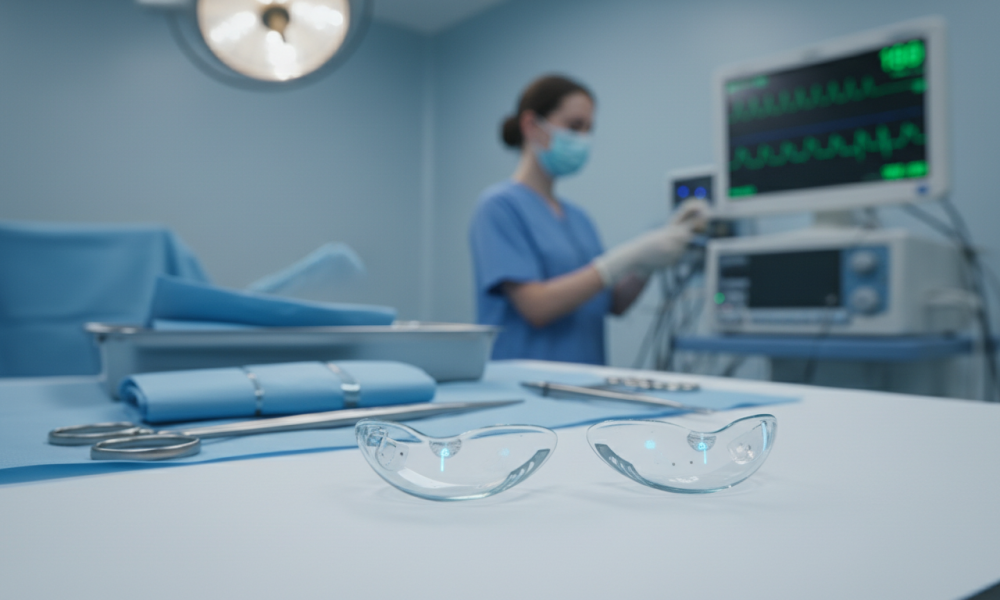
The surgical process is remarkably efficient. Each eye typically takes only 5 to 10 minutes to treat with high precision.
After the procedure, healing continues over weeks. Expect a gradual improvement and a recovery time of about 8 to 12 weeks.
Post-Operative Care and Expectations
Follow the prescription for eye drops closely. Drops protect the eye and support the best possible quality of vision.
Avoid rubbing your eye and wear polarized glasses outdoors to shield against sun and wind. These simple steps reduce irritation and help recovery.
- The care team answers questions about your prescription and the recovery process.
- Attend all follow-up visits so clinicians can monitor healing and adjust care.
- Use protective gear as directed and keep a steady recovery schedule to support long-term life improvements.
Most patients return to regular activities without glasses or contact routines once healing stabilizes. Clear guidance and consistent care make that transition safer and faster.
Determining if You Are a Candidate for Treatment
Not every pair of eyes is suited for every implant; a careful evaluation identifies the best path to clearer vision.
A candidacy assessment begins with a full review of vision history and medical data. The team examines your prescription and eye structure to see which lens model fits best.
Most patients aged 40 and over find this option helpful for age-related changes. The process checks for corneal health, pupil size, and any conditions that affect long-term quality.
- Review of prescription and previous corrective device use
- Detailed diagnostic tests to confirm fit and power
- Discussion of daily needs, work, and glasses dependence
- Selection of a branded model that meets safety and service standards
Patients who have worn glasses for years often reach a life-changing point with this technology. By assessing candidacy now, you take the first step toward fewer frames and clearer daily vision.
Conclusion
Deciding on a permanent vision treatment requires clear facts and calm reflection.
Gather reliable information and list your questions. Talk with your doctor so you understand the steps, risks, and expected recovery.
Your eye health is central to daily comfort. Choosing the right path can improve quality of life for years and ease routine tasks.
The team stands ready to support every stage of the journey. They provide guidance, follow-up care, and honest answers so patients feel secure.
Thank you for trusting this center with your vision and for taking the time to learn about these life-changing options.
FAQ
What is included in the price of an intraocular smart lens implant?
The typical package covers the lens device, preoperative assessments, surgeon and anesthesia fees, and standard postoperative visits. Advanced diagnostic tests, premium lens models with trifocal or extended depth-of-focus optics, and any required medications or enhancements may add to the total. Patients should request a detailed estimate from their ophthalmology clinic that lists each line item.
What types of intraocular lenses are available and how do they differ in pricing?
Options include monofocal, multifocal, trifocal, and extended depth-of-focus lenses, plus toric models for astigmatism. Premium lenses that aim to reduce dependence on glasses—such as trifocal or accommodating designs—carry higher upfront costs because of advanced optics and manufacturing. Toric correction and customized wavefront-guided lenses also increase price due to specialized measurements and fitting.
Are there ongoing costs after the lens implant procedure?
Ongoing expenses can include prescription eyewear for activities where lenses don’t fully correct vision, occasional follow-up diagnostics, and rare enhancement procedures. Electronic or connected lens prototypes may require charging accessories and software services. Most standard intraocular lenses do not need replacement and provide long-term vision stability.
How do surgeon experience and facility choice affect the final price?
High-volume surgeons and accredited surgical centers often charge more, reflecting specialist expertise, established safety protocols, and better equipment. Hospitals tend to have higher facility fees than ambulatory surgery centers. Choosing a clinic with a strong track record can improve outcomes, but patients should balance cost with quality and available support services.
Will insurance cover part of the procedure or device?
Medicare and many private insurers commonly cover basic cataract surgery when medically necessary, typically paying for a standard monofocal lens and the surgical procedure. Premium or enhanced lenses, elective refractive upgrades, and cosmetic options usually require out-of-pocket payment. Verify coverage with your insurer and obtain preauthorization when possible.
What diagnostic tests might increase the price before surgery?
Advanced imaging such as optical coherence tomography (OCT), corneal topography, aberrometry, and biometry for lens power calculations can raise preoperative costs. These tests improve lens selection and reduce the need for later enhancements, making them valuable investments for personalized care.
How long does the surgical process and recovery take, and does that affect cost?
The procedure itself often takes 15–30 minutes per eye as an outpatient surgery, with same-day discharge. Recovery includes several follow-up visits over weeks to months. Extended recovery or complications can add follow-up care costs. Choosing experienced providers and following postoperative instructions reduces the chance of added expense.
Are certain patients better candidates for premium lenses, and does that influence pricing?
Ideal candidates have stable eye health, minimal corneal irregularities, and realistic expectations. Patients with significant macular disease, severe dry eye, or uncontrolled glaucoma may not benefit from premium optics. Preoperative screening helps determine suitability; selecting an appropriate candidate avoids unnecessary costs and improves satisfaction.
Do newer augmented-reality or electronic lens prototypes change price expectations?
Emerging augmented-reality and electronically enabled lenses that incorporate displays or sensors remain experimental and command higher development and device costs. These models may include ongoing service fees, battery or charging accessories, and data management. Most of these technologies are currently in clinical trial stages rather than wide commercial release.
How should a patient compare quotes from different providers?
Request itemized quotes that separate lens type, facility fee, surgeon fee, anesthesia, diagnostics, and follow-up care. Ask about warranty or enhancement policies, complication coverage, and whether financing options exist. Comparing outcomes, published complication rates, and patient reviews helps assess value beyond price alone.
Can customization of lens selection affect long-term quality of life?
Yes. Proper customization—matching lens optics to visual needs and ocular anatomy—can reduce dependence on glasses, enhance contrast sensitivity, and improve overall satisfaction. Investing in precise measurements and the right lens model often yields better functional outcomes that benefit daily activities and independence.
Are there payment plans or financing for premium lens options?
Many clinics and third-party medical lenders offer financing plans to spread payments over months or years. Some providers include in-house payment options or credit card plans. Patients should review interest rates, total repayment, and any prepayment penalties before committing.
What should patients ask during the consultation to clarify pricing and outcomes?
Ask which lens models are recommended and why, what tests are required, what’s included in the quoted price, expected postoperative vision, potential need for enhancements, and complication rates. Inquire about surgeon experience with the chosen lens, and request patient testimonials or before-and-after data when available.
Related guides
How Long Does a Dental Implant Procedure Take?
Curious if the journey to a restored smile will fit your life? Many patients wonder about the full…

Best Hair Transplant in Istanbul,Turkey
Could one clinic end years of worry and restore your confidence with a clear, tailored plan?Dr. Serkan Aygin…

What is Zygomatic Dental Implant?
Could anchoring into the cheekbone restore a confident smile when the upper jaw can’t?Zygomatic dental implants offer an…