
ICSI IVF is a breakthrough in fertility treatments, providing hope to many couples experiencing infertility. This article explores the ICSI IVF procedure, its costs, success rates, and safety considerations, offering a comprehensive guide for prospective international patients.
What is ICSI IVF?
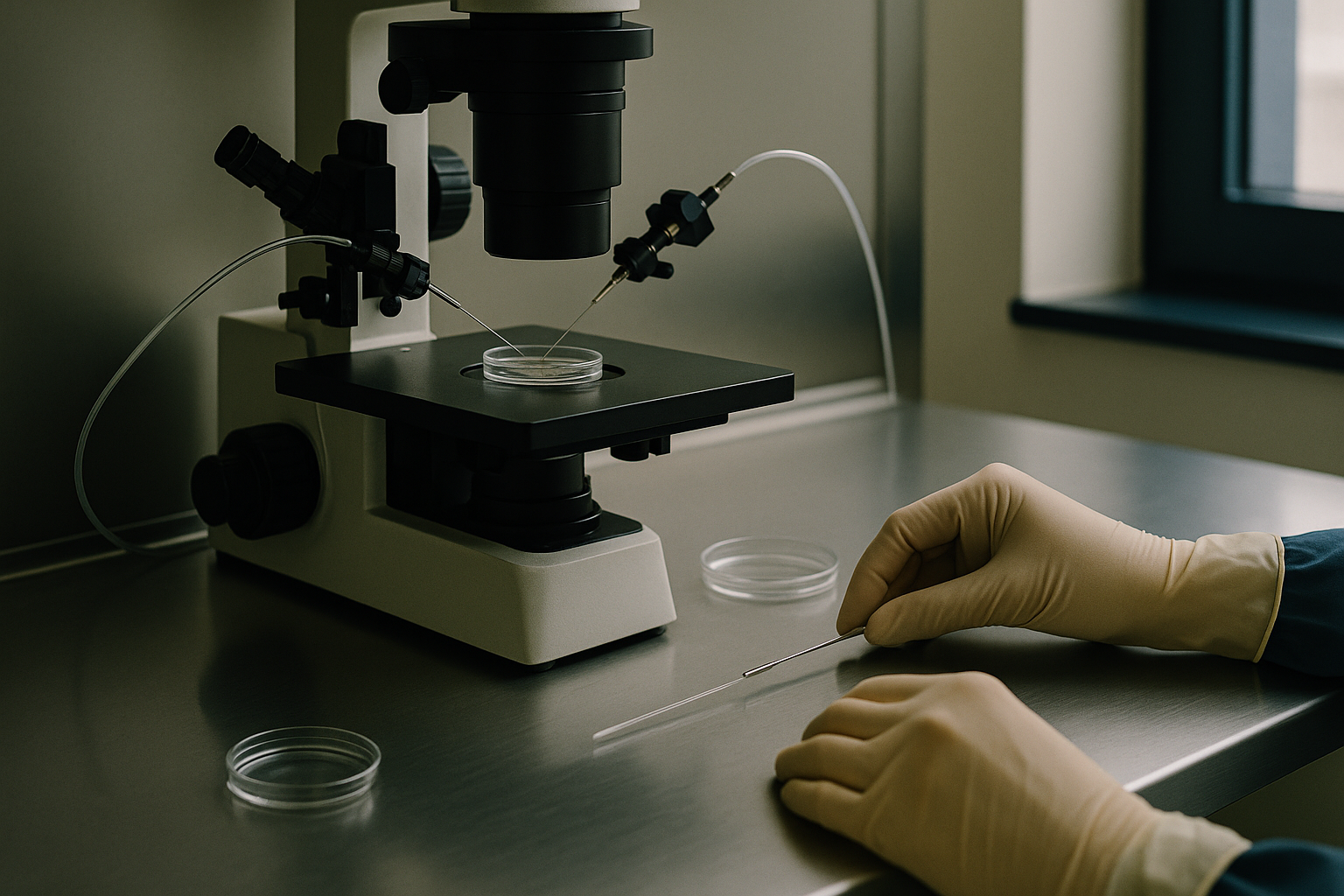
ICSI IVF, or Intracytoplasmic Sperm Injection In Vitro Fertilisation, is a specialised fertility treatment. It involves injecting a single sperm directly into an egg to facilitate fertilisation. This technique is particularly beneficial for couples where male infertility is a factor, such as low sperm count or motility issues. The process is carried out in a laboratory setting under the supervision of skilled embryologists, ensuring precision and care. The meticulous nature of the procedure requires state-of-the-art facilities and highly trained staff, making it an advanced option for those facing infertility challenges.
ICSI IVF has become a popular choice for many due to its targeted approach, offering a higher chance of success compared to conventional IVF in certain cases. For instance, in cases where the sperm has difficulty penetrating the egg, ICSI provides a direct method of fertilization that bypasses this barrier. Additionally, ICSI can be beneficial when previous IVF cycles have failed, offering a different strategy that might lead to successful outcomes. Understanding the nuances of this procedure can help in making informed decisions about your fertility treatment journey, considering both the potential benefits and the complexities involved.
Moreover, the success of ICSI IVF often depends on various factors, including the quality of the sperm and eggs, and the laboratory conditions where the procedure is performed. The choice of clinic and the expertise of the embryologists play a significant role in the success rates of ICSI procedures. Thus, couples considering this treatment should research and select clinics with proven track records and high standards of patient care. This ensures not only the best possible outcomes but also a supportive environment throughout the treatment process.
How Much Does ICSI Treatment Cost?
The cost of ICSI IVF varies significantly across different countries and clinics. On average, the cost ranges from $3,000 to $8,000 per cycle, excluding medication and additional procedures. Factors influencing the cost include the clinic’s location, expertise, and the complexity of the treatment required. Prospective patients should anticipate additional costs for medication, which can range from $1,000 to $5,000. In some regions, such as the United States, the cost might be on the higher end due to advanced medical facilities and experienced professionals.
It’s crucial to consult with multiple clinics to understand the breakdown of costs and what is included. Some clinics offer packages that cover multiple cycles, while others might charge separately for each service. Comparing these options can help manage expenses effectively. Additionally, some insurance plans may cover part of the treatment costs, so it’s beneficial to review your policy or speak with your provider to understand your coverage. Patients should also inquire about payment plans or financial assistance programs offered by clinics to ease the financial burden.
When considering the cost, it’s also important to factor in potential travel expenses if you are considering treatment abroad. Some countries offer significantly lower prices for ICSI IVF, which can be appealing; however, the costs of travel, accommodation, and time away from work should be calculated into the overall budget. Furthermore, understanding the success rates relative to the cost is essential, as opting for a more expensive clinic with higher success rates might ultimately be more cost-effective if it reduces the number of cycles needed to achieve a pregnancy.
Understanding the ICSI Procedure
The ICSI procedure is a meticulous process that begins with ovarian stimulation to produce multiple eggs. This step is crucial as it increases the number of eggs available for fertilization, improving the chances of successful embryo development. Once the eggs are retrieved, a single sperm is selected and injected directly into each egg using a fine needle under a microscope. This requires not only precision but also the expertise of a skilled embryologist to ensure the best sperm is chosen for injection.
Once the fertilisation is successful, the fertilised eggs, or embryos, are cultured for a few days in a controlled laboratory environment. During this period, embryologists monitor the embryos for quality and development. After 3 to 5 days, the most viable embryo(s) are selected and transferred to the uterus in a straightforward procedure known as embryo transfer. This step is critical and requires careful timing and coordination to maximize the chances of implantation and pregnancy.
This procedure requires advanced laboratory equipment and skilled professionals to ensure the highest chance of success. The use of ICSI is recommended in cases where traditional IVF may not be effective, such as severe male infertility or previous IVF failures. Additionally, comprehensive pre-treatment assessments and tests are conducted to tailor the procedure to the specific needs of the patient, ensuring personalized care and attention. This can include genetic testing of embryos and other advanced techniques to further enhance the likelihood of a successful outcome.
ICSI Fertility Success Rates
Success rates for ICSI IVF can vary depending on several factors, including the age of the female partner, the cause of infertility, and the quality of the sperm and eggs. On average, the success rate for ICSI IVF is comparable to traditional IVF, with a live birth rate of 40-45% per cycle for women under 35. However, as women age, the success rates generally decrease, making it crucial for patients to consider age-related factors when planning their treatment. For women over 40, the success rate may drop to around 15-20% per cycle.
It’s important to discuss potential outcomes with your fertility specialist, who can provide personalised success rate estimates based on your specific situation. They will consider factors such as ovarian reserve, previous fertility treatments, and overall health to give a realistic picture of what to expect. Understanding these probabilities helps set realistic expectations and plan your treatment journey accordingly. It also allows for better planning in terms of the number of cycles you might consider pursuing and the financial implications involved.
Additionally, lifestyle factors such as nutrition, stress levels, and overall health can also impact success rates. Patients are often encouraged to adopt a healthy lifestyle, including a balanced diet, regular exercise, and stress management techniques to improve their chances of success. Clinics may provide resources or referrals to nutritionists, counselors, or support groups to aid patients in optimizing their health and well-being throughout the treatment process. This holistic approach can contribute significantly to the overall success of the ICSI IVF treatment.
Safety and Accreditation in ICSI Treatment
Safety is paramount when considering ICSI IVF. Ensure that the clinic you choose is accredited by recognised fertility and healthcare organisations. Accreditation signifies compliance with high standards of practice and patient care. Look for certifications from bodies such as the Society for Assisted Reproductive Technology (SART) or the European Society of Human Reproduction and Embryology (ESHRE), as these indicate adherence to stringent guidelines and protocols.
Additionally, inquire about the clinic’s success rates, laboratory conditions, and the qualifications of its staff. Transparency in these areas can offer reassurance and confidence in the treatment process. High-quality clinics will provide detailed information about their procedures, safety protocols, and the qualifications of the embryologists and medical staff involved. This information is crucial for ensuring that you are receiving care that prioritizes both safety and success.
Furthermore, patients should consider the clinic’s policies on handling emergencies or complications, as well as their approach to patient communication and support. Clinics with robust support systems and clear communication channels can significantly enhance the patient experience, reducing stress and anxiety during the treatment process. Comprehensive pre-treatment consultations and ongoing support throughout the treatment can make a significant difference in the overall success and satisfaction with the ICSI IVF experience.
Practical Tips for ICSI Patients
Preparing for ICSI IVF involves several practical steps. Firstly, ensure all necessary medical evaluations are completed and that you understand the treatment timeline. This includes scheduling consultations, retrieving medical records, and arranging financial plans. Being organized and proactive in these areas can help streamline the process and reduce stress as you approach the start of treatment.
- Follow all pre-treatment instructions provided by your clinic. This may include dietary restrictions, medication schedules, and lifestyle adjustments to optimize your body for the procedure.
- Ensure you have a support system in place for emotional and logistical help. Whether it’s family, friends, or a support group, having people to lean on can make the journey less daunting and more manageable.
- Understand the post-procedure care requirements, including rest and activity restrictions. Knowing what to expect can help you plan accordingly and ensure you are taking the necessary steps to promote successful implantation and recovery.
Being well-prepared can alleviate stress and contribute to a smoother treatment experience. It’s also helpful to maintain open communication with your healthcare team, asking questions and expressing concerns as they arise. This proactive approach ensures you are fully informed and comfortable with each step of the process. Additionally, consider joining online forums or local groups for those undergoing ICSI IVF; sharing experiences and advice can be incredibly beneficial for emotional support and practical insights.
Can I Use the Toilet Normally After ICSI Treatment?
Post-ICSI treatment, patients often have questions about daily activities, including using the toilet. Generally, it is safe to use the toilet normally after ICSI, but it is important to follow any specific instructions provided by your healthcare provider. For example, while normal toileting is fine, they may recommend avoiding long periods of standing or sitting that could cause strain or discomfort.
Rest and limited physical activity are typically recommended for a few days following the procedure to support the success of embryo implantation. It’s essential to avoid heavy lifting and strenuous activities during this time. These precautions help create an optimal environment for the embryo to implant successfully, reducing the risk of complications or failure.
Always consult with your fertility specialist regarding any concerns or symptoms you may experience post-treatment to ensure proper care and support. They can provide tailored advice based on your specific situation, ensuring that you are both comfortable and informed. Additionally, maintaining a healthy lifestyle and adhering to post-care instructions can significantly influence the success of the treatment, contributing to a positive outcome.
Conclusion
ICSI IVF offers a viable solution for many couples facing infertility issues, particularly those related to male factors. Understanding the procedure, costs, and success rates is crucial for making informed decisions. By selecting an accredited clinic and following recommended guidelines, patients can enhance their chances of a successful outcome. The journey, while complex, can be made smoother with the right support, thorough preparation, and a clear understanding of what to expect.
Proven result
40× monthly international patients since 2018
One of Türkiye's largest IVF centres
Frequently asked questions
How much does ICSI treatment cost?
ICSI treatment costs vary, typically ranging from $3,000 to $8,000 per cycle, excluding medication and additional services.
How successful is ICSI treatment?
ICSI success rates are comparable to traditional IVF, with live birth rates around 40-45% per cycle for women under 35.
What is ICSI fertility treatment?
ICSI fertility treatment involves injecting a single sperm directly into an egg to assist fertilisation, often used in male infertility cases.
Can I use the toilet after ICSI treatment?
Yes, you can use the toilet normally after ICSI treatment, but follow any specific post-procedure care instructions from your provider.
Related guides

What Is a Medical Travel Facilitator and Why Use One?
A lower treatment quote can look compelling until you try to compare what it actually includes: surgeon fees,…
What Hospital Accreditation Reviews Really Tell You
A hospital can have polished facilities, prominent surgeons, and hundreds of five-star ratings, yet those signals do not…

International Patient Onboarding Guide for Hospitals
An international patient inquiry is not simply a lead. It is a person weighing a major medical decision…