
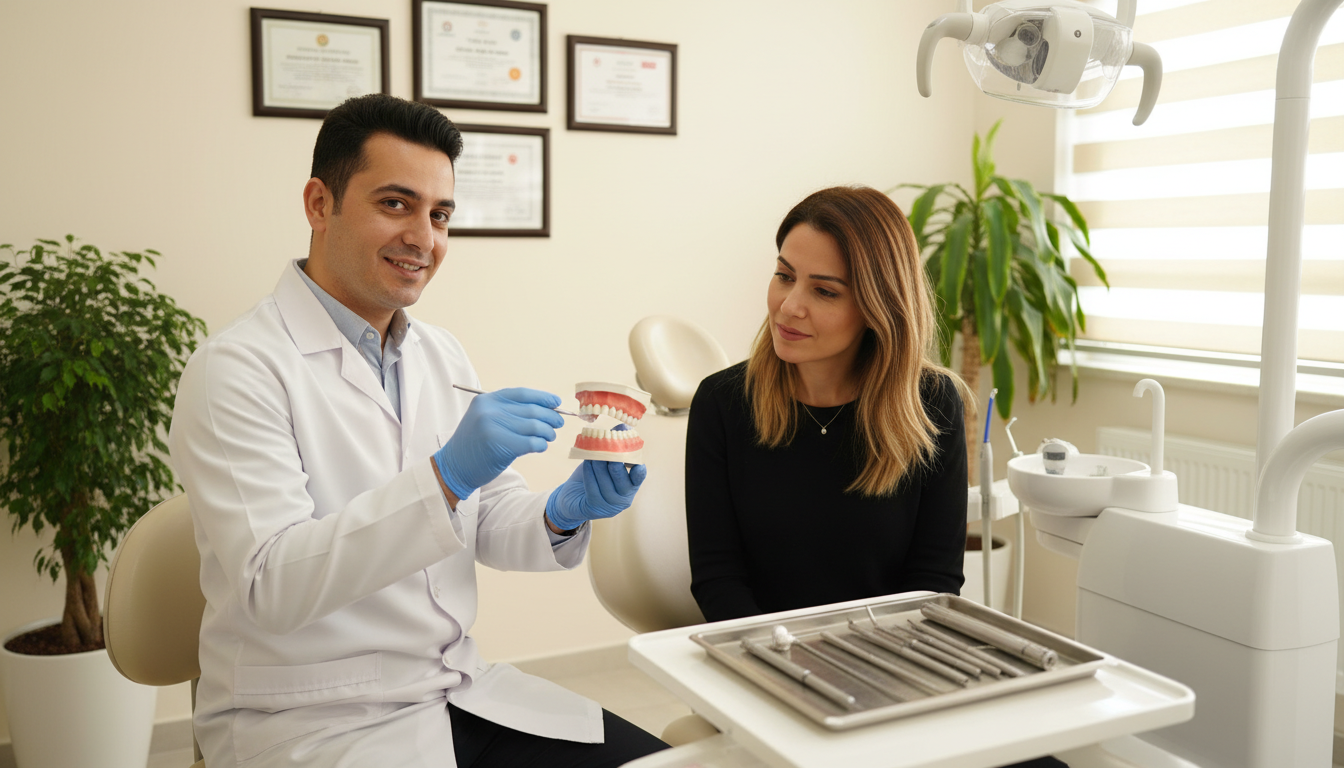
Could a trip abroad deliver a trusted smile — and peace of mind? Many patients weigh cost against care when exploring implants turkey as an option.
Over 150,000 UK patients travel each year for dentistry that often follows European Union protocols. Specialist reviewers, like Dr. Necat Aslan with 15+ years in cosmetic dentistry, stress that safety hinges on choosing clinics that meet international standards.
The potential to save up to 70% versus UK prices draws attention, but long-term results depend on the clinic, the dentist’s experience, and clear protocols for healing and follow-up.
Researching credentials, verifying techniques, and asking about procedures reduces risk and supports lasting oral health. With careful planning, many patients report positive outcomes and steady recovery over months.
Key Takeaways
- Choose clinics that follow international standards and verified protocols.
- Ask about the dentist’s experience and the specific implant technique used.
- Savings can be significant, but cost should never override quality of care.
- Verify credentials and read patient results for realistic healing expectations.
- Consult medical reviewers and request clear post-op plans before travel.
Is It Safe To Have Dental Implants In Turkey
Traveling overseas for tooth replacement raises clear questions about clinical quality and outcomes. Leading facilities in Turkey operate under Turkish Ministry of Health rules, which set strict protocols for sterilization, staff training and equipment.
Complication rates match those reported in the UK at about 2–5%. That statistic shows procedures and post-op care follow international norms for many clinics.
Patients should check that a clinic uses premium brands for fixtures, follows sterile routines, and employs experienced Turkish dentists. The skill of the dental team matters more than tourism-driven prices.
- Look for clear aftercare plans and a timeline for healing — often several months before final results.
- Verify accreditation and read verified patient reviews to avoid budget operators.
For a practical guide on pricing and standards, see this summary of dental implant cost in Turkey. Careful planning reduces risk and improves long-term results.
Understanding the Regulatory Landscape for Dental Clinics
A national audit system ensures clinics meet clear hygiene and safety benchmarks. Regular inspections by the Ministry of Health verify that facilities follow written protocols and keep records of sterilization, equipment checks, and staff training.
Ministry of Health Oversight
Inspections occur routinely and include audits of clinical processes. These reviews confirm that dentists and staff follow infection control steps and that surgical areas meet required protocols.
EU Medical Directive Alignment
Alignment with European directives helps ensure consistent standards across providers. When a clinic follows these benchmarks, patients benefit from recognized levels of quality and protection.
- The Ministry inspects hygiene, equipment, and staff certifications.
- EU-aligned standards support consistent sterilization and operational rules.
- Choosing a reputable clinic means treatment is delivered by a trained dentist under audited conditions.
The Typical Patient Journey for Implant Surgery
A typical patient itinerary blends clinical assessment with clear timelines so expectations match outcomes.
“A clear plan reduces anxiety and helps deliver reliable results.”
The process begins with a virtual consultation where X-rays are reviewed and a personalised treatment plan is created. Upon arrival, a comprehensive assessment takes 2–3 hours and includes 3D CT scans and bite analysis.
Surgery usually lasts 30–90 minutes per implant. For full mouth restorations, chair time can reach 2–3 hours to ensure precise placement.
After the procedure, patients receive written aftercare, prescriptions, and a schedule for follow-up visits over the next few months.
- Personalised care: treatment is tailored for single gaps or multiple teeth.
- Comfort and logistics: many clinics offer transport and accommodation to simplify the trip.
- Record keeping: patients leave with an implant passport for future care.
This structured approach limits complications and supports proper healing so the final smile integrates well and lasts.
Evaluating Your Candidacy for Dental Procedures
Not every mouth is ready for roots; a careful exam reveals what preparatory steps are needed.
Assessment begins with imaging and a health review. A qualified dentist checks jaw strength and oral tissues. That determines if a bone graft is needed before the implant procedure.
Key clinical factors:
- Bone density: scans show whether the jaw can support new roots.
- Medical history: uncontrolled diabetes or active gum disease may require treatment first.
- Lifestyle: smoking reduces implant integration by up to 15% and affects healing.
For patients missing a single tooth or multiple gaps, the dentist will explain how an implant integrates with adjacent teeth. Full mouth plans include a wider review of gums and remaining teeth.
Early disclosure of medications and conditions lowers the risk of complications. A personalised plan increases the chance that implants deliver lasting function and natural-looking results.
Comparing Costs and Quality Standards
Cost savings often catch attention, but standards and materials determine long-term success.
Many patients find that implants can cost 50–70% less than UK prices. Lower lab and staffing costs drive much of the difference.
Quality is not sacrificed for price. Reputable clinics use premium brands such as Straumann and Nobel Biocare. These systems carry CE or FDA clearance and are widely used by skilled dentists.
- Transparent pricing helps avoid unexpected fees during treatment and travel.
- Ask for the implant brand in writing and confirmation of CE/FDA approval.
- Choose clinics that publish protocols, staff qualifications, and follow-up plans.
When totals include flights and lodging, many still pay less than at home. The best clinics pair advanced technology with strict standards so implants last and remain biocompatible.
Practical tip: compare quotes, check verified reviews, and confirm materials before booking. That way patients can balance cost, care, and lasting results.
Essential Safety Protocols and Sterilization Practices
Clear sterilization routines and imaging checks form the backbone of safe care.
Hospital-Grade Infection Control
Top clinics use hospital-grade autoclaves and validated sterilizers that match US and British standards. Staff wear sterile gowns and change gloves between steps. Antimicrobial mouthwash and surface disinfection are standard before any procedure.
Sterile Surgical Environments
Operatory rooms follow strict workflows to limit contamination. Drapes, single-use instruments, and audited cleaning logs reduce risk. These steps help protect patients during every surgery and follow-up visit.
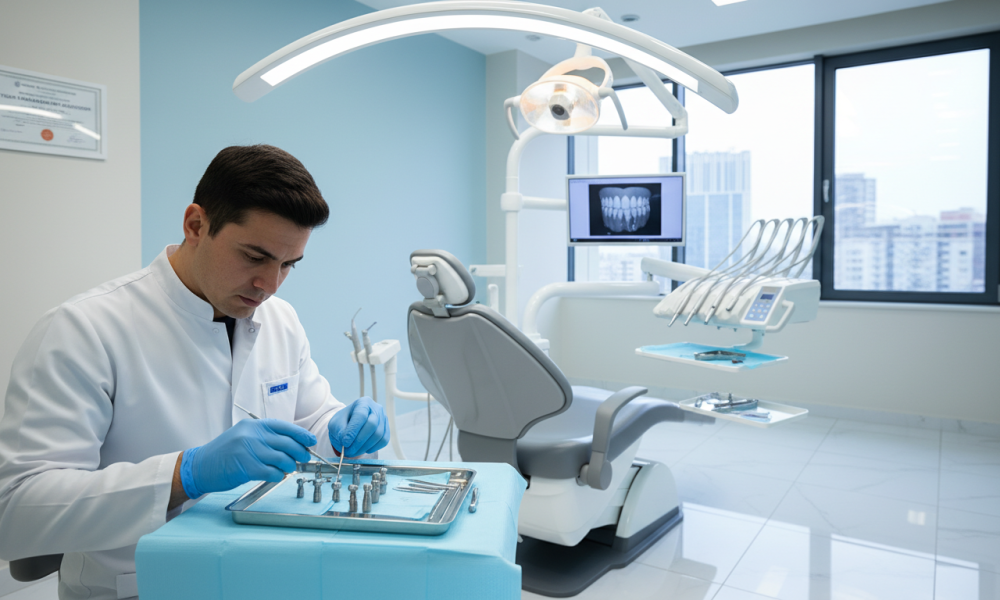
Advanced Imaging Technology
Clinics rely on 3D CBCT scans and computer-guided techniques to map the bone and plan precise placement. That precision minimizes trauma to tissue and shortens healing time.
- Why this matters: careful planning and rigorous protocols reduce infection and improve long-term outcomes for dental implants.
- Choose clinics that publish sterilization policies and track audits for consistent quality of care.
Navigating Aftercare and Long-Term Support
Aftercare often defines whether an implant becomes a lifelong solution or a short-term fix. A clear plan helps patients manage pain, swelling, and daily cleaning during the first weeks.
Professional cleaning every six months reduces the risk of peri-implantitis and protects the surrounding bone. Schedule check-ups at 3 months and 6 months so the dentist can track integration and healing.
Many reputable clinics provide written aftercare, emergency contact numbers, and guidance for a local clinician. If issues arise, virtual support often lets the clinic assess problems quickly and advise next steps.
Most patients experience smooth recovery when they follow instructions. Complication rates remain low at about 2–5%, and regular maintenance preserves quality results for years.
Keep records: hold on to your implant passport and treatment notes. Coordinating follow-up with a local dentist makes ongoing care easier and helps protect your new teeth against future problems.
- Professional cleanings every 6 months
- Follow-up visits at 3 and 6 months
- Virtual support and emergency contacts
- Share your implant passport with local clinics
Identifying Red Flags When Choosing a Provider
A quick red-flag check can save patients time, money, and potential complications down the road.
Warning Signs of Uncertified Operators
Ask for credentials. If a clinic cannot verify a dentist’s training or refuses to name the implant brand, step back. Clear documentation shows respect for patient safety and long-term success.
Watch pricing closely. Extremely low offers often hide substandard materials or rushed surgical practices. A realistic quote includes branded fixtures, lab fees, and follow-up care.
Other warning signs include pressure to book without a full consultation and clinics that do not explain possible complications. Reliable providers share risks, timelines, and written aftercare.
- Check independent reviews and request certifications.
- Confirm which implants and lab partners are used in writing.
- Insist on a clear follow-up plan and emergency contact.
Do your due diligence. Choosing a reputable clinic preserves both health and the final look of your teeth.
The Role of International Certifications in Patient Safety
International accreditation gives patients a clear benchmark for clinic performance and infection control.
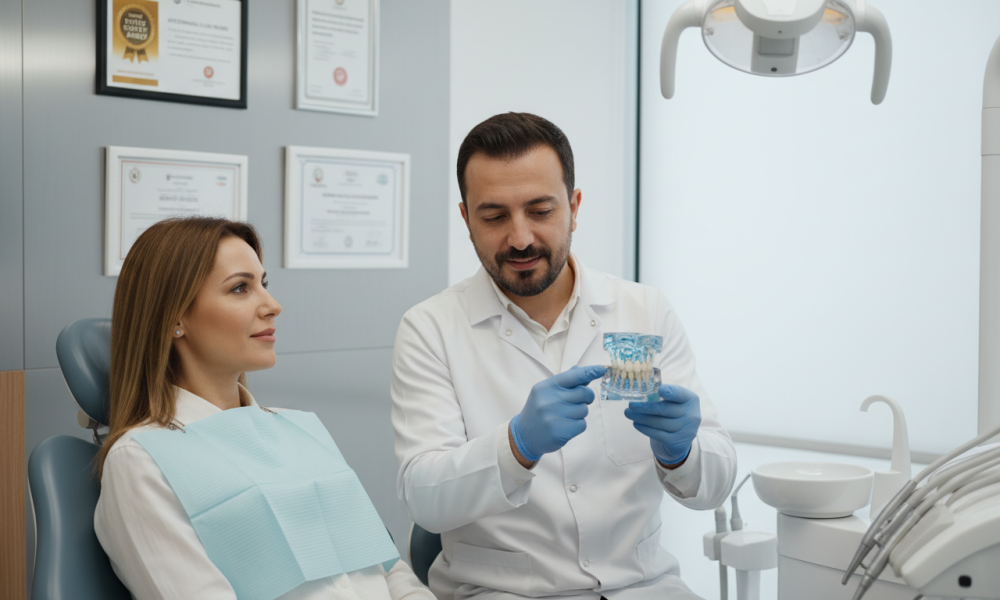
JCI accreditation demands more than 1,200 standards focused on patient safety and infection control. That level of scrutiny means every step of the surgical pathway is audited.
ISO 9001 proves a clinic follows a documented process for managing quality and outcomes. When a clinic combines both accreditations, patients gain added reassurance about consistent care.
- Clear protocols: accredited clinics use written workflows that reduce human error.
- Verified materials: use of CE or FDA-approved materials protects long-term success.
- Trained staff: turkish dentists working in accredited settings often meet international training benchmarks.
| Certification | Primary Focus | What it checks | Patient benefit |
|---|---|---|---|
| JCI | Patient safety | Clinical protocols, infection control, staffing | Lower risk and documented standards for surgery |
| ISO 9001 | Quality management | Process control, continuous improvement, record keeping | Consistent treatment outcomes and fewer surprises |
| CE / FDA approvals | Materials & devices | Safety testing and manufacturing standards | Reliable fixtures that support long-term implant success |
Verify these credentials before booking. Confirming certification helps patients choose clinics that prioritize safety, quality, and lasting results in implant treatment and follow-up care.
Conclusion
Conclusion
Choosing treatment abroad requires balance: confirm accreditation, review costs, and check clear follow-up. Patients who pick accredited dental implants turkey providers often find strong value, good materials, and sound safety practices. Skilled teams and clear pricing reduce surprises.
Quality matters more than price. Proper brands and modern techniques support durable dental implants and reliable results for a single tooth or a full mouth plan.
Plan for aftercare and local check-ups. Ask your clinic for an implant passport, emergency contacts, and a written schedule. That way the implant integrates with bone, limits complications, and protects your long-term health and smile.
FAQ
Is having dental implants in Turkey a reliable option?
Many clinics in Turkey offer high-quality implant treatments with experienced dentists, modern clinics, and international materials. Patients should verify clinic accreditations, surgeon experience, and implant brand quality before booking. Choosing a clinic that publishes clear treatment plans, before-and-after cases, and patient reviews helps confirm reliability.
How does Turkish regulation protect patients seeking implant procedures?
The Turkish Ministry of Health oversees licensing for hospitals and private dental clinics, enforcing standards for staff qualifications, equipment, and infection control. Reputable clinics often follow additional guidelines aligned with EU medical directives and pursue international certifications to demonstrate compliance.
What should a typical patient expect during an implant treatment journey?
The process usually begins with an initial consultation and imaging, followed by treatment planning, implant surgery, healing (osseointegration), and final prosthetic placement. Timelines vary: single implants can finish in a few months; full‑mouth restorations may take longer, especially when bone grafting is needed.
How do clinicians assess whether a patient is suitable for implants?
Dentists evaluate oral health, gum condition, and bone density using clinical exams and 3D cone beam CT scans. Medical history, smoking, diabetes control, and previous radiation therapy influence candidacy. Where bone is insufficient, grafting or sinus lifts are common solutions.
Are cost savings in Turkey a sign of lower quality?
Lower prices often reflect reduced overheads and favorable exchange rates, not necessarily inferior quality. Many Turkish clinics use respected implant brands like Nobel Biocare, Straumann, and Zimmer Biomet. Still, patients should confirm materials, warranty terms, and aftercare to ensure value and safety.
What infection control and sterilization practices should patients look for?
Look for hospital‑grade sterilization, autoclave logs, single‑use disposables, and separate sterile surgery suites. Clinics that publish their hygiene protocols and maintain clear patient pathways for surgical procedures reduce infection risk significantly.
How important is advanced imaging and technology for implant success?
Advanced imaging such as CBCT scans and guided surgery systems improves planning accuracy and reduces complications. Digital workflows, surgical guides, and calibrated implants help achieve better functional and aesthetic outcomes.
What aftercare and long‑term support should be provided after implant placement?
Good aftercare includes clear wound care instructions, scheduled follow‑ups, professional cleaning, and a warranty or maintenance plan. Many clinics provide remote follow‑ups by video and coordinate care with local dentists after the patient returns home.
What red flags indicate an unreliable implant provider?
Warning signs include lack of licenses or visible certifications, no clear implant brand disclosure, aggressive lowball pricing with minimal consultation, poor reviews citing complications, and absence of post‑op support. Avoid clinics that pressure for immediate payment or lack detailed treatment plans.
How do international certifications affect patient safety?
Certifications from bodies such as JCI (Joint Commission International), ISO standards, or affiliations with European dental associations signal rigorous quality management. They do not replace surgeon skill but add an external layer of safety and accountability.
Can cancer patients or survivors safely receive implants in Turkey?
Many survivors can be candidates, but factors like recent chemotherapy, radiation to the jaw, and immune status require close coordination with oncology teams. A multidisciplinary assessment helps tailor timing and technique to minimize risk.
How long do implants placed in Turkish clinics typically last?
With proper placement, quality implants and good oral hygiene, implants can last decades. Success depends on bone health, prosthetic design, regular maintenance, and avoidance of harmful habits such as smoking or teeth grinding.
What should patients budget for when planning implant travel to Turkey?
Budget for consultations, imaging, surgeon fees, implant components, anesthesia, potential bone grafts, accommodation, travel, and post‑op visits. Ask clinics for itemized quotes and clarity about what is included to avoid surprises.
How to verify a Turkish dentist’s qualifications and clinic standards?
Request the dentist’s university diploma, specialist certificates, implant training records, and clinic licenses. Check patient testimonials, Google and social media reviews, and whether the clinic lists international affiliations or accreditations.
Related guides
How Long Does a Dental Implant Procedure Take?
Curious if the journey to a restored smile will fit your life? Many patients wonder about the full…
Best Hair Transplant in Istanbul,Turkey
Could one clinic end years of worry and restore your confidence with a clear, tailored plan?Dr. Serkan Aygin…
What is Zygomatic Dental Implant?
Could anchoring into the cheekbone restore a confident smile when the upper jaw can’t?Zygomatic dental implants offer an…