
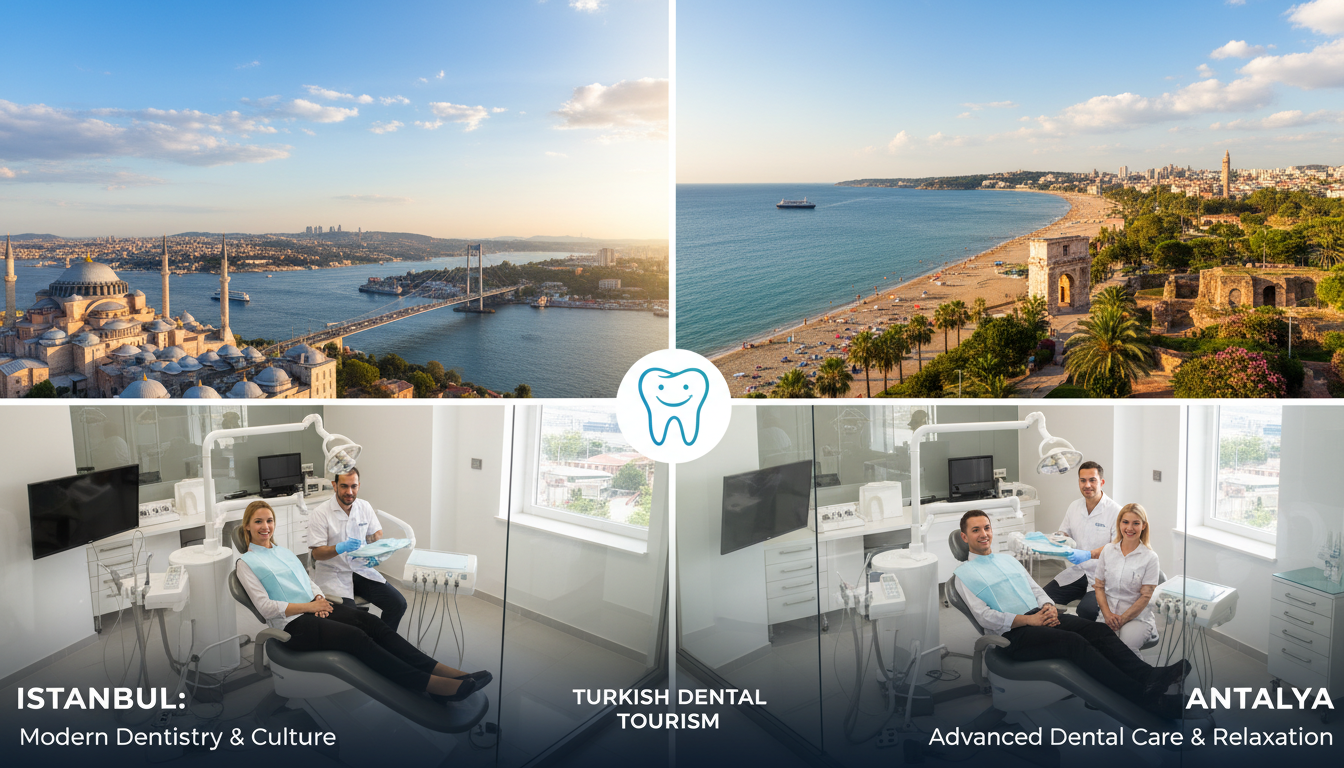
Can a single trip fix your smile and give you a peaceful recovery at once? Many patients now weigh big-city clinics against calm coastal settings when planning care abroad.
In 2025, advances in digital dentistry have raised clinical standards to match Western clinics. Turkey has become a leading choice for implants and restorations, with skilled teams and modern labs.
Choosing a location means balancing surgical needs, tech integration, and the kind of recovery you prefer. This guide will compare clinical quality, patient experience, and travel comforts to help readers make an informed decision.
Key Takeaways
- Both destinations offer high clinical standards and digital technology.
- Metropolitan centers provide broad medical infrastructure.
- Coastal cities often deliver relaxed recovery and resort comforts.
- Patients should match surgical complexity with aftercare needs.
- Cost, travel time, and patient reviews are key decision factors.
The Rise of Dental Tourism in Turkey
In recent years, a surge of international visitors has turned Turkey into a top choice for affordable, high-quality dental care. Clinics now blend modern equipment with experienced teams, offering treatments that meet global standards.
Dental implants—artificial tooth roots usually made from titanium—are a key reason many patients travel. Proper placement is crucial, so trained dentists and oral surgeons play a central role in long-term success.
Cost is a major draw. Many people from Western countries pay far less for the same services—sometimes up to 70% lower—while still receiving personalized care and follow-up plans.
- Wide range of services: from simple restorations to full-arch implant work.
- Comprehensive packages: clinics often include accommodation, transfers, and multilingual support.
- International standards: many practices follow strict safety and sterilization protocols.
For patients seeking value and expert treatment, this growing sector offers options that balance cost, quality, and patient comfort.
Istanbul vs Antalya Which Is Better for Dental Tourism in Turkey?
A city’s layout and pace shape recovery as much as the clinic’s skill. That simple fact helps international patients match medical needs with travel plans.
Geographic Advantages
The largest metro offers dense medical infrastructure and fast access to top clinics. This makes complex treatment easier to schedule and coordinate.
By contrast, the Mediterranean coastline gives a gentle climate and calm beaches that support rest after surgery. Many patients choose a seaside stay to reduce stress and aid healing.
Both locations provide multiple options for dental implants and follow-up care. Decide whether rapid access to specialists or a relaxed recovery environment matters more to your plan.
Cultural Experiences
Historic markets and landmarks add value to a medical trip. Exploring local attractions can ease anxiety and turn appointments into a meaningful journey.
Ultimately, the choice blends clinical needs with personal comfort—so weigh transport, climate, and leisure when planning dental treatment abroad.
Understanding the Clinical Standards in Turkish Dental Clinics
Clinical standards rest on trained teams, strict protocols, and up-to-date technology. Modern dental clinics combine clear safety rules with advanced tools to deliver consistent results.
Patients can expect digital imaging, 3D printing, and computer-guided surgery at many centers. These tools make complex dental procedures more precise and reduce recovery time.
Most dentists have international training and follow recognized health guidelines. That education helps clinics provide thorough consultations and personalized care plans before any dental treatment begins.
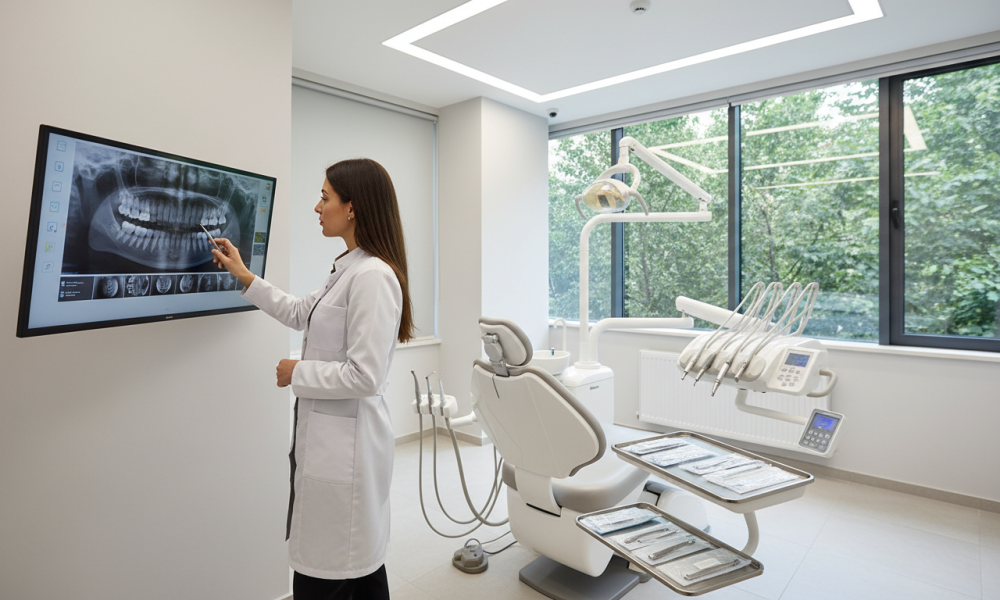
- Regulated services: Clinics meet international health standards to protect patient health.
- Advanced technology: 3D imaging and lasers improve accuracy and comfort.
- Qualified staff: Dentists often train abroad and keep up with modern treatments.
These measures explain why many international patients choose turkey dental centers for high-quality dental work. The focus remains on safe procedures, clear communication, and long-term oral health.
Istanbul: The Metropolitan Hub for Complex Procedures
When cases need multidisciplinary care, the urban medical ecosystem delivers fast access to surgeons, anesthesiologists, and lab technicians. This environment supports complex maxillofacial work and advanced implant cases with coordinated teams and clear treatment plans.
Maxillofacial Expertise
Leading hospitals and specialty centers host high-volume surgeons who handle difficult procedures. These teams manage full-arch reconstructions and complicated dental implants with predictable results.
Accessibility
The city has two major international airports, which makes travel smooth for international patients. Public transit and private transfer services let a patient reach clinics quickly after arrival.
Urban Infrastructure
Wide services and in-house labs mean faster lab work and computer-guided placement. Clinics combine modern standards and a broad range of dental services.
- Experienced professionals and research-driven clinics.
- Options from routine care to full-mouth implant reconstructions.
- Cultural attractions that ease recovery and enhance the overall patient experience.
For many, this metropolitan destination offers a clear choice when advanced skills, quick access, and a wide range of options matter most to restoring a smile.
Antalya: A Coastal Haven for Relaxing Dental Care
A coastal retreat can turn a medical trip into a restorative holiday, where calm days help heal the body and ease the mind. The mild climate and scenic coastline create an ideal environment for recovery after oral procedures.
The Benefits of a Resort-Style Recovery
Many patients choose this destination to combine dental treatment with restful resort stays. Luxury resorts and wellness centers help lower stress and support healing after procedures.
Local dental clinics use modern equipment and offer comprehensive care. Clinics provide personalized consultations, clear post-operative plans, and follow-up support to protect long-term results.
“A calm seaside stay made all the difference in my recovery — the weather, short transfers, and attentive staff eased each day.”
The region is known for competitive prices. Many find dental implants and other services at roughly 70% lower cost than in the US, while keeping high clinical standards.
- Resort-style rest enhances recovery and lowers anxiety.
- State-of-the-art clinics perform complex procedures with care.
- Beaches, history, and calm towns give patients leisure options after treatment.
Why Izmir and Ankara Are Emerging Contenders
Emerging cities are blending restful coastal stays and high-level clinical expertise for visiting patients. Izmir offers a relaxed Aegean environment with historic sites and pleasant beaches. It attracts people who want personalized dental care and a calm recovery.
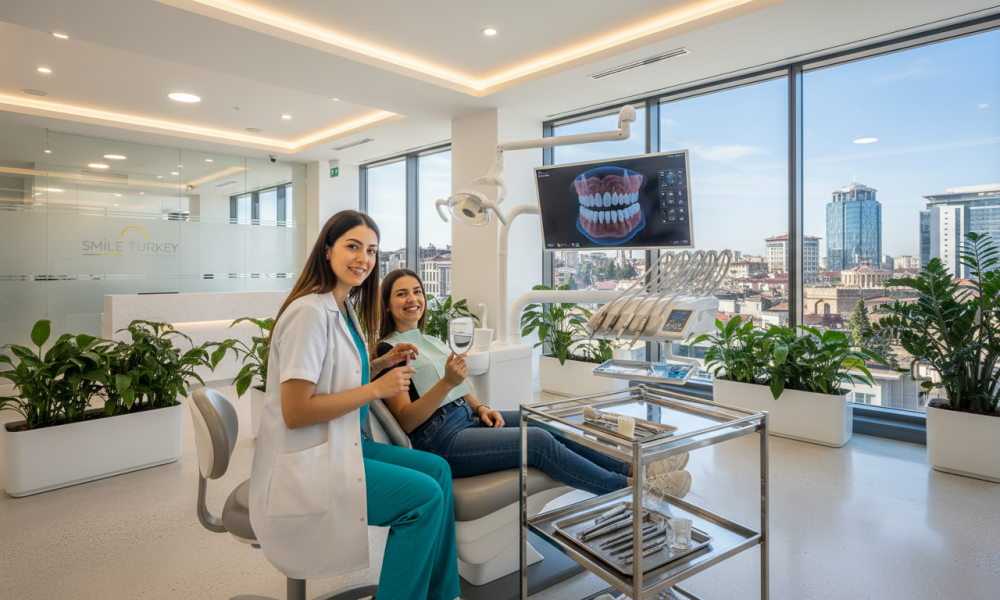
Ankara brings capital-grade healthcare. Clinics there host well-trained professionals and dentists with international qualifications. This makes complex treatment and surgical options readily available.
Both locations now market complete travel packages. These bundles often pair clinic visits with local tours, transfers, and clear aftercare plans. Such offers help patients focus on healing while enjoying the city.
- Izmir: quieter streets, Aegean charm, growing clinic standards.
- Ankara: strong clinical networks, advanced surgical teams.
For people weighing options, these two cities expand the map of dental tourism. They balance quality services and a welcoming recovery setting for international visitors.
Comparing Technological Integration and Equipment
Digital planning tools let teams simulate complex procedures before a single incision is made. This blend of software and skilled clinicians reduces surprises and helps patients feel more secure about treatment steps.
Digital Imaging and AI Tools
High-resolution CBCT scans and AI-driven diagnostics create precise maps of bone, nerves, and soft tissues. That accuracy improves implant planning and lowers surgical risk.
Clinics use CAD/CAM workflows to design crowns and guides from the scan data. The result: faster, more accurate procedures and consistent clinical results.
In-House Laboratory Capabilities
On-site labs with 3D printers and milling units let top centers produce prosthetics quickly. Many practices can finish crowns and bridges in 24–48 hours.
Having lab and clinic under one roof shortens turnaround and improves quality control. Patients receive world-class dental services with fewer visits and clearer timelines.
- AI tools plan complex implant placements with high accuracy.
- CAD/CAM and 3D printing speed fabrication of prosthetics.
- In-house labs support rapid, high-quality dental care and reliable results.
Navigating the Patient Journey from Consultation to Recovery
From first consult to final crown, a structured path reduces anxiety and errors.
Consultation starts the process. Many dental clinics use 3D imaging to assess jawbone and overall oral health. That scan helps the team build clear treatment plans and set realistic timelines.
During surgery, implants are placed under local anesthesia. A healing period follows to allow osseointegration. Clinics provide written instructions to manage discomfort and protect long-term health.
Most practices offer comprehensive packages and follow-up visits. These services guide patients from the initial consultation through final prosthesis placement. Regular check-ups ensure gums and teeth heal as expected.
- Ask questions: material types, recovery time, and expected outcomes.
- Know the stages: consultation, surgery, healing, and final restoration.
- Use support: clinic coordinators help with travel and local arrangements in each city.
Clear communication and a step-by-step plan help patients feel confident. This structured patient journey makes dental treatment abroad a safer, more comfortable experience—and a clearer path to a healthier smile.
Evaluating Costs and Value for International Patients
Comparing quotes is only one step—true value depends on standards, technology, and guarantees. Many patients find that up to 70% lower cost makes treatment abroad attractive. Yet the best choice balances price with clinic reputation and long-term results.
International patients should look for transparent pricing and clear consultation notes before booking. Many clinics offer all-inclusive packages that cover the procedure, accommodation, and transfers. That reduces surprises and makes travel logistics easier.
- Savings: dental treatment can cost far less than in the United States while keeping high-quality dental standards.
- Value factors: surgeon credentials, in-house lab work, and warranty terms matter more than headline price.
- Packages: bundled services often include follow-up care and clear timelines for final restorations.
- Choices: compare clinics, read reviews, and confirm post-op support before committing.
When patients weigh options, cost-effectiveness plus proven clinical care creates lasting value. For many, this combination explains the growing interest in dental tourism as a practical healthcare option.
Essential Tips for Choosing the Right Dental Clinic
Verification of surgeon credentials and clear implant documentation protects long-term results and peace of mind. Always confirm that your surgeon is a member of the Turkish Dental Association to meet professional standards. Ask the clinic for the implant “passport” to check material origin and certification.
Choose a clinic that explains its technology and workflow during the initial consultation. Confirm use of 3D imaging, CAD/CAM, or guided surgery so you get world-class dental care and predictable outcomes.
Research clinics across different cities to match your preferred recovery style—urban access or coastal rest. Compare reviews, quoted cost, and the follow-up plan so your patient experience is clear before you travel.
- Check credentials: association membership and dentist licenses.
- Request implant passport: material batch, brand, and warranty.
- Confirm aftercare: written follow-up protocol and long-term guarantees.
| Credential | Why it matters | How to verify |
|---|---|---|
| Turkish Dental Association membership | Ensures adherence to national standards | Ask clinic for license number and check association registry |
| Implant passport / material certification | Confirms quality and traceability of implants | Request certificate showing brand, lot number, and origin |
| Technology and lab capabilities | Supports accurate planning and faster results | Ask about 3D imaging, in-house lab, and CAD/CAM workflows |
Conclusion
Turkey has firmly established itself as a global leader in dental clinics, pairing medical expertise with accessible pricing and modern workflows.
Whether a patient prefers a busy urban clinic or a calm seaside recovery, both options offer high standards and coordinated care. Choose based on surgical needs, booking logistics, and personal comfort during healing.
Do your research: verify credentials, ask about warranties, and confirm post-op support. For more details on packages and what to expect, see a trusted resource on dental treatment in Turkey.
With careful planning and a focus on quality, tourism can become a chance to restore health and enjoy travel—while achieving the smile you want.
FAQ
What should international patients consider when choosing between a major metropolis and a coastal city for treatment?
Consider clinical expertise, procedure complexity, travel logistics, and recovery environment. Metropolitan centers often host specialists and advanced labs for complex implants or maxillofacial work; coastal destinations provide rest, lower stress, and easy access to beaches for recuperation. Balance clinical needs with comfort and total trip time.
How do clinical standards compare across top Turkish clinics?
Accredited clinics commonly follow international infection-control protocols and use CE- or FDA-approved materials. Look for clinics with clear accreditation, published treatment protocols, and patient testimonials. Many clinics serve international patients and provide consent forms, multilingual staff, and post-op follow-up plans.
Do coastal clinics offer the same implant and restorative technology as big-city centers?
Many coastal clinics invest in digital imaging, guided-surgery tools, and in-house labs. However, for highly specialized maxillofacial cases or cutting-edge research-driven treatments, metropolitan hospitals may have slight advantages. Always ask about the specific equipment and lab workflow used for your procedure.
How important is an in-house laboratory for prosthetic work?
An in-house lab speeds turnaround and improves quality control for crowns, bridges, and veneers. It lets the dentist oversee shade matching and fit, reducing remakes. Ask whether restorations are milled on-site or outsourced, and whether the lab uses ceramic systems you trust.
What typical costs should international patients expect for implants and full-mouth work?
Costs vary by implant brand, number of implants, bone grafting needs, and prosthetic choice. Coastal clinics may offer competitive packages that include accommodation and transfers. Metropolitan clinics might cost more for complex multidisciplinary care. Request itemized quotes and compare warranties and follow-up included in the price.
How long is the typical stay for common procedures like implants, veneers, or full-mouth rehabilitation?
Simple implant placements often require 1–3 nights for implant surgery and short follow-up visits. Immediate-load or full-arch cases can need 7–14 days depending on lab work and staging. Veneers usually need two visits spaced a week or two apart. Confirm the clinic’s timeline and required healing intervals before booking travel.
What levels of English support and patient coordination are available to international patients?
Reputable clinics provide multilingual coordinators, virtual consultations, and written treatment plans. They often handle airport transfers, accommodation bookings, and local SIM cards. Ask for a dedicated coordinator who will manage appointments, documentation, and post-op communication.
Are teleconsultations reliable for initial planning and second opinions?
Teleconsultations are effective for preliminary assessment, treatment planning, and reviewing CBCT or intraoral photos. They cannot replace in-person clinical exams for final surgical decisions, but they help estimate costs, timelines, and necessary tests before travel.
How are post-op complications and emergency care handled for foreign patients?
Leading clinics provide emergency contact numbers, 24/7 on-call support, and written post-op instructions. Ask about local hospital affiliations in case of complications, and clarify who covers emergency care costs if hospitalization becomes necessary.
What travel and recovery tips help optimize outcomes after oral surgery?
Plan at least a few days of quiet recovery after major procedures, avoid strenuous activity, and follow medication and diet instructions precisely. Stay hydrated, sleep with head elevation if swelling is expected, and schedule follow-up virtual checks if extended travel is required.
Can patients combine treatment with tourism and what should they plan?
Yes—many clinics offer packages that include sightseeing. Schedule active tourism for after critical healing milestones. Avoid long flights immediately after major surgery; verify airline policies on travel after dental procedures and get medical clearance when needed.
How do patients verify clinic reputation and clinician qualifications?
Check board certifications, university affiliations, professional memberships, and patient reviews on independent platforms. Request before-and-after photos, case studies, and references from past international patients. Verify implant brands and lab partners used in cases similar to yours.
Are warranties or guarantees common for dental implants and prosthetics?
Many clinics offer time-limited warranties covering prosthetic defects or lab remakes, but implant survival guarantees are rare and usually conditional on proper follow-up care. Get warranty details in writing, including exclusions and maintenance requirements.
What financial and legal safeguards should international patients seek?
Obtain a detailed written treatment plan, itemized cost estimate, consent forms, and aftercare instructions. Use secure payment methods and confirm refund policies. Consider travel insurance that covers medical complications and verify cross-border legal recourse through clinic accreditation bodies.
Why consider emerging cities like Izmir or Ankara as alternatives?
Emerging centers can combine lower prices with high clinical standards and access to university hospitals. They may offer shorter wait times and developing tech adoption. Research specific specialists and clinic infrastructure before deciding.
Related guides
How Long Does a Dental Implant Procedure Take?
Curious if the journey to a restored smile will fit your life? Many patients wonder about the full…
Best Hair Transplant in Istanbul,Turkey
Could one clinic end years of worry and restore your confidence with a clear, tailored plan?Dr. Serkan Aygin…
What is Zygomatic Dental Implant?
Could anchoring into the cheekbone restore a confident smile when the upper jaw can’t?Zygomatic dental implants offer an…