

Curious which non-surgical options truly refresh skin with little downtime? This guide walks readers through a shifting landscape where devices and procedures focus on natural results for busy people.
For over a decade, ELLA Medical Aesthetics in Austin has shown how skilled providers pair technology with care to boost confidence. Patients now choose options that fit tight schedules while treating facial lines and body areas with precise methods.
From Botox to laser therapy, the emphasis is on real improvements that look subtle and last. This introduction previews key trends, common procedures, and how providers tailor each treatment to unique skin needs.
Key Takeaways
- Non-surgical options lead trends for natural-looking results and minimal downtime.
- Experienced providers use advanced devices to target specific skin areas and lines.
- Botox and laser remain top choices for people with limited time.
- Treatments are personalized to patient needs, focusing on safety and outcomes.
- Understanding options helps readers pick procedures that fit lifestyle and goals.
Understanding the Scope of Medical Aesthetics
Non-surgical skin care has grown into a distinct field that sits between everyday skincare and invasive facial surgery. It combines clinical methods with cosmetic goals to help people look refreshed with less downtime.
Defining the Field
This sector focuses on science-backed options that improve skin health and appearance. Procedures range from injectables to laser work, all aimed at enhancing natural tone and texture. Providers craft plans that fit each patient’s needs.
Why Patients Choose Non-Surgical Options
Many patients pick non-invasive choices because they offer visible results with shorter recovery. People return to routines faster and often see gradual, natural change.
“Short recovery and targeted results make these options appealing for busy lives,” says a leading clinic director.
- Less downtime than surgery
- Personalized plans for skin concerns
- Wide range of precise procedures
Medical Aesthetics The Most Popular Treatments and Prices in 2025
Advances in devices and injectables let patients get visible results with little downtime. Clinics now offer focused options that address fine lines, texture issues, and body goals in short visits.
Injectables and Fillers
Injectables like Botox smooth fine lines and reduce wrinkles for about three to six months depending on the person. Dermal fillers restore volume and reshape areas with minimal recovery, so people return to routines fast.
Laser and Light Therapies
Laser therapy and light-based procedures support skin rejuvenation by targeting pigmentation, acne scars, and uneven tone. Repeated sessions improve skin texture and collagen production with gradual, natural-looking results.

Body Contouring Innovations
Non-invasive body contouring now includes energy devices that reduce local fat and tighten areas without surgery. Microneedling paired with growth factors boosts collagen and speeds healing for scars and acne.
- Quick recovery: Most options are minimally invasive with limited downtime.
- Global hubs: Providers in countries like Turkey combine cost efficiency with advanced technology for solid results.
- Personal plans: Practitioners tailor protocols to each patient’s skin and body goals.
“Short visits and steady improvement help patients fit care into busy lives,” a clinic leader notes.
The Role of Advanced Technology in Modern Procedures
AI tools now let clinics scan skin with clinical accuracy, shaping care plans in minutes. These systems analyze tone, texture, and pore depth to suggest tailored treatments. That level of detail helps providers design visits that fit each person’s needs.
AI and Diagnostic Tools
AI-enhanced diagnostics map specific body areas and track collagen growth over time. This tracking helps show how a treatment affects production of collagen and overall skin health.
Modern devices pair imaging with algorithmic insight. Laser and energy-based systems use these maps to target precise zones, improving consistency of results.
- Personalized plans: Patients get protocols based on measurable data, not guesswork.
- Safer care: Providers verify progress and adapt plans as collagen levels change.
- Better outcomes: Precise devices raise the chance of repeatable, reliable results.
“Data-driven diagnostics are changing how the industry approaches long-term skin health.”
Safety Protocols and Risk Management
Safety starts long before a procedure. At intake, thorough assessment guides choice of devices and protocols to match each patient’s skin and health history.
Reputable clinics use sterile tools, strict cleaning steps, and trained staff to lower infection and swelling risk. These practices form the base of all care and protect both client and provider.
Experienced teams tailor plans by selecting appropriate procedures for tone, texture, and skin sensitivity. A focused review of target areas helps prevent complications and improves results.
Minimizing downtime is an explicit goal of modern risk management. Providers balance efficacy with comfort so people can return to daily life quickly and confidently.
| Protocol | Purpose | Impact on Downtime |
|---|---|---|
| Sterile instrument handling | Reduce infection risk | Shorter recovery |
| Device selection by skin type | Match energy to needs | Fewer side effects |
| Pre-procedure assessment | Identify risk factors | Lower complication rates |
“Rigorous safety saves time and preserves trust,” says a clinic director.
Tailoring Treatments to Different Age Groups
Age shapes care: providers match plans to life stage and goals. Patients over 18 often begin with prevention, while older adults seek deeper renewal. A clear intake review helps pick devices and protocols that fit each person’s timeline.
Preventative Care for Younger Adults
Young adults typically want to keep fine lines from settling in. Short visits using botox or low-intensity laser therapy smooth early lines and preserve skin texture with minimal downtime. Microneedling can support collagen production and reduce early acne scars over months.
Rejuvenation for Mature Skin
Mature patients often need stronger rejuvenation. Providers focus on boosting collagen, improving tone, and treating deeper pigmentation or scars. Dermal fillers, targeted laser, and combined procedures deliver gradual, natural results that last for several months.
- Personal plans: Choose devices by area and skin type.
- Long-term focus: Aim for sustained results and healthy production of collagen.
- Practical timing: Schedule procedures to fit life and recovery needs.
Emerging Trends Shaping the Industry
Innovations in software and growth-factor therapies are helping clinics deliver consistent care. Clinics now pair practice management tools like AestheticsPro with biologic options such as exosome therapy and PRF Gel. These combinations support natural healing and stronger collagen production after procedures.
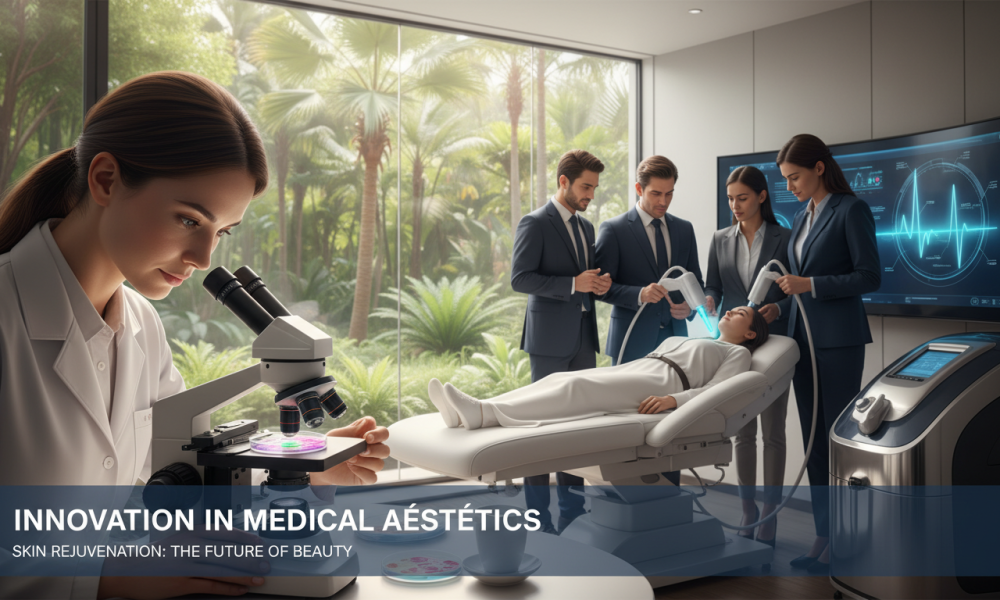
Minimally invasive approaches—especially microneedling with growth factors—are rising fast. Microneedling plus growth factors speeds healing and improves skin texture, while laser and body contouring devices target tone and stubborn fat in specific areas.
- Therapy choices now emphasize reduced downtime and steady results over months.
- Software tracking helps providers follow progress and tailor therapy plans for patients.
- New biologics aim to treat acne scars, pigmentation, and fine lines with gentler protocols.
| Trend | Benefits | Downtime |
|---|---|---|
| Microneedling + PRF/Exosomes | Improved skin texture, collagen production | Short recovery |
| Laser therapy | Targeted tone correction, pigmentation control | Varies by device |
| Body contouring devices | Fat reduction in focused areas | Minimal downtime |
“People seek lasting, natural-looking improvement that fits busy lives,” says a clinic leader.
The Importance of Professional Consultations
Talking through goals with a trained provider clarifies which options will deliver safe, steady results.
At ELLA, a professional consultation is the first step for patients to share their skin goals and review available treatments. Providers assess skin health, medical history, and lifestyle to recommend suitable procedures.
Consultations create a clear dialogue about expected results. That discussion helps patients feel informed and confident about their choices.
Providers design a roadmap for long-term growth. This plan sequences visits, suggests maintenance, and highlights realistic timelines for improvement.
- Personalized care: Plans match each patient’s needs and current trends.
- Safety first: Providers choose therapy that fits skin type and reduces risk.
- Clear outcomes: Patients understand what results to expect and when.
“A thoughtful consultation turns options into a clear plan that supports lasting skin health.”
Conclusion
Today’s practice blends precise devices with personalized plans to deliver natural rejuvenation that fits active lives. Providers offer a wide array of options—from microneedling for skin texture to targeted body contouring—so patients can choose procedures that match goals.
strong, professional consultations and modern technology help ensure safe, steady results that often last for months. Whether smoothing lines with botox or improving tone with laser therapy, care centers on the person, not a one-size plan.
Innovations keep expanding options for scar and acne healing. To explore contouring choices, learn about liposuction options and schedule a consultation with a qualified provider today.
FAQ
What does the field cover and who provides these services?
The field covers non-surgical skin and body procedures that improve texture, tone, and contour. Licensed dermatologists, plastic surgeons, and certified nurse practitioners typically provide care. Clinics often use lasers, radiofrequency, ultrasound, injectables like neuromodulators and hyaluronic acid fillers, and device-based therapies such as CoolSculpting and Morpheus8 to target concerns from fine lines to stubborn fat.
How do injectables and fillers differ in purpose and longevity?
Neuromodulators (e.g., Botox) relax muscles to reduce dynamic lines and last about three to six months. Hyaluronic acid fillers restore volume and smooth static wrinkles; results vary by product and area, usually lasting six months to two years. Biostimulatory agents like Sculptra encourage collagen growth and can offer gradual improvement for up to two years.
What should a patient expect from laser and light therapies for pigmentation and texture?
Fractional lasers and intense pulsed light address pigmentation, broken capillaries, and texture by stimulating collagen and resurfacing the skin. Mild treatments need little downtime; deeper resurfacing causes redness and peeling for several days to two weeks. Multiple sessions spaced weeks apart often produce optimal results.
Are body contouring devices effective for fat reduction and skin tightening?
Device-based options like cryolipolysis (CoolSculpting), radiofrequency, and focused ultrasound reduce localized fat and tighten lax tissue. They work best for discrete pockets of fat and mild skin laxity. Results appear gradually over weeks to months and sometimes require more than one session for best contouring outcomes.
What innovations does AI and advanced diagnostics bring to care?
AI helps analyze skin images to track pigmentation, texture, and lesion changes. Diagnostic tools guide personalized treatment plans and predict outcomes, improving safety and efficiency. Providers use these technologies to refine target areas and combine therapies for better, evidence-based results.
What safety protocols reduce risks and ensure quality care?
Reputable clinics follow thorough consultations, medical histories, consent processes, sterile technique, and device-specific training. Pre-treatment skin assessments and realistic expectation setting help prevent complications. Emergency plans and access to physician oversight are important when using injectables or energy-based devices.
How are treatment plans tailored across age groups?
Younger adults often focus on prevention—sunscreen, topical retinoids, and light procedures to maintain skin health. Middle-aged patients combine neuromodulators, fillers, and resurfacing to address lines and volume loss. Mature skin benefits from collagen-stimulating therapies, lasers, and attentive management of thinning skin and pigmentation.
What is the typical downtime and recovery for common procedures?
Downtime varies: neuromodulator injections usually have no downtime, fillers cause minor swelling or bruising for a few days, microneedling and mild laser therapies may need 2–5 days, and deeper resurfacing can require up to two weeks. Body contouring often involves little to no recovery, though some tenderness or swelling can persist for weeks.
How many sessions are required to see meaningful results?
Many treatments need a series. For example, pulsed light or fractional laser often need 3–6 sessions spaced 4–8 weeks apart. Collagen-stimulating injections show progressive improvement over several months after 1–3 treatments. Providers will create timelines based on the area, device, and patient goals.
What costs should patients expect and what affects price?
Costs depend on provider expertise, device or product used, treatment area size, and geographic location. Single neuromodulator treatments and light sessions are lower-cost per visit; advanced lasers, energy-based body contouring, and staged filler plans raise fees. A consultation offers a tailored quote and financing options when available.
How long do results last and what maintenance is needed?
Duration varies: neuromodulators 3–6 months, fillers 6–24 months, collagen stimulators up to two years, and device-based fat reduction is often long-lasting if weight is stable. Maintenance may include periodic touch-ups, topical regimens, and sun protection to prolong benefits.
Can acne scars be improved without major surgery?
Yes. Microneedling, fractional lasers, radiofrequency microneedling, and chemical peels can significantly improve atrophic acne scars by stimulating collagen. Combination approaches often give the best outcome. Multiple sessions spaced months apart are typically required.
What should patients ask during a consultation?
Ask about provider credentials, before-and-after photos for similar concerns, the exact device or product to be used, expected results, side effects, recovery time, cost breakdown, and contingency plans for complications. Clear communication ensures a treatment plan aligned with goals and safety standards.
Are there special considerations for cancer patients or survivors?
Yes. Survivors should discuss treatments with their oncology team before elective procedures. Some therapies can interact with scarring, radiation changes, or immune status. Providers experienced with oncology patients can adapt schedules, select gentler modalities, and prioritize safety and healing.
What trends are shaping care and patient expectations now?
Trends include combination protocols, growth-factor–enhanced therapies, personalization via AI diagnostics, minimally invasive fat reduction, and a shift toward natural-looking results. Patients increasingly value longevity, low downtime, and measurable skin health improvements over dramatic change.
Related guides
How Long Does a Dental Implant Procedure Take?
Curious if the journey to a restored smile will fit your life? Many patients wonder about the full…

Best Hair Transplant in Istanbul,Turkey
Could one clinic end years of worry and restore your confidence with a clear, tailored plan?Dr. Serkan Aygin…

What is Zygomatic Dental Implant?
Could anchoring into the cheekbone restore a confident smile when the upper jaw can’t?Zygomatic dental implants offer an…