
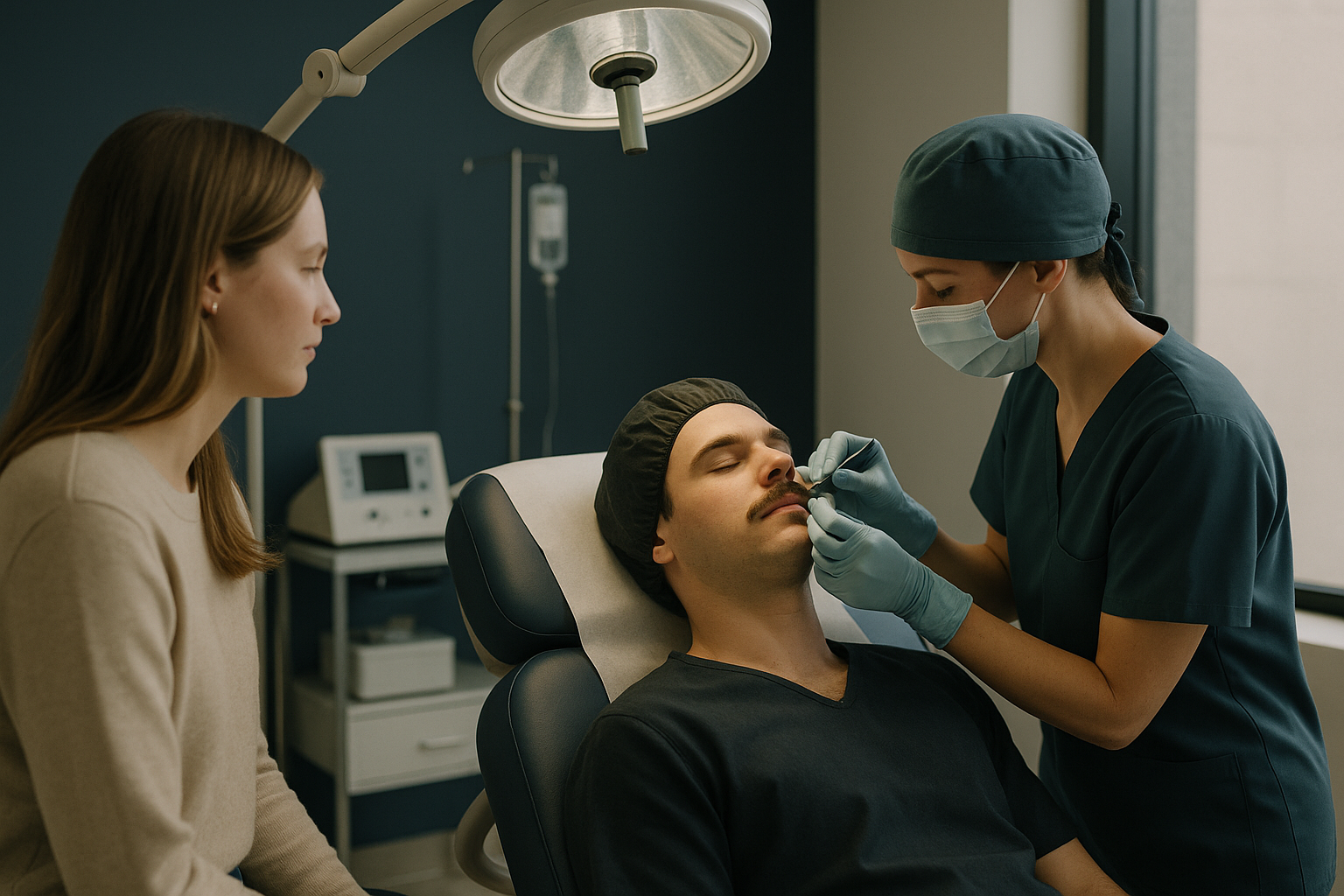
For those seeking a fuller mustache, a mustache transplant can be an effective solution. This procedure involves transplanting hair follicles to the upper lip area, providing a permanent and natural-looking result. Understanding the process, costs, and recovery involved is crucial for prospective patients considering this cosmetic surgery.
What is a Mustache Transplant?
A mustache transplant is a cosmetic procedure designed to enhance facial hair growth, particularly on the upper lip. It involves the extraction and transplantation of hair follicles from a donor site, usually the back of the head, to the desired area. Often, the donor site is chosen because the hair is genetically resistant to balding, ensuring longevity and permanence of the transplanted hair.
The procedure is minimally invasive and typically performed under local anaesthesia, allowing patients to remain awake and comfortable throughout the process. The use of local anaesthesia reduces recovery time and minimizes risks associated with general anaesthesia. Patients can often return home the same day, which adds to the convenience and appeal of the procedure.
Understanding the technical aspects of the procedure can help set realistic expectations. The transplanted hairs initially fall out a few weeks after the procedure, which is a normal part of the process. New growth begins around three months post-surgery, with full results visible between six months to a year. This timeline is important for patients to understand, as patience is required for the final results to manifest. The procedure’s success also hinges on factors such as the quality of the donor hair and the surgeon’s expertise.
How Much Does a Mustache Transplant Cost?
The cost of a mustache transplant can vary widely depending on several factors, including the clinic’s location, the surgeon’s expertise, and the number of grafts needed. On average, patients can expect to pay between £2,000 and £7,000. This range reflects differences in healthcare standards and costs of living in various regions. For example, clinics in metropolitan areas often charge more due to higher operational costs.
It’s important to consider not just the initial cost but also any additional expenses, such as travel if you are considering having the procedure done abroad. Places like Turkey are popular for hair transplants due to competitive pricing and skilled surgeons. In Turkey, the cost can sometimes be as low as £1,500 to £3,000, including accommodations and transportation, making it an attractive option for international patients.
Prospective patients should also factor in post-operative care costs, which might include medication and follow-up visits. Patients should budget for antibiotics and anti-inflammatory medications, as well as any special shampoos or care products recommended by their surgeon. Understanding these costs upfront can help manage the financial commitment required for a mustache transplant. Additionally, insurance typically does not cover cosmetic procedures, so potential financing options should be explored if needed.
What is the Procedure for a Mustache Transplant?
The mustache transplant procedure typically involves follicular unit extraction (FUE). This method is preferred because it leaves minimal scarring and offers a quicker recovery time compared to other methods like strip harvesting. FUE involves using a specialized tool to extract individual hair follicles from the donor area, which are then prepared for transplantation.
During the procedure, individual hair follicles are harvested from the donor area, usually at the back of the head. These follicles are then meticulously implanted into the mustache area to create a natural and dense appearance. The surgeon strategically places each follicle to mimic natural hair growth patterns, ensuring that the transplant blends seamlessly with existing facial hair.
It is crucial to follow the surgeon’s pre- and post-operative instructions to ensure optimal results and minimize the risk of complications. This includes avoiding alcohol and smoking before and after the procedure, as they can affect blood flow and healing. Patients should keep the transplanted area clean and follow a prescribed regimen to promote successful hair growth. Regular follow-ups with the surgeon are also essential to monitor progress and address any concerns.
How Long is the Recovery Process?
Recovery after a mustache transplant generally takes about two weeks. During this time, patients may experience some swelling and redness in the treated area, which typically subsides within a few days. Small crusts may form around the transplanted hairs, but these should not be picked at, as they will naturally fall off within a week.
It’s advisable to avoid strenuous activities and direct sunlight during the initial recovery period. Activities that increase blood pressure or induce sweating can affect the healing process and should be avoided. The use of hats or any facial coverings should be minimized to prevent unnecessary friction on the transplanted area.
Most patients can return to their normal activities within a week, although it can take up to six months to see the full results of the transplant. Patients should be prepared for a shedding phase, which occurs a few weeks after the procedure, as this is a normal part of the hair growth cycle. Following this, the new hair will begin to grow, eventually blending with existing facial hair for a fuller appearance. Consistent post-operative care and adherence to follow-up appointments are crucial throughout this period.
Are Mustache Transplants Safe?
Mustache transplants are generally considered safe when performed by a qualified and experienced surgeon. As with any surgical procedure, there are risks involved, including infection, scarring, and uneven hair growth. However, these risks are minimized in the hands of a skilled practitioner who adheres to stringent safety protocols.
Choosing a reputable clinic with a proven track record can significantly reduce these risks. Patients should look for clinics that are accredited by relevant medical boards and have positive reviews from past patients. It’s also beneficial to have a detailed consultation with the surgeon to discuss any concerns and understand the procedure fully.
Patients are encouraged to research thoroughly and possibly seek second opinions before deciding to undergo the procedure. This due diligence can help ensure that they select a clinic that aligns with their expectations and offers a high standard of care. Additionally, understanding the post-operative care requirements and associated risks can help patients make informed decisions. It’s also crucial to disclose any medical conditions or medications to the surgeon beforehand to assess suitability for the procedure.
What Should Patients Consider Before Undergoing a Mustache Transplant?
Before deciding on a mustache transplant, patients should consider their overall health, as certain conditions may affect the procedure’s success. For instance, individuals with blood clotting disorders, uncontrolled diabetes, or autoimmune conditions may face higher risks during surgery and recovery.
Additionally, setting realistic expectations about the outcome is crucial. While a mustache transplant can significantly enhance facial hair density, it may not provide perfection in every case. Discussing the desired results with a surgeon can help align expectations with achievable outcomes.
Consulting with a qualified dermatologist or hair transplant specialist can provide valuable insights into whether the procedure is suitable for you. They can also help plan the best approach for achieving the desired results, considering factors like hair type, skin tone, and facial structure. Understanding the long-term commitment required for maintaining transplanted hair is also important, as ongoing care might be needed to sustain the appearance. Additionally, psychological readiness should be assessed to ensure patients are prepared for both the physical and emotional aspects of the change.
Conclusion
A mustache transplant can be a life-changing procedure for those seeking to enhance their facial hair. By understanding the costs, procedures, and recovery involved, patients can make informed decisions. As always, consulting with experienced professionals and doing thorough research is key to a successful outcome. This diligence ensures not only satisfaction with the cosmetic results but also a safe and healthy procedure experience. As the popularity of mustache transplants continues to grow, being well-informed will empower patients to make the best choices for their personal and aesthetic goals.
Proven result
20 to 200 hair-transplant patients a month from Australia
Aesthetic surgery group
Frequently asked questions
What is the success rate of mustache transplants?
Mustache transplants have a high success rate, with most patients achieving desired results. Success depends on the surgeon’s skill and patient compliance.
Can anyone undergo a mustache transplant?
Most healthy individuals can undergo a mustache transplant. However, a thorough medical evaluation is essential to ensure suitability.
Is a mustache transplant permanent?
Yes, a mustache transplant is permanent as the transplanted hair follicles continue to grow naturally over time.
How soon can I shave after a mustache transplant?
Patients are usually advised to wait at least two weeks before shaving the transplanted area to allow for proper healing.
Related guides

What Is a Medical Travel Facilitator and Why Use One?
A lower treatment quote can look compelling until you try to compare what it actually includes: surgeon fees,…

What Hospital Accreditation Reviews Really Tell You
A hospital can have polished facilities, prominent surgeons, and hundreds of five-star ratings, yet those signals do not…

International Patient Onboarding Guide for Hospitals
An international patient inquiry is not simply a lead. It is a person weighing a major medical decision…