
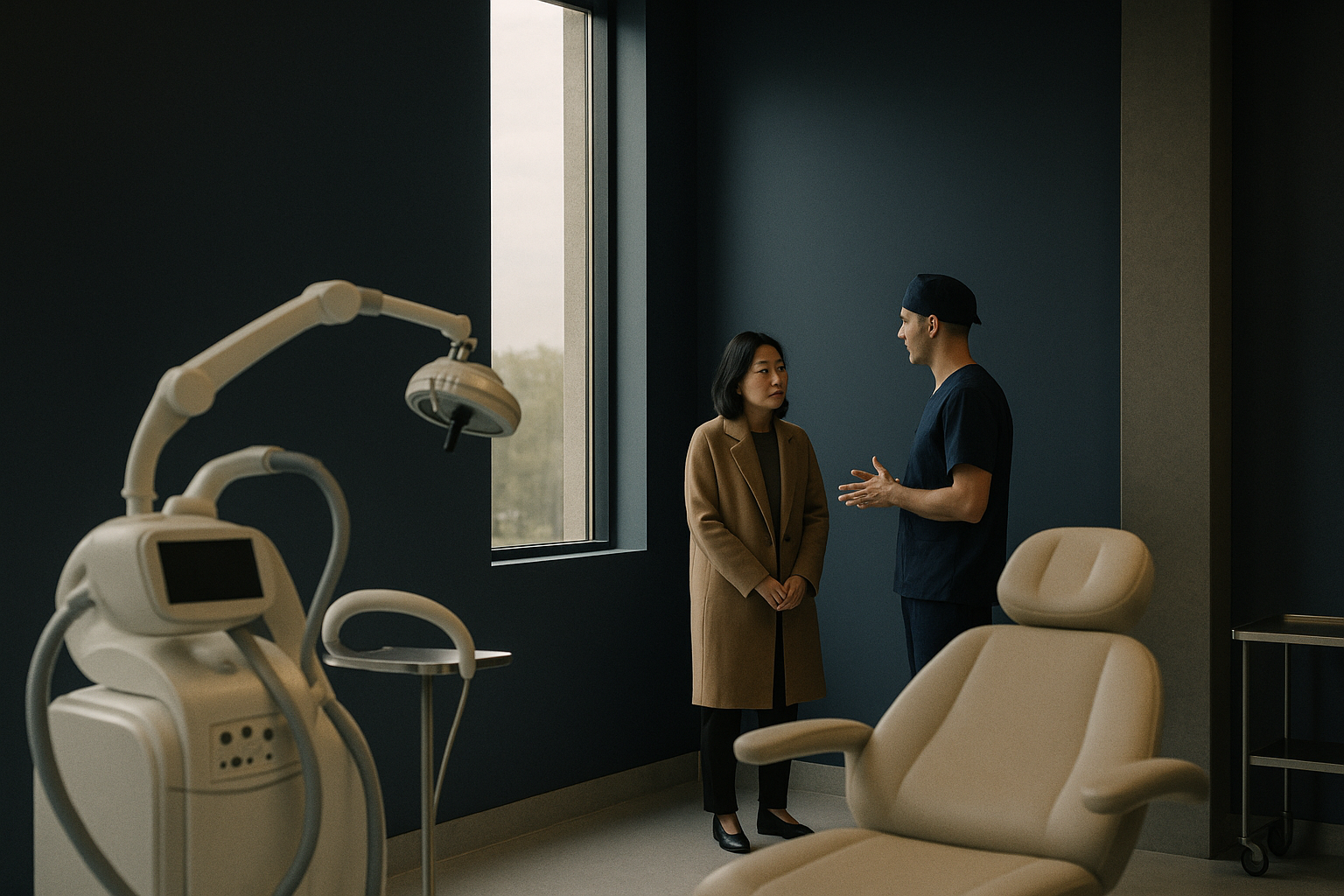
Hair loss can be a distressing condition, affecting self-esteem and confidence. For those seeking discreet solutions, a no shave hair transplant may be the ideal option. This innovative procedure allows you to undergo hair restoration without the need to shave your head, making it particularly appealing for individuals who wish to maintain their regular appearance post-surgery.
In this article, we explore everything you need to know about no shave hair transplants. We delve into practical steps, realistic costs, timelines, and safety measures to help guide prospective international patients through their medical travel journey.
What is a No Shave Hair Transplant?
A no shave hair transplant is a variant of the Follicular Unit Extraction (FUE) technique, designed to restore hair while allowing patients to maintain their existing hairstyle. Unlike traditional hair transplants that require shaving the donor and recipient areas, this procedure carefully extracts and implants hair follicles without the need for complete shaving. This method is particularly advantageous for those who prefer to keep their hair length intact for professional or personal reasons. By preserving the hair’s natural appearance, the no shave FUE hair transplant offers a seamless integration of new growth with existing hair.
The technique involves the surgeon working through the existing hair to extract donor follicles, which requires a high degree of precision and skill. This meticulous process helps ensure that the transplanted hair blends naturally, maintaining the patient’s current hairstyle. It is particularly suitable for individuals with long hair or those who cannot afford to have a shaved appearance due to professional commitments. This method also reduces the immediate post-operative visibility of the procedure, allowing patients to carry on with their daily lives without drawing attention to the treatment.
Despite its benefits, this procedure requires a skilled surgeon as it involves meticulous techniques to ensure natural results. Patients considering this option should seek professional guidance to determine their suitability for the procedure. Factors such as the density of the donor area, the extent of the balding area, and the patient’s overall health play a significant role in determining candidacy for this type of transplant. A thorough consultation with a hair transplant specialist is essential to assess these factors and plan the most effective treatment strategy.
How Does the Procedure Work?
The no shave hair transplant follows a similar process to the traditional FUE technique but with a few modifications. The surgeon carefully selects individual hair follicles from the donor area, typically located at the back of the head. These follicles are then transplanted to the thinning or balding areas, ensuring they blend naturally with the existing hair. The key difference in a no shave procedure is that the surgeon works through the existing hair, which requires precision to avoid damaging surrounding follicles and to ensure the new grafts are placed in a way that mimics natural growth patterns.
During the procedure, the surgeon uses specialised tools to extract and implant the follicles without shaving the donor site completely. This approach demands precision and experience, making it crucial to choose a well-qualified professional for the procedure. The use of micro-instruments allows the surgeon to perform the extraction and implantation with minimal disruption, which is critical in achieving a natural look. Such techniques also contribute to a faster healing process, as the surrounding hair provides some protection and camouflage for the newly transplanted follicles.
The surgical process usually takes several hours, depending on the number of grafts required. Patients can expect to return to their usual activities within a few days, with minimal downtime and discomfort. Post-surgery, patients are advised to follow a specific care regimen to facilitate healing and promote the best results. This includes avoiding strenuous physical activity and certain hair care products that might irritate the scalp. With proper care, the transplanted hair will gradually grow and blend naturally with the existing hair, offering a discreet and effective solution to hair loss.
What Are the Costs Involved?
The cost of a no shave hair transplant varies based on several factors, including the clinic’s location, the surgeon’s expertise, and the number of grafts needed. On average, prices can range from a few thousand to several thousand pounds. In the United States, for instance, the procedure might cost between $5,000 to $15,000, depending on the complexity and extent of the transplant. In the UK, the prices can be similar, depending on the clinic’s reputation and the surgeon’s experience. It’s important to note that top-tier clinics with experienced surgeons might charge more, but they also offer higher assurance of quality and safety.
When planning for a no shave FUE hair transplant, it’s essential to consider additional expenses such as travel, accommodation, and post-operative care. Patients travelling internationally should also account for potential currency exchange rates and any applicable taxes. It’s advisable to budget for these additional costs, which can add another 10-20% to the overall expense. Some clinics offer package deals that include accommodation and transfers, which can be cost-effective for international patients.
Securing a detailed quotation from the clinic beforehand can help in budgeting for the entire process, ensuring there are no unexpected financial surprises. It’s crucial to discuss all potential costs during the initial consultation, including any follow-up visits or additional treatments that may be necessary. Some clinics offer financing plans or payment schedules to ease the financial burden, allowing patients to spread the cost over several months or even years.
Are There Any Risks or Side Effects?
Like any surgical procedure, a no shave hair transplant carries some risks and potential side effects. Commonly reported issues include swelling, bruising, and temporary numbness in the treated areas. Most of these side effects resolve within a few days post-surgery. It’s crucial for patients to understand that these are typical responses of the body to minor surgical intervention and usually do not indicate any serious complications.
To minimise risks, it’s crucial to follow the post-operative care instructions provided by the surgeon. Patients should avoid strenuous activities, sun exposure, and certain hair products until the scalp has healed adequately. Compliance with these guidelines significantly reduces the risk of infection and promotes faster healing. Surgeons often recommend gentle washing and the use of prescribed topical solutions to aid recovery.
Consulting with a qualified surgeon before the procedure can provide insights into potential risks and help in making an informed decision about the treatment. During the consultation, the surgeon will evaluate the patient’s medical history, current health status, and specific hair loss condition to assess any particular risks. This thorough evaluation helps in tailoring the procedure to the patient’s unique needs, thereby enhancing safety and effectiveness.
How to Choose the Right Clinic?
Choosing the right clinic for a no shave hair transplant is a critical step in ensuring successful results. Prospective patients should consider the clinic’s accreditation, the surgeon’s credentials, and patient reviews when making their decision. It’s advisable to look for clinics that are accredited by reputable medical boards and associations, which indicates adherence to high standards of practice and patient care.
International patients must also evaluate logistical factors such as the ease of travel to the clinic’s location, availability of patient support services, and language assistance if required. Clinics that cater to international patients often provide multilingual staff and comprehensive support services to assist with travel arrangements, accommodation, and local transportation. These services can greatly enhance the overall experience and reduce stress for patients travelling from abroad.
Reputable clinics often provide comprehensive consultations, allowing patients to discuss their goals, expectations, and concerns before committing to the procedure. During these consultations, patients should ask about the surgeon’s experience with no shave hair transplants, view before-and-after photos of previous patients, and inquire about the clinic’s post-operative care protocols. This information helps in making an informed choice and selecting a clinic that aligns with the patient’s expectations and needs.
What to Expect During Recovery?
Recovery from a no shave hair transplant is generally swift, with most patients resuming their daily activities within a few days. The transplanted area may experience mild swelling and redness, which typically subsides within a week. Patients are often advised to sleep with their head elevated for the first few nights to reduce swelling and to avoid touching the transplanted area unnecessarily to prevent irritation or infection.
Patients should adhere to the post-operative guidelines provided by their surgeon, including gentle hair care practices and avoiding direct sunlight. Regular follow-ups with the clinic help monitor progress and address any concerns during the healing process. Surgeons may recommend the use of mild shampoos and conditioners that do not contain harsh chemicals, as well as specific topical treatments to promote healing and hair growth.
Results from the transplant become noticeable within a few months, with full hair growth expected within a year, offering natural and lasting outcomes. Patients are encouraged to maintain realistic expectations and understand that hair growth occurs in phases; initial shedding of transplanted hair is normal and a part of the process. By the end of the first year, patients typically enjoy a fuller and more youthful hairline that enhances their overall appearance and confidence.
Conclusion
A no shave hair transplant offers a discreet and effective solution for individuals seeking hair restoration. By understanding the procedure, costs, and recovery process, international patients can make informed decisions about their treatment options. This innovative approach is particularly beneficial for those who wish to maintain their current hairstyle and avoid the noticeable signs of having undergone surgery.
Choosing a qualified clinic and experienced surgeon is vital to achieving the desired results. With careful planning and consideration, a no shave FUE hair transplant can significantly enhance self-confidence and appearance. As with any medical procedure, thorough research and consultation with healthcare professionals are essential to ensure the best possible outcome. By prioritizing quality and expertise, patients can achieve a natural look that seamlessly integrates with their existing hair.
Proven result
20 to 200 hair-transplant patients a month from Australia
Aesthetic surgery group
Frequently asked questions
Is a no shave hair transplant suitable for everyone?
While a no shave hair transplant is appealing, not everyone may be a candidate. A consultation with a qualified surgeon is necessary to determine suitability.
How long does a no shave hair transplant procedure take?
The duration of the procedure depends on the number of grafts required. On average, it can take several hours to complete.
What is the recovery time after a no shave hair transplant?
Recovery is generally quick, with most patients returning to normal activities within a few days. Full results are visible in about a year.
Are no shave hair transplants more expensive than traditional methods?
Typically, no shave hair transplants can be more costly due to the precision and expertise required. It’s essential to consider all associated expenses.
Related guides

What Is a Medical Travel Facilitator and Why Use One?
A lower treatment quote can look compelling until you try to compare what it actually includes: surgeon fees,…
What Hospital Accreditation Reviews Really Tell You
A hospital can have polished facilities, prominent surgeons, and hundreds of five-star ratings, yet those signals do not…

International Patient Onboarding Guide for Hospitals
An international patient inquiry is not simply a lead. It is a person weighing a major medical decision…