
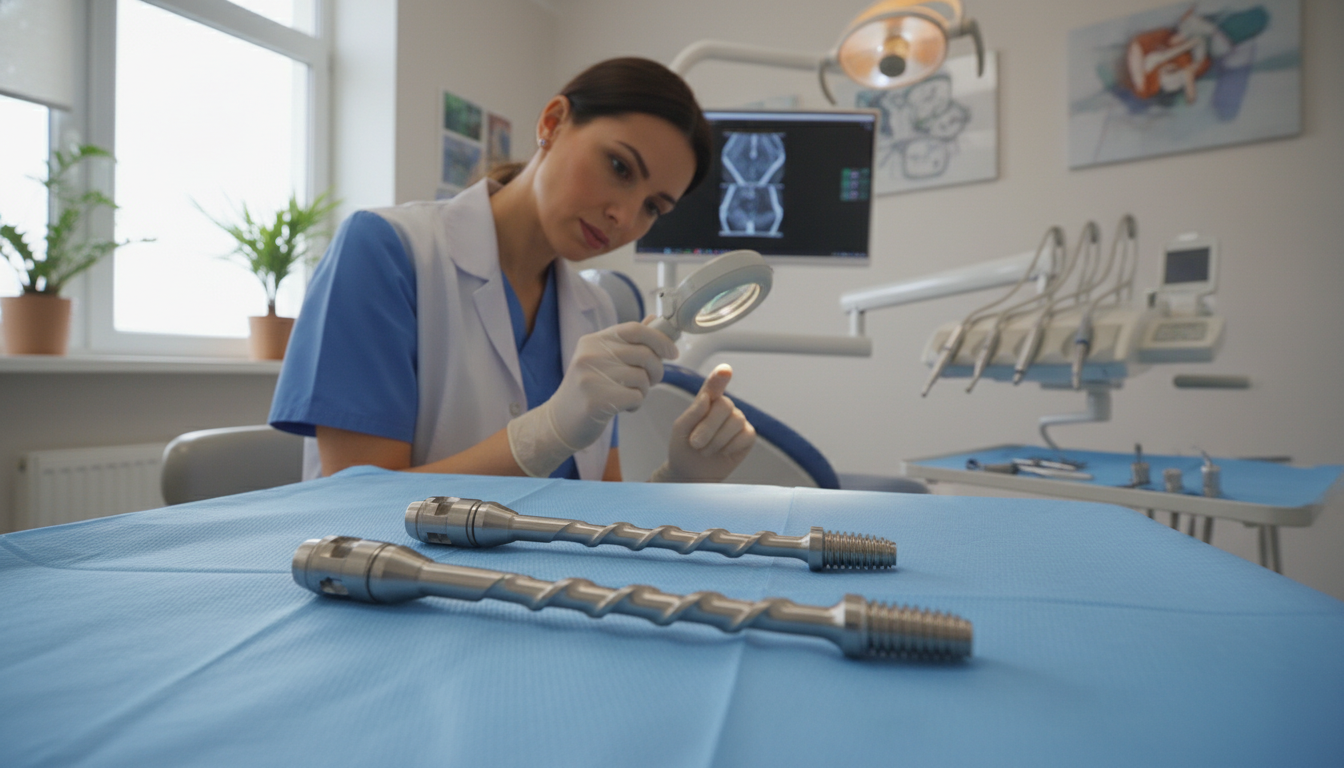
Could a different anchor point in the upper jaw change the way patients regain chewing, speech, and confidence? This question challenges common paths in restorative care and invites a closer look at a targeted solution for severe maxilla bone loss.
For people who face limited bone in the upper jaw, this system offers a practical option. Clinicians use the zygomatic bone to provide stability and avoid complex grafting procedures that can delay healing and add risk.
Built on the Brånemark system concept and modern surgical advances, these zygomatic implants allow immediate loading in many cases. That fast loading can improve quality of life and shorten treatment time, while experts monitor for soft tissue factors and potential complications.
Key Takeaways
- Targeted solution: Designed for patients with severe maxilla bone resorption.
- Avoids grafting: Uses zygomatic anchorage to reduce need for complex bone grafts.
- Proven concept: Integrates Brånemark system principles with modern implant surgery.
- Immediate benefit: Immediate loading can restore function and confidence quickly.
- Informed choice: Understanding factors and complications helps patients and clinicians decide.
Understanding Severe Maxillary Bone Resorption
Severe resorption in the upper jaw can leave little usable bone for traditional restorations, forcing clinicians to explore alternative anchors.
When the maxilla shrinks, standard implants often lack stable support. That makes many cases unsuitable for conventional implant placement without augmentation.
For some patients, this condition means long grafting procedures, added costs, and delayed healing. A targeted zygomatic implant approach bypasses the deficient ridge by anchoring into the dense zygomatic bone of the cheek.
The main advantage is a graftless treatment path that restores function faster. Surgeons must study maxilla anatomy closely to plan safe trajectories and avoid complications.
“Addressing the root cause of bone loss lets clinicians offer predictable prosthetic support without extensive grafting.”
- Clinical challenge: Limited maxilla bone reduces conventional options.
- Design solution: Zygomatic anchorage provides alternative support.
- Patient benefit: Faster rehabilitation and fewer surgeries.
The Role of Nobel Zygoma Implants in Modern Dentistry
Modern restorative care borrows long-standing osseointegration principles to support complex prosthetics in challenging maxilla cases.
The Brånemark system established osseointegration as the core concept for reliable implant support. That legacy informs many current designs and clinical protocols.
With over 25 years of clinical experience, the brånemark system provides a foundation for treating severe bone loss in the upper jaw. Experts rely on that history when planning difficult cases.
The Brånemark System Legacy
The brånemark system revolutionized implant care by proving that bone and titanium can form a stable bond. This concept remains the gold standard for implant survival and prosthetic support.
“Osseointegration transformed how clinicians approach long-term oral rehabilitation.”
Evolution of Implant Design
Designs evolved to meet real-world treatment challenges. When bone is limited in the maxilla, specialized anchorage solutions were developed to extend treatment options for patients.
Key advances include changes to shape, surface, and length that help surgeons gain support in dense facial bone while protecting soft tissue health.
- Proven concept: Osseointegration as the base for modern implant stability.
- Clinical support: 25+ years of outcome data informing case planning.
- Patient benefit: More candidates can receive stable, graftless solutions.
| Feature | Benefit | Clinical Implication |
|---|---|---|
| Osseointegration concept | Long-term stability | Reliable prosthetic support across cases |
| Extended implant designs | Access dense facial bone | Reduces need for grafting in maxilla |
| Soft tissue focus | Healthier peri-implant tissue | Improved esthetics and hygiene |
Why Choose the Zygomatic Approach
Directly engaging the dense facial bone gives surgeons a reliable option when the upper jaw lacks usable bone.
This approach reduces the need for lengthy grafting and often shortens total treatment time. For many patients, fewer surgeries mean faster return to normal eating and speech.
The technique uses the zygomatic bone to provide immediate stability for a zygomatic implant while applying Brånemark system principles for precise placement. Careful planning helps protect soft tissue and achieve a predictable outcome.
Many choose this option because it cuts the number of procedures and lowers overall risk. Surgeons can restore function and the appearance of a smile with a graftless pathway in selected maxilla cases.
“Anchoring into dense facial bone offers a practical, time-saving alternative for patients who want reliable results without prolonged grafting.”
| Benefit | Why it matters | Clinical result |
|---|---|---|
| Graftless protocol | Fewer surgeries and faster healing | Quicker prosthetic delivery |
| Immediate stability | Uses dense zygomatic bone | Allows early loading in many cases |
| Proven placement principles | Brånemark system guidance | Predictable long-term support |
Clinical Benefits of the Graftless Protocol
A graftless pathway can transform care by reducing surgeries and enabling same-day prosthetic loading for many patients.
Avoiding bone grafting procedures minimizes trauma and removes the need to harvest bone from other body sites. That means shorter chair time and fewer surgical stages for the patient.
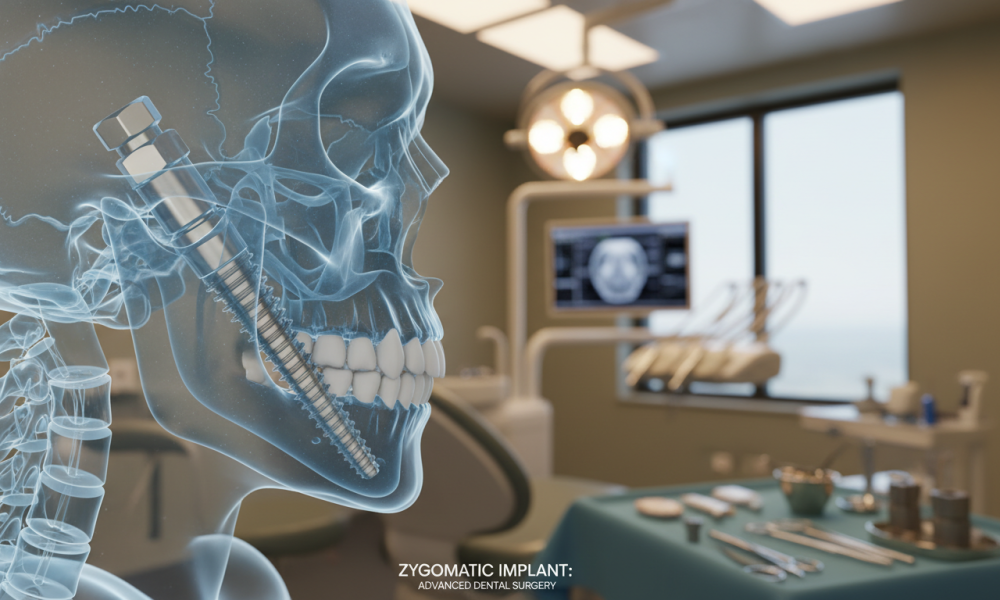
Avoiding Bone Grafting Procedures
The approach anchors into dense facial bone to provide immediate stability for a zygomatic implant. This lets clinicians offer immediate loading when anatomy and planning allow.
Manufacturers such as nobel biocare have refined the system to support reliable outcomes with less morbidity. The result is a practical solution that combines stability with soft tissue preservation.
- Less grafting lowers overall risk and reduces recovery time.
- Fewer procedures improve patient comfort and satisfaction.
- Various implant options support tissue health and esthetics.
“For selected maxilla cases, a graftless approach simplifies surgery while maintaining long-term stability.”
Exploring the NobelZygoma TiUltra System
Engineered for flexibility, the TiUltra system helps surgeons tailor implant placement to each patient’s zygomatic bone anatomy.
The design offers greater surgical and prosthetic choice, with a wide range of lengths and abutment heights. Multi-unit abutments come in varied gingival heights to fit different mouth shapes.
This approach supports superior stability in the maxilla. Clinicians can select components that match bone quality and soft tissue needs. That makes a graftless solution more predictable for many patients.
The TiUltra surface is tuned for better soft tissue integration, which helps peri-implant health and esthetic outcomes. When anatomy and planning allow, the system supports immediate loading after surgery.
- Flexible component range for tailored treatment
- Abutment heights to suit gingival profiles
- Stability-focused design for long-term support
Built on brånemark system principles, this platform merges proven osseointegration ideas with modern surface technology. For many clinicians, it is a reliable option when a graftless path is preferred.
Achieving Immediate Loading for Faster Results
Immediate prosthetic loading shortens recovery and can restore chewing function the same day in selected cases.
The graftless solution supports immediate loading and is backed by 74 clinical studies that show safe outcomes for many patients with severe bone loss.
By achieving high primary stability at surgery, surgeons may place a provisional prosthetic on the same day. This approach reduces overall treatment time and improves early comfort.
Careful planning matters: exact implant trajectories, stable fixation in dense bone, and precise prosthetic connections all support reliable loading and tissue healing.
- Faster function: same-day teeth improve eating and speech.
- Evidence-based: dozens of studies validate the safety and predictability of immediate loading.
- System compatibility: components designed for the maxilla help maintain stability during healing.
“Immediate loading can transform recovery, giving patients confidence and comfort sooner.”
Long Term Survival Rates and Clinical Evidence
Long-term data now show how targeted facial anchorage performs across decades of careful follow-up.
Clinical evidence is strong: 81 published studies cover more than 25 years of clinical experience. These reports include over 2,700 patients and more than 6,500 implants placed in the maxilla.
Analyzing Clinical Studies
Experts review these studies to assess survival, complications, and functional outcomes. The body of evidence supports reliable stability when planning and technique are sound.
“The mean survival rate across publications reaches about 97.0% with follow-ups beyond 20 years.”
Success Rates Over Two Decades
After 10+ years, average implant survival is roughly 96.1% in large cohorts. That level of durability offers reassurance to both clinicians and patients considering a graftless treatment path.
Patient Case Data
Across varied cases, immediate loading combined with brånemark system principles contributes to early function and long-term satisfaction. Case reviews show consistent outcomes when planning and prosthetic protocols match the anatomy.
- Evidence base: 81 studies, 2,700+ patients, 6,500+ implants.
- Long-term survival: Mean 97.0% with up to 20+ years follow-up.
- Clinical implication: High survival supports use in carefully selected maxilla cases.
| Metric | Value | Clinical Note |
|---|---|---|
| Number of studies | 81 | Comprehensive literature across centers |
| Patients treated | 2,700+ | Real-world case diversity |
| Implants placed | 6,500+ | Broad procedural experience |
| 10+ year survival | 96.1% | Long-term reliability |
| Mean survival (max follow-up) | 97.0% | Up to 20+ years of data |
For patients and surgeons, these figures translate into predictable outcomes when anatomy, planning, and follow-up are prioritized.
Surgical Flexibility and Prosthetic Versatility
Surgeons gain notable adaptability with this implant system, tailoring approaches to each patient’s facial anatomy. The platform allows varied angulations and lengths so teams can plan safe trajectories and secure primary stability during surgery.
Prosthetic versatility means patients have many temporary and final options. Clinicians can choose provisional bridges or fixed prostheses to restore function and appearance quickly.
The design also supports better soft tissue management. Careful component selection helps maintain healthy peri-implant tissue and a natural emergence profile.
- Adaptable surgical paths: matches individual anatomy for safer placement.
- Prosthetic options: flexible temporaries and final restorations improve comfort.
- Stable during loading: high primary stability supports early function when appropriate.
“Following brånemark system principles, the approach delivers predictable support and lasting treatment value.”
Improving Patient Quality of Life
A successful implant pathway can return routine pleasures—sharing meals, laughing, and speaking without hesitation—to many patients. Restored teeth help people eat comfortably, speak clearly, and smile with renewed confidence.
For patients with severe maxilla bone loss, the system provides durable support that shortens recovery and reduces the need for extra surgeries. That faster return to daily activities often makes the biggest difference in life.
The treatment emphasizes long-term stability and soft tissue health so the patient feels secure with their new prosthesis. Careful planning and follow-up preserve tissue and improve comfort over time.
- Functional gains: better chewing and speech speed up normal life.
- Emotional benefit: renewed self-esteem from a stable smile.
- Clinical support: the implant system and manufacturer guidance help clinicians plan predictable care.
“A focused approach to support and tissue health restores both function and confidence for patients.”
Nobel Biocare supports clinicians and patients through each step, helping ensure the best possible results with zygomatic implants when anatomy requires an alternative anchor.
Comparing Traditional Implants with Zygomatic Solutions
Choosing between a traditional implant route and a zygomatic implant solution depends on bone level, patient goals, and surgical skill.
Traditional implants often need extensive grafting when the maxilla has resorbed. That adds procedures, healing time, and cost. Many patients face months of recovery before final loading.
The zygomatic approach uses the dense cheekbone to provide a graftless option. For complex cases, this design can deliver higher primary stability and enable immediate loading in selected patients.
Surgeons decide based on anatomy and experience with the Brånemark system. When ridge bone is sufficient, standard implants remain a reliable choice. When bone is limited, anchoring to the zygomatic bone can be the better solution.
- Less grafting = fewer procedures and faster recovery.
- Greater stability in severe maxilla loss supports early loading.
- Choice depends on patient factors, treatment goals, and clinician expertise.
The Importance of Soft Tissue Management
Soft tissue care often determines whether an implant achieves stable, lasting support. Healthy gums protect the underlying bone and reduce the chance of complications after surgery.
The brånemark system highlights soft tissue as a key factor in long-term success. Implants designed to respect the gingival margin help the gum seal and lower infection risk.
Around zygomatic implants, gentle handling of the soft tissue prevents recession and preserves esthetics. Proper management supports tissue healing and keeps the prosthetic stable for years.
Daily hygiene and professional follow-up are central to any treatment plan. Simple routines and timely checks reduce inflammation and protect both bone and implant support.
- Protect the gum seal: reduces bacteria entry and preserves bone.
- Follow care instructions: regular cleaning and recall visits aid long-term health.
- Choose appropriate components: an implant system that favors tissue integration helps outcomes.
“By caring for both bone and soft tissue, clinicians deliver comprehensive treatment that supports function and confidence.”
Expert Perspectives on Implant Stability
In challenging cases, the first stability achieved at surgery sets the foundation for predictable healing and prosthetic success.
Experts agree that primary implant stability is the most important factor for success. Secure fixation at the time of placement reduces micromovement and supports early loading.
By following the principles of the brånemark system, surgeons reach the level of stability needed for immediate loading in complex anatomy. Surgical precision and correct angulation matter.
Clinical studies repeatedly highlight surgical technique as a driver of long-term stability. Each study shows that careful planning and execution lower complication rates.
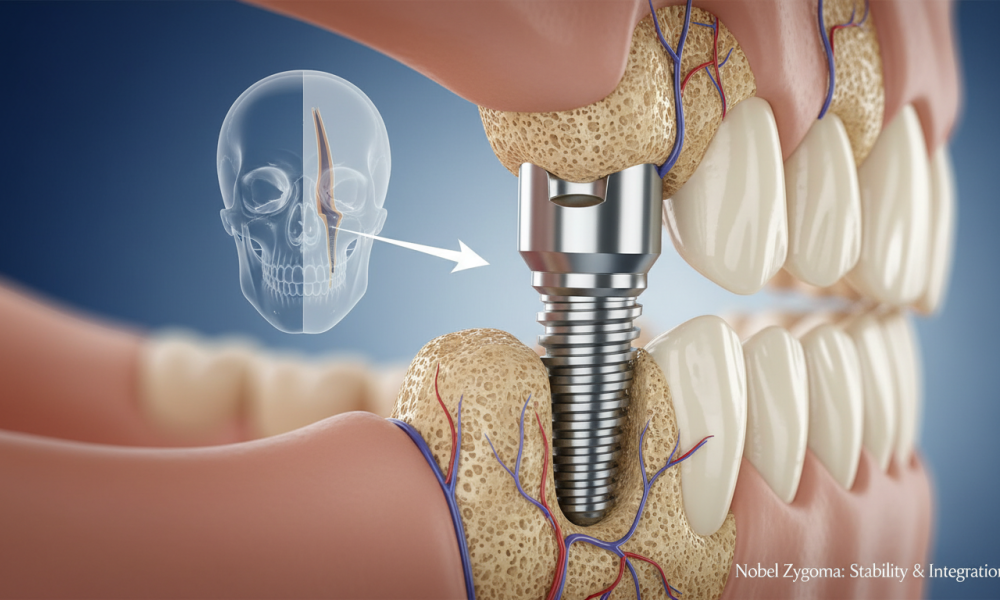
“Primary fixation determines whether a provisional prosthesis can be safely loaded the same day.”
- Leading experts consult on difficult cases to refine the implant system and protocols.
- Understanding mechanics helps patients weigh risks and set realistic expectations for surgery and loading.
Preparing for Your Implant Surgery
A thorough consultation helps teams map anatomy and personalize the treatment for each patient.
During the visit, experts will assess the maxilla and review imaging to plan safe implant surgery. They explain key factors and possible complications so the patient can make an informed choice.
Support from nobel biocare and clinical teams ensures clear information and practical guidance through each step. The surgeon follows brånemark system protocols to place zygomatic implants with care and precision.
Soft tissue care and initial stability are central to success. Proper handling of tissue helps reduce risk and supports early loading when anatomy allows.
“A clear plan and open communication make the whole experience easier for patients.”
- Pre-op imaging and exam to map bone and soft tissue.
- Discussion of risks, recovery, and expected timeline.
- Post-op guidance to protect stability and promote healing.
Conclusion
Decades of outcome data and refined surgical tools now let clinicians offer stable, immediate solutions when ridge bone is absent. This approach restores function and improves overall quality of life for many patients.
The Nobel Zygoma implants solution is backed by more than 25 years of clinical studies. It provides a graftless pathway that often allows same-day provisional teeth and rapid recovery.
Choosing a proven system matters: a reliable implant system supports long-term results and reduces the need for extra surgeries. Patients gain better chewing, clearer speech, and renewed confidence.
We hope this content helps you make an informed choice about your dental care and future. Ask your clinician about options and the best plan for your life ahead.
FAQ
What are Nobel Zygoma implants and who are they for?
These implants are long anchoring implants designed to engage the zygomatic bone when the upper jaw (maxilla) lacks sufficient bone for standard fixtures. They suit patients with severe maxillary bone resorption, previous implant failures, or those who want to avoid lengthy bone grafting. Clinicians evaluate bone volume, overall health, and treatment goals before recommending this option.
How does severe maxillary bone resorption affect treatment choices?
When the upper jaw has lost height and density, conventional implants may not reach stable bone. That limits prosthetic options and can require grafting. Anchoring into denser cheekbone structures gives an alternative route that avoids extensive grafting and shortens treatment time for many patients.
What is the connection between the Brånemark system legacy and modern zygomatic approaches?
The Brånemark system established the principles of osseointegration—direct bone-to-implant integration—that underpin modern anchored implant techniques. Contemporary designs build on that foundation with geometry and surface treatments that enhance stability in challenging bone.
How has implant design evolved to improve outcomes in atrophic maxilla cases?
Design improvements include tapered bodies, aggressive thread profiles, and advanced surface treatments to encourage faster bone integration. These changes increase primary stability and support immediate loading protocols, allowing earlier prosthetic function.
Why might a clinician choose the zygomatic approach over grafting procedures?
The zygomatic route can avoid sinus lifts and large bone grafts, reducing surgical time, donor-site morbidity, and overall treatment length. For patients who cannot tolerate grafting or seek a faster pathway to fixed teeth, this approach offers a predictable alternative when performed by experienced surgeons.
What are the clinical benefits of a graftless protocol?
Graftless protocols reduce the number of surgeries, lower the risk of graft-related complications, and accelerate rehabilitation. Patients often experience quicker restoration of chewing, speech, and aesthetics compared with staged graft-and-implant sequences.
How does the TiUltra system support clinical goals in these cases?
Modern titanium surface technologies improve bone contact and reduce healing time. Systems built for zygomatic anchorage provide surgical instruments and implant geometries tailored to the anatomy, aiding precise placement and prosthetic alignment.
Can patients receive immediate loading with this approach?
Yes. When surgeons achieve sufficient primary stability, immediate loading protocols allow placement of a provisional fixed prosthesis the same day or shortly after surgery. This supports function and patient comfort while final restorations are fabricated.
What do long-term studies say about survival rates for zygomatic solutions?
Long-term evidence shows high survival and success rates when cases are carefully selected and managed by trained teams. Multi-decade reports indicate predictable outcomes for implant retention and prosthetic function, though individual results depend on health, hygiene, and follow-up care.
How are clinical studies analyzed to determine success and complications?
Researchers review survival rates, prosthetic complications, peri-implant tissue health, and patient-reported outcomes. Systematic reviews and multicenter studies help identify consistent patterns across different surgeons and patient populations.
What kind of patient case data informs treatment planning?
Case series and clinical registries document bone anatomy, surgical approach, immediate loading success, and long-term maintenance. That data helps clinicians predict outcomes for similar patients and refine protocols for safety and function.
How flexible is surgery in adapting to individual anatomy and prosthetic needs?
Surgical techniques vary from intrasinus to extrasinus trajectories and tilted approaches. Prosthetic options include fixed full-arch restorations and hybrid solutions. Flexibility in implant positioning and angulation allows customized prosthetic screw access and esthetics.
How does this treatment improve patient quality of life?
Restoring stable teeth improves nutrition, speech, self-image, and social interaction. Many patients report rapid gains in comfort and confidence after rehabilitation with anchored implants and immediate provisional prostheses.
How do these anchored solutions compare with traditional implants?
Anchored implants are indicated when posterior or anterior maxillary bone is insufficient for standard implants. They can avoid grafting and reduce treatment time, but require specialized surgical skill and careful planning. Traditional implants remain preferred when bone volume permits simpler, less invasive placement.
Why is soft tissue management important with these implants?
Healthy soft tissue around implant-abutment interfaces protects against infection and supports esthetics. Careful flap design, suturing, and maintenance reduce mucosal recession and help preserve long-term peri-implant health.
What do experts say about implant stability in atrophic maxilla cases?
Experts emphasize meticulous surgical technique, accurate imaging, and implant designs that maximize cortical engagement. Stability derives from both mechanical anchorage and the biology of osseointegration—factors surgeons monitor closely during follow-up.
How should patients prepare for implant surgery?
Preparation includes a full medical and dental assessment, imaging (CBCT), discussion of anesthesia options, and planning for antibiotics or temporary restorations. Patients should stop tobacco use, manage chronic conditions, and arrange post-op support for recovery.
Related guides
How Long Does a Dental Implant Procedure Take?
Curious if the journey to a restored smile will fit your life? Many patients wonder about the full…

Best Hair Transplant in Istanbul,Turkey
Could one clinic end years of worry and restore your confidence with a clear, tailored plan?Dr. Serkan Aygin…
What is Zygomatic Dental Implant?
Could anchoring into the cheekbone restore a confident smile when the upper jaw can’t?Zygomatic dental implants offer an…