
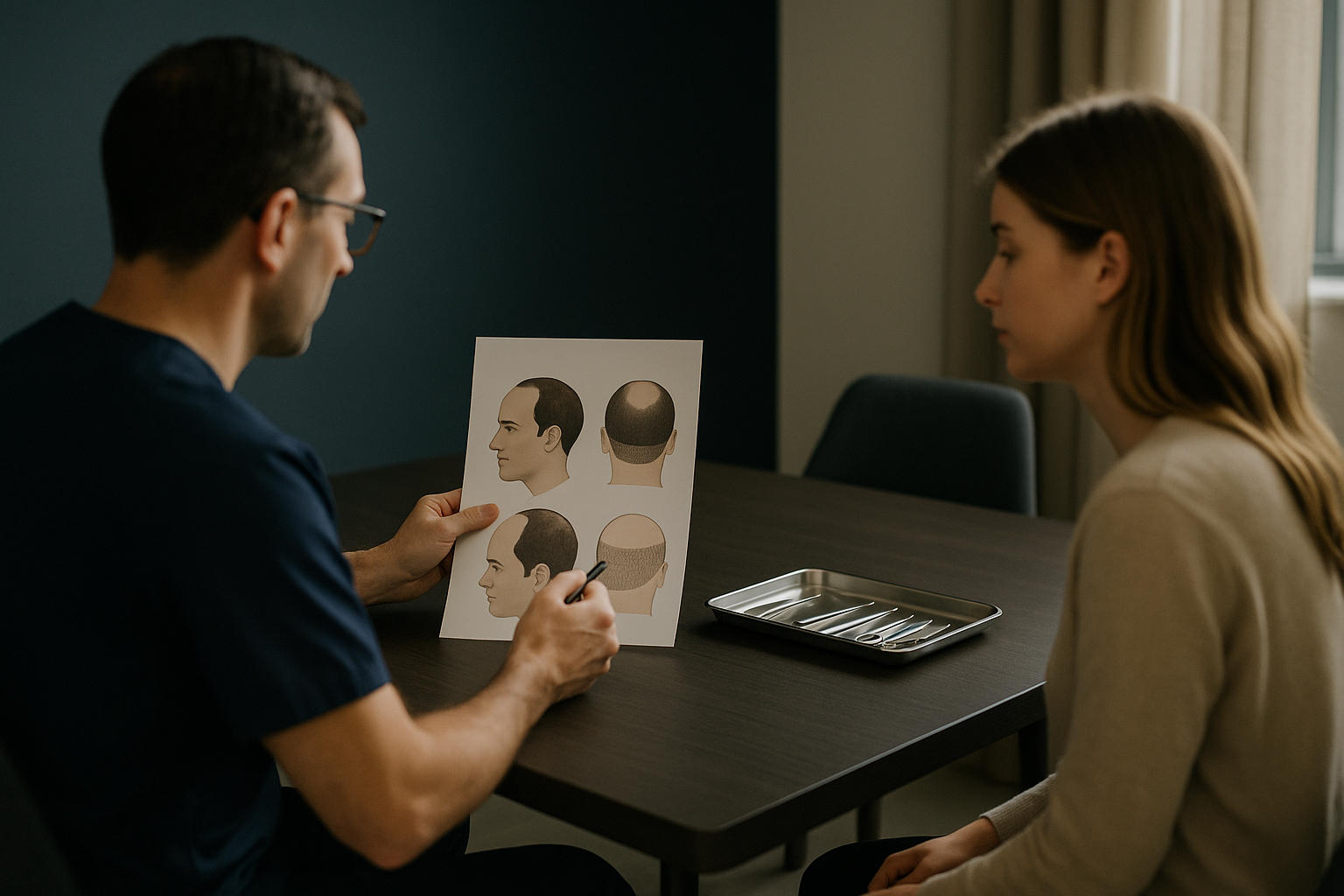
Hair loss can be a distressing experience for many individuals, leading them to explore various solutions. One of the most effective treatments is hair replantation. This guide provides comprehensive information on the process, costs, timelines, and safety considerations to help you make an informed decision.
What is Hair Replantation?
Hair replantation, commonly known as hair transplantation, is a surgical procedure aimed at treating hair loss. It involves harvesting hair follicles from a donor area, usually the back of the head, where hair is genetically resistant to balding. These follicles are then carefully implanted into balding or thinning areas, which can include the crown, temples, and hairline. This method offers a permanent solution to hair loss, as the transplanted hair continues to grow naturally, integrating seamlessly with existing hair.
The procedure is typically performed under local anaesthesia and can take anywhere from four to eight hours, depending on the extent of the transplantation required. Techniques such as Follicular Unit Transplantation (FUT) and Follicular Unit Extraction (FUE) are the most prevalent. FUT involves removing a strip of scalp from the donor area, while FUE extracts individual follicles. FUT can result in a linear scar, whereas FUE leaves minimal scarring, making it preferable for those who wear their hair short.
Results from hair replantation are often visible within a few months, with the full effects apparent after a year. Initially, patients might experience some hair shedding, known as “shock loss,” which is normal as new growth begins. This shedding is a part of the hair growth cycle and should not be a cause for concern. Hair replantation is suitable for both men and women experiencing pattern baldness, thinning hair, or hair loss due to injury or surgery. Candidates must have a sufficient amount of healthy hair follicles in the donor area and maintain realistic expectations about the outcomes. Consulting with a qualified hair restoration specialist can help determine individual suitability and the most appropriate treatment plan.
How Much Does Hair Replantation Cost?
The cost of hair replantation varies widely based on several factors, including the geographic location of the clinic, the surgeon’s expertise, and the number of grafts required. On average, prices can range from £2,000 to £15,000. In countries like the United States, the cost might be on the higher end, while countries like Turkey and India offer more affordable options due to lower operational costs, with procedures often costing between £1,500 and £5,000. This variance is primarily due to differences in living costs, medical infrastructure, and the demand for cosmetic surgery in these regions.
It’s essential to consider the total cost, which may include pre-surgery consultations, the procedure itself, post-surgery care, and any follow-up appointments. Some clinics offer package deals that can provide cost savings, bundling consultations, surgery, and post-operative care into one comprehensive fee. Additionally, financing options are often available, allowing patients to manage the expense over time rather than paying a lump sum upfront. Many clinics partner with medical financing companies to offer flexible payment plans, which can be a viable option for those on a budget.
When planning for hair replantation abroad, factor in travel and accommodation expenses, which can add a few hundred to a couple of thousand pounds to the overall cost depending on the destination. It’s advisable to research and compare different clinics to ensure you receive high-quality care at a reasonable price. Prioritising quality over cost is crucial, as the skill of the surgeon and the standards of the clinic significantly impact the success of the procedure. Cutting corners to save money can lead to unsatisfactory results and the need for corrective procedures, ultimately costing more in the long run.
What is the Timeline for Hair Replantation?
The timeline for hair replantation varies depending on the specific circumstances and the patient’s recovery rate. Pre-surgery consultations are usually scheduled a few weeks before the procedure to assess suitability and discuss expectations. During these visits, patients undergo a detailed scalp analysis and discuss their medical history to tailor the treatment plan to their needs. This stage is crucial for setting realistic expectations and understanding the limitations and potential outcomes of the procedure.
The actual procedure takes several hours, after which patients may experience mild discomfort, swelling, and redness in the treated and donor areas. Most people can return to work within a week, although strenuous activities and direct sun exposure should be avoided for at least a month to ensure proper healing. Patients are advised to sleep with their head elevated and avoid touching the treated areas to prevent dislodging the implants. This aftercare is vital for promoting healing and ensuring the longevity of the transplanted hair.
Hair growth typically begins within three months, with noticeable improvements by six months. During this period, it’s common for some of the transplanted hairs to fall out—a process known as “shock loss”—before new growth starts. Full results are generally visible after 12 months, showcasing a natural and fuller head of hair. The transplanted hair will continue to grow naturally, requiring regular hair care and maintenance similar to non-transplanted hair. Patients should follow a proper hair care regimen and attend regular follow-up appointments to monitor progress and address any concerns.
How Safe is Hair Replantation?
Hair replantation is generally considered safe when performed by qualified and experienced professionals. Like any surgical procedure, it carries some risks, including infection, scarring, and unnatural-looking results if not done correctly. The likelihood of complications increases if the procedure is performed by an unqualified practitioner or in a facility that does not adhere to high medical standards. It is crucial for patients to thoroughly vet their chosen clinic and surgeon to minimise these risks.
To minimise these risks, it’s crucial to choose a clinic with a strong track record and proper accreditation. Ensure the surgeon is board-certified and inquire about their experience with hair replantation specifically. A reputable surgeon will have a portfolio of before-and-after photos and patient testimonials that provide insight into their skill and success rates. Additionally, ensure the clinic follows stringent hygiene protocols and uses sterilised equipment to prevent infections.
Patient safety should always be a top priority. Discuss all potential risks and complications with your surgeon before proceeding with the treatment. It’s also important to follow pre- and post-operative care instructions meticulously to foster a smooth recovery and optimal results. Regular follow-up visits will help monitor progress and address any concerns promptly. Patients should also be aware of any signs of infection or complications and report them to their surgeon immediately.
What Are the Accreditation and Safety Standards?
When seeking hair replantation abroad, it’s important to verify the clinic’s accreditation and adherence to international safety standards. Accreditation bodies, such as the Joint Commission International (JCI) and the International Society of Hair Restoration Surgery (ISHRS), set benchmarks for quality and safety. These organisations evaluate clinics based on their adherence to rigorous operational procedures, patient care standards, and staff qualifications. Clinics with such accreditations are more likely to adhere to high standards, ensuring a safe and successful surgical experience.
Clinics accredited by these organisations are more likely to maintain high standards of care and have well-trained staff. Check the clinic’s certifications and patient reviews to gauge their reputation and reliability. Reviews from past patients can provide invaluable insights into the quality of care and the outcomes they experienced. Additionally, ensure that the clinic employs qualified staff who are experienced in hair replantation techniques.
Ensuring that the facility follows stringent hygiene protocols is also crucial for a safe and successful procedure. This includes the use of sterilised equipment, proper waste disposal, and a clean surgical environment. It might be beneficial to visit the clinic beforehand or conduct virtual tours to assess their facilities and hygiene practices. This due diligence is key to ensuring a safe surgical experience and satisfactory results. Patients should also inquire about emergency protocols and the availability of post-operative support.
How to Choose the Right Clinic for Hair Replantation?
Choosing the right clinic is a critical step in ensuring a successful hair replantation. Begin by researching clinics that specialise in hair restoration and have a proven track record of satisfied patients. Look for detailed reviews and ratings online, paying special attention to patient feedback regarding their experiences and the outcomes achieved. This research should also include checking the clinic’s accreditations and the surgeon’s credentials.
Consider factors such as the surgeon’s experience, the clinic’s accreditation, and patient testimonials. A seasoned surgeon with extensive experience in hair transplantation techniques and a high success rate is essential for achieving natural-looking results. It’s also advisable to schedule consultations with multiple clinics to compare their offerings and approach. During these consultations, ask specific questions about the techniques used, expected outcomes, and recovery processes. This will help you gauge the level of expertise and the quality of care you can expect.
Ensure that the clinic provides comprehensive pre- and post-operative care and is transparent about costs. A reputable clinic will offer detailed information and address all your concerns before the procedure, ensuring you feel confident and informed. Additionally, consider the clinic’s location and convenience, as multiple visits may be required for consultations and follow-ups. Taking the time to thoroughly vet potential clinics will significantly enhance your chances of a successful hair replantation experience. Remember, the cheapest option is not always the best, and quality should be your primary consideration.
Conclusion
Hair replantation offers a viable solution for those struggling with hair loss. By understanding the process, costs, timelines, and safety considerations, you can make an informed decision about undergoing this procedure. Thorough research and careful selection of a qualified clinic are essential to achieving the best results. With the right information and preparation, hair replantation can help restore not just your hair, but also your confidence and self-esteem.
Proven result
20 to 200 hair-transplant patients a month from Australia
Aesthetic surgery group
Frequently asked questions
How long does hair replantation take?
The procedure typically takes several hours, with full recovery and visible results taking up to 12 months.
Is hair replantation a permanent solution?
Yes, hair replantation offers a permanent solution as the transplanted hair continues to grow naturally.
What factors affect the cost of hair replantation?
Costs vary based on location, surgeon expertise, and the number of grafts required, among other factors.
Are there risks involved in hair replantation?
While generally safe, risks include infection and scarring, which can be minimised by choosing a qualified surgeon.
How do I verify a clinic's accreditation?
Check for accreditation by bodies like JCI or ISHRS and review patient testimonials and clinic certifications.
Related guides

Turkey Hospitals vs Local Hospitals Compared
A lower procedure quote can get a patient’s attention. It should not make the decision on its own.…

Patient Experience That Drives Trust and Growth
A patient who has already uploaded medical records, compared providers, and arranged time away from work is not…

What Is a Medical Travel Facilitator and Why Use One?
A lower treatment quote can look compelling until you try to compare what it actually includes: surgeon fees,…