
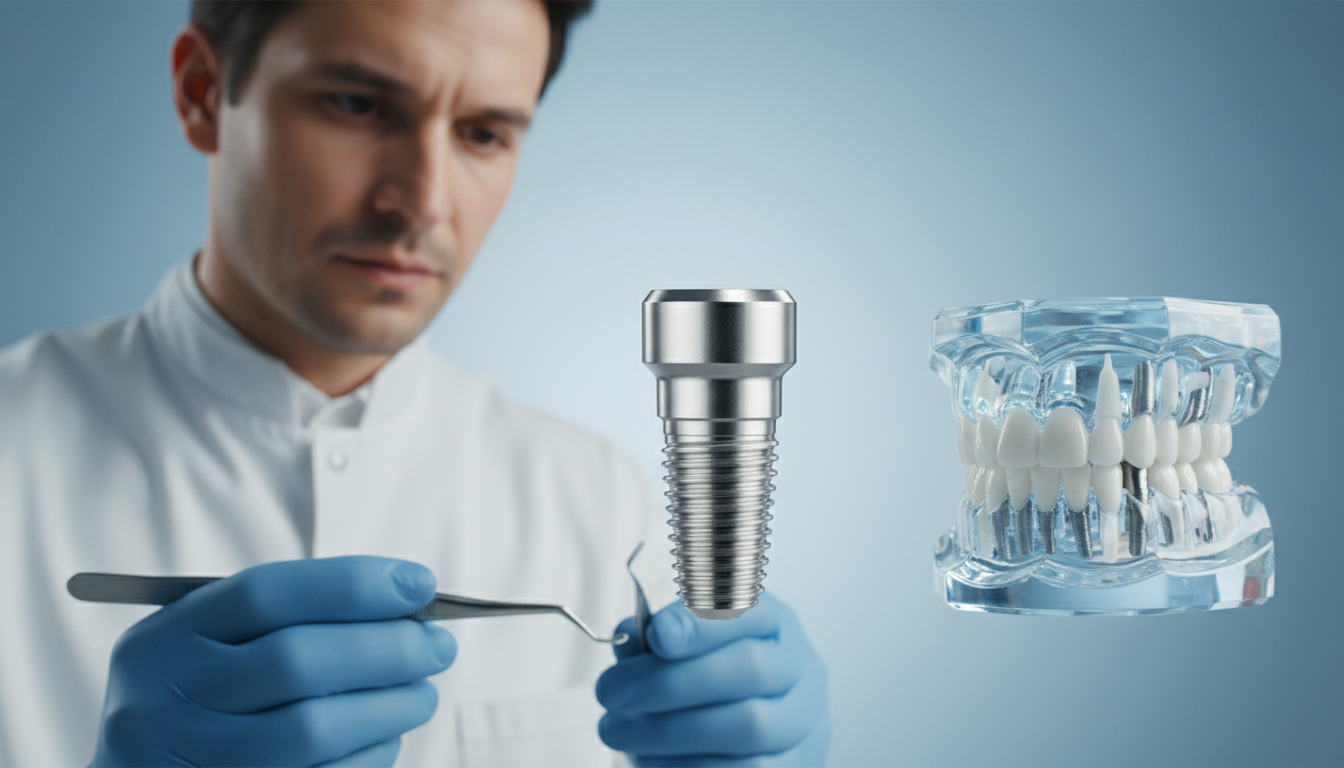
Can a single dental choice change how a person smiles, eats, and feels for decades? This question frames the search for a lasting tooth replacement option that balances form and function.
The brand behind many advanced dental solutions is known for precision engineering and thoughtful design. Quality and reliability guide its approach, giving patients a strong chance at long-term comfort and natural appearance.
These systems serve everyone from those needing a single tooth replacement to people pursuing full-mouth restoration. By using modern technology, straumann implants integrate with bone and surrounding tissues to create stable support for new teeth.
Key Takeaways
- Straumann dental implants are built for long-term performance and natural aesthetics.
- Advanced technology helps implants fuse with bone for stable tooth replacement.
- Options exist for single-tooth fixes and full-arch restorations.
- Patients seeking durable solutions often value the brand’s precision and research.
- Discussing cases with a qualified clinician helps match needs to available solutions.
Understanding Straumann Implant Everything You Need to Know for a Perfect Smile
Established in 1954, the firm has focused on research that shaped modern tooth replacement methods.
Since its founding, ongoing innovation has produced systems designed to replace missing teeth with predictable outcomes.
A qualified dentist assesses oral health to confirm whether straumann dental implants are the right treatment. This check looks at bone, gum health, and overall oral health needs.
These devices act as artificial roots and form a sturdy foundation for replacement teeth like crowns or bridges. Their precision engineering delivers the quality reliability that many patients expect when investing in long-term care.
- Proven research and development since 1954
- Clinician assessment tailors treatment to patient needs
- Engineered support for natural look and function
| Feature | Benefit | What Patients Can Expect |
|---|---|---|
| Precision engineering | Stable support for teeth | Improved chewing and comfort |
| Research-driven design | Proven materials and techniques | Predictable long-term results |
| Clinical assessment | Customized treatment plan | Better fit for individual needs |
The Science Behind High Performance Dental Implants
High-performance tooth solutions rely on materials science and engineered healing surfaces. This mix of metallurgy and biology helps deliver reliable long-term outcomes for patients.
Titanium and Roxolid Materials
Titanium is the backbone of modern dental devices because it is strong and well tolerated by the body. The Roxolid titanium-zirconium alloy boosts mechanical strength, making it useful where bone volume is limited.
The Role of Osseointegration
Osseointegration is the process where the implant fuses with jaw bone, creating stable support for prosthetic teeth. Advanced SLActive surface technology speeds that fusion and improves bone-to-implant contact, shortening the healing window.
- The use of Roxolid and titanium gives superior mechanical performance for complex cases.
- SLActive surface enhances early stability and supports predictable success rates.
- Clinical evidence shows success rates near 98%, reflecting high quality and dependable solutions.
Key Benefits of Choosing Straumann for Tooth Replacement
Long-term function and natural appearance drive choices in tooth replacement today. This section highlights why many patients favor high-quality restorative systems.
Longevity and Reliability
Decades of research support predictable outcomes and high success rates. Those who choose these options often report restored chewing and confidence that lasts.
There are versatile implant types, including bone level and tissue level options. Such variety helps match treatment to individual needs and local anatomy.
The brand’s engineering and integrated technology enhance early stability and long-term performance. Clinical success rates reflect the quality reliability many clinicians trust.
- Proven materials and design that help implants last for years.
- Options for single-tooth and full-arch restorations to suit varied needs.
- Patients gain a durable solution that restores form and function.
Navigating the Surgical Placement and Healing Process
Surgical placement and recovery shape the path from consultation to a stable tooth replacement. Clear steps and careful care help patients feel informed and reassured.
Initial Consultation and Assessment
The dentist begins with a full exam and 3D scans to assess bone quality and plan placement. This review identifies factors such as bone density and overall oral health that affect treatment options.
Surgical Placement Steps
The procedure is usually done under local anesthesia so the patient stays comfortable. During the surgery, precise tissue management guides the implant into the jawbone for optimal positioning.
The Healing Period
Healing focuses on osseointegration—where the implant bonds with bone. This can take several months before the final restoration is attached.
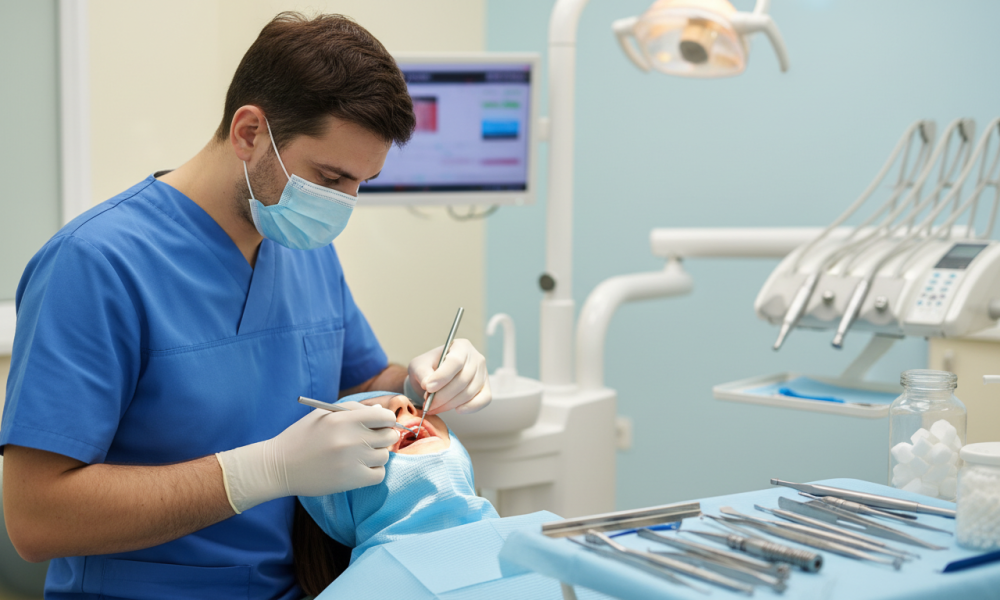
- 3D planning improves placement accuracy.
- Technology reduces discomfort and supports predictable outcomes.
- Overall health and bone quality influence healing time.
| Stage | What Happens | Patient Expectation |
|---|---|---|
| Assessment | 3D scans, medical review | Customized plan |
| Surgery | Local anesthesia, precise placement | Limited discomfort, brief recovery |
| Healing | Osseointegration over months | Stable foundation for final tooth |
Comparing Implant Systems and Advanced Technology
Modern systems pair surgical precision with digital planning to improve outcomes for many patients.
BLX designs enable immediate loading by delivering high primary stability, even in low-density bone. This can shorten treatment time and let a provisional tooth be placed sooner.
Digital tools such as CoDiagnostiX let clinicians plan placement with accuracy. Precise planning reduces intraoperative surprises and supports predictable healing.
- Material choices include titanium and ceramic, offering flexibility for varied needs.
- High success rates and consistent quality make these systems a strong long-term solution.
- Clinicians weigh factors such as bone volume and aesthetic goals when selecting implant types.
| Feature | Benefit | Clinical Impact |
|---|---|---|
| BLX immediate loading | High primary stability | Faster provisional restoration |
| CoDiagnostiX planning | Digital placement accuracy | Reduced surgical risk |
| Titanium & ceramic materials | Flexible options | Better match for patient needs |
Choosing the right system depends on the procedure, bone anatomy, and the patient’s goals. A thoughtful review helps ensure a successful, functional tooth replacement.
Essential Aftercare for Long Term Success
After surgery, consistent home care and routine exams make the biggest difference in long-term outcomes. Healthy gums and steady follow-up help protect the restoration and the surrounding bone.
Maintaining Oral Hygiene and Tissue Health
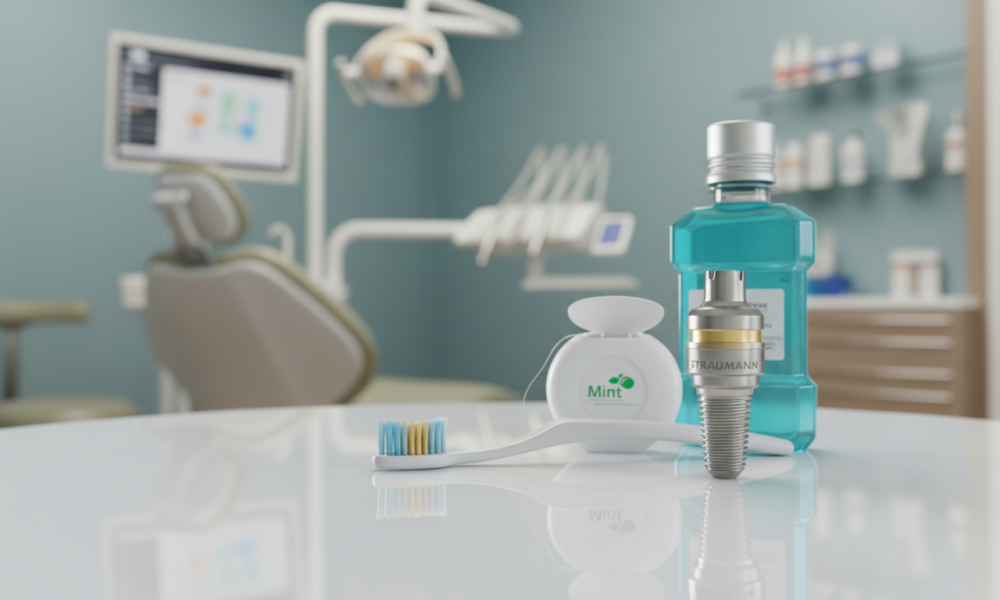
Proper care of straumann implants starts with a daily routine. Brushing twice and cleaning between teeth reduces plaque and supports tissue management.
Regular dental visits let clinicians monitor osseointegration and the implant surface. These checkups spot early signs of peri-implantitis and help maintain reliability and quality over time.
- Avoid smoking — it impairs healing and harms the implant surface and soft tissues.
- Follow clinician instructions to protect bone health and ensure implants last.
- Use recommended tools: soft brushes, interdental aids, and non-abrasive pastes for titanium devices.
| Care Action | Why It Matters | Patient Tip |
|---|---|---|
| Daily hygiene | Prevents biofilm and inflammation | Brush twice, floss once daily |
| Routine exams | Monitors healing and bone stability | Visit every 6 months or as advised |
| Avoid risk factors | Supports long-term success | Quit smoking; control diabetes |
Conclusion
For many facing missing teeth, a reliable restorative path can bring lasting comfort and natural appearance. Straumann dental implants often represent the gold standard for patients seeking an aesthetic, durable solution.
The International Plus team pairs over a decade of experience with a Medical Review Board that keeps treatment plans clinically current. This approach supports predictable healing and long-term success.
Interested patients can learn about costs and packages—especially for international care—by checking a concise breakdown like the dental implant cost in Turkey. Book a consultation with a qualified dentist to discuss needs, proper care, and next steps toward tooth replacement.
FAQ
What are the main materials used in high-performance dental replacements?
Modern high-performance tooth replacements commonly use medical-grade titanium and a titanium-zirconium alloy called Roxolid. These materials combine strength with biocompatibility, supporting reliable placement and long-term stability while promoting proper bone healing and tissue support.
How does osseointegration affect treatment success?
Osseointegration is the biological process where bone grows tightly around the metal surface. Strong osseointegration means the replacement becomes a fixed part of the jaw, improving chewing function and reducing micro-movement that can cause failure. Good bone volume and careful surgical technique support this process.
How long do tooth replacements typically last?
With high-quality materials and consistent oral care, many patients experience decades of reliable function. Longevity depends on factors such as bone health, oral hygiene, clenching or grinding, smoking, and regular dental checkups. Proper maintenance greatly increases success rates.
What should patients expect at the initial consultation?
The consultation includes medical and dental history review, oral exam, X-rays or 3D scans, and discussion of treatment options. The dentist assesses bone volume, soft tissue condition, and overall health to recommend a personalized plan that balances function and aesthetics.
What are the typical surgical placement steps?
Surgery usually involves local anesthesia, precise placement of the metal post into the jawbone, and closure to allow healing. In some cases a healing cap or temporary restoration is placed. Minimally invasive techniques and guided surgery improve accuracy and reduce discomfort.
How long is the healing period before a final tooth is attached?
Healing varies but typically ranges from a few weeks to several months, depending on bone quality and whether bone grafting was needed. During this time, the metal post bonds with bone. The dentist monitors healing and places the final restoration once stability and tissue health are confirmed.
How do advanced implant systems differ from older options?
Newer systems offer optimized surface treatments, stronger alloys, and digital workflows for planning and placement. These advances improve initial stability, speed up integration, and allow for more precise prosthetic outcomes. They also expand options for patients with limited bone.
What daily aftercare supports long-term success?
Maintain excellent oral hygiene with brushing, interdental cleaning, and antimicrobial rinses as recommended. Avoid hard or sticky foods during healing, quit smoking, and attend regular dental visits for professional cleaning and checks to preserve tissue health and function.
Are there risks, and how common are complications?
Complications are uncommon when planning and technique are appropriate, but can include infection, insufficient bone integration, or soft tissue issues. Risk increases with poor oral hygiene, uncontrolled medical conditions, and tobacco use. Early detection and management improve outcomes.
Who is a good candidate for this type of tooth replacement?
Good candidates are adults in generally good health with sufficient bone or who are willing to undergo bone grafting. A thorough assessment of systemic health, oral condition, and patient goals helps determine suitability and tailor the treatment plan.
How do prosthetic options vary?
Prosthetic choices include single crowns, fixed bridges, and removable overdentures. The selection depends on the number of missing teeth, jawbone condition, aesthetic needs, and budget. The dentist discusses pros and cons to match function and appearance.
What follow-up schedule is recommended after placement?
Typical follow-up includes an early post-op check within a week, periodic reviews during healing, and routine visits every 3–12 months afterward. The dentist evaluates integration, gum health, and prosthetic function, and performs professional cleaning as needed.
Can these solutions work for patients who had head and neck cancer treatment?
Many cancer survivors can benefit, but planning requires coordination with oncology and assessment of bone and soft tissue changes from radiation or surgery. Specialized protocols and collaboration with experienced clinicians reduce risks and support safe, effective care.
Related guides
How Long Does a Dental Implant Procedure Take?
Curious if the journey to a restored smile will fit your life? Many patients wonder about the full…

Best Hair Transplant in Istanbul,Turkey
Could one clinic end years of worry and restore your confidence with a clear, tailored plan?Dr. Serkan Aygin…
What is Zygomatic Dental Implant?
Could anchoring into the cheekbone restore a confident smile when the upper jaw can’t?Zygomatic dental implants offer an…