
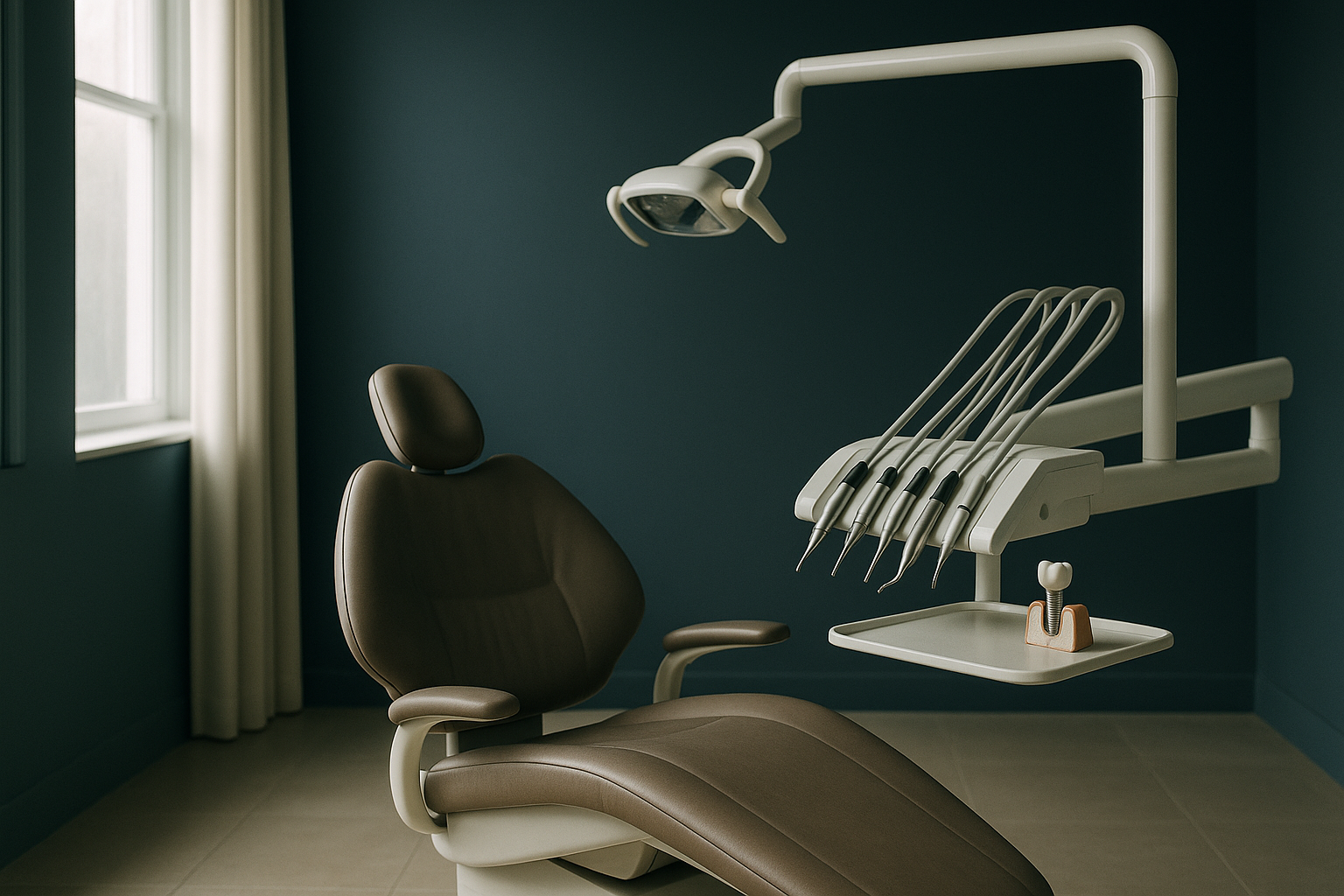
When considering dental implants, understanding the cost breakdown is crucial. A tooth implant is a long-term investment in your oral health, often prompting questions about expenses, timelines, and safety.
How Much Does a Tooth Implant Cost for One Tooth?
The cost of a tooth implant for one tooth varies widely, typically ranging from $1,500 to $6,000. This price range can be influenced by several factors, including geographical location, the complexity of the procedure, and the specific materials used. For instance, areas with higher living costs often see elevated price points due to increased overheads for dental practices. Consequently, urban centers such as New York City or Los Angeles typically showcase prices closer to the upper spectrum, whereas more rural areas might present relatively competitive rates, providing an opportunity for patients to access quality care at a lower cost.
It is also important to note that this price generally includes three critical components: the implant fixture, abutment, and crown. The implant fixture is a titanium post surgically inserted into the jawbone, serving as an artificial root for the new tooth. The abutment acts as a connector, securing the crown, which is the visible and functional part of the tooth, to the implant. However, additional costs can arise from consultation fees, imaging, and any necessary preparatory surgeries, such as bone grafting, which can significantly impact the total expenditure.
For those exploring international options, countries like Mexico, Thailand, and Hungary offer quality care at reduced prices, often 40% to 60% less than in the U.S. While this presents a cost-effective alternative, potential patients must consider the added expenses of travel and accommodation, along with potential logistical challenges of follow-up visits. These factors are essential when calculating the overall budget and convenience for long-term dental care.
Factors Affecting Dental Implant Costs
Several factors can influence the cost of a dental implant, with geographical location being a primary determinant. Urban clinics, due to higher operational costs and increased demand, often charge more compared to their rural counterparts. For instance, dentists in bustling metropolitan areas may face elevated rent and staff salaries, which subsequently reflect in their pricing. Conversely, clinics in less populated regions might offer more competitive pricing due to lower overheads and reduced demand, providing a cost-effective alternative for patients willing to travel.
Another significant factor affecting cost is the dentist’s experience and reputation. Experienced professionals, often with advanced certifications or specializations in implantology, tend to command higher fees. While this may increase the initial cost, it often correlates with higher success rates and fewer complications, potentially saving money in the long run. Patients should carefully weigh the benefits of choosing a seasoned expert against the upfront expense, as opting for a less experienced practitioner might lead to additional costs if complications arise.
- Geographical location
- Experience of the dental professional
- Materials used (e.g., titanium vs. zirconia)
The materials used in the implant process also play a crucial role in determining cost. Titanium implants are the standard choice due to their proven durability and biocompatibility. Alternatively, zirconia implants provide a metal-free solution, appealing to patients with metal allergies or those concerned about aesthetics. However, zirconia can increase costs by $500 to $1,000, largely due to its premium appeal and manufacturing process. Furthermore, additional procedures like bone grafting or sinus lifts, necessary for some patients to ensure sufficient bone structure, may further elevate the overall cost.
Bone grafting, for instance, can add anywhere from $200 to $3,000, depending on the complexity and amount of grafting material required. Similarly, sinus lifts, often necessary for implants in the upper jaw, can add an extra $1,500 to $2,500. These ancillary procedures are vital for creating a stable foundation for the implant, ensuring its long-term success and stability.
Understanding the Dental Implant Procedure
The dental implant process is multifaceted, consisting of several stages, each contributing to the overall cost. Initially, a thorough consultation and assessment determine the patient’s suitability for implants. This stage often involves X-rays or 3D imaging, costing between $100 and $300, to evaluate bone health and structure. These diagnostic tools are crucial for meticulous planning and ensuring the implant’s long-term success, providing a clear picture of the jawbone’s condition and the precise placement of the implant.
The next step involves the surgical placement of the implant, where a titanium post is inserted into the jawbone. This procedure requires precision and expertise, as improper placement can lead to complications such as nerve damage or poor osseointegration. The healing phase, which allows for osseointegration, is critical for the implant’s stability and can last anywhere from three to six months. During this time, the bone naturally integrates with the implant, creating a secure foundation for the new tooth.
Following successful osseointegration, the abutment is attached to the implant, followed by the placement of a custom crown. The crown, designed to match the size, shape, and color of surrounding teeth, ensures a natural appearance and restores full functionality. Regular follow-up visits are essential during this stage to monitor the implant’s stability and health, allowing for timely interventions if issues such as implant loosening or gum disease arise. These visits ensure long-term success and patient satisfaction, culminating in a durable and aesthetically pleasing dental solution.
Comparing Costs: Dental Implants vs. Veneers
While dental implants are a solution for missing teeth, veneers offer an aesthetic enhancement for existing teeth. Veneers consist of thin shells bonded to the front of teeth to improve their appearance, addressing issues such as discoloration or minor misalignments. This cosmetic solution is popular among individuals seeking to enhance their smile without undergoing invasive procedures. However, it’s important to differentiate between the functional and aesthetic benefits of these two options when considering the tooth implant cost for one tooth.
| Procedure | Average Cost Per Tooth |
|---|---|
| Dental Implant | $1,500 – $6,000 |
| Porcelain Veneers | $800 – $2,500 |
Porcelain veneers typically range from $800 to $2,500 per tooth, influenced by factors such as the complexity of application and materials used. While veneers are less invasive and provide immediate cosmetic improvement, they do not offer the structural benefits of implants. For instance, veneers do not preserve jawbone integrity, a critical factor for maintaining facial structure. Moreover, veneers require replacement every 5 to 10 years, contributing to higher long-term costs compared to the more durable dental implants.
Dental implants, by contrast, are designed to last a lifetime with proper care, offering superior durability and functionality. They not only restore the appearance and function of a missing tooth but also help maintain jawbone density, preventing potential facial structure changes over time. When comparing these two options, it’s vital to consider both the immediate costs and long-term benefits, aligning them with individual dental needs and goals.
Timelines and Recovery for Dental Implants
The timeline for obtaining a dental implant is multifaceted, typically spanning several months from initial consultation to final crown placement. The most extended phase is the healing period after the implant is placed, often requiring three to six months for osseointegration. This critical period allows the bone to grow around the implant, establishing a secure foundation essential for the implant’s stability and longevity.
During recovery, patients may experience minor discomfort, swelling, or bruising, which generally subside within a week. Following the dentist’s post-operative care instructions is paramount to facilitate healing and avoid complications. These instructions may include using ice packs to reduce swelling, adhering to prescribed medications for pain management, and abstaining from hard foods that may disturb the healing implant.
Regular check-ups during this recovery period are crucial to monitor progress and address any emerging issues, ensuring a smooth healing process. Despite the lengthy timeline, the long-term benefits of dental implants, such as enhanced durability and aesthetics, make them a worthwhile investment for many individuals. Patients should carefully weigh the benefits of the procedure against the time commitment, considering factors such as overall oral health, lifestyle, and financial situation to make an informed decision.
Ensuring Safety and Accreditation
When planning for dental implants, ensuring the safety and accreditation of your chosen dental professional is paramount. Selecting a practitioner with the appropriate qualifications and experience is crucial for a successful outcome. It’s advisable to look for practitioners certified by recognized dental associations, which ensure adherence to high standards and ethical practices. These certifications often require ongoing education and training, keeping practitioners abreast of the latest techniques and technologies in dental implantology.
The clinic’s adherence to rigorous hygiene protocols is equally important in preventing infections and ensuring patient safety. Prospective patients should inquire about the sterilization methods used and the clinic’s track record in performing successful implant procedures. High-quality clinics adhere to strict guidelines for cleanliness and patient safety, reducing the risk of complications such as infections or implant failure.
- Check practitioner certifications
- Inquire about sterilization protocols
- Review clinic’s success rates
Prioritizing safety and accreditation reduces risks and enhances the likelihood of a successful implant outcome. Patients should also consider seeking testimonials or reviews from previous patients to gain insight into the quality of care and satisfaction levels. Conducting a thorough investigation into the chosen clinic and practitioner can provide peace of mind and ensure a positive experience, leading to satisfactory results that meet both functional and aesthetic dental needs.
Conclusion: Making Informed Decisions
Understanding the cost breakdown of a single tooth implant is crucial for making informed decisions. By considering factors such as geographical location, materials, and additional procedures, patients can better prepare for the financial investment involved. A comprehensive cost evaluation helps avoid unexpected expenses and allows for better financial planning.
Moreover, comparing dental implants with other restorative options like veneers can help determine the most suitable solution for your dental needs. While veneers might offer a quicker, less invasive solution, their long-term costs and lack of functional benefits make implants a more appealing choice for many. Evaluating personal dental goals and consulting with a trusted dental professional can aid in choosing the best option.
Prioritizing safety, accreditation, and thorough research ensures a positive experience and satisfactory results. By taking the time to investigate potential dentists, clinics, and treatment options, patients can achieve a successful outcome that meets both their aesthetic and functional dental needs. Ultimately, investing in the right dental care can lead to improved oral health and confidence for years to come.
Proven result
40× monthly international patients since 2018
One of Türkiye's largest IVF centres
Frequently asked questions
How much do dental implants cost per tooth?
Dental implants typically cost between $1,500 and $6,000 per tooth, depending on various factors like location and materials used.
How much do veneers cost per tooth?
Veneers generally range from $800 to $2,500 per tooth, with costs varying based on material and complexity of the case.
What affects the cost of a dental implant?
Factors include geographical location, dentist experience, material choice, and any additional procedures like bone grafting.
How long does a dental implant procedure take?
The entire process can take several months, with the implant placement and healing period being the longest stages.
Are dental implants safe?
Dental implants are generally safe, especially when performed by certified professionals in accredited clinics.
Related guides

What Is a Medical Travel Facilitator and Why Use One?
A lower treatment quote can look compelling until you try to compare what it actually includes: surgeon fees,…

What Hospital Accreditation Reviews Really Tell You
A hospital can have polished facilities, prominent surgeons, and hundreds of five-star ratings, yet those signals do not…

International Patient Onboarding Guide for Hospitals
An international patient inquiry is not simply a lead. It is a person weighing a major medical decision…