
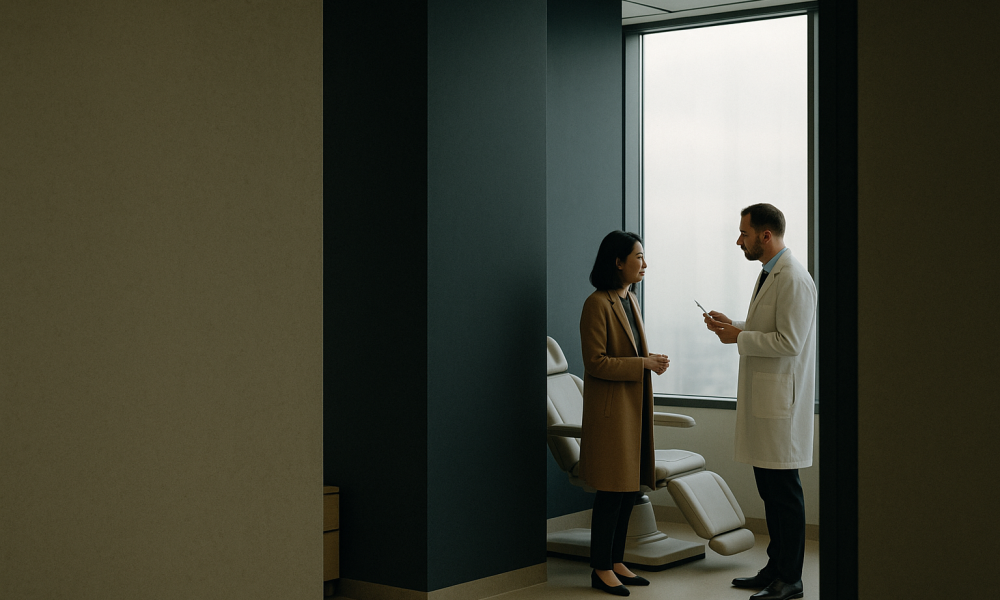
What Anti-Wrinkle Injections is and who it is for
Anti-wrinkle injections, commonly known as botulinum toxin injections, are a popular non-surgical cosmetic procedure aimed at reducing the appearance of facial wrinkles and fine lines. These injections work by temporarily relaxing the facial muscles that contribute to wrinkle formation, resulting in a smoother, more youthful appearance. The procedure is typically quick, often taking between 15 to 30 minutes, and does not require anaesthesia, making it a convenient choice for many individuals seeking to enhance their appearance without undergoing surgery.
Primarily used to target dynamic wrinkles, which are caused by repetitive facial movements such as frowning, smiling, or squinting, anti-wrinkle injections are most effective on areas like the forehead, between the eyebrows (glabellar lines), and around the eyes (crow’s feet). While the results are not permanent, they can last between three to six months, after which repeat treatments may be pursued to maintain the desired look.
In Turkey, this procedure has gained significant popularity due to the country’s high standards of medical care and cost-effective pricing. Many international patients, particularly from the United Kingdom, consider Turkey for their treatments owing to the combination of quality and affordability. Typically, the cost of anti-wrinkle injections in Turkey ranges from £150 to £300 per area treated, which is significantly lower than the prices in the UK.
Anti-wrinkle injections are suitable for both men and women who wish to reduce the visibility of facial wrinkles and achieve a rejuvenated appearance. Individuals in their late 20s to 60s are the most common candidates, although younger individuals may also opt for the procedure as a preventative measure against the formation of deep-set wrinkles. The treatment is also chosen by those looking for a quick and minimally invasive method to refresh their appearance without the downtime associated with surgical procedures.
Are you a good candidate?
Determining whether you are a good candidate for anti-wrinkle injections involves several factors. While the procedure is generally safe and well-tolerated, it is not suitable for everyone. Below is a checklist to help you assess your suitability:
- Age: Ideally, candidates should be over 18 years old. Most are in their late 20s to 60s, but younger individuals may seek preventative treatment.
- Health Status: Candidates should be in good overall health. Those with certain neurological disorders or allergies to the ingredients in the injection may not be eligible.
- Skin Condition: Candidates should have healthy skin in the treatment area, free of infections or severe skin conditions.
- Expectations: Having realistic expectations is crucial. While injections can significantly reduce wrinkles, they may not eliminate them entirely.
- Pregnancy and Nursing: Women who are pregnant or breastfeeding should avoid this treatment.
- Previous Allergic Reactions: If you have a history of allergic reactions to botulinum toxin or any of its components, you should not undergo this procedure.
Additionally, candidates should understand that while the procedure offers temporary results, regular treatments are needed to maintain the effect. It is also important for potential candidates to consult with a qualified practitioner to discuss their medical history, concerns, and desired outcomes. This consultation will help ensure that the procedure is appropriate for their individual needs and circumstances.
By carefully considering these factors and consulting with a healthcare professional, prospective patients can make an informed decision about whether anti-wrinkle injections are the right choice for them.
The procedure, step by step
Undergoing anti-wrinkle injections in Turkey involves a systematic approach designed to ensure patient safety and optimal results. Here’s a detailed step-by-step guide to what you can expect during the procedure:
- Initial Consultation: Before the procedure, you’ll have a thorough consultation with a qualified practitioner. This session includes discussing your medical history, any allergies, and previous cosmetic procedures. The practitioner will perform a facial assessment to determine the appropriate injection sites and dosage.
- Preparation: On the day of the procedure, you’ll be asked to arrive with a clean face, free from makeup and skincare products. The practitioner may apply a topical anaesthetic cream to minimise discomfort, although many patients find the procedure tolerable without it.
- Marking the Injection Sites: The practitioner will use a fine marker to indicate the precise points where the injections will be administered. These points are strategically selected based on your facial anatomy and the desired outcome.
- Administering the Injections: Using a very fine needle, the practitioner will inject a small amount of botulinum toxin into the targeted muscles. The injections are quick, typically taking 10 to 30 minutes, depending on the number of areas treated. Patients often describe the sensation as a small pinch or sting.
- Post-Injection Monitoring: After the injections, you’ll remain in the clinic for a short period to ensure there are no immediate adverse reactions. The practitioner will provide you with specific aftercare instructions to optimise results and minimise side effects.
- Follow-Up Appointment: A follow-up appointment may be scheduled 1 to 2 weeks after the procedure to assess the results and, if necessary, administer any touch-ups. This appointment ensures that the treatment has achieved the desired effect and allows for any adjustments.
Throughout the procedure, the focus is on patient comfort and achieving a natural, rejuvenated appearance. It’s crucial to communicate openly with your practitioner about your expectations and any concerns you may have.
Recovery timeline
Understanding the recovery timeline for anti-wrinkle injections is essential for managing expectations and planning post-procedure care. Here is a detailed overview of what you can expect from the day of treatment to full recovery.
| Period | What to expect | Care notes |
|---|---|---|
| Day 1 | Immediately after the procedure, minor redness and swelling at the injection sites are common. Some patients may experience slight bruising. | Avoid rubbing or massaging the treated areas. Stay upright for at least 4 hours post-treatment to prevent migration of the toxin. |
| Days 2-3 | Redness and swelling should begin to subside. Bruising, if present, may become more apparent before it starts to fade. | Continue to avoid strenuous exercise and exposure to heat, such as saunas or hot showers, to minimise swelling. |
| Days 4-7 | Initial effects of the injections may start to become noticeable. Muscle relaxation begins, leading to a reduction in the appearance of wrinkles. | Maintain a gentle skincare routine. Use sunscreen to protect your skin from UV exposure, which can affect results. |
| Week 2 | The full effect of the treatment is typically visible by this time. Wrinkles appear smoother, and the overall facial expression is more relaxed. | Attend your follow-up appointment if scheduled. Discuss any concerns or additional adjustments with your practitioner. |
| Weeks 3-4 | Results are stable, and any residual bruising or swelling should have resolved. The treated areas should look natural and refreshed. | Continue regular skincare and sun protection. Monitor the longevity of the results for future treatment planning. |
Overall, the recovery period is minimal, and most patients can resume normal activities shortly after the procedure. However, adhering to post-treatment care guidelines is crucial for optimal results and minimising potential side effects.
What it costs: Turkey vs the United Kingdom
When considering anti-wrinkle injections, cost is a significant factor for many patients. Turkey has become a popular destination for these treatments due to its competitive pricing and high-quality services. However, understanding the cost differences between Turkey and the United Kingdom is crucial for making an informed decision.
The cost of anti-wrinkle injections can vary depending on several factors, including the clinic’s location, the expertise of the practitioner, and the number of injection units required. In Turkey, you can typically expect to pay between £100 to £300 per treatment session. In contrast, prices in the United Kingdom generally range from £200 to £500 per session.
| Country | Indicative Price Range (per session) | Typical Package Inclusions |
|---|---|---|
| Turkey | £100 – £300 | Consultation, treatment session, post-procedure care |
| United Kingdom | £200 – £500 | Consultation, treatment session, follow-up appointment |
It’s important to note that these figures are indicative and can vary. In Turkey, many clinics offer packages that include consultation, the treatment itself, and post-procedure care, such as follow-up consultations to monitor the results and address any concerns. Some clinics may also provide transportation services from the airport to the clinic, especially for international patients.
In the UK, the cost generally covers the consultation and treatment session, with some clinics offering a follow-up appointment included in the price. However, additional services, such as touch-ups or further consultations, may incur extra charges.
When comparing costs, it’s essential to consider not only the price but also what is included in the package. While the upfront cost in Turkey may be lower, ensure that the clinic provides comprehensive care that meets your needs. Furthermore, travel costs, accommodation, and any other expenses related to travelling to Turkey should also be factored into your budget.
Ultimately, the decision should be based on a balance of cost, quality of care, and personal convenience.
Risks and how accredited providers manage them
As with any medical procedure, anti-wrinkle injections come with certain risks. It’s crucial to understand these risks and how accredited providers in Turkey manage them to ensure patient safety.
The most common risks associated with anti-wrinkle injections include bruising, swelling, and redness at the injection site. These side effects are generally mild and temporary, resolving within a few days. However, more serious complications, although rare, can occur. These include infection, allergic reactions, and unintended effects such as drooping eyelids or asymmetry.
Accredited providers in Turkey take several steps to mitigate these risks. Firstly, they ensure that only qualified and experienced practitioners perform the injections. Practitioners are often board-certified dermatologists or plastic surgeons with specific training in administering anti-wrinkle injections. This expertise reduces the likelihood of complications and enhances the overall safety of the procedure.
Additionally, reputable clinics in Turkey adhere to stringent hygiene and safety protocols. This includes using sterile equipment and maintaining a clean environment to minimise the risk of infection. Providers also conduct thorough pre-treatment assessments to evaluate a patient’s suitability for the procedure. During these assessments, practitioners discuss the patient’s medical history and any potential allergies or contraindications.
Informed consent is another critical component of risk management. Accredited providers ensure that patients fully understand the potential risks and benefits of the procedure before proceeding. This transparency helps manage patient expectations and allows them to make informed decisions about their treatment.
Post-procedure, clinics provide detailed aftercare instructions to help patients manage any side effects and achieve the best possible results. Follow-up consultations are often included in the treatment package to monitor the patient’s progress and address any concerns promptly.
Moreover, in the unlikely event of a complication, accredited providers are equipped to offer appropriate medical intervention. This may involve corrective treatments or referrals to specialists if necessary.
When considering anti-wrinkle injections in Turkey, choosing an accredited provider is paramount. Accreditation by recognised international bodies ensures that the clinic meets high standards of care and safety. Patients can feel reassured knowing that their treatment is in the hands of professionals committed to minimising risks and enhancing outcomes.
How to choose the right provider
Choosing the right provider for anti-wrinkle injections in Turkey is a crucial step to ensure both safety and satisfaction with your results. Begin by verifying the accreditation of the clinic. Look for facilities accredited by reputable international healthcare organizations, such as the Joint Commission International (JCI) or the International Organization for Standardization (ISO). Accreditation ensures that the clinic adheres to high standards of care and hygiene.
Next, consider the experience of the practitioner. It is advisable to select a surgeon or dermatologist who specializes in cosmetic procedures and has extensive experience administering anti-wrinkle injections. Ask for the practitioner’s credentials, such as board certifications and professional memberships. Additionally, inquire about their track record; reputable providers will have documented case studies or patient testimonials.
Aftercare is an integral part of the treatment process. A reliable provider will offer comprehensive aftercare instructions and follow-up consultations. These may include guidance on managing side effects, such as mild bruising or swelling, and advice on activities to avoid in the days following the procedure. Ensure that the clinic provides a clear aftercare plan and is accessible for any post-treatment concerns.
Be vigilant for red flags during your search. Avoid clinics that offer significantly lower prices than the typical range of £150-£400 per session, as this may indicate compromised quality. Be wary of providers who guarantee specific results, as individual responses to treatment can vary. Also, avoid clinics that pressure you into immediate decisions or require large upfront payments without a clear refund policy.
Ultimately, choosing the right provider involves thorough research and due diligence. Take the time to compare multiple clinics, read reviews, and consult with former patients if possible. This careful approach will help ensure that your experience is both safe and satisfactory.
Planning your trip
Planning your trip to Turkey for anti-wrinkle injections requires meticulous preparation to ensure a smooth and stress-free experience. Begin by establishing a timeline, allowing sufficient time before travel to conduct thorough research and consultations. Ideally, plan your trip at least 4-6 weeks in advance to accommodate consultations, travel arrangements, and any necessary vaccinations or health checks.
Ensure you have all required documents in order. A valid passport is essential, with an expiry date at least six months beyond your planned return. Check visa requirements for Turkey; UK citizens typically require an e-Visa, which is straightforward to obtain online. Additionally, carry any medical records that might be relevant to your treatment, as these can provide valuable context for your practitioner.
Consider the length of stay necessary for your treatment. While the procedure itself is usually completed in a single session, it is advisable to stay in Turkey for at least 2-3 days post-treatment. This allows time for any immediate side effects to subside and for a follow-up consultation with your provider. Factor in additional time for travel and leisure, if desired.
Plan for follow-up care once back home in the UK. Identify a local dermatologist or healthcare provider who can assist with any post-treatment concerns and ensure ongoing monitoring of your results. Having a follow-up plan in place provides peace of mind and ensures continuity of care.
Finally, budget for your trip comprehensively. In addition to the cost of the injections, which typically range from £150 to £400 per session, account for travel expenses, accommodation, and any incidental costs. Consider purchasing travel insurance that covers medical procedures abroad, providing additional security against unforeseen circumstances.
With careful planning and preparation, your trip for anti-wrinkle injections can be a positive and rewarding experience, combining effective treatment with the opportunity to explore Turkey’s rich culture and heritage.
Frequently Asked Questions
What are anti-wrinkle injections?
Anti-wrinkle injections, commonly known as Botox, are a cosmetic treatment used to reduce the appearance of facial wrinkles. They work by temporarily relaxing the facial muscles that cause wrinkles, resulting in a smoother skin appearance. The effects are not permanent, typically lasting 3 to 6 months. The procedure is minimally invasive and is often completed within 15 to 30 minutes.
How much do anti-wrinkle injections cost in Turkey?
The cost of anti-wrinkle injections in Turkey typically ranges from £150 to £400 per session. Prices can vary depending on the clinic's location, the practitioner's experience, and the amount of product used. It's important to consider the total cost, including travel and accommodation, when planning your treatment abroad.
How safe are anti-wrinkle injections?
Anti-wrinkle injections are generally considered safe when administered by qualified and experienced practitioners. Common side effects are mild and may include bruising, swelling, or redness at the injection site. Serious complications are rare but can occur if the injection is improperly administered. Choosing an accredited clinic and a certified practitioner is crucial to ensure safety.
How long do the effects of anti-wrinkle injections last?
The effects of anti-wrinkle injections typically last between 3 to 6 months. Over time, muscle action gradually returns, and the lines and wrinkles reappear. Regular treatments are required to maintain the desired effect, and the duration can vary based on individual factors such as muscle strength and metabolism.
What should I expect during the procedure?
During the procedure, a fine needle is used to inject a small amount of botulinum toxin into specific facial muscles. The process is quick, taking about 15 to 30 minutes, and requires no anaesthesia. Patients may experience minor discomfort, akin to a pinprick. Normal activities can usually be resumed immediately post-procedure.
What are the potential side effects?
Potential side effects of anti-wrinkle injections include temporary bruising, swelling, redness, and slight pain at the injection site. Some patients may experience headaches or flu-like symptoms. Rarely, unintended muscle weakness can occur. Most side effects are mild and resolve within a few days. Discuss any concerns with your practitioner prior to treatment.
How do I prepare for anti-wrinkle injections?
Preparation for anti-wrinkle injections involves avoiding alcohol and blood-thinning medications, such as aspirin, for at least 24 hours before the procedure to reduce the risk of bruising. It's also advisable to discuss any medical conditions or medications with your practitioner to ensure the treatment is safe and appropriate for you.
Can I combine anti-wrinkle injections with other treatments?
Yes, anti-wrinkle injections can often be combined with other cosmetic treatments, such as dermal fillers, chemical peels, or laser treatments, to enhance overall facial rejuvenation. Consult with your practitioner to develop a tailored treatment plan that addresses your specific goals and ensures the safety and effectiveness of combined procedures.
Are there any restrictions after treatment?
Post-treatment, patients are advised to avoid rubbing or massaging the treated area for at least 24 hours to prevent the toxin from spreading to unintended areas. Strenuous exercise, exposure to excessive heat, and alcohol consumption should also be avoided during this time. Your practitioner will provide detailed aftercare instructions tailored to your specific treatment.
How soon will I see results?
Results from anti-wrinkle injections typically begin to appear within 3 to 5 days, with the full effect visible after about 10 to 14 days. The gradual onset allows for a natural-looking improvement, and patients often notice a smoother, more youthful appearance as the treated muscles relax.
Is there a risk of allergic reactions?
Allergic reactions to anti-wrinkle injections are extremely rare, but they can occur. Symptoms may include itching, rash, or difficulty breathing. It's important to inform your practitioner of any known allergies or previous reactions to botulinum toxin products before undergoing treatment. Emergency medical attention should be sought if severe allergic symptoms develop.
What is the follow-up care like after treatment?
Follow-up care typically involves a post-treatment consultation to assess the results and address any concerns. If necessary, adjustments can be made to enhance the outcome. Your practitioner will provide advice on maintaining results and may recommend regular treatments every 3 to 6 months to sustain the desired effect.