
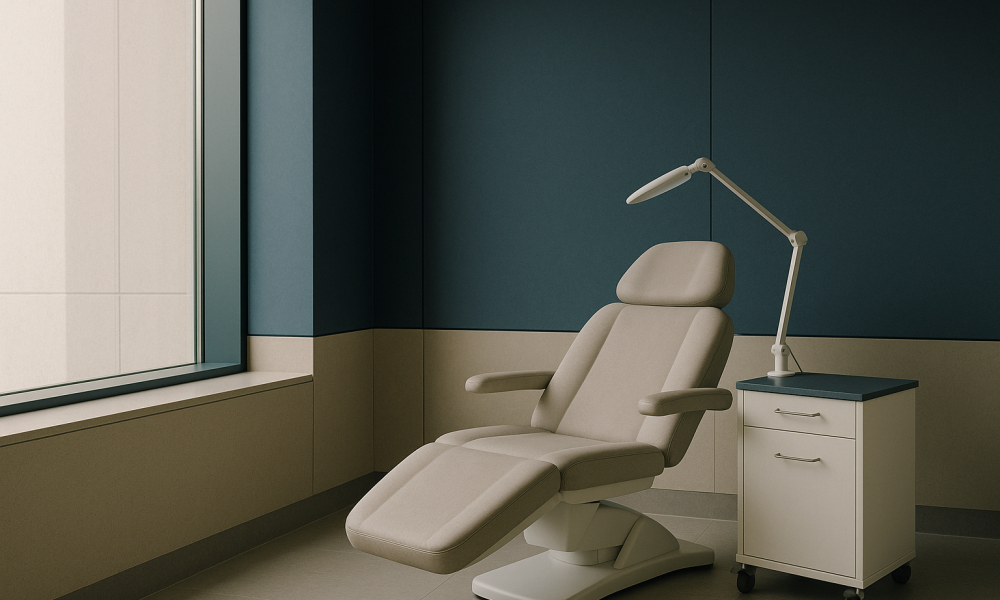
What Anti-Wrinkle Injections is and who it is for
Anti-wrinkle injections, commonly known as Botox, are a non-surgical cosmetic treatment designed to reduce the appearance of fine lines and wrinkles. These injections utilise a purified form of botulinum toxin type A, which temporarily relaxes the muscles responsible for dynamic wrinkles. The treatment is primarily used on facial areas such as the forehead, around the eyes (crow’s feet), and between the eyebrows (glabellar lines).
The procedure is minimally invasive and is typically completed within 15 to 30 minutes. It requires no anaesthesia, although a topical numbing cream may be applied to enhance comfort. Patients can usually return to their daily activities immediately after the treatment, with full recovery expected within one to two days.
Results from anti-wrinkle injections generally become visible within three to seven days, with the effects lasting between three to six months, depending on individual metabolism and lifestyle factors. The procedure is especially popular among individuals seeking a quick and effective way to rejuvenate their appearance without undergoing surgery.
Turkey has emerged as a popular destination for medical tourism, including cosmetic procedures like anti-wrinkle injections. The country offers high-quality medical services at competitive prices, often ranging from £100 to £400 per treated area, making it an attractive option for patients from the UK, Europe, and North America. Clinics in Turkey are equipped with modern facilities and staffed by experienced practitioners who adhere to international healthcare standards.
Are you a good candidate?
Determining whether you are a suitable candidate for anti-wrinkle injections involves a number of considerations. These injections are generally ideal for individuals who have dynamic wrinkles, which are caused by muscle movement. Typically, these are people who are in good overall health and have realistic expectations about the outcomes of the procedure.
Before proceeding with treatment, prospective patients should undergo a thorough consultation with a qualified practitioner. During this consultation, the practitioner will assess the patient’s medical history, current health status, and specific aesthetic goals. It is crucial to communicate openly about any medical conditions, allergies, or medications that may influence treatment.
- Aged 18 or older, as this is usually the minimum age for cosmetic procedures.
- Free from neuromuscular diseases such as myasthenia gravis or Lambert-Eaton syndrome, which can complicate treatment.
- Not pregnant or breastfeeding, as the effects of botulinum toxin on unborn or nursing children are not fully understood.
- In good physical health, without any active skin infections or conditions at the treatment site.
- Non-smoker or willing to refrain from smoking for a certain period before and after the procedure, as smoking can affect healing and results.
- Realistic expectations about the potential results and limitations of the injections.
It is important to remember that while anti-wrinkle injections are effective for many, they may not be suitable for everyone. Those with deep static wrinkles, which are visible even when the face is at rest, might require additional treatments, such as dermal fillers, to achieve the desired outcome. Consulting with a knowledgeable practitioner will help ensure that the chosen treatment aligns with individual needs and expectations.
The procedure, step by step
Anti-wrinkle injections, commonly known as Botox, are a popular cosmetic treatment sought by individuals aiming to reduce the appearance of fine lines and wrinkles. Understanding the step-by-step process can help alleviate any anxiety about the procedure. Here is a detailed guide on what to expect during your anti-wrinkle injection appointment:
- Consultation: The initial step involves a comprehensive consultation with a qualified healthcare professional. During this session, your medical history will be reviewed, and the practitioner will assess your facial anatomy. This is the time to discuss your aesthetic goals, potential risks, and any questions you may have.
- Facial Assessment: The practitioner will conduct a detailed examination of your facial muscles and skin condition. This assessment helps in determining the specific areas that require treatment and the appropriate dosage of the neurotoxin.
- Preparation: Before the injections, the treatment area will be cleansed thoroughly to prevent infections. A topical anaesthetic cream may be applied to minimise discomfort, although many patients find the procedure tolerable without it.
- Injection Process: Using a fine needle, the practitioner will administer small amounts of the botulinum toxin into the targeted facial muscles. Common areas include the forehead, around the eyes (crow’s feet), and between the eyebrows (glabellar lines). The number of injections varies depending on the extent of treatment, typically ranging from 5 to 20 injections per session.
- Immediate Aftercare: Post-injection, the practitioner will provide you with aftercare instructions. You may be advised to avoid lying down for a few hours and to refrain from rubbing the treated areas to prevent the toxin from spreading to unintended muscles.
- Follow-Up: A follow-up appointment may be scheduled about two weeks after the procedure to assess the results and make any necessary adjustments.
Anti-wrinkle injections are generally quick, often completed within 15 to 30 minutes, and require minimal downtime. The precision and skill of the practitioner play a crucial role in achieving natural-looking results, making it essential to choose a reputable provider.
Recovery timeline
Understanding the recovery timeline for anti-wrinkle injections is vital for setting realistic expectations and ensuring optimal results. Below is a detailed table outlining the recovery process from the day of treatment to full recovery:
| Period | What to Expect | Care Notes |
|---|---|---|
| Day 1 | Minor redness and swelling at injection sites. Some patients may experience mild bruising. | Avoid touching or massaging the treated areas. Use a cold compress to reduce swelling if necessary. |
| Days 2-3 | Redness and swelling should subside. Bruising, if present, may still be visible. | Continue to avoid rubbing the face. Cosmetics can be used to cover any bruising. |
| Days 4-7 | Initial results may begin to appear, with a noticeable reduction in muscle activity. | Refrain from intense physical activities that may increase blood flow to the face. |
| Week 2 | Full effects of the treatment are typically visible. | If results are not as expected, consult your practitioner. A follow-up appointment may be necessary. |
| Weeks 3-4 | Results are stable and should be as desired. Any side effects should have subsided. | Maintain a healthy skincare routine and protect skin from excessive sun exposure. |
| Beyond 4 weeks | Results remain stable. Repeat treatments may be considered every 3-6 months. | Discuss a maintenance plan with your practitioner to prolong results. |
Most patients find that they can return to their daily activities immediately following the procedure, with minimal disruption. It is important, however, to follow all aftercare instructions provided by your healthcare professional to ensure the best possible outcome.
What it costs: Turkey vs the UK, Europe and North America
When considering anti-wrinkle injections, cost is a significant factor for many international patients. Turkey has emerged as a popular destination for this treatment, offering competitive pricing compared to the UK, Europe, and North America. It’s essential to understand the indicative price ranges and what typical packages include before making a decision.
In Turkey, the cost of anti-wrinkle injections typically ranges from £120 to £250 per session. This often includes the consultation, the procedure itself, and sometimes a follow-up appointment. These prices are indicative and can vary depending on the clinic’s location, the experience of the practitioners, and the amount of product required.
Comparatively, in the UK, prices generally range from £200 to £400 per session. European countries such as Germany, France, and Spain have similar price ranges, with costs typically between €250 and €450. In North America, particularly in the United States and Canada, the price can be higher, often ranging from $300 to $600 per session.
Below is a table comparing indicative price ranges and typical package inclusions across these regions:
| Region | Indicative Price Range | Typical Package Inclusions |
|---|---|---|
| Turkey | £120 – £250 | Consultation, Procedure, Follow-up |
| UK | £200 – £400 | Consultation, Procedure |
| Europe | €250 – €450 | Consultation, Procedure |
| North America | $300 – $600 | Consultation, Procedure |
It’s important for patients to consider not just the cost but also the quality of care and expertise available at their chosen clinic. Many Turkish clinics offer packages that include additional services such as airport transfers and accommodation, which can be particularly appealing for international patients seeking a seamless experience.
Risks and how accredited providers manage them
Like any medical procedure, anti-wrinkle injections come with potential risks. These can include temporary side effects such as bruising, swelling, or redness at the injection site. More serious but rare complications might involve infection, allergic reactions, or unintended effects such as drooping eyelids or asymmetry.
Accredited providers in Turkey follow stringent protocols to minimise these risks. A thorough initial consultation is standard practice. During this consultation, the practitioner assesses the patient’s medical history, discusses potential risks, and sets realistic expectations for the outcomes. This helps ensure that the procedure is suitable for the patient and tailored to their specific needs.
Qualified practitioners in Turkey are often trained to a high standard, with many having international certifications. They utilise high-quality, approved products and adhere to strict hygiene standards to mitigate the risk of infection. The facilities are typically equipped with modern technology, ensuring that procedures are performed safely and effectively.
In the event of any complications, accredited clinics have robust protocols in place. They provide immediate post-procedure care and often include follow-up consultations to monitor the patient’s progress and address any concerns. This ongoing support is crucial in managing any adverse effects promptly.
Patients are encouraged to verify the credentials of their chosen provider. This might include checking for relevant certifications, reading reviews from previous patients, and ensuring that the clinic is accredited by recognised health authorities. Transparency and communication are key; reputable clinics will openly discuss the potential risks and their procedures for managing them.
In summary, while risks are inherent to anti-wrinkle injections, choosing an accredited provider in Turkey can significantly reduce these risks. By adhering to best practices and maintaining high standards of care, these clinics offer a reassuring option for patients considering treatment abroad.
How to choose the right provider
When considering anti-wrinkle injections in Turkey, selecting the right provider is crucial for a successful experience. Begin by verifying the clinic’s accreditation. Reputable clinics will have certifications from international bodies such as the Joint Commission International (JCI) or the International Organization for Standardization (ISO). These accreditations ensure adherence to high standards of safety and quality.
Next, assess the experience and qualifications of the practitioners. Look for specialists who are board-certified dermatologists or plastic surgeons with specific training in cosmetic injectables. Experience is key; ideally, your provider should have performed hundreds, if not thousands, of procedures. Inquire about their track record with international patients, as this can indicate familiarity with diverse skin types and expectations.
Aftercare is another significant consideration. A competent clinic will offer a comprehensive aftercare programme, including post-treatment check-ups and clear instructions on managing any side effects. Ensure that there is a reliable communication channel available for follow-up queries once you return home.
Watch for red flags such as a lack of transparency about the products used. The clinic should use FDA-approved or CE-marked injectables, and this information should be readily available. Be cautious of providers that offer prices significantly lower than the indicative range of £150-£350 per session, as this could indicate compromised quality or safety.
Finally, seek testimonials and reviews from past patients, particularly those from your home country. These can provide insights into the provider’s reliability and the overall patient experience. A well-chosen provider will not only meet your aesthetic goals but also ensure your health and safety throughout the process.
Planning your trip
Planning your trip to Turkey for anti-wrinkle injections involves several critical steps to ensure a smooth and stress-free experience. Start by establishing a timeline. Ideally, book your treatment at least 4-6 weeks in advance to accommodate scheduling and any necessary consultations. This timeframe allows for flexibility in travel plans and ensures you can secure appointments with your preferred provider.
Ensure your travel documents are in order. UK and EU citizens typically need a valid passport with at least six months’ validity, while North American travellers should check visa requirements, which may involve an online application for an e-Visa. Confirm these details well ahead of your departure to avoid last-minute complications.
Plan for a stay of at least 3-5 days in Turkey. This duration allows for an initial consultation, the procedure itself, and a follow-up appointment to monitor results and address any immediate concerns. While the procedure is quick, usually taking 15-30 minutes, it’s prudent to allow time for any minor swelling or redness to subside before travelling back.
Consider your post-procedure plans. While Turkey offers a rich cultural experience, it’s advisable to avoid strenuous activities, direct sun exposure, and alcohol consumption for a few days post-treatment to optimise results.
Finally, arrange for follow-up care once you return home. Before your departure, discuss with your provider the possibility of coordinating with a local specialist for any necessary touch-ups or concerns. This ensures continuity of care and provides peace of mind as you enjoy the benefits of your treatment.
Frequently Asked Questions
How much do anti-wrinkle injections cost in Turkey?
The cost of anti-wrinkle injections in Turkey typically ranges from £150 to £350 per session. This price may vary depending on the clinic's location, the practitioner's experience, and the amount of injectable required to achieve the desired results. Always ensure the price includes both the procedure and any necessary follow-up care.
Are anti-wrinkle injections safe?
Anti-wrinkle injections are generally safe when administered by qualified and experienced practitioners. To ensure safety, choose a clinic with proper accreditation and a practitioner who is a board-certified dermatologist or plastic surgeon. Be sure to discuss any medical conditions or allergies with your provider beforehand to minimise risks.
Do I need a visa to travel to Turkey for treatment?
Visa requirements for Turkey vary by nationality. UK and EU citizens usually do not need a visa for short stays, but North American travellers often require an e-Visa, which can be easily acquired online. It's essential to check the latest requirements well in advance of your travel.
How long do the results of the injections last?
The results of anti-wrinkle injections typically last between 3 to 6 months. The duration can vary based on individual factors such as skin type, lifestyle, and the specific areas treated. Regular follow-up treatments can help maintain the desired appearance.
What should I do if I experience side effects?
Mild side effects, such as redness or swelling, are common and usually subside within a few days. If you experience more severe symptoms, such as prolonged pain or signs of an allergic reaction, contact your provider immediately. They should provide guidance and support to address any complications.
How soon can I see the results after the treatment?
Results from anti-wrinkle injections typically become visible within 3 to 5 days, with full effects usually apparent after two weeks. This gradual onset allows for a natural transition in appearance, which many patients find appealing.
Can I combine anti-wrinkle injections with other treatments?
Yes, anti-wrinkle injections can often be combined with other cosmetic treatments such as dermal fillers or chemical peels. However, it's crucial to discuss your goals and any potential interactions with your provider to develop a safe and effective treatment plan.
Is there any downtime required after the injections?
One of the advantages of anti-wrinkle injections is that they require minimal downtime. Most patients can resume normal activities immediately after the procedure. However, it's advisable to avoid vigorous exercise, direct sunlight, and alcohol for at least 24 hours to optimise results.
What qualifications should I look for in a provider?
Look for a provider who is a board-certified dermatologist or plastic surgeon with specific training in cosmetic injectables. Experience is crucial, so select someone who has performed numerous procedures successfully. Additionally, ensure the clinic holds international accreditations for safety and quality.
How far in advance should I book my appointment?
It's advisable to book your appointment at least 4-6 weeks in advance. This allows ample time to coordinate travel plans, secure your preferred practitioner, and accommodate any pre-treatment consultations necessary for optimal results.
What are the red flags when choosing a clinic?
Red flags include a lack of transparency about the products used, significantly lower prices than the typical range, and absence of international accreditation. Ensure the clinic uses FDA-approved or CE-marked injectables and provides clear information about the procedure and aftercare.
Will I need follow-up appointments after my treatment?
Follow-up appointments are generally recommended to ensure the treatment has achieved the desired results and to address any concerns. Discuss with your provider about coordinating with a local specialist for follow-up care once you return home, ensuring continuity and peace of mind.