
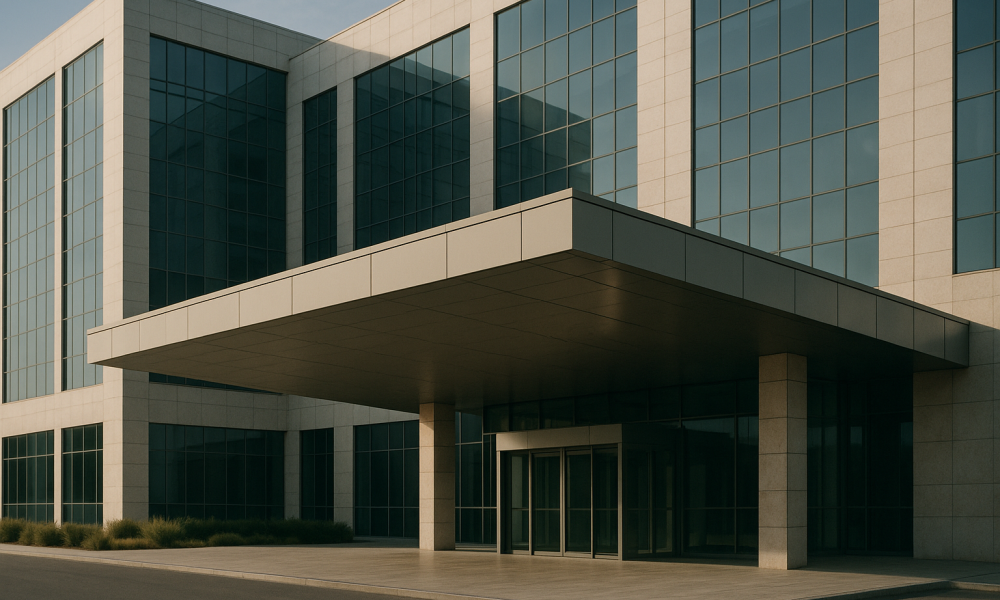
What Cancer Screening Package is and who it is for
A Cancer Screening Package in Turkey is a comprehensive programme designed for early detection of various types of cancers. This package typically includes a range of diagnostic tests and procedures tailored to identify potential malignancies at an early stage. The goal is to detect cancer before symptoms appear, which can significantly improve treatment outcomes and survival rates. Screening packages may include imaging tests like mammograms or CT scans, blood tests, and specialised diagnostic procedures such as colonoscopies. Turkey has become a popular destination for medical tourism, particularly for cancer screening, due to its advanced medical facilities, experienced healthcare professionals, and competitive pricing.
These packages are suitable for individuals who are proactive about their health, especially those with a family history of cancer or other risk factors. By choosing to undergo a cancer screening package in Turkey, patients can benefit from state-of-the-art technology and medical expertise at a fraction of the cost compared to some Western countries. The medical infrastructure in Turkey is highly developed, with many hospitals holding international accreditations, ensuring high standards of care.
Moreover, the packages are designed to be comprehensive yet flexible, adapting to the specific needs of the patient. They often include consultations with specialists who can interpret the results and provide recommendations for further action if necessary. This holistic approach ensures that patients receive not only diagnostic services but also professional medical guidance throughout their screening journey.
The process typically involves a short stay in Turkey, often just a couple of days, making it convenient for international patients who may be visiting for a limited time. The cost of these packages is another attractive factor, with prices typically ranging from £500 to £1,500, depending on the tests included. This cost-effective option is particularly appealing for patients from the UK, Europe, and North America, where similar services might be significantly more expensive.
Are you a good candidate?
Determining whether you are a suitable candidate for a Cancer Screening Package in Turkey involves assessing several factors. While screening can be beneficial for many, it is essential to consider personal health history, age, and specific risk factors. The following checklist can help you determine your eligibility:
- Age: Generally, individuals over the age of 40 are encouraged to consider cancer screening, as the risk of developing cancer increases with age.
- Family History: If you have a family history of cancer, particularly among first-degree relatives, you may be at a higher risk and should consider regular screenings.
- Lifestyle Factors: Smoking, excessive alcohol consumption, obesity, and a sedentary lifestyle can increase cancer risk, making screening advisable.
- Previous Medical History: Individuals with a history of certain medical conditions, such as inflammatory bowel disease or previous benign tumours, may benefit from regular screenings.
- Occupational Exposure: Those exposed to carcinogenic substances at work should consider periodic screenings.
- Symptoms: While screening is typically for asymptomatic individuals, those experiencing unexplained symptoms like persistent fatigue or weight loss should seek medical advice.
It’s important to consult with a healthcare professional to discuss your specific circumstances before deciding on a screening package. They can provide personalised advice based on your health status and risk factors. Remember, the aim of screening is to detect potential issues early when they are most treatable. However, not everyone may need every test, and a tailored approach is always recommended.
In addition to personal health criteria, logistical considerations such as travel ability and financial readiness are also important. Ensure that you are comfortable with the travel arrangements and that you have considered the indicative costs associated with the screening package. By making an informed decision, you can maximise the benefits of your screening experience in Turkey.
The procedure, step by step
Embarking on a cancer screening package in Turkey involves a series of well-organised steps designed to ensure comprehensive evaluation. The process is streamlined to offer clarity and comfort to international patients. Here is an outline of what to expect during the procedure:
- Initial Consultation: Upon arrival, you will meet with a healthcare coordinator who will review your medical history and discuss any symptoms or concerns. This session typically lasts between 30 to 60 minutes and helps tailor the screening package to your specific needs.
- Pre-Screening Tests: Basic tests such as blood work, urine analysis, and imaging studies like ultrasounds or X-rays may be conducted. These tests help in assessing your general health status and identifying any immediate concerns.
- Specialised Screenings: The core of the package involves specific screenings tailored to detect various types of cancer. This may include mammograms for breast cancer, colonoscopies for colorectal cancer, Pap smears for cervical cancer, and PSA tests for prostate cancer. Each of these tests has a set duration: for instance, a mammogram typically takes about 20 minutes, while a colonoscopy may take up to 45 minutes to an hour.
- Advanced Imaging: Depending on initial findings, advanced imaging techniques such as MRI or CT scans might be recommended. These procedures are non-invasive and provide detailed images of the body, aiding in the accurate detection of abnormalities. They generally last between 30 to 90 minutes.
- Consultation with Specialists: After the screenings, you will have a detailed consultation with oncologists or specialists in the relevant fields. They will discuss the results, interpret findings, and suggest any further diagnostic procedures if necessary. This consultation typically lasts around 30 minutes.
- Follow-Up Plan: Based on the outcomes, a personalised follow-up plan is created. This may include lifestyle recommendations, further tests, or treatment options if any abnormalities are detected. You will be provided with a comprehensive report and guidance on the next steps.
- Feedback and Support: The package concludes with feedback sessions to address any questions or concerns you may have. Additionally, support services remain available to assist with any follow-up queries or arrangements.
Recovery timeline
After completing a cancer screening package, it is important to understand what to expect during the recovery period. While the screenings themselves are usually non-invasive, you may experience certain effects depending on the specific tests undertaken. Here is a general recovery timeline:
| Period | What to expect | Care notes |
|---|---|---|
| Day 1 | Most patients feel normal after non-invasive screenings such as blood tests and imaging. However, if you underwent procedures like a colonoscopy, you might experience mild discomfort or bloating. | Rest and hydrate well. Follow any dietary recommendations given by your healthcare provider, especially after procedures like a colonoscopy. |
| Day 2-3 | Any minor side effects from the tests, such as mild soreness or fatigue, generally resolve. You may start to return to your usual activities. | Continue to maintain a balanced diet and stay hydrated. Avoid strenuous activities if you still feel any discomfort. |
| Week 1 | By this time, most patients fully resume their normal activities. If advanced imaging was performed, there should be no lingering effects. | It’s advisable to monitor your body’s responses and report any unusual symptoms to your healthcare provider. |
| Beyond Week 1 | Patients typically feel back to normal. If any screenings indicated the need for further evaluation, you might be preparing for additional consultations or tests. | Keep in touch with your healthcare provider for any necessary follow-up appointments or discussions about your health plan. |
Overall, the recovery timeline is generally quick and uneventful, allowing patients to promptly return to their daily lives.
What it costs: Turkey vs the UK, Europe and North America
When considering a cancer screening package abroad, cost is a significant factor for many international patients. In Turkey, the cost of medical services, including cancer screening, is often lower than in the UK, Europe, and North America. This is largely due to lower operational costs, including wages and overheads, and a favourable exchange rate. However, it’s important to note that these are indicative figures and can vary based on numerous factors such as the specific tests included, the healthcare provider, and the city where the service is offered.
| Region | Indicative Price Range (GBP) | Typical Inclusions |
|---|---|---|
| Turkey | £500 – £1,500 | Comprehensive blood tests, imaging (MRI/CT), specialist consultations |
| UK | £1,500 – £3,000 | Basic blood tests, limited imaging options, GP referral required |
| Europe | £1,800 – £3,500 | Varies by country; often includes basic tests and some imaging |
| North America | £2,500 – £5,000 | Wide range of tests but often at higher costs; insurance may cover some |
In Turkey, a typical cancer screening package might include comprehensive blood tests to check for tumour markers, advanced imaging such as MRI or CT scans, and consultations with oncologists or other specialists. These packages are designed to be thorough and provide a broad assessment of potential cancer risks. In contrast, in regions like the UK, cancer screening often requires GP referrals and may not include the same breadth of testing unless privately funded. Similarly, in Europe, the availability and comprehensiveness of tests can vary significantly between countries.
In North America, while the range of available tests is generally wide, the costs are significantly higher. Insurance may cover some of these costs, but this depends on the policy and whether the screening is deemed medically necessary. In Turkey, the all-inclusive nature of the packages means that patients can often have a more streamlined and less fragmented experience, with all necessary tests conducted in a single visit.
Overall, Turkey offers a competitive edge in terms of cost-effectiveness for comprehensive cancer screening, making it an attractive option for international patients. However, it is essential to conduct thorough research and consult with healthcare professionals to ensure that your chosen package meets your specific needs.
Risks and how accredited providers manage them
While cancer screening is an invaluable tool for early detection, it is not without risks. These risks can include false positives, false negatives, and the anxiety associated with testing and awaiting results. Accredited providers in Turkey are well aware of these potential issues and have implemented robust protocols to manage them effectively.
False positives occur when a test indicates the presence of cancer when there is none. This can lead to unnecessary stress and further invasive tests. Accredited providers mitigate this risk by using the latest technology and adhering to international standards for test accuracy. They ensure that tests are conducted by qualified professionals and that results are interpreted by experienced oncologists, reducing the likelihood of errors.
False negatives, where a test fails to detect cancer that is present, are another concern. To address this, Turkish providers often use a combination of tests to increase diagnostic accuracy. For instance, they may combine blood tests with imaging studies and physical examinations to provide a more comprehensive assessment. This multi-faceted approach helps to minimise the chances of a cancer going undetected.
Another risk is the anxiety that can accompany cancer screening. Providers in Turkey are sensitive to this and strive to offer a supportive environment. Counselling services are often available to help patients manage stress and to provide clear explanations of test results. Communication is a key component, and accredited facilities ensure that patients understand the processes and findings, which can alleviate some of the anxiety associated with screening.
Accredited providers also follow stringent infection control measures to ensure patient safety during tests. This includes the use of sterile equipment, regular sanitation of facilities, and adherence to protocols that minimise the risk of cross-contamination. These measures are crucial, especially when handling invasive procedures or blood samples.
In addition to these steps, Turkish healthcare facilities are often accredited by international bodies such as the Joint Commission International (JCI), which provides an added layer of assurance regarding quality and safety standards. This accreditation signifies a commitment to maintaining high levels of patient care and operational excellence.
Ultimately, while there are inherent risks in cancer screening, the careful management of these risks by accredited providers in Turkey can offer reassurance to patients. By choosing a reputable facility, patients can benefit from comprehensive screening packages while knowing that their safety and well-being are prioritised.
How to choose the right provider
Choosing the right provider for cancer screening in Turkey is a crucial step towards ensuring a smooth and effective experience. Start by looking for facilities accredited by internationally recognised organisations such as the Joint Commission International (JCI) or the International Organization for Standardization (ISO). Accreditation ensures that the facility adheres to stringent healthcare standards and practices.
Next, assess the experience and qualifications of the medical team. The lead oncologist or radiologist should have extensive experience in cancer diagnostics, ideally with a background of practising in reputable institutions. You can request details about their qualifications, years of experience, and any specialised training in cancer screening. A strong track record in identifying early-stage cancers can be a significant advantage.
Aftercare is another vital consideration. A comprehensive aftercare programme should include detailed reports of your screening results, followed by consultations to discuss findings and potential next steps. Some providers may offer telemedicine consultations to discuss your results once you are back home, which can be a convenient option.
Be vigilant for red flags such as providers who guarantee specific outcomes or offer unusually low prices compared to typical ranges. Cancer screening packages in Turkey generally range from £400 to £1,200, depending on the complexity and number of tests included. If a provider offers prices significantly below this range, it may indicate a compromise in quality or hidden costs. Additionally, steer clear of facilities that lack transparency in their pricing or are unwilling to provide detailed information about their services and staff.
Finally, consider reading patient reviews and testimonials, which can offer insights into the experiences of others. While reviews should be taken with a grain of salt, consistent negative feedback about aspects like customer service, facility hygiene, or result accuracy should not be ignored.
Planning your trip
Planning your trip for a cancer screening in Turkey involves careful preparation to ensure a seamless experience. Begin by establishing a timeline for your travel. Ideally, you should start planning at least two to three months in advance to allow time for researching providers, booking appointments, and making travel arrangements.
Ensure you have all necessary documents ready. This typically includes a valid passport, any relevant medical records or previous test results, and a list of current medications. It’s also beneficial to have a referral letter from your GP, although this is not always required.
The length of your stay will depend on the complexity of the screening package. Most standard cancer screening packages require a stay of around 3 to 5 days. This allows time for initial consultations, the screening process, and a follow-up consultation to discuss results. Ensure you have a flexible return ticket in case additional tests or consultations are needed.
Consider your accommodation options carefully. Many facilities offer packages that include hotel stays, which can simplify logistics. If booking independently, choose a hotel close to the medical facility to minimise travel time and stress.
After your screening, plan for follow-up care at home. Discuss with the provider how and when results will be communicated, and what steps to take if further tests or treatments are recommended. Some facilities offer telehealth follow-ups, allowing you to consult with your Turkish healthcare provider from home.
Finally, ensure you have adequate travel insurance that covers medical expenses abroad. While the cost of cancer screening in Turkey is typically lower than in the UK or North America, having insurance can provide peace of mind in case of unforeseen complications.
Frequently Asked Questions
What is the typical cost of a cancer screening package in Turkey?
The cost of a cancer screening package in Turkey typically ranges from £400 to £1,200. The price varies based on the number of tests included, the complexity of the screening, and the facility's location and reputation. It's essential to request a detailed breakdown of costs from the provider to understand what is included and to avoid unexpected expenses.
Are the medical facilities in Turkey safe for cancer screening?
Yes, many medical facilities in Turkey are safe and adhere to international standards. Look for hospitals and clinics accredited by organisations like the Joint Commission International (JCI) or the International Organization for Standardization (ISO). These accreditations ensure that the facility maintains high standards in patient care and safety.
How long should I plan to stay in Turkey for a cancer screening?
For a standard cancer screening package, plan to stay in Turkey for approximately 3 to 5 days. This timeframe allows for initial consultations, the screening process itself, and a follow-up consultation to discuss the results. Ensure your travel plans are flexible in case additional tests or consultations are required.
What documents do I need to bring for my screening?
You will need a valid passport and any relevant medical records, such as previous test results or a list of current medications. While a referral letter from your GP can be helpful, it is not always necessary. Ensure you have all these documents ready before your trip to facilitate a smooth process.
How do I ensure the quality of the medical provider?
To ensure quality, choose a provider accredited by reputable organisations like JCI or ISO. Check the qualifications and experience of the medical team, particularly in cancer diagnostics. Reading patient reviews and testimonials can also provide insights into the provider's reputation and quality of care.
Can I have follow-up consultations after returning home?
Yes, many providers offer telemedicine consultations to discuss your results once you are back home. This service allows you to have a follow-up discussion with the Turkish healthcare provider, ensuring continuity of care and answering any questions you may have about your screening results.
Is travel insurance necessary for medical travel to Turkey?
Yes, having travel insurance is highly recommended when travelling for medical purposes. It provides coverage for unforeseen medical expenses and complications that may arise during your trip. Ensure your policy covers medical treatments abroad, including any additional tests or procedures you may need.
Can I combine my medical trip with a holiday in Turkey?
Yes, many patients choose to combine their medical trip with a holiday. Turkey offers a rich cultural experience and beautiful landscapes. However, ensure that your medical appointments and recovery time are prioritised, and consult with your healthcare provider before planning leisure activities.
What are the risks of choosing a low-cost provider?
Choosing a provider with costs significantly below the typical range (£400 to £1,200) may indicate compromises in quality or hidden fees. It's crucial to ensure that the provider is accredited and transparent about their services and pricing. Low costs should not come at the expense of your health and safety.
How soon can I expect to receive my screening results?
The timeframe for receiving screening results varies by provider, but results are typically available within a few days. Some facilities offer expedited services for an additional fee. Discuss the expected timeline with your provider during your initial consultation to align on expectations.
What languages do medical staff in Turkey speak?
Many medical professionals in Turkey speak English, especially in facilities that cater to international patients. It's advisable to confirm language capabilities with the provider beforehand. Some facilities also offer translation services if needed, ensuring clear communication throughout your treatment.
Will I need a visa to travel to Turkey for medical purposes?
Visa requirements depend on your nationality. UK citizens, for example, can travel to Turkey for up to 90 days without a visa. However, it's essential to check the latest visa regulations for your specific country before planning your trip to ensure compliance.