
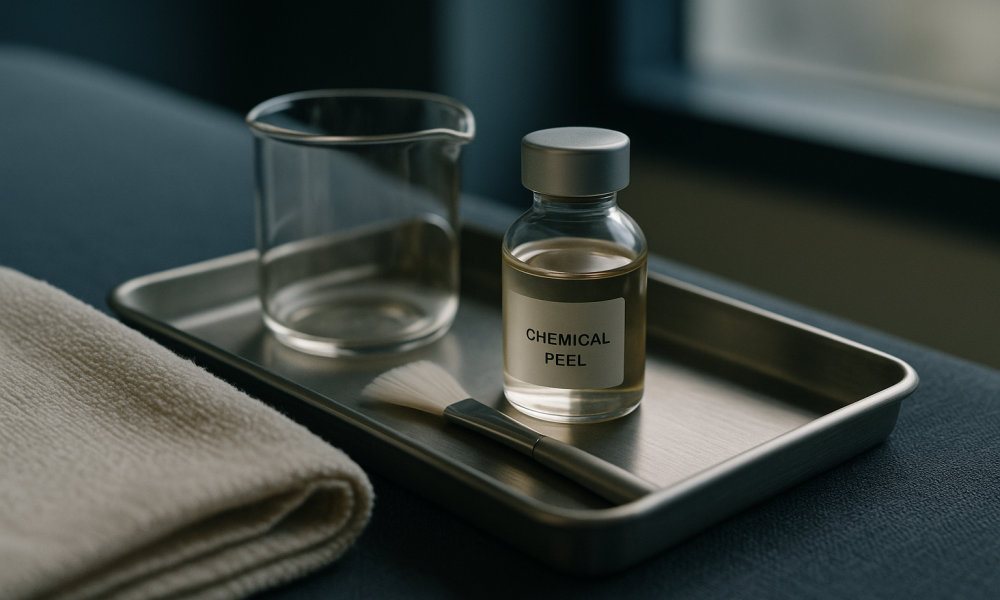
What Chemical Peels is and who it is for
Chemical peels are a dermatological procedure designed to improve the appearance of the skin by applying a chemical solution that exfoliates the outer layers, allowing newer, healthier skin to emerge. This treatment is popular among individuals seeking to address various skin concerns such as acne scars, age spots, uneven skin tone, and fine lines. In Turkey, chemical peels are performed by skilled dermatologists and aestheticians, utilising a range of peeling agents that vary in strength and composition to suit different skin types and conditions.
There are three main types of chemical peels: superficial, medium, and deep peels. Superficial peels use mild acids like alpha hydroxy acids (AHAs) to gently exfoliate the outermost layer of the skin. These are ideal for minor skin imperfections and regular maintenance. Medium peels often involve trichloroacetic acid (TCA) and penetrate deeper into the skin to treat issues like pigmentation and moderate wrinkles. Deep peels, which use phenol, provide the most dramatic results by reaching the deeper layers of the dermis, but they also require a more extended recovery period and are typically used for severe skin concerns.
Patients from Australia considering chemical peels in Turkey will find that the country offers a combination of high-quality medical care and affordability. Clinics in Turkey adhere to international standards and employ advanced techniques to ensure safety and efficacy. However, it is crucial to consult with a qualified professional who can assess individual skin conditions and recommend the most appropriate type of peel. The procedure’s success depends on factors such as skin type, the specific issue being targeted, and the individual’s health status.
Recovery times vary depending on the depth of the peel. Superficial peels generally allow patients to return to normal activities within a day, while medium and deep peels require longer recovery periods, ranging from a few days to several weeks. During recovery, patients may experience redness, peeling, and sensitivity, which are normal parts of the healing process. Proper aftercare, including the use of sunscreen and moisturisers, is essential to protect the new skin and enhance the treatment’s results.
Are you a good candidate?
Determining whether you are a suitable candidate for a chemical peel involves evaluating several factors, including your skin type, the specific concerns you wish to address, and your overall health. Chemical peels are generally safe for individuals with fair to medium skin tones. Those with darker skin tones may require special considerations to prevent discolouration.
- Your skin type and condition: Ideal candidates have fair to medium skin tones and are seeking to improve conditions such as acne scars, sun damage, or uneven skin tone.
- Health status: You should be in good general health. Certain medical conditions, such as active infections or skin diseases, may contraindicate the procedure.
- Expectations: Have realistic expectations about the outcomes. Chemical peels can improve but not completely eliminate skin imperfections.
- Commitment to aftercare: You must be willing to follow post-procedure care instructions, which may include avoiding sun exposure and using recommended skincare products.
- Non-smoker: Smoking can impair healing, so non-smokers or those willing to quit temporarily may experience better results.
- Not currently pregnant or nursing: Hormonal changes can affect skin sensitivity and healing.
If you meet these criteria, you may be a good candidate for a chemical peel. However, a thorough consultation with a specialist is essential to discuss your medical history, skin concerns, and goals. This will help ensure that the chosen treatment aligns with your needs and that any potential risks are minimised. In Turkey, many clinics offer virtual consultations to facilitate the planning process for international patients, allowing you to make informed decisions before travelling.
The procedure, step by step
Undergoing a chemical peel in Turkey involves a series of carefully orchestrated steps designed to ensure safety and efficacy. Patients can anticipate a comprehensive process that starts with an initial consultation and culminates in a post-procedure care plan. Understanding each step can help alleviate concerns and set realistic expectations.
- Initial Consultation: The journey begins with a detailed consultation with a dermatologist or cosmetic surgeon. During this session, your medical history will be reviewed, and your skin will be examined to determine the most suitable type of chemical peel. You’ll discuss your aesthetic goals and any concerns you may have. The clinician will explain the types of peels available, such as superficial, medium, or deep peels, and recommend the most appropriate one based on your skin type and desired outcomes.
- Pre-procedure Preparation: Once a treatment plan is agreed upon, pre-procedure instructions are provided. These typically include avoiding sun exposure and discontinuing the use of certain skincare products, like retinoids or exfoliants, for up to two weeks before the peel. Patients may also be advised to start using a topical pre-treatment solution for a few days to prepare the skin.
- Procedure Day: On the day of the procedure, your skin will be thoroughly cleansed to remove any oils or impurities. A topical anaesthetic may be applied to minimise discomfort, especially for medium and deep peels. The selected chemical solution—often containing glycolic acid, trichloroacetic acid, or phenol—is then evenly applied to the skin. The solution will be left on for a predetermined time, depending on its strength and your skin’s sensitivity. You may experience a tingling or burning sensation, which is normal and typically subsides quickly.
- Neutralisation and Cleansing: After the solution has been on the skin for the appropriate duration, it is neutralised with a specific agent to halt the peeling process. The skin is then gently cleansed and cooled with soothing agents to reduce any immediate irritation or discomfort.
- Post-procedure Care Instructions: You will receive detailed aftercare instructions to facilitate healing and maximise results. These instructions often include avoiding direct sunlight, applying prescribed soothing creams, and using high-factor sunscreen diligently.
Each step is critical to ensure the procedure’s success and your safety. While the process may seem extensive, it is meticulously designed to deliver optimal results while minimising risks.
Recovery timeline
The recovery period following a chemical peel varies depending on the type and depth of the peel performed. Understanding the timeline of recovery can help set expectations and ensure that the appropriate care is taken to facilitate healing. Below is a detailed table outlining the recovery process from day one to full recovery.
| Period | What to expect | Care notes |
|---|---|---|
| Day 1 | Initial redness and mild swelling, akin to a sunburn sensation. The skin may feel tight. | Keep the skin moisturised and avoid touching the face. Use cool compresses to alleviate discomfort. |
| Days 2-3 | Peeling and flaking begin, especially around the mouth and nose. | Avoid picking or peeling the skin. Apply moisturiser as recommended by your doctor. |
| Days 4-7 | Peeling continues, revealing new, tender skin beneath. | Continue using moisturisers and sunscreen. Avoid sun exposure and harsh skincare products. |
| Week 2 | Most peeling should subside, and the skin may appear pinkish. | Maintain hydration and sun protection. Begin reintroducing gentle skincare products. |
| Weeks 3-4 | Skin tone evens out, and the complexion appears brighter and smoother. | Regular skincare regimen can be resumed, including non-irritating products. Continue using sunscreen daily. |
| Full Recovery (4-6 weeks) | Final results are visible, with improved texture and tone. | Continue protective skincare measures to maintain results. |
It is crucial to follow the aftercare instructions provided by your healthcare provider to ensure a smooth recovery and to achieve the best possible results. Each individual’s healing process may vary slightly, influenced by factors such as skin type and the specific peel used.
What it costs: Turkey vs Australia
When considering chemical peels, the cost can be a significant factor in the decision-making process. In Turkey, chemical peels are often more affordable compared to Australia, while maintaining high standards of care and expertise. This cost-effectiveness is largely due to lower operational costs and favourable exchange rates.
Below is a comparison of indicative price ranges for chemical peels in Turkey and Australia. It is important to note that these figures are indicative and can vary based on the clinic, the type of peel, and the specific needs of the patient.
| Country | Indicative Price Range (AUD) | Typical Package Inclusions |
|---|---|---|
| Turkey | $150 – $400 |
|
| Australia | $300 – $800 |
|
The cost of chemical peels in Turkey typically includes a comprehensive package that covers not only the procedure itself but also additional services such as follow-up care and sometimes even transportation between the clinic and your accommodation. This holistic approach can offer both convenience and peace of mind to international patients.
In contrast, while Australian clinics also provide high-quality care, the higher price often reflects the higher operational costs, including staff salaries and clinic overheads. Moreover, packages in Australia may not always include transportation or extensive aftercare, potentially adding to the overall expense.
Ultimately, while costs are an important consideration, they should be weighed alongside factors such as the clinic’s accreditation, the experience of the medical professionals, and the overall patient experience. It is advisable for patients to obtain detailed quotes and clarify exactly what is included in the price before making a decision.
Risks and how accredited providers manage them
Chemical peels, like any medical procedure, come with certain risks. These can include redness, scarring, infection, and changes in skin colour. However, when performed by qualified and experienced professionals, these risks can be minimized and effectively managed.
In Turkey, many clinics are accredited by international health organisations, ensuring they adhere to stringent safety standards. Accredited providers take a number of steps to manage and mitigate risks associated with chemical peels:
- Thorough Pre-Assessment: Before the procedure, a comprehensive assessment is conducted to evaluate the patient’s skin type, medical history, and specific treatment goals. This helps in tailoring the peel to the individual’s needs and reducing the likelihood of adverse reactions.
- Use of High-Quality Products: Accredited clinics use high-quality, medically approved chemical solutions. This ensures the effectiveness of the peel while also minimizing potential side effects.
- Experienced Professionals: Procedures are performed by dermatologists or trained specialists who have extensive experience in administering chemical peels. Their expertise helps in accurately applying the peel and managing any immediate reactions.
- Post-Procedure Care: Comprehensive aftercare instructions are provided to the patient to aid in recovery and prevent complications. This may include advice on moisturising, sun protection, and avoiding certain skincare products for a period of time.
- Follow-Up Appointments: Regular follow-up appointments are scheduled to monitor the skin’s healing process and address any concerns promptly. This step is crucial in ensuring a smooth recovery and achieving the desired results.
Patients are encouraged to ask questions and express any concerns during their initial consultation. A reputable clinic will be transparent about the risks and discuss how they plan to mitigate them, ensuring the patient feels informed and confident in their care.
While the risks associated with chemical peels cannot be entirely eliminated, choosing an accredited provider in Turkey can significantly enhance the safety and success of the procedure. It is always advisable to conduct thorough research, read reviews, and consult with multiple clinics before making an informed decision.
How to choose the right provider
When considering a chemical peel in Turkey, selecting the right provider is crucial. Accreditation is your first checkpoint. Look for clinics accredited by international bodies such as the Joint Commission International (JCI) or the European Foundation for Quality Management (EFQM). These accreditations indicate that the clinic adheres to high standards of medical care and patient safety.
The experience of the dermatologist or aesthetician performing the procedure is equally important. Research the provider’s qualifications and years of experience in performing chemical peels. A specialist with at least five years of experience in dermatology or cosmetic procedures is often recommended. Inquire about their track record with international patients, as this can provide insights into their ability to cater to diverse skin types and conditions.
Aftercare is a critical component of the chemical peel process. A reputable clinic will offer comprehensive aftercare instructions and support. This includes follow-up appointments to monitor your skin’s healing process and address any concerns. Ensure that the clinic provides a detailed aftercare plan and has medical staff available for consultations after the procedure, either in person or via telemedicine.
Be vigilant for red flags when choosing a provider. Avoid clinics that make unrealistic promises or guarantee specific results, as outcomes can vary based on individual skin types and conditions. Beware of providers who offer significantly lower prices than the typical range of £150 to £500 for medium-depth peels, as this could indicate compromised quality or hidden costs.
Finally, read reviews and testimonials from previous patients. Look for consistent positive feedback about the provider’s professionalism, the quality of care received, and the overall experience. Negative reviews that mention rushed consultations, lack of communication, or subpar facilities should be taken seriously. By following these guidelines, you can make an informed choice and increase the likelihood of a successful and satisfying experience.
Planning your trip
Planning your trip for a chemical peel in Turkey requires careful consideration of timelines, documentation, and logistics. Begin by scheduling a consultation with your chosen provider at least two months before your intended travel date. This allows sufficient time for any pre-treatment evaluations and discussions about your skin type and desired outcomes.
Ensure your passport is valid for at least six months beyond your planned departure date. Australian citizens typically require a visa to enter Turkey, which can be obtained online through the e-Visa system. The process is straightforward, but it’s advisable to apply at least a few weeks in advance to avoid any last-minute issues.
The typical length of stay for a chemical peel procedure is three to five days, although this can vary based on the type of peel and individual recovery rates. Medium-depth peels usually require a few days for initial recovery, during which you may experience redness and peeling. Plan to stay in Turkey until the primary redness subsides, which is generally within three to five days post-procedure.
Consider accommodation options near your chosen clinic to minimise travel stress during your recovery period. Many clinics offer packages that include accommodation, but verify the quality and location of the lodging provided. Also, ensure you have access to transportation for follow-up appointments if they are not within walking distance.
After returning to Australia, follow-up care is essential. Discuss with your provider the possibility of virtual follow-up appointments to monitor your healing process. You may also need to schedule an appointment with your local dermatologist to ensure continuity of care. Keep all documentation from your procedure, including detailed aftercare instructions and contact information for your Turkish provider, should you need further consultation.
Finally, consider travel insurance that covers medical procedures abroad. This provides peace of mind in case of any unforeseen complications or changes to your travel plans. By planning thoroughly, you can ensure a smooth and successful journey for your chemical peel treatment.
Frequently Asked Questions
What is the typical cost of a chemical peel in Turkey?
The cost of a chemical peel in Turkey can vary depending on the type and depth of the peel. Generally, prices range from £100 to £300 for superficial peels and £150 to £500 for medium-depth peels. It is important to note that these prices are indicative and can vary based on the clinic and location.
Are chemical peels in Turkey safe?
Chemical peels in Turkey are generally safe when performed by qualified and experienced professionals. It is crucial to choose a clinic that is accredited by recognised international bodies and to ensure that the procedure is carried out by a certified dermatologist or aesthetician. Proper aftercare and follow-up are also essential for safety.
How long does the recovery from a chemical peel take?
Recovery time varies depending on the type of chemical peel. Superficial peels typically require 3 to 7 days for full recovery, while medium-depth peels may take 7 to 14 days. During this period, you may experience redness, peeling, and sensitivity, which should gradually improve with proper aftercare.
What documents do I need for my trip to Turkey?
Australian citizens need a valid passport with at least six months remaining beyond their departure date and a visa to enter Turkey. The visa can be obtained online through the e-Visa system. It is also advisable to carry any medical records or documentation related to your skin condition and previous treatments.
How do I find a qualified provider in Turkey?
Look for clinics accredited by international bodies like the JCI or EFQM. Research the qualifications and experience of the dermatologist or aesthetician, ensuring they have extensive experience with chemical peels and international patients. Reading reviews and testimonials can also help in selecting a reputable provider.
What should I expect during the consultation?
During the consultation, the dermatologist will assess your skin type, discuss your goals, and explain the procedure, potential risks, and expected outcomes. You should also receive information about pre-treatment care and post-procedure aftercare. This is an opportunity to ask any questions and ensure you’re comfortable with the provider.
Can I combine a chemical peel with other treatments?
It is possible to combine a chemical peel with other treatments, such as laser therapy or microneedling, but this should be discussed with your dermatologist. They will evaluate your skin’s condition and recommend a treatment plan that safely combines multiple procedures, if appropriate.
What are the side effects of a chemical peel?
Common side effects include redness, peeling, and temporary sensitivity of the skin. These effects typically subside within days to weeks, depending on the depth of the peel. Less common side effects might include scarring or infection, which underscores the importance of choosing an experienced provider and adhering to aftercare instructions.
How soon can I travel after a chemical peel?
Most patients can travel within a few days after a superficial peel, while medium-depth peels may require a longer recovery period of up to a week before flying. It is important to follow your provider’s advice on when it is safe to travel, as your skin will be sensitive and require protection from the sun.
Is follow-up care necessary after returning home?
Yes, follow-up care is essential to ensure proper healing and to address any concerns that may arise. Discuss the possibility of virtual follow-up appointments with your Turkish provider and consider scheduling a consultation with your local dermatologist to maintain the continuity of care.
What should I pack for my trip to Turkey?
Pack comfortable clothing, a wide-brimmed hat, and sunglasses to protect your skin from the sun post-procedure. Include any prescribed skincare products for aftercare, and consider bringing a power adapter for your electronic devices. Ensure you have all necessary travel documents, including your passport and visa.
How do I manage pain or discomfort after a chemical peel?
Over-the-counter pain relievers, such as paracetamol, can help manage discomfort. Follow your provider’s aftercare instructions carefully, which may include using soothing creams and avoiding sun exposure. If discomfort persists or worsens, contact your provider for further advice.