
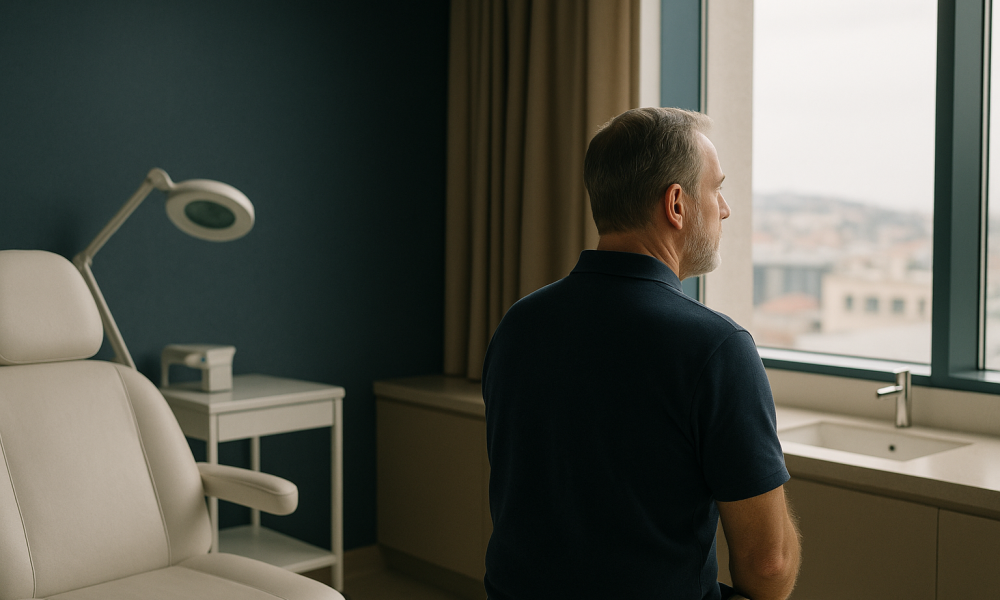
What Chemical Peels is and who it is for
Chemical peels are cosmetic treatments used to improve the appearance of the skin on the face, neck, or hands. During this procedure, a chemical solution is applied to the skin, causing it to exfoliate and eventually peel off. The new skin that emerges is often smoother and less wrinkled than the old skin. Chemical peels are popular for treating a variety of skin issues, such as acne scars, age spots, fine lines and wrinkles, freckles, and uneven skin tone.
There are different types of chemical peels, categorized by the depth of skin they affect: superficial, medium, and deep peels. Superficial peels use mild acids like alpha-hydroxy acid to gently exfoliate and are suitable for all skin types. Medium peels often use trichloroacetic or glycolic acid to reach the middle and outer layers of skin, making them effective for treating age spots and fine lines. Deep peels penetrate the lower layers of the skin and are typically used for deeper wrinkles, scars, or precancerous growths. The choice of peel depends on the individual’s skin condition and desired outcome.
Turkey has emerged as a popular destination for chemical peels due to its advanced medical facilities and experienced practitioners. The country offers a range of options from basic superficial peels to more intensive treatments, all at competitive prices. Patients from Canada and other parts of the world are drawn to Turkey not only for the quality of care but also for the opportunity to combine treatment with a cultural experience.
It’s important to note that while chemical peels can offer significant improvements in skin appearance, they are not a solution for deep scars, deep wrinkles, or loose, sagging skin. Moreover, the results can vary based on the type of peel and the individual’s skin type and condition. Patients should have realistic expectations and understand that multiple sessions may be necessary to achieve their desired results.
Are you a good candidate?
Chemical peels can be a suitable option for many individuals looking to enhance their skin’s appearance, but not everyone is an ideal candidate. Generally, those with fair skin and light hair are better candidates for chemical peels than those with darker skin, as they are less likely to experience pigmentation changes. However, those with darker skin can still achieve good results with the right type of peel and careful management by an experienced practitioner.
Before considering a chemical peel, you should evaluate your skin condition and goals. The following checklist can help you determine if you might be a good candidate:
- Your skin has mild to moderate sun damage, wrinkles, or age spots.
- You have superficial acne scars or uneven skin tone.
- Your skin is free of active infections or open wounds.
- You do not have a history of abnormal skin scarring.
- You are not pregnant or nursing.
- You are not currently using Accutane or have stopped its use at least six months prior.
- You have realistic expectations about the outcomes and understand the potential risks.
Those with severe skin conditions, such as deep scars or active skin diseases, might need to consider alternative treatments. It’s also crucial to discuss any allergies, medical conditions, or medications with your dermatologist to avoid complications. A thorough consultation with a qualified dermatologist in Turkey will help determine the most appropriate type of peel for your skin type and condition.
Ultimately, the decision to undergo a chemical peel should be made after careful consideration of the benefits and potential risks. With the right approach and professional guidance, chemical peels can offer a significant improvement in skin texture and appearance, contributing to a fresher, more youthful look.
The procedure, step by step
Undergoing a chemical peel in Turkey involves a series of carefully orchestrated steps that ensure both safety and efficacy. Understanding what to expect at each stage can help alleviate anxiety and prepare you for a successful treatment.
- Initial Consultation: Before any procedure, a comprehensive consultation with a certified dermatologist or cosmetic surgeon is essential. During this session, your skin type, medical history, and aesthetic goals are assessed. The practitioner will discuss the types of chemical peels available, such as superficial, medium, or deep peels, and recommend the most suitable option for your skin condition. This is also the time to discuss potential risks and ask any questions you may have.
- Pre-procedure Preparation: One to two weeks before the treatment, you may be advised to follow a specific skincare regimen. This typically includes applying a retinoid cream to enhance cell turnover and using sunscreen to protect your skin. Avoiding certain medications, such as those that increase bleeding risk, and stopping the use of any exfoliating products is also recommended.
- Day of the Procedure: On the day of your chemical peel, you will arrive at the clinic where the procedure will take place. The skin is first cleansed to remove oils and impurities. If you are undergoing a medium or deep peel, a topical anaesthetic or sedative may be administered to minimise discomfort. The chemical solution is then applied to the skin using a brush or cotton applicator, starting with the forehead and moving downwards. The type of chemical used varies depending on the depth of the peel, with common agents including glycolic acid, trichloroacetic acid (TCA), and phenol.
- During the Procedure: The solution is left on the skin for a specific amount of time, typically between 3 and 15 minutes for superficial peels, and longer for deeper treatments. You may experience a tingling or stinging sensation, which is normal. The practitioner will monitor your skin’s response closely and may use a fan to cool the area, if necessary.
- Neutralisation and Cleansing: After the designated time, the chemical solution is neutralised and removed. This is followed by the application of a soothing ointment or cream to help calm the skin and reduce irritation.
- Post-procedure Guidance: You will receive detailed aftercare instructions to follow at home. This includes advice on how to manage any discomfort, which products to use, and how to protect your skin from sun exposure. Follow-up appointments may be scheduled to assess your skin’s healing progress and address any concerns.
Recovery timeline
Understanding the recovery timeline after a chemical peel is crucial for managing expectations and ensuring optimal healing. The recovery period can vary depending on the depth of the peel, but here is a general timeline to guide you through the process.
| Period | What to expect | Care notes |
|---|---|---|
| Day 1 | Immediately post-procedure, the skin may appear red and feel tight, similar to a mild sunburn. Slight swelling is common. | Avoid touching your face. Apply the prescribed soothing ointment as directed and avoid sun exposure. |
| Days 2-3 | Redness may persist, and peeling or flaking of the skin typically begins. The skin might feel itchy. | Continue using moisturisers and avoid picking at peeling skin. Use cool compresses to alleviate discomfort if needed. |
| Days 4-7 | Peeling continues and usually subsides by the end of the week. New skin may appear pink and sensitive. | Maintain hydration and apply a broad-spectrum sunscreen of at least SPF 30. Continue to avoid direct sun exposure. |
| Weeks 2-3 | The skin tone begins to normalise, and improvements in texture and tone may be noticeable. | Resume a gentle skincare routine. Avoid exfoliating products and continue using sunscreen diligently. |
| Full Recovery (4-6 weeks) | The skin should be fully healed, revealing a smoother, more even complexion. Sensitivity to the sun may still be heightened. | Follow long-term skincare advice provided by your practitioner, including regular use of sunscreen and hydrating products. |
It is important to remember that individual recovery times can vary based on personal skin characteristics and the specific type of peel performed. Always adhere to the aftercare instructions provided by your healthcare professional to ensure the best possible outcome.
5. What it costs: Turkey vs Canada
When considering chemical peels, cost is a significant factor for many international patients. In Turkey, the cost of chemical peels is generally lower compared to Canada, primarily due to differences in operating costs and exchange rates. However, it is important to understand that these figures are indicative and can vary based on several factors, including the type of peel, the expertise of the practitioner, and the location of the clinic.
| Country | Indicative Price Range (GBP) | Typical Inclusions |
|---|---|---|
| Turkey | £100 – £300 |
|
| Canada | £250 – £600 |
|
It’s essential to recognise that while the costs in Turkey are lower, the quality of care remains competitive. Many clinics in Turkey offer comprehensive packages that include additional services, such as airport transfers, accommodation, and multilingual support, which can add significant value to your medical tourism experience. These packages are designed to provide a seamless experience, ensuring that international patients feel supported throughout their journey.
In Canada, the higher cost is often attributed to higher operational expenses, such as staffing, infrastructure, and regulatory compliance. However, the higher price does not necessarily equate to better outcomes, as the skill and experience of the practitioner are critical factors in the success of the treatment.
When planning your chemical peel in Turkey, it is advisable to request detailed quotes from multiple clinics to understand what is included in the price. This will help you make a well-informed decision and ensure that there are no hidden costs or unexpected expenses.
6. Risks and how accredited providers manage them
Chemical peels, while generally safe when performed by qualified professionals, do carry certain risks. These risks can vary depending on the type and depth of the peel, the condition of the patient’s skin, and the expertise of the practitioner. Common risks associated with chemical peels include redness, swelling, changes in skin colour, and, in rare cases, scarring or infection.
Accredited providers in Turkey are well-equipped to manage these risks effectively. They adhere to international standards of care and employ a range of strategies to minimise potential complications. Here are some of the ways they manage risks:
- Pre-treatment Assessment: Before the procedure, a thorough assessment of the patient’s skin type, medical history, and treatment goals is conducted. This allows the practitioner to customise the peel to suit the individual’s needs and reduce the likelihood of adverse reactions.
- Use of High-Quality Products: Accredited clinics use high-quality, dermatologically tested chemical agents, which are crucial for ensuring safety and efficacy. These products are sourced from reputable manufacturers and are used according to strict guidelines.
- Experienced Practitioners: The success of a chemical peel largely depends on the skill of the practitioner. Accredited providers ensure that their staff are well-trained and experienced in performing chemical peels, which significantly reduces the risk of complications.
- Post-treatment Care: Proper aftercare is essential in preventing complications. Patients are provided with detailed instructions on how to care for their skin post-procedure, including the use of prescribed skincare products and sun protection advice.
- Follow-up Appointments: Regular follow-up appointments are scheduled to monitor the skin’s healing process and address any concerns promptly. This ongoing care helps to ensure that any issues are identified and managed early.
While no medical procedure is without risk, choosing an accredited provider with a strong track record of safety and patient satisfaction can significantly mitigate these risks. Patients are encouraged to ask potential providers about their accreditation status, the qualifications of their practitioners, and their protocols for handling complications. This transparency is a hallmark of reputable clinics and is vital for building trust with international patients.
How to choose the right provider
Choosing the right provider for a chemical peel in Turkey involves several critical considerations to ensure both safety and effectiveness. Accreditation is paramount; patients should look for clinics accredited by internationally recognised bodies such as the Joint Commission International (JCI) or the International Organization for Standardization (ISO). These accreditations indicate that the clinic meets specific standards of quality and safety.
Surgeon experience is another crucial factor. Prospective patients should verify the credentials of the dermatologist or cosmetic surgeon performing the procedure. Look for specialists who have completed formal training in dermatology or cosmetic surgery and have substantial experience with chemical peels. Ideally, the practitioner should have a portfolio of before-and-after images and testimonials from previous patients.
Aftercare is a vital component of a successful chemical peel. A reputable clinic will provide comprehensive aftercare instructions and support, including guidance on skincare routines post-procedure and access to follow-up consultations. Ensure that the clinic offers clear communication channels for any post-treatment concerns or complications that may arise.
Be vigilant for red flags when selecting a provider. Avoid clinics that make unrealistic promises, such as guaranteed results or claims of being ‘pain-free’. Also, be cautious of clinics with significantly lower prices than the typical range of $200 to $600 USD for a chemical peel, as this could indicate compromised quality or safety standards. Additionally, pay attention to the cleanliness and professionalism of the clinic environment during initial consultations.
Finally, consider the language barrier. Opt for clinics that offer services in English or have professional translators available to ensure clear communication throughout the treatment process. This is particularly important for understanding the procedure, potential risks, and post-treatment care instructions.
Planning your trip
When planning your trip to Turkey for a chemical peel, it is essential to establish a clear timeline and gather the necessary documents well in advance. Begin by scheduling an initial consultation with your chosen clinic, which can often be conducted virtually. This consultation should take place at least 6 to 8 weeks before your intended travel date to allow for adequate preparation and planning.
Ensure that your passport is valid for at least six months beyond your planned departure date from Turkey. Canadian citizens typically require an e-Visa for entry into Turkey, which can be obtained online and should be arranged at least a few weeks before travel to avoid last-minute issues.
Plan for a stay of approximately 5 to 7 days in Turkey. This duration allows for the procedure itself, initial recovery, and a follow-up appointment to ensure everything is progressing as expected. While the chemical peel procedure is often completed in less than an hour, patients are advised to rest for at least 24 to 48 hours afterwards to facilitate initial healing.
Consider accommodation close to the clinic to minimise travel stress post-procedure. Many medical tourism packages offer lodging arrangements, which can simplify logistics. Ensure that your accommodation is comfortable and equipped with amenities such as air conditioning, which can be beneficial during the healing process.
Upon returning to Canada, plan for follow-up care with a local dermatologist. This follow-up is crucial to monitor the healing process and address any concerns that may arise. Additionally, maintain open communication with your Turkish provider for any post-procedure questions. A well-structured plan and clear communication with both your Turkish and Canadian healthcare providers will contribute significantly to a smooth and successful treatment experience.
Frequently Asked Questions
What is the typical cost of a chemical peel in Turkey?
The cost of a chemical peel in Turkey typically ranges from $200 to $600 USD. This price can vary depending on the type of peel, the clinic's reputation, and the expertise of the practitioner. It is important to consider that lower costs might indicate compromised quality, so ensure to verify the credentials and experience of the clinic and practitioner.
How safe are chemical peels in Turkey?
Chemical peels in Turkey are generally safe when performed by qualified and experienced practitioners in accredited clinics. It is crucial to choose a provider with solid credentials and a track record of successful procedures. Accredited clinics adhere to international standards of safety and hygiene, reducing the risk of complications. Always follow the aftercare instructions provided to minimise risks.
How do I verify a clinic's accreditation?
You can verify a clinic's accreditation by checking for certifications from recognised bodies such as the Joint Commission International (JCI) or the International Organization for Standardization (ISO). These accreditations ensure that the clinic meets certain standards of quality and safety. Additionally, you can ask the clinic directly for proof of accreditation or check their website for more information.
What should I expect during the recovery period?
During the recovery period following a chemical peel, you can expect some redness, swelling, and peeling of the skin, which usually subsides within a week. It is essential to follow your provider's aftercare instructions, which typically include avoiding sun exposure, using gentle skincare products, and applying moisturisers and sunscreen. Full recovery usually takes a few weeks, depending on the peel's depth.
Will there be a language barrier when receiving treatment in Turkey?
Many clinics in Turkey cater to international patients and offer services in English. However, it is advisable to confirm this before booking. Some clinics also provide professional translation services to ensure clear communication. This is important for understanding the procedure and aftercare instructions thoroughly.
What documents do I need to travel to Turkey for treatment?
Canadian citizens require a valid passport with at least six months of validity beyond their planned departure date from Turkey. An e-Visa is also required, which can be obtained online. It is advisable to arrange the e-Visa a few weeks before your travel date. Additionally, having copies of your medical records can be helpful for your consultation and treatment.
How long should I plan to stay in Turkey for my chemical peel?
It is recommended to plan for a stay of approximately 5 to 7 days in Turkey for a chemical peel. This allows time for the procedure itself, initial recovery, and a follow-up appointment to ensure proper healing. The procedure is quick, but adequate rest post-treatment is essential for optimal recovery.
What type of aftercare is required following a chemical peel?
Aftercare following a chemical peel involves avoiding sun exposure, using gentle skincare products, and applying moisturisers and sunscreen as directed by your provider. It is crucial to follow all aftercare instructions to promote healing and prevent complications. Some clinics offer follow-up consultations to monitor your progress and address any concerns.
Can I have a virtual consultation before travelling to Turkey?
Yes, many clinics offer virtual consultations for international patients. These consultations are an excellent opportunity to discuss your medical history, expectations, and any concerns you may have. It also allows you to assess the clinic and the practitioner's expertise before committing to travel. Schedule your consultation well in advance to allow for thorough preparation.
What are the potential side effects of chemical peels?
The potential side effects of chemical peels include redness, swelling, peeling, and sensitivity of the skin. These effects are typically mild and resolve within a week. However, deeper peels may result in more prolonged side effects. Following aftercare instructions and choosing an experienced provider can minimise risks and ensure a safe procedure.
Will my health insurance cover the cost of a chemical peel abroad?
Most health insurance policies do not cover the cost of cosmetic procedures like chemical peels, especially when performed abroad. It is essential to verify with your insurance provider beforehand. Some clinics offer medical tourism packages that include treatment and accommodation, which may be cost-effective options to consider.
How soon can I return to work after a chemical peel?
The time you can return to work after a chemical peel depends on the peel's depth. For lighter peels, you may resume work within a few days, although some redness and peeling might still be visible. Deeper peels may require a longer recovery period, up to a week or more. Plan your treatment around your schedule to allow adequate recovery time.