
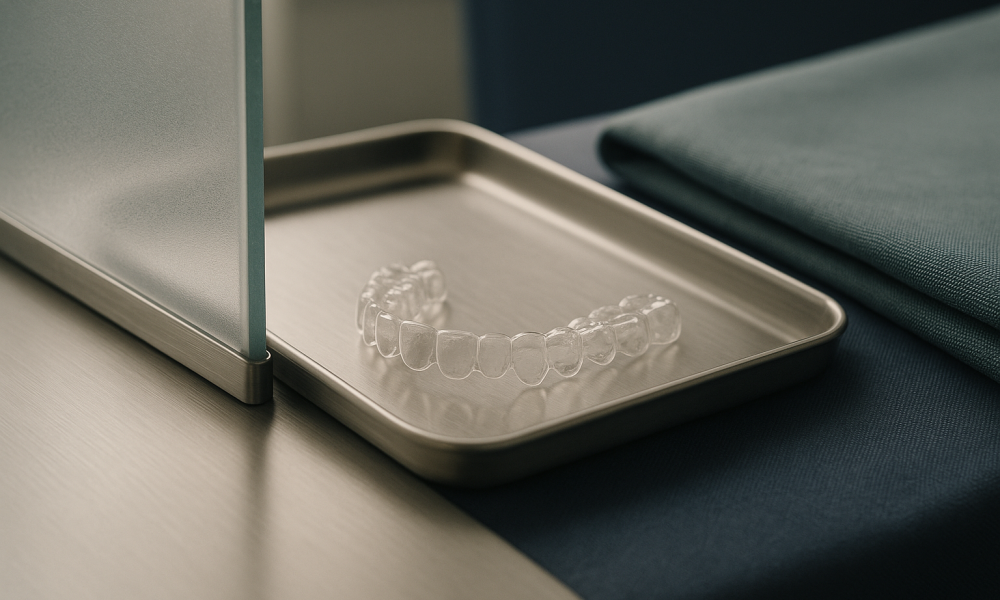
What Clear Aligners (Invisalign-Style) is and who it is for
Clear aligners, often known by the brand name Invisalign, represent a modern approach to teeth straightening without the need for traditional metal braces. These aligners are custom-made, transparent trays that fit snugly over your teeth, gradually shifting them into the desired position. The primary appeal of clear aligners is their discreet appearance, making them a popular choice among adults and teens who prefer a less noticeable orthodontic treatment.
The treatment process begins with a consultation, usually involving digital scans or impressions of your teeth. This data is then used to create a 3D treatment plan that charts the movement of your teeth over time. Patients typically receive a series of aligners, each designed to be worn for about one to two weeks before progressing to the next set. The total treatment duration can range from six to eighteen months, depending on the complexity of the case.
Clear aligners are particularly well-suited for individuals with mild to moderate dental issues such as crowding, gaps, or minor bite irregularities. They are generally not recommended for severe orthodontic conditions, which might require more traditional interventions. Another advantage of clear aligners is the ability to remove them for eating, drinking, and oral hygiene, which can contribute to better overall dental health during treatment.
In Turkey, clear aligner treatments are offered by numerous dental professionals, often at prices significantly lower than those in the UK, Europe, or North America. The typical cost for clear aligners in Turkey ranges from £1,200 to £3,500, depending on the complexity of the treatment and the clinic’s location. This cost typically includes consultations, the aligners themselves, and follow-up visits.
The effectiveness of clear aligners depends heavily on patient compliance. Aligners need to be worn for at least 20-22 hours per day to achieve the desired results. Regular check-ups are necessary to monitor progress and make any necessary adjustments to the treatment plan.
Are you a good candidate?
Determining whether you are a good candidate for clear aligners involves several factors. These aligners are designed to address specific orthodontic issues and may not be suitable for everyone. Here is a checklist to help you assess your suitability:
- Dental health: Your teeth and gums should be in good health. Issues like gum disease or cavities need to be addressed before starting treatment.
- Type of dental issues: Clear aligners are ideal for mild to moderate cases of crowding, spacing, and certain bite misalignments. Severe cases may require alternative treatments.
- Age: While clear aligners are available for both adults and teenagers, younger patients should have all permanent teeth erupted.
- Commitment: Aligners must be worn for 20-22 hours a day. Patients who cannot commit to this may not see optimal results.
- Lifestyle: Consider your daily activities. If you frequently engage in activities where wearing aligners might be impractical, discuss this with your orthodontist.
- Expectations: Have realistic expectations about the treatment duration and outcome. Aligners work progressively and results are not immediate.
- Budget: Ensure that you have budgeted for the full course of treatment, including any potential adjustments or additional aligners.
Consultation with a qualified orthodontist is essential to determine your suitability for clear aligners. During this consultation, digital imaging and a thorough examination will provide insights into your specific needs and the expected outcomes. It’s important to ask questions and understand the entire process, from the initial fitting to the final results, to make an informed decision.
The procedure, step by step
Undergoing treatment with clear aligners in Turkey involves a series of well-coordinated steps designed to ensure a seamless experience and optimal results. Here is a detailed breakdown of the procedure:
- Initial Consultation: During your first visit, a comprehensive dental examination will be conducted. This includes taking X-rays, photographs, and digital scans of your teeth. This data will form the basis of your personalised treatment plan. Expect this appointment to last approximately 1-2 hours.
- Treatment Plan Development: Using advanced 3D imaging technology, your dentist will create a virtual model of your teeth. This model allows both you and the dental team to visualise the expected movement of your teeth throughout the treatment. You will be able to see a projected outcome of your smile before committing to the plan.
- Aligner Fabrication: Once you approve the treatment plan, the digital models are sent to a specialised lab where your custom aligners are fabricated. This process typically takes about 2-3 weeks. Each aligner is designed to apply specific forces to gradually shift your teeth into the desired position.
- Fitting the First Set of Aligners: Upon receiving your aligners, you will return to the clinic for a fitting session. Your dentist will ensure that the aligners fit properly and provide instructions on how to wear and care for them. You will likely receive multiple sets of aligners to take home, each to be worn for about two weeks.
- Regular Check-ups: You will need to visit the clinic every 6-8 weeks for progress assessments. These appointments allow your dentist to monitor your progress and make necessary adjustments. Each visit typically lasts 30-45 minutes.
- Completion and Retainer Phase: Once the treatment is complete, a final set of scans will be taken to confirm that your teeth have moved according to plan. To maintain your new smile, you will be provided with retainers. Wearing these as instructed is crucial to prevent your teeth from shifting back to their original positions.
Throughout the process, communication with your dental team is key. They are there to answer any questions and provide support to ensure the best possible outcome.
Recovery timeline
The recovery timeline for clear aligner treatment is generally straightforward, but understanding what to expect during each phase can help you manage the process more effectively. Below is a detailed timeline of the recovery and adaptation phases:
| Period | What to expect | Care notes |
|---|---|---|
| Day 1 | You may experience some discomfort or pressure as your teeth begin to adjust to the aligners. This is normal and typically subsides within a few days. | Use over-the-counter pain relievers if needed. Avoid very hot or cold foods and drinks to minimise sensitivity. |
| Week 1 | Gradual adjustment to wearing aligners for 20-22 hours a day. Speech may be slightly affected but usually improves as you adapt. | Practice speaking with the aligners in place to accelerate adaptation. Clean aligners regularly to maintain hygiene. |
| Weeks 2-6 | Noticeable movement of teeth may begin. Discomfort when switching to new aligners is common but should be manageable. | Follow the schedule for changing aligners as prescribed. Continue regular oral hygiene practices. |
| Months 2-6 | Teeth alignment continues to progress. Most patients become fully accustomed to the routine by this stage. | Attend scheduled check-ups. Report any issues like sharp edges or persistent discomfort to your dentist. |
| Final treatment phase | Final adjustments are made, and treatment concludes. You will receive retainers to maintain the new position of your teeth. | Wear retainers as directed to prevent relapse. Retainers are typically worn full-time for the first few months, then nightly. |
Clear aligner treatment is generally well-tolerated, with minimal disruption to daily life. Adhering to the prescribed care routine is essential for achieving the desired results.
What it costs: Turkey vs the UK, Europe and North America
When considering clear aligners, such as Invisalign, for orthodontic treatment, cost is a significant factor for many patients. Turkey has emerged as a popular destination for dental tourism, primarily due to its competitive pricing compared to many Western countries. It is important to note that the figures provided here are indicative and can vary depending on the complexity of the case and the specific provider.
| Region | Indicative Price Range (GBP) | What Packages Typically Include |
|---|---|---|
| Turkey | £1,500 – £3,000 | Initial consultation, treatment planning, aligners, follow-up visits, and minor adjustments |
| UK | £3,000 – £5,500 | Initial consultation, treatment planning, aligners, follow-up visits, and minor adjustments |
| Europe | £3,000 – £6,000 | Initial consultation, treatment planning, aligners, follow-up visits, and minor adjustments |
| North America | £4,000 – £7,000 | Initial consultation, treatment planning, aligners, follow-up visits, and minor adjustments |
In Turkey, the lower cost of living and favourable exchange rates contribute to the overall affordability of dental treatments. Clinics often offer comprehensive packages that include not only the aligners themselves but also the necessary preliminary work such as diagnostic tests and x-rays, which are crucial for accurate treatment planning.
Moreover, Turkish clinics frequently offer additional services such as airport transfers, accommodation arrangements, and personal assistance, which can add significant value for international patients. These extras, while not directly related to the medical treatment, enhance the overall experience and reduce the logistical burden on patients travelling from abroad.
It is advisable for prospective patients to thoroughly research and directly communicate with clinics to understand the specifics of what is included in their treatment packages. This will help in making an informed decision while comparing the costs with those in their home country. The transparency in pricing and the inclusion of various services often make Turkey a cost-effective choice for many.
Risks and how accredited providers manage them
As with any medical procedure, there are inherent risks associated with the use of clear aligners. These can range from minor discomfort to more significant issues such as tooth movement not proceeding as planned, gum irritation, or allergic reactions to the materials used in the aligners. Accredited providers in Turkey are well aware of these risks and implement various strategies to mitigate them, ensuring patient safety and satisfaction.
One of the primary steps taken by reputable clinics is a thorough initial assessment. This involves detailed diagnostic imaging, such as x-rays and digital scans, to create a precise treatment plan tailored to the individual needs of the patient. This careful planning minimises the risk of unexpected complications during the treatment process.
Furthermore, Turkish clinics often employ experienced orthodontists who are trained to identify potential issues early on and adjust the treatment plan accordingly. Regular follow-up appointments are scheduled to monitor progress and make necessary adjustments to the aligners. This proactive approach helps to quickly address any emerging problems, reducing the risk of prolonged discomfort or ineffective treatment outcomes.
Another significant risk management strategy is the use of high-quality materials. Accredited clinics in Turkey typically use aligners that are manufactured following international standards, ensuring they are safe and effective. Additionally, these clinics often offer comprehensive aftercare instructions to patients, which are crucial for maintaining oral hygiene and preventing complications such as gum disease or tooth decay during the treatment period.
Patient education is also a key component in managing risks. Clinics ensure that patients are fully informed about the treatment process, potential risks, and necessary precautions. This knowledge empowers patients to actively participate in their treatment, enhancing the likelihood of successful outcomes.
In summary, while there are risks associated with clear aligner treatments, accredited providers in Turkey employ a robust framework of preventive measures, professional expertise, and patient education to manage these effectively. Prospective patients are encouraged to choose clinics with strong accreditation and positive patient reviews to ensure they receive high-quality care.
How to choose the right provider
Choosing the right provider for your clear aligner treatment in Turkey is crucial to ensure a safe and successful experience. Start by verifying the clinic’s accreditation. Reputable clinics in Turkey should be accredited by national health authorities and international bodies such as the Joint Commission International (JCI). Accreditation ensures that the clinic adheres to high standards of care and safety.
Next, evaluate the experience and qualifications of the orthodontist who will oversee your treatment. Look for professionals with extensive experience in clear aligner therapy, ideally with a portfolio of past cases. Membership in professional organisations such as the Turkish Orthodontic Society or the European Orthodontic Society can also be a positive indicator of their commitment to ongoing education and excellence.
Aftercare is another critical factor. A quality provider will offer a comprehensive aftercare plan that includes regular check-ins, follow-up appointments, and remote support. This is essential for monitoring your progress and ensuring the treatment is on track.
Be aware of red flags when considering providers. Avoid clinics that make unrealistic promises, such as guaranteed results or impossibly short treatment durations. Transparency about potential risks and challenges is a hallmark of a reputable provider. Additionally, be wary if a clinic is unwilling to provide references or testimonials from previous patients.
Lastly, consider the overall patient experience. This includes the quality of communication before, during, and after your visit. A good provider will have a responsive support team that can address your queries promptly and in your preferred language. Evaluating reviews from past international patients can offer insights into the quality of care and service provided by the clinic.
Planning your trip
Planning your trip to Turkey for clear aligner treatment involves several key steps to ensure a smooth and efficient experience. Begin by establishing a timeline. Typically, you should start planning your treatment at least 2-3 months before your intended travel date. This allows ample time for consultations, travel arrangements, and any preliminary dental work that may be required.
Ensure all necessary documents are in order. You will need a valid passport and may require a visa depending on your nationality. Check the latest entry requirements for Turkey to avoid any last-minute surprises. Additionally, bring along any medical records or dental X-rays that can assist your orthodontist in assessing your case.
The length of stay in Turkey will depend on your specific treatment plan. Initial visits for clear aligners usually require a stay of about 3-5 days for comprehensive consultations, dental impressions, and any initial fittings. Subsequent visits may be shorter, depending on the progress of your treatment.
Consider the logistics of follow-up care at home. Establish a plan with your Turkish orthodontist for remote check-ins, which can often be conducted via video calls. It’s also prudent to have a local orthodontist in your home country who can assist with any urgent needs or adjustments that may arise between visits.
Financial planning is another key aspect. While initial costs in Turkey may range between £1,500 and £3,000, be aware of potential additional costs for travel, accommodation, and follow-up visits. Many clinics offer packages that include accommodation and airport transfers, which can simplify the planning process and offer cost savings.
Lastly, ensure that you have comprehensive travel and medical insurance that covers dental procedures abroad. This provides peace of mind and financial protection in case of unforeseen complications or emergencies during your trip.
Frequently Asked Questions
What is the typical cost of clear aligner treatment in Turkey?
The cost of clear aligner treatment in Turkey typically ranges from £1,500 to £3,000. This includes the aligners and initial consultations. However, prices may vary based on the complexity of the case and the specific clinic. It's advisable to get a detailed quote before making any commitments.
Are clear aligners in Turkey as effective as those in the UK or North America?
Clear aligners offered in Turkey are generally of high quality and can be as effective as those available in the UK or North America. Many Turkish clinics use the same global brands and technology for aligner production. The key to effectiveness lies in the expertise of the orthodontist and the adherence to the treatment plan.
How do I ensure the clinic in Turkey is safe and reputable?
Ensure the clinic is accredited by national and international bodies, such as the Joint Commission International (JCI). Research the orthodontist's qualifications and experience, and read reviews from past international patients. A reputable clinic will be transparent about their credentials and patient outcomes.
What documents do I need to travel for dental treatment in Turkey?
You will need a valid passport and possibly a visa, depending on your nationality. Additionally, bring any relevant medical records or dental X-rays that can assist your orthodontist. It's also wise to have details of your travel insurance that covers medical procedures abroad.
How long will I need to stay in Turkey for the initial treatment?
The initial visit for clear aligner treatment typically requires a stay of about 3-5 days. This allows time for comprehensive consultations, dental impressions, and initial fittings. Subsequent visits may vary based on your treatment progress and can often be shorter.
Is aftercare included in the treatment package?
Many clinics offer comprehensive aftercare as part of their treatment package, including regular check-ins and remote support. It's important to clarify with your chosen provider what is included in the package and how follow-up care will be managed once you return home.
Can I continue my aligner treatment at home after starting in Turkey?
Yes, you can continue your aligner treatment at home after the initial setup in Turkey. Remote check-ins with your Turkish orthodontist are often arranged, and it's advisable to have a local orthodontist for any urgent needs. Ensure clear communication with your provider about the follow-up process.
What are the potential risks of getting dental treatment abroad?
Potential risks include communication barriers, differences in healthcare standards, and the challenge of managing follow-up care from a distance. Choosing a reputable, accredited clinic and having a local orthodontist for support can mitigate these risks. Comprehensive travel insurance is also recommended.
How do I handle emergencies or complications after returning home?
Establish a plan with your Turkish orthodontist for handling emergencies, which may include remote consultations. Having a local orthodontist who is aware of your treatment can be invaluable for urgent adjustments or complications. Ensure your travel insurance covers dental emergencies abroad.
What should I look for in a treatment package offer?
Look for packages that include comprehensive care, such as consultations, aligners, aftercare, and possibly accommodation and airport transfers. Ensure the package details are transparent and understand what is and isn't included to avoid unexpected costs.
Are there payment options or instalment plans available for treatment?
Many clinics in Turkey offer payment plans or instalment options to ease the financial burden. Discuss these options directly with the clinic to understand the terms and conditions. It's important to ensure that any financial agreement is clearly documented.
How does the quality of dental care in Turkey compare to my home country?
Turkey is known for its high-quality dental care, with many clinics offering services comparable to those in the UK or North America. The quality often depends on the clinic and the orthodontist's expertise. Research and choose accredited, well-reviewed providers to ensure a high standard of care.