
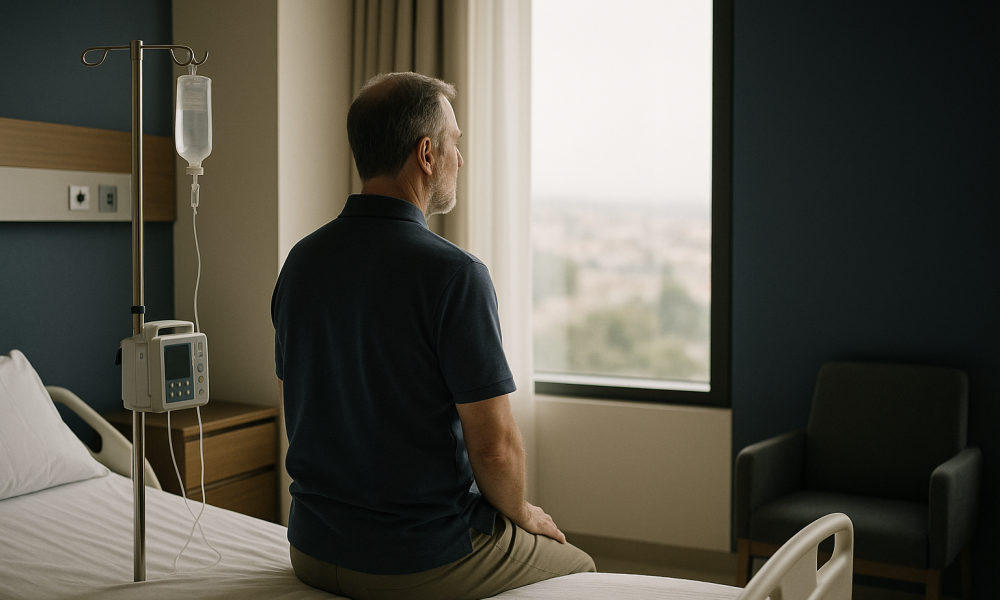
What Colorectal Cancer Treatment Abroad is and who it is for
Colorectal cancer treatment abroad, particularly in Turkey, offers international patients access to high-quality medical care at competitive prices. As a medical hub, Turkey is renowned for its advanced healthcare infrastructure, experienced specialists, and comprehensive treatment options. This makes it an attractive destination for Canadian patients seeking effective treatment solutions for colorectal cancer.
The treatment process typically involves a multidisciplinary approach, combining surgery, chemotherapy, and radiotherapy, depending on the stage and location of the cancer. Surgical options include minimally invasive techniques such as laparoscopic and robotic surgery, which are favoured for their shorter recovery times and reduced post-operative pain. These modern techniques are widely available in Turkish medical facilities, which are equipped with state-of-the-art technology and staffed by medical professionals trained to international standards.
Turkey’s healthcare facilities provide a patient-centred approach, with many hospitals offering dedicated international patient departments to assist with logistics, including travel arrangements, accommodation, and language support. This ensures a seamless experience for patients travelling from abroad, such as those from Canada.
Moreover, the cost of colorectal cancer treatment in Turkey is significantly lower than in North America, without compromising the quality of care. Indicative costs range from £7,000 to £12,000, depending on the complexity of the treatment required. This affordability, coupled with the high standard of care, underscores why Turkey is a preferred choice for many seeking colorectal cancer treatment.
In conclusion, Turkey offers a viable and attractive option for Canadians looking to access timely and effective colorectal cancer treatment. The combination of advanced medical care, experienced professionals, and supportive patient services positions Turkey as a leading destination for medical tourism in the field of oncology.
Are you a good candidate?
Determining whether you are a suitable candidate for colorectal cancer treatment in Turkey involves several factors. It is crucial to consult with your healthcare provider in Canada to discuss your specific case and treatment options before making any decisions. Below is a checklist to help identify if you may be a good candidate for treatment abroad:
- Diagnosis Confirmation: Ensure that you have a confirmed diagnosis of colorectal cancer, ideally with staging information to guide treatment planning.
- Health Status: Be in a stable enough condition to travel long distances and undergo surgery or other treatments. This may include a comprehensive health assessment to evaluate your ability to handle anaesthesia and post-operative recovery.
- Previous Treatments: Consider whether you have undergone any prior treatments, such as chemotherapy or radiation, and how these may impact your treatment plan in Turkey.
- Insurance Coverage: Check with your insurance provider to see if international treatment is covered, or explore potential financing options if needed.
- Support System: Ensure that you have a support system in place, whether it’s family or friends, who can accompany you or assist during your recovery period abroad.
- Travel Readiness: Be prepared to manage the logistics of international travel, including obtaining necessary visas, and arranging flights and accommodation.
- Language Considerations: Consider whether language barriers may affect your treatment experience, although many Turkish hospitals provide translation services for international patients.
Ultimately, the decision to seek colorectal cancer treatment in Turkey should be made after careful consideration of these factors and discussions with your medical team. It is important to weigh the potential benefits and challenges to ensure that this is the right choice for your health and circumstances.
The procedure, step by step
Undergoing colorectal cancer treatment in Turkey involves several meticulously planned steps, each tailored to the patient’s specific medical needs. Here is a detailed overview of the typical procedure:
- Initial Consultation and Diagnosis: The process begins with a thorough consultation where your medical history is reviewed. Diagnostic tests such as colonoscopy, biopsy, and imaging scans (CT, MRI) are performed to determine the cancer’s stage and location. This step is crucial for developing a personalised treatment plan.
- Treatment Planning: Following diagnosis, a multidisciplinary team of specialists including oncologists, surgeons, and radiologists convenes to devise a treatment strategy. Options may include surgery, chemotherapy, radiation therapy, or a combination of these. The plan is discussed with the patient to ensure understanding and consent.
- Pre-Operative Preparation: Before surgery, patients undergo pre-operative assessments to ensure they are fit for the procedure. This includes blood tests, ECGs, and anaesthetic evaluations. Patients are advised to follow specific dietary restrictions and may be required to start a bowel preparation regimen to clear the colon.
- Surgical Procedure: The most common surgical approach is a laparoscopic colectomy, which is minimally invasive and involves smaller incisions. The surgeon removes the cancerous section of the colon along with nearby lymph nodes. In some cases, open surgery may be necessary, depending on the tumour’s size and location.
- Post-Operative Care: After surgery, patients are monitored in a recovery room. Pain management and infection prevention are priorities. Patients are encouraged to start moving as soon as possible to prevent complications such as blood clots.
- Adjuvant Therapy: Depending on the cancer stage and pathology results, additional treatments such as chemotherapy or radiation may be recommended to eradicate any remaining cancer cells.
- Regular Follow-Up: Post-treatment, regular follow-up appointments are scheduled to monitor recovery and detect any recurrence early. This includes physical exams, blood tests, and periodic imaging.
Each step is designed to ensure the best possible outcomes, with patient safety and comfort being paramount throughout the process.
Recovery timeline
The recovery period following colorectal cancer treatment in Turkey varies depending on the individual and the specific procedures undertaken. Below is a typical recovery timeline:
| Period | What to expect | Care notes |
|---|---|---|
| Day 1 | Post-surgery, patients remain in a recovery room where vital signs are closely monitored. Pain management begins immediately to ensure comfort. | Patients are encouraged to perform breathing exercises and gentle movements to promote circulation. |
| Days 2-5 | Patients typically transition from liquid to soft diets. Mobility is gradually increased with assistance from nursing staff. | Continue pain management and begin gentle walking exercises to prevent blood clots. |
| Week 1 | Most patients are discharged from the hospital. Mild discomfort and fatigue are common, but mobility improves. | Follow dietary guidelines and avoid heavy lifting. Attend scheduled follow-up appointments. |
| Weeks 2-4 | Patients generally regain more energy. Any adjuvant therapies, if needed, may commence during this period. | Adhere to prescribed medication. Monitor for signs of infection or complications and report them promptly. |
| Month 1-3 | Significant improvement in strength and activity levels. Follow-up tests are conducted to assess recovery progress. | Gradually reintroduce regular activities as tolerated. Maintain a balanced diet to support healing. |
| Full Recovery (3-6 months) | Most patients have returned to normal activities. Long-term follow-up care continues to monitor health. | Continue with healthy lifestyle changes and attend all follow-up appointments to ensure ongoing recovery. |
This timeline is indicative and can vary based on individual health conditions and the complexity of the surgery. Patients are advised to follow their medical team’s guidance for the best recovery outcomes.
What it costs: Turkey vs Canada
When considering colorectal cancer treatment abroad, understanding the costs involved is crucial. In Turkey, the cost of medical procedures is often more affordable than in Canada, owing to factors such as lower living costs and competitive pricing in the healthcare sector. However, it is essential to emphasise that these figures are indicative and can vary based on the specific needs of the patient, the complexity of the treatment, and the facility chosen.
| Treatment Component | Indicative Cost in Turkey (GBP) | Indicative Cost in Canada (GBP) |
|---|---|---|
| Surgical Resection | £4,000 – £8,000 | £15,000 – £25,000 |
| Chemotherapy (per cycle) | £800 – £1,200 | £1,500 – £3,000 |
| Radiation Therapy | £2,500 – £4,000 | £5,000 – £8,000 |
| Initial Consultation | £100 – £200 | £250 – £500 |
| Follow-up Care | £300 – £600 | £800 – £1,200 |
Typical treatment packages in Turkey often include not only the medical procedures themselves but also additional services that are designed to support international patients. These may encompass airport transfers, accommodation for the patient and a companion, translation services, and sometimes even local transportation. Such inclusions can significantly ease the logistical burden on patients and contribute to a more comfortable experience overall.
In contrast, Canadian healthcare, while known for its quality, does not typically offer such comprehensive packages for international patients. Costs in Canada are generally higher due to the healthcare system’s structure and the higher cost of living. It is also worth noting that while Canadian citizens benefit from public healthcare, international patients may face out-of-pocket expenses that are substantially higher.
Ultimately, when evaluating the cost of colorectal cancer treatment abroad, it is important to consider not just the financial implications but also the quality of care, the expertise of the medical staff, and the overall patient experience. While Turkey offers competitive pricing, patients should conduct thorough research and consult with medical professionals to ensure they choose a provider that meets their individual needs.
Risks and how accredited providers manage them
Undergoing colorectal cancer treatment abroad, such as in Turkey, naturally involves considering potential risks. These can range from medical complications to logistical challenges. Accredited providers in Turkey are well-equipped to manage these risks, adhering to international standards of care and employing comprehensive risk management strategies.
One of the primary medical risks associated with colorectal cancer treatment is the potential for surgical complications, such as infections or bleeding. Accredited Turkish hospitals mitigate these risks by maintaining rigorous hygiene standards, employing experienced surgical teams, and utilising advanced medical technologies. Preoperative assessments are thorough, helping to identify any potential issues before surgery is undertaken.
- Infection Control: Hospitals implement strict infection control protocols, including sterilisation procedures and the use of personal protective equipment (PPE) to minimise infection risks.
- Postoperative Care: Patients receive attentive postoperative care, which includes monitoring for any signs of complications and administering appropriate interventions promptly.
Another consideration is the risk associated with chemotherapy and radiation therapy, which can have significant side effects. Accredited providers in Turkey offer detailed consultations to discuss these risks, ensuring patients are fully informed. Supportive care services, including nutritional support and psychological counselling, are often available to help manage side effects and maintain quality of life.
- Side Effect Management: Oncologists work closely with patients to adjust treatment plans as needed, balancing efficacy with quality of life.
- Holistic Support: Access to dietitians, physiotherapists, and mental health professionals helps address the comprehensive needs of cancer patients.
Logistical risks, such as travel-related issues and language barriers, are also addressed by many Turkish healthcare providers. They offer services like airport transfers and translation assistance to ensure smooth communication and reduce stress for international patients.
- Travel Assistance: Many providers include logistical support in their packages, ensuring patients and their companions have a seamless experience from arrival to departure.
- Language Services: Professional interpreters or multilingual staff are often available to facilitate communication between patients and medical teams.
In conclusion, while there are inherent risks in seeking treatment abroad, accredited providers in Turkey are proactive in managing these risks through a combination of medical expertise, comprehensive patient care, and logistical support. Patients are encouraged to engage in open discussions with their chosen healthcare providers to fully understand the measures in place and to make informed decisions about their treatment journey.
How to choose the right provider
Choosing the right provider for colorectal cancer treatment in Turkey is a critical step that involves careful consideration of several factors. Firstly, accreditation is a significant indicator of quality. Look for hospitals accredited by international bodies such as the Joint Commission International (JCI) or the International Organization for Standardization (ISO). These accreditations ensure that the facility adheres to stringent international standards of healthcare.
Another key factor is the experience and expertise of the surgeons. It is advisable to inquire about the surgeon’s qualifications, years of experience, and the number of colorectal cancer surgeries they have performed. Surgeons with specialised training in colorectal surgery and a track record of successful outcomes are preferable. Some facilities may provide patient testimonials or success stories, which can offer additional insights.
Aftercare is equally important. Quality aftercare can significantly influence recovery outcomes, so ensure that the provider offers comprehensive post-operative care. This includes regular follow-up appointments, access to physiotherapy if needed, and clear communication with your healthcare providers back home. Some hospitals offer virtual consultations post-treatment to facilitate continuity of care.
Be vigilant about red flags, such as vague pricing structures or lack of transparency in treatment plans. A reputable provider should clearly communicate the costs involved, including surgery, hospital stay, and any additional treatments. Indicative cost ranges for colorectal cancer treatment in Turkey typically fall between £6,000 and £12,000, depending on the complexity of the case. Avoid facilities that pressure you into quick decisions or make unrealistic promises about outcomes.
Lastly, consider the hospital’s overall environment and support services. This includes the availability of a multi-disciplinary team approach, which brings together specialists from various fields to tailor a comprehensive treatment plan. Ensure that language will not be a barrier; many Turkish hospitals offer services in English or have translators available.
Planning your trip
Planning your trip to Turkey for colorectal cancer treatment involves several steps to ensure a smooth and stress-free experience. Begin by consulting with your local healthcare provider to discuss your decision and obtain the necessary medical documentation. This typically includes recent medical records, imaging results, and any relevant pathology reports. These documents will be essential for your initial consultations with Turkish specialists.
Once you have selected a provider, coordinate with their international patient office to understand the pre-travel requirements. You should aim to begin planning at least two to three months before your intended travel date to allow ample time for preparation. This timeline includes obtaining a medical visa if required, arranging travel insurance that covers overseas medical treatment, and booking flights and accommodation. The indicative cost for a return flight from Canada to Turkey ranges from £600 to £1,200, depending on the season and booking time.
Consider the length of your stay, which typically includes the pre-operative assessment, surgery, and post-operative recovery period. For colorectal cancer treatment, patients often stay in Turkey for two to three weeks, though this can vary based on individual recovery rates and treatment complexity.
Organise your accommodation close to the hospital to facilitate easy access to appointments. Many hospitals offer packages that include accommodation, or they can recommend nearby hotels. Ensure that your accommodation is comfortable for recovery, with amenities such as room service and easy access to necessities.
Plan for follow-up care upon your return to Canada. Discuss with your Turkish healthcare provider about the follow-up schedule and any necessary arrangements for continuity of care at home. This may involve coordinating with your Canadian healthcare provider to ensure all medical information is transferred seamlessly.
Finally, consider the cultural and logistical aspects of your trip. Familiarise yourself with Turkish customs and any language considerations, although most medical staff will speak English. Also, check with your healthcare provider about any dietary restrictions or lifestyle recommendations to follow during your stay.
Frequently Asked Questions
What should I look for in a hospital's accreditation?
Accreditation from international bodies like the Joint Commission International (JCI) or the International Organization for Standardization (ISO) ensures that the hospital meets high standards of healthcare quality and safety. These accrediting bodies evaluate hospitals on various parameters, including patient care, safety protocols, and staff qualifications. Choosing a hospital with such accreditation can provide confidence in the quality of care you will receive.
How can I verify a surgeon's experience?
To verify a surgeon's experience, inquire about their qualifications, years of practice, and the number of colorectal cancer surgeries they have performed. Many reputable hospitals provide this information on their websites or upon request. Additionally, patient testimonials and success stories can offer insights into the surgeon's expertise and patient satisfaction. It is also beneficial to check if the surgeon is affiliated with professional medical associations.
What does aftercare involve?
Aftercare includes all post-operative services necessary for recovery, such as regular follow-up appointments, monitoring for complications, physiotherapy, and assistance with medication management. Good aftercare also involves clear communication between your treatment team in Turkey and your healthcare providers at home to ensure a seamless transition and continuity of care. Some hospitals offer virtual consultations to support ongoing recovery.
What are the indicative costs of treatment in Turkey?
The indicative costs for colorectal cancer treatment in Turkey typically range from £6,000 to £12,000. This range depends on factors such as the complexity of the surgery, the length of hospital stay, and additional treatments or therapies required. It is important to request a detailed breakdown of costs from your healthcare provider to understand what is included and to avoid unexpected expenses.
How long should I plan to stay in Turkey?
For colorectal cancer treatment, plan to stay in Turkey for approximately two to three weeks. This duration allows time for pre-operative assessments, surgery, and initial recovery. The exact length of stay can vary based on individual recovery rates and the specifics of your treatment plan. Coordination with your healthcare provider will help determine the precise timeline for your situation.
What documents do I need to bring with me?
Bring all relevant medical documents, including recent medical records, imaging results, and pathology reports. These documents are crucial for your initial consultations and ongoing treatment. Additionally, ensure you have your passport, any required visas, and travel insurance documentation. Having digital copies of these documents can also be helpful in case of emergencies.
How do I ensure continuity of care when I return home?
To ensure continuity of care, discuss a follow-up plan with your Turkish healthcare provider before leaving. This plan should outline necessary follow-up appointments and any ongoing treatments or medications. Coordinate with your Canadian healthcare provider to transfer medical records and ensure they are informed of your treatment abroad. This collaboration is essential for a smooth transition and continued health management.
Are there any red flags to watch out for when choosing a provider?
Red flags include vague pricing structures, lack of transparency in treatment plans, and facilities that pressure you into quick decisions. Be cautious of providers making unrealistic promises about outcomes. A reputable provider should offer clear communication about costs, treatment options, and expected outcomes. It's advisable to seek patient reviews and third-party evaluations to gauge the provider's reputation.
What kind of support services should I expect?
Expect support services such as a dedicated international patient office, language assistance, and comprehensive pre- and post-operative care. Many hospitals offer a multi-disciplinary team approach, bringing together various specialists to tailor a treatment plan to your needs. Additional services may include assistance with travel arrangements, accommodation, and cultural orientation to enhance your comfort during your stay.
How safe is it to travel to Turkey for medical treatment?
Traveling to Turkey for medical treatment is generally safe, as many hospitals are internationally accredited and adhere to high standards of care. It's important to choose a reputable provider and ensure that all travel arrangements, including insurance and accommodation, are in place. Consulting with your local healthcare provider about your travel plans can also provide additional assurance and guidance.
What should I consider regarding travel insurance?
When selecting travel insurance, ensure it covers medical treatment abroad, including any potential complications from your procedure. Check the policy details for coverage limits, exclusions, and emergency evacuation options. It's also wise to confirm whether your insurance will cover follow-up care upon your return home. Comprehensive insurance will provide peace of mind and financial protection during your medical trip.
How much should I budget for travel and accommodation?
Budgeting for travel and accommodation involves considering flight costs, which can range from £600 to £1,200 for a return trip from Canada to Turkey. Accommodation costs vary based on location and amenities, but expect to spend between £50 and £150 per night for a comfortable stay near the hospital. Some hospitals offer package deals that include accommodation, which can help manage overall expenses.