
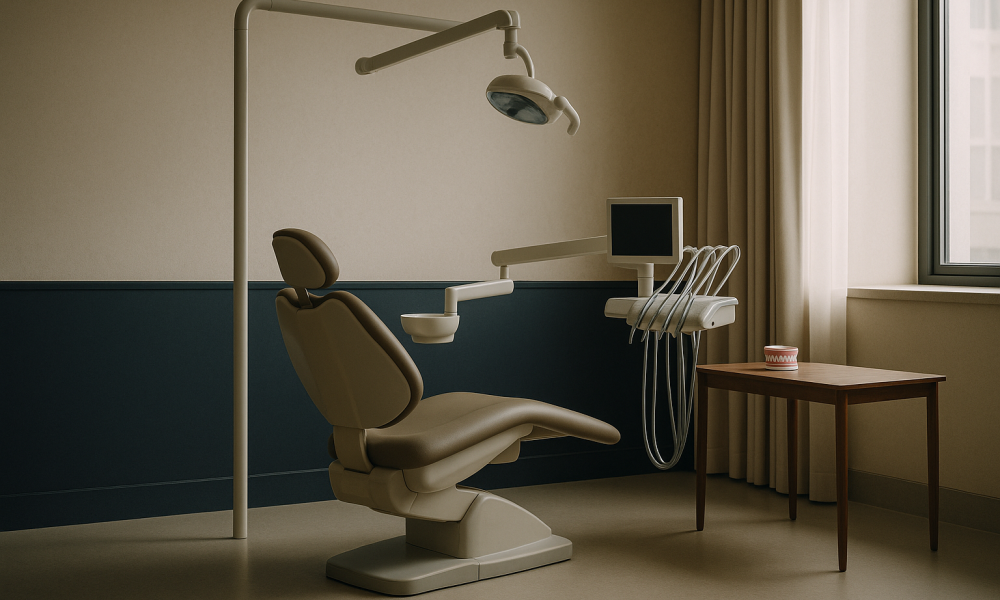
What Composite Bonding is and who it is for
Composite bonding is a popular cosmetic dental procedure designed to enhance the appearance of teeth. It involves the application of a tooth-coloured resin material to the teeth, which is then shaped and polished to match the surrounding teeth, improving aesthetics and functionality. This minimally invasive procedure is often used to address minor imperfections such as chips, cracks, discolouration, and gaps between teeth.
The process of composite bonding typically begins with a consultation where a dentist evaluates the patient’s dental health and discusses their aesthetic goals. The dentist selects a shade of resin that closely matches the patient’s natural teeth to ensure a harmonious appearance. The surface of the tooth is then slightly roughened to help the resin adhere better, followed by the application of a conditioning liquid.
Once the tooth is prepared, the dentist layers the resin material onto the tooth, moulding it to the desired shape. A special light is used to harden the resin, effectively bonding it to the tooth. After the resin has set, the dentist will trim, shape, and polish it to achieve a natural and smooth finish. The entire procedure usually takes between 30 to 60 minutes per tooth, depending on the complexity of the case.
Composite bonding is particularly suitable for individuals looking for a cost-effective solution to enhance their smile without the need for extensive procedures. It offers immediate results, with patients able to enjoy their new smile right after the procedure. Moreover, it is a reversible treatment, meaning that it can be adjusted or removed with relative ease if necessary.
This treatment is ideal for those who have minor cosmetic dental issues and desire an improved smile without undergoing more invasive treatments such as veneers or crowns. It is also an attractive option for patients who prefer a quick and effective solution with minimal recovery time. However, composite bonding may not be suitable for individuals with significant dental decay or those requiring major structural changes to their teeth.
Are you a good candidate?
Determining whether you are a good candidate for composite bonding involves assessing several factors related to your oral health and cosmetic goals. This procedure is generally suitable for individuals who have healthy teeth and gums, as well as realistic expectations about the outcome.
To help evaluate your candidacy, consider the following checklist:
- Minor Cosmetic Issues: You have minor imperfections such as small chips, discoloured teeth, or gaps that do not require orthodontic intervention.
- Good Oral Health: Your teeth and gums are healthy, with no active decay or gum disease that could compromise the bonding process.
- Non-Smoker: Smoking can stain the resin material over time, so non-smokers are generally better candidates.
- Commitment to Oral Hygiene: You are willing to maintain good oral hygiene practices, as this will help prolong the life of the bonding.
- Realistic Expectations: You understand that while composite bonding can significantly improve the appearance of your teeth, it is not as durable as other dental restorations like crowns or veneers and may require periodic maintenance.
- Desire for Reversible Treatment: If you prefer a solution that can be adjusted or reversed, composite bonding offers this flexibility.
If you meet these criteria, composite bonding might be an ideal solution for you. However, it is crucial to consult with a qualified dentist who can provide a personalised assessment and discuss the potential benefits and limitations of the procedure in relation to your specific needs.
In summary, composite bonding is a versatile and effective option for many individuals seeking to improve their dental aesthetics. It requires a thorough evaluation by a dental professional to ensure that it aligns with your oral health status and cosmetic objectives. By carefully considering the criteria and consulting with a dentist, you can make an informed decision about whether this treatment is right for you.
The procedure, step by step
Composite bonding is a cosmetic dental procedure that offers a way to enhance the appearance of teeth by applying a tooth-coloured resin material. This procedure is often sought after for its ability to address issues such as gaps, chips, discolouration, or minor misalignments. Here is a step-by-step breakdown of what to expect during the composite bonding procedure:
- Initial Consultation: Before the procedure begins, you will have a consultation with your dentist to discuss your goals and expectations. The dentist will evaluate your teeth, take photographs, and possibly X-rays to assess the underlying structure. This step is crucial for planning the treatment and ensuring that composite bonding is suitable for your needs.
- Shade Selection: A key aspect of composite bonding is the colour match. The dentist will use a shade guide to select the resin colour that closely matches your natural teeth. This ensures that the bonded tooth blends seamlessly with the rest of your smile.
- Preparation: Unlike other dental procedures, composite bonding typically requires minimal preparation. The dentist will clean the tooth surface and may slightly roughen it to improve adhesion. In some cases, a local anaesthetic might be used, especially if the bonding is being applied to a decayed tooth.
- Application of Bonding Agent: The dentist applies a conditioning liquid to the tooth to help the resin adhere. This step is crucial for the durability of the bond.
- Applying the Composite Resin: The dentist will layer the resin onto the prepared tooth. They will carefully sculpt and mould the resin to achieve the desired shape and size. This is a meticulous process that requires skill and precision to ensure a natural appearance.
- Curing the Resin: Once the resin is shaped, a special curing light is used to harden the material. This process usually takes a few minutes, and it ensures that the resin is firmly bonded to the tooth.
- Polishing: After the resin has hardened, the dentist will trim and polish the tooth to achieve a smooth surface and a natural-looking finish. This step enhances the aesthetic appeal and ensures that the bonded tooth feels comfortable in your mouth.
- Final Adjustments: The dentist will check your bite and make any necessary adjustments to ensure that the bonded tooth aligns properly with the rest of your teeth. This step is essential to prevent any discomfort or issues with chewing.
The entire procedure typically takes between 30 minutes to an hour per tooth, depending on the complexity of the case. Patients often appreciate the immediate results and the fact that composite bonding is a non-invasive treatment option.
Recovery timeline
Composite bonding is a relatively straightforward procedure with minimal downtime. However, understanding the recovery process can help you manage your expectations and ensure optimal results. Below is a detailed recovery timeline from day 1 to full recovery:
| Period | What to Expect | Care Notes |
|---|---|---|
| Day 1 | Immediately after the procedure, you may experience some sensitivity, especially to hot or cold foods and beverages. The bonded area might feel slightly different as you adjust to the changes. | Avoid eating or drinking anything for at least 30 minutes post-procedure to allow the bonding material to fully set. Use a soft toothbrush and non-abrasive toothpaste to maintain oral hygiene. |
| Days 2-3 | Sensitivity should begin to diminish. The bonded tooth should feel more natural in your mouth. You might still notice slight differences in texture. | Continue with gentle brushing and flossing. Avoid biting on hard objects like ice or pens, which could damage the bonding. |
| Week 1 | By the end of the first week, most sensitivity should have resolved. The bonded area should feel more integrated with your natural teeth. | Attend any follow-up appointments if scheduled to ensure the bonding is intact and to address any concerns. |
| Weeks 2-4 | Complete adaptation to the bonded teeth. Any initial discomfort should be gone. The resin should be fully cured and stable. | Maintain regular dental hygiene practices. Consider using a mouthguard if you grind your teeth at night to protect the bonding. |
| Full Recovery (1 month) | The bonded teeth should function and feel like natural teeth. Long-term results depend on good oral hygiene and regular dental check-ups. | Schedule regular dental visits every 6 months to monitor the condition of the bonding and ensure long-lasting results. |
Overall, the recovery process for composite bonding is smooth and typically uneventful. By adhering to your dentist’s care instructions and maintaining good oral hygiene, you can enjoy the benefits of your enhanced smile for many years.
What it costs: Turkey vs Australia
When considering composite bonding as a treatment option, cost is often a significant factor for patients. Turkey has emerged as a popular destination for dental treatments due to its competitive pricing and high-quality care. However, it is essential to understand the cost differences between Turkey and Australia to make an informed decision. Below, we provide a comparative overview of indicative price ranges for composite bonding in both countries, along with typical inclusions in treatment packages.
| Service/Package | Turkey (Indicative Range in AUD) | Australia (Indicative Range in AUD) |
|---|---|---|
| Single Tooth Composite Bonding | $150 – $300 | $300 – $600 |
| Full Mouth Composite Bonding | $2,000 – $4,000 | $3,500 – $7,000 |
| Consultation Fee | Included in package | $50 – $150 |
| Initial Examination and X-rays | Included in package | $100 – $200 |
| Follow-up Care | Included in package | Additional $100 – $300 |
It is crucial to note that these figures are indicative and can vary based on the complexity of the case, the materials used, and the location of the clinic. In Turkey, many clinics offer comprehensive packages that include not only the dental procedures but also additional services such as accommodation, airport transfers, and local transportation. These packages are designed to provide a seamless experience for international patients.
Conversely, in Australia, the cost of composite bonding can be higher due to factors such as labour costs and operational expenses. While some clinics in Australia may offer package deals, they typically do not include non-medical services like accommodation or transportation, which are often considered extras.
For patients considering travelling to Turkey for composite bonding, it is advisable to request detailed quotes from multiple clinics, ensuring that all potential costs are clarified upfront. This includes understanding what is covered in the package and any additional costs that may arise during the treatment process.
Risks and how accredited providers manage them
Like any dental procedure, composite bonding carries certain risks, though they are generally considered minimal and manageable. Understanding these risks and how accredited providers in Turkey manage them can help patients make informed decisions about their dental care.
The primary risks associated with composite bonding include tooth sensitivity, uneven texture, and potential discolouration or chipping over time. Tooth sensitivity can occur if the bonding material is applied too close to the nerve. Uneven texture might result from improper application, while discolouration or chipping could occur due to wear and tear or dietary habits.
Accredited providers in Turkey are well-equipped to manage these risks through rigorous protocols and high standards of practice. These clinics typically employ highly trained dental professionals who are experienced in the latest bonding techniques. They use high-quality materials that are durable and aesthetically pleasing, which reduces the likelihood of discolouration and chipping.
To mitigate the risk of sensitivity, dental professionals carefully assess the condition of the patient’s teeth and gums before proceeding with the bonding process. They ensure that the bonding material is applied at a safe distance from the nerve, and they use desensitising agents when necessary.
Ensuring an even texture and seamless finish is another priority. Accredited providers utilise advanced tools and techniques to sculpt the bonding material, ensuring it matches the natural contour of the teeth. This attention to detail not only enhances the aesthetic outcome but also reduces the risk of future complications.
Moreover, most reputable clinics in Turkey offer comprehensive aftercare advice to help maintain the integrity of the composite bonding. This includes guidance on oral hygiene practices, dietary recommendations to avoid staining, and regular follow-up appointments to monitor the condition of the bonding.
Accredited clinics are also subject to regular inspections and must adhere to international standards of dental care. This ensures that they maintain a high level of service quality and patient safety. Patients are encouraged to verify the accreditation of their chosen clinic and to review patient testimonials and clinical outcomes to ensure they receive the best possible care.
Overall, while the risks associated with composite bonding are minimal, choosing an accredited provider in Turkey can further minimise these risks and enhance the likelihood of a successful and satisfactory outcome.
How to choose the right provider
Choosing the right provider for composite bonding in Turkey involves careful consideration of several factors to ensure a successful and safe experience. One of the primary aspects to evaluate is the accreditation of the clinic. Ensure that the dental facility is accredited by reputable international bodies such as the Joint Commission International (JCI) or the International Organization for Standardization (ISO). These accreditations indicate adherence to global healthcare standards.
Another critical factor is the experience and qualifications of the dental practitioner. Look for a dentist who holds a degree from a recognised dental school and has significant experience in cosmetic dentistry, particularly in composite bonding. Many reputable clinics provide biographies of their dental professionals, detailing their education, experience, and any special training they have undertaken. It is advisable to choose a dentist with at least five years of experience in performing composite bonding procedures.
Aftercare is another essential component of your treatment journey. A quality provider will offer comprehensive aftercare services, including follow-up appointments and advice on maintaining your new smile. Ensure that the clinic provides detailed post-procedure instructions and is available for consultation should any issues arise after your return home.
Be wary of clinics that make unrealistic promises or guarantees. While composite bonding can significantly enhance your smile, results can vary based on individual circumstances. A reputable clinic will set realistic expectations and provide a thorough consultation to discuss your goals and any potential limitations.
Finally, consider the clinic’s reputation by reading reviews and testimonials from previous patients. Look for consistent feedback regarding the quality of care, professionalism, and patient satisfaction. Red flags include a lack of transparency about costs, pressure to undergo additional treatments, or negative reviews regarding the clinic’s hygiene and safety standards.
Planning your trip
Planning your trip for composite bonding in Turkey requires careful consideration of several logistical aspects to ensure a smooth and stress-free experience. Begin by establishing a timeline for your travel. It is advisable to schedule your initial consultation and procedure at least 6-8 weeks in advance to allow adequate time for preparation and any required adjustments to your travel plans.
Ensure that all necessary travel documents are in order well before your departure. This includes a valid passport and, if required, a visa for entry into Turkey. Check the latest travel advisories and health recommendations from official Australian government sources to ensure compliance with any travel regulations.
Plan for a stay of approximately 5 to 7 days to allow for the procedure and initial recovery. This duration typically covers the initial consultation, the composite bonding procedure, and any necessary follow-up appointments. However, the exact length of stay may vary based on the complexity of your case and the provider’s recommendations.
Consider accommodations that are conveniently located near your chosen dental clinic to minimise travel time and stress. Many clinics offer assistance with travel arrangements and may have partnerships with local hotels to provide discounted rates for their patients.
After returning home, schedule a follow-up appointment with your local dentist to ensure that your composite bonding is in good condition and to address any concerns. Maintaining regular dental check-ups is crucial to preserving your results and overall oral health.
Finally, consider purchasing travel insurance that covers medical procedures abroad. This can provide peace of mind and financial protection in case of unforeseen events or complications.
Frequently Asked Questions
What is the typical cost range for composite bonding in Turkey?
The cost of composite bonding in Turkey typically ranges from £100 to £300 per tooth. This is an indicative range and can vary based on the complexity of the procedure, the clinic's location, and the dentist's experience. It's important to obtain a detailed cost estimate during your initial consultation, which should include all potential fees, such as consultation and aftercare.
How do I know if a Turkish dental clinic is accredited?
To verify a clinic's accreditation, look for certifications from recognised international bodies such as the Joint Commission International (JCI) or the International Organization for Standardization (ISO). These accreditations indicate that the clinic adheres to global healthcare standards. Clinics often display these certifications on their websites, but you can also contact the accrediting bodies directly for confirmation.
Is composite bonding in Turkey safe?
Composite bonding in Turkey is generally safe when performed by qualified and experienced dentists in accredited clinics. It is crucial to research the clinic's reputation, read patient reviews, and verify the dentist's credentials. Accredited clinics follow international safety and hygiene standards, reducing the risk of complications. Additionally, ensure that the clinic provides comprehensive aftercare and follow-up services.
What should I expect during the composite bonding procedure?
During the composite bonding procedure, the dentist will apply a tooth-coloured resin to your teeth, which is then shaped and polished to achieve the desired look. The process usually takes about 30 to 60 minutes per tooth. It is minimally invasive, often requiring little to no anaesthesia. After the procedure, you might experience slight sensitivity, but this typically subsides within a few days.
How long do the results of composite bonding last?
Composite bonding can last between 5 to 10 years, depending on factors such as oral hygiene, dietary habits, and lifestyle choices. Avoiding habits like biting nails or chewing on hard objects can help extend the lifespan of the bonding. Regular dental check-ups are essential to monitor the condition of the bonding and address any issues promptly.
Will I need to pay a deposit before the procedure?
Many clinics in Turkey require a deposit to secure your appointment for composite bonding. This deposit can range from 10% to 30% of the total treatment cost. It is important to confirm the clinic's payment policies and understand the terms of any deposits, including refund conditions, before proceeding with your booking.
What if I need additional dental work while I'm there?
If additional dental work is recommended during your initial consultation, discuss the potential benefits and costs with your dentist. It's crucial to ensure that any additional treatments align with your overall dental goals and budget. Clinics often provide comprehensive treatment plans and can adjust schedules to accommodate extra procedures, if needed.
How do I manage aftercare once I'm back in Australia?
After returning to Australia, maintain regular dental check-ups with your local dentist to ensure the longevity of your composite bonding. Follow any specific aftercare instructions provided by your Turkish dentist, such as avoiding certain foods or using recommended dental products. Contact your Turkish clinic if you have any concerns or require further guidance on aftercare.
Are there any pre-travel health requirements?
Before traveling to Turkey for dental treatment, check the latest travel advisories and health recommendations from official Australian government sources. Ensure that your routine vaccinations are up to date and consider any additional vaccinations that may be recommended. It's also wise to carry a basic medical kit for any minor health issues during your trip.
Can I combine my dental treatment with a holiday in Turkey?
Yes, many patients choose to combine their dental treatment with a holiday in Turkey. Plan your itinerary to allow sufficient time for both your dental appointments and sightseeing. Ensure that you have enough time to rest and recover after your procedure before engaging in extensive travel or activities. Consult your dentist about any restrictions post-treatment.
What should I do if I experience complications after returning home?
If you experience any complications after returning home, contact your Turkish dentist immediately for advice. They may provide guidance or suggest follow-up care with your local dentist. Having travel insurance that covers medical procedures abroad can be beneficial in such situations, as it may cover additional treatment costs if needed.
How do I arrange transportation in Turkey?
Transportation in Turkey is well-developed, with options such as taxis, public transport, and private transfers available. Many clinics offer transportation services for international patients, including airport pickups and transfers to and from your accommodation. It's advisable to confirm transportation arrangements with your clinic prior to your arrival to ensure a smooth experience.