
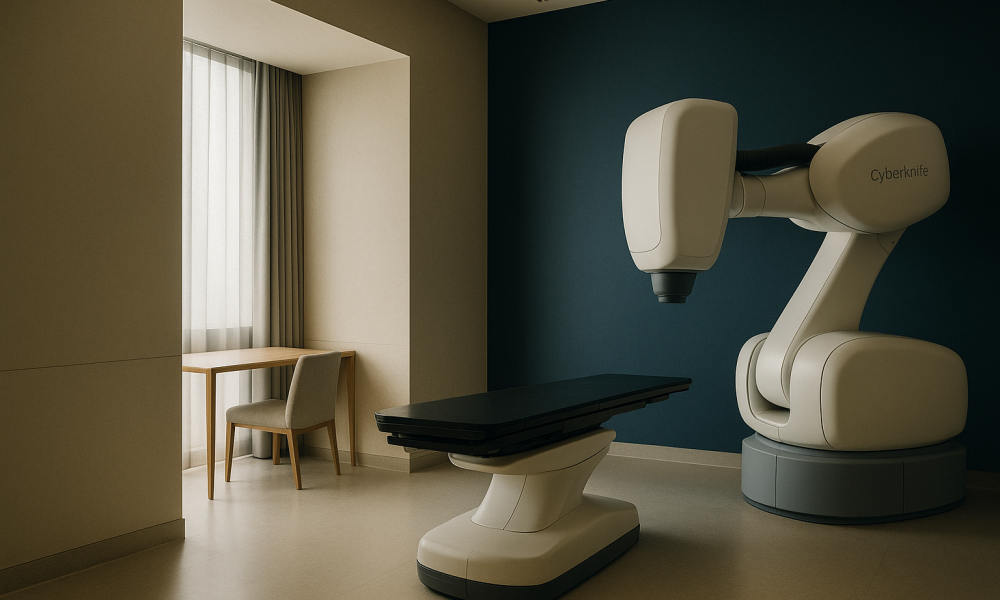
What CyberKnife Treatment is and who it is for
The CyberKnife System is an advanced, non-invasive treatment modality that utilises robotic technology and precise imaging to deliver high-dose radiation therapy to tumours with sub-millimetre accuracy. Unlike traditional radiation therapy, CyberKnife does not require incisions or anaesthesia, making it a compelling option for those looking to avoid the risks associated with surgical procedures. The system is particularly effective for treating small to medium-sized tumours in areas that are difficult to reach surgically, including the brain, spine, lung, prostate, liver, and pancreas.
CyberKnife treatment is designed for patients who require precision in targeting tumours while sparing surrounding healthy tissue. This is achieved through a combination of real-time imaging and a flexible robotic arm that adjusts to patient movements, such as breathing, during the procedure. This capability is crucial for treating tumours in regions of the body that are prone to movement, such as the lungs or liver.
The treatment is typically delivered over one to five sessions, with each session lasting between 30 and 90 minutes. This compares favourably to conventional radiotherapy, which may require multiple sessions over several weeks. The non-invasive nature of CyberKnife allows it to be performed on an outpatient basis, eliminating the need for hospital stays and reducing recovery time significantly.
CyberKnife is particularly beneficial for patients who have inoperable or surgically complex tumours, those who have previously undergone radiation therapy, or individuals seeking an alternative to traditional treatments. It is also a viable option for patients looking for a treatment with minimal side effects. Commonly reported side effects include fatigue and mild skin irritation, which tend to resolve quickly.
Are you a good candidate?
Determining whether you are a suitable candidate for CyberKnife treatment involves a comprehensive evaluation by a multidisciplinary medical team. This evaluation considers various factors such as the type, size, and location of the tumour, as well as the patient’s overall health and medical history. Here is a checklist of criteria that might indicate you are a good candidate for CyberKnife:
- Tumour Type: You have a solid tumour located in the brain, spine, lung, prostate, liver, or pancreas.
- Tumour Size: The tumour is small to medium in size, generally up to 5 cm in diameter.
- Previous Treatments: You have previously undergone radiation therapy and require a new treatment option.
- Surgical Risk: You are considered high-risk for surgery due to the tumour’s location or your overall health.
- Desire for Non-Invasive Treatment: You prefer a non-surgical approach to treatment that minimises recovery time and side effects.
- General Health: You are in relatively good health with no severe comorbid conditions that could complicate treatment.
- Movement Management: You have a tumour in a region of the body subject to movement, such as the lungs, where CyberKnife’s real-time tracking offers significant advantages.
It is crucial to consult with a qualified medical professional to discuss your specific case and to determine if CyberKnife is the most appropriate treatment option for you. The decision will be based on a detailed analysis of diagnostic imaging and other pertinent medical information.
The procedure, step by step
The CyberKnife treatment is a non-invasive procedure designed to deliver high-dose radiation to tumours with precision. Here is a step-by-step outline of what patients can expect during the procedure:
- Initial Consultation and Planning: Before the procedure, patients undergo a detailed consultation with a radiation oncologist to discuss their medical history and treatment goals. A CT or MRI scan is typically performed to map the tumour’s exact location. This imaging data is crucial for creating a customised treatment plan.
- Preparation and Positioning: On the day of the treatment, patients are positioned on the treatment couch. The CyberKnife system uses a comfortable, custom-fit mask or body mould to ensure the patient remains still. This step is essential for the precise targeting of radiation.
- Fiducial Placement (if needed): For certain tumours, especially those in the lungs or abdomen, small gold markers called fiducials may be implanted near the tumour site. This is done a few days before the treatment to aid in tracking the tumour’s movement.
- Treatment Delivery: The CyberKnife uses a robotic arm to deliver radiation beams from multiple angles. This process is guided by the real-time imaging system, which tracks any movement of the tumour or patient. The treatment session usually lasts between 30 to 90 minutes, depending on the complexity and size of the tumour.
- Monitoring and Adjustments: Throughout the treatment, the system continuously monitors the tumour’s position and adjusts the radiation beams accordingly. This ensures maximum dose delivery to the tumour while sparing surrounding healthy tissues.
- Post-Treatment Evaluation: After the session, patients are monitored briefly for any immediate side effects. They can typically return to normal activities shortly after, as the procedure is non-invasive and does not require hospitalisation.
This comprehensive and precise approach is what makes CyberKnife a preferred option for many patients seeking effective radiation therapy.
Recovery timeline
The recovery process following CyberKnife treatment is generally swift and involves minimal downtime. The following table outlines what patients can expect during their recovery period:
| Period | What to Expect | Care Notes |
|---|---|---|
| Day 1 | Most patients experience little to no discomfort immediately following the procedure. Some may feel slight fatigue. | Rest is advised. Patients are encouraged to resume light activities as tolerated. |
| Days 2-3 | Minor side effects such as mild headache or nausea may occur, but these are typically manageable. | Over-the-counter pain relief can be used if necessary. Stay hydrated and maintain a balanced diet. |
| Week 1 | Fatigue might persist, and some patients may notice slight swelling or redness in the treatment area. | Avoid strenuous activities. Follow up with the medical team for any persistent symptoms. |
| Weeks 2-4 | Most side effects should diminish significantly. Energy levels gradually improve. | Patients are encouraged to slowly return to normal routines. Regular check-ins with the healthcare provider are recommended. |
| Full Recovery (1-3 months) | Patients typically achieve full recovery, with most experiencing significant improvement in symptoms related to the tumour. | Long-term follow-up appointments are crucial to monitor the treatment’s effectiveness and manage any late-onset side effects. |
While the recovery process is generally smooth, individual experiences may vary based on the tumour location, size, and patient’s overall health. Continuous communication with healthcare providers ensures that any concerns are promptly addressed.
5. What it costs: Turkey vs the United States
When considering CyberKnife treatment, cost is a significant factor, especially when comparing prices internationally. Turkey has become a popular destination for this advanced form of radiosurgery due to its competitive pricing, which often includes comprehensive packages. It’s important to note that the figures provided here are indicative and can vary based on the specifics of each case and the institution chosen.
| Country | Indicative Price Range (USD) | Typical Package Inclusions |
|---|---|---|
| Turkey | $7,000 – $12,000 |
|
| United States | $30,000 – $50,000 |
|
The lower cost of treatment in Turkey is largely due to the lower cost of living and operational expenses, which can significantly reduce the financial burden on patients. Furthermore, Turkish healthcare facilities often offer all-inclusive packages that cover not just the medical procedures but also additional services such as accommodation and airport transfers. These packages can provide peace of mind and convenience, particularly for international patients who may not be familiar with the local area.
In contrast, the cost of treatment in the United States can be considerably higher. This is influenced by various factors, including higher operational costs, insurance structures, and the general cost of healthcare. Additionally, packages in the U.S. may not include non-medical elements such as accommodation or transfers, which can add to the overall expense.
Patients considering CyberKnife treatment in Turkey are encouraged to research and contact multiple providers to obtain detailed quotes and understand what is included in the price. It’s crucial to ensure that there are no hidden costs and to clarify what post-treatment care and support are available.
6. Risks and how accredited providers manage them
While CyberKnife treatment is generally considered safe and non-invasive, like any medical procedure, it carries certain risks. Accredited providers in Turkey are well-equipped to manage these risks, ensuring patient safety and optimising outcomes. Understanding these risks and the measures taken to mitigate them can provide reassurance to prospective patients.
One of the primary risks associated with CyberKnife treatment is the potential for radiation exposure to surrounding healthy tissues. Although the CyberKnife system is designed to deliver highly targeted radiation, there is still a small risk of damage to nearby organs and tissues. Accredited providers mitigate this risk by employing advanced imaging techniques and computerised planning systems to ensure precision.
Another risk is the possibility of side effects such as fatigue, nausea, or skin irritation. These side effects are typically mild and temporary, resolving shortly after treatment completion. Providers in Turkey manage these potential side effects through comprehensive pre-treatment assessments and personalised care plans. Patients are monitored closely during and after treatment to manage any adverse reactions promptly.
In terms of quality assurance, accredited clinics in Turkey adhere to international standards of care. Many of these facilities are certified by organisations such as the Joint Commission International (JCI), which ensures that they meet stringent safety and quality benchmarks. These accreditations involve regular audits and evaluations to maintain high standards of patient care.
Communication is another vital aspect of risk management. Providers ensure that patients are fully informed about the procedure, potential risks, and expected outcomes. This transparency helps to set realistic expectations and empowers patients to make informed decisions about their treatment.
Additionally, multidisciplinary teams, including oncologists, radiologists, and medical physicists, collaborate to deliver comprehensive care. This team-based approach ensures thorough planning and execution of the treatment process, reducing the likelihood of complications.
Lastly, Turkish providers often offer robust post-treatment follow-up care, which is crucial for monitoring the patient’s recovery and addressing any late-onset side effects. This continuous care is an integral part of managing risks effectively and ensuring a smooth recovery.
Overall, while there are risks associated with CyberKnife treatment, accredited providers in Turkey employ a range of strategies to manage these effectively, prioritising patient safety and well-being throughout the treatment journey.
How to choose the right provider
When considering CyberKnife treatment in Turkey, selecting the right provider is crucial for a successful experience. The first step is to verify the accreditation of the facility. Look for clinics that are accredited by international bodies such as the Joint Commission International (JCI) or the International Organization for Standardization (ISO). These accreditations ensure that the facility meets high standards of medical care and safety.
The experience and qualifications of the medical team, particularly the radiation oncologist and neurosurgeon, are equally important. Research the lead practitioner’s educational background, years of experience, and specific expertise in CyberKnife procedures. Ideally, the surgeon should have several years of experience and be involved in numerous successful treatments. You may also want to check if they are members of relevant professional organisations, such as the European Society for Radiotherapy and Oncology (ESTRO).
Aftercare is a critical component of the treatment process. A reputable provider should offer comprehensive aftercare services, including follow-up consultations, rehabilitation, and support services. Before committing to a provider, inquire about the aftercare plan and ensure it includes detailed instructions for managing recovery and potential complications.
Be vigilant for red flags that could indicate a less reputable provider. These include lack of accreditation, pressure to commit quickly, or vague answers to your questions. Always be wary of clinics that promise guaranteed outcomes or offer prices significantly lower than the typical range of USD 10,000 to USD 25,000 for CyberKnife treatment.
Ultimately, selecting the right provider involves a combination of verifying credentials, evaluating the experience and expertise of the medical team, ensuring comprehensive aftercare, and recognising red flags. By taking these steps, you can make an informed choice and increase the likelihood of a positive treatment outcome.
Planning your trip
Planning your trip for CyberKnife treatment in Turkey requires careful organisation to ensure a smooth experience. Begin by establishing a timeline before your travel. It is advisable to start planning at least two to three months in advance, giving you ample time to research providers, schedule consultations, and arrange logistics.
Gather necessary documents, including your medical records, imaging results, and any previous treatment history. These documents are essential for your initial consultation and treatment planning. Additionally, ensure your passport is valid for at least six months from your planned date of return, and check if you need a visa to enter Turkey.
The typical length of stay for CyberKnife treatment can range from one to two weeks. This duration includes pre-treatment consultations, the treatment itself, and initial recovery time. The actual CyberKnife procedure often lasts between 30 to 90 minutes, with most patients able to resume normal activities shortly after. However, it is prudent to allow extra days to account for any unforeseen delays or additional consultations.
Consider accommodation options near the treatment facility to minimise travel time and stress. Many clinics offer assistance with booking hotels or serviced apartments, and some may even have partnerships with local accommodations offering discounted rates for patients.
Follow-up care is a vital part of your treatment plan. Before returning home, ensure you have a clear understanding of the follow-up schedule, which may include remote consultations and local medical support in the United States. Many clinics provide digital follow-up services, allowing you to communicate with your medical team via email or video calls.
In summary, successful trip planning involves early preparation, gathering all necessary documents, understanding the expected length of stay, and arranging for comprehensive follow-up care. By organising these elements in advance, you can focus on your treatment and recovery with peace of mind.
Frequently Asked Questions
What is the typical cost of CyberKnife treatment in Turkey?
The cost of CyberKnife treatment in Turkey typically ranges from USD 10,000 to USD 25,000. This range can vary based on the complexity of the case, the location of the tumour, and the specific clinic you choose. It's important to consider that this indicative range often includes pre-treatment consultations, the procedure itself, and initial aftercare. However, always confirm the details of what is included in the quoted price with your chosen provider.
How does the cost in Turkey compare to the United States?
CyberKnife treatment in Turkey is generally more affordable compared to the United States. In the US, costs can range from USD 30,000 to USD 90,000, depending on the facility and location. The lower cost in Turkey does not necessarily mean a compromise in quality, as many Turkish facilities are internationally accredited and offer state-of-the-art technology and experienced medical teams. However, always ensure you evaluate the clinic's credentials and services thoroughly.
Is CyberKnife treatment safe?
CyberKnife treatment is a non-invasive and precise form of radiosurgery, considered safe for treating various types of tumours. It uses advanced robotics and imaging technology to deliver high doses of radiation with pinpoint accuracy, minimising damage to surrounding healthy tissue. As with any medical procedure, there are risks involved, but CyberKnife is generally associated with fewer side effects compared to traditional surgery. It's important to discuss all potential risks and benefits with your healthcare provider before proceeding.
What should I expect during the CyberKnife procedure?
During the CyberKnife procedure, you will lie comfortably on a treatment table while the robotic arm delivers radiation to the targeted area. The procedure is painless and typically lasts between 30 to 90 minutes, depending on the complexity of the treatment. Patients do not require anaesthesia and can usually return to normal activities shortly after. Your medical team will monitor you throughout the process to ensure your comfort and safety.
How soon can I travel back to the United States after treatment?
Most patients can travel back to the United States within a few days to a week after completing CyberKnife treatment. The exact timing depends on your individual recovery and any follow-up appointments that may be necessary. It's essential to follow your medical team's recommendations regarding travel and ensure you have a clear plan for follow-up care once you return home.
Will I need follow-up care after CyberKnife treatment?
Yes, follow-up care is an integral part of the CyberKnife treatment process. This typically includes remote consultations with your medical team to monitor your progress and address any concerns. Your provider will outline a follow-up schedule before you return home, and they may coordinate with local healthcare professionals in the United States to ensure comprehensive ongoing care.
Are there any side effects of CyberKnife treatment?
While CyberKnife treatment is generally well-tolerated, some patients may experience side effects such as fatigue, mild skin irritation, or swelling in the treated area. These effects are usually temporary and subside within a few days to weeks after treatment. Your medical team will provide guidance on managing any side effects and will be available to address any concerns you may have during your recovery.
What documents do I need to bring for my treatment?
You will need to bring your medical records, including any imaging results such as CT or MRI scans, previous treatment history, and a list of current medications. These documents are crucial for your initial consultation and treatment planning. Additionally, ensure your passport is valid for at least six months beyond your planned return date, and check if a visa is required for entry into Turkey.
How do I verify a clinic's accreditation?
To verify a clinic's accreditation, look for certifications from recognised international bodies such as the Joint Commission International (JCI) or the International Organization for Standardization (ISO). You can usually find this information on the clinic's website or by directly contacting the facility. Accreditation ensures that the clinic adheres to high standards of quality and safety in medical care.
What is the role of the medical team during treatment?
The medical team, typically consisting of a radiation oncologist, medical physicist, and radiology technician, plays a critical role in your CyberKnife treatment. They work together to develop a customised treatment plan, operate the CyberKnife system, and monitor your progress throughout the procedure. The team ensures that the treatment is delivered accurately and that you are comfortable and informed at every stage.
Can I choose my surgeon or medical team?
In many clinics, you can select your surgeon or medical team based on their expertise and experience. It's advisable to research the qualifications and track record of the medical professionals involved in your care. Some clinics may offer profiles or testimonials from previous patients to help you make an informed decision. Always feel free to ask questions and express any preferences you may have.
What should I do if I encounter a problem during my stay?
If you encounter a problem during your stay, contact your clinic's patient coordinator immediately. Most reputable clinics offer support services to assist international patients with any issues, whether medical or logistical. It's also wise to have the contact information of your embassy or consulate in Turkey in case of emergencies. Always ensure you have travel insurance that covers medical treatment abroad for additional protection.