
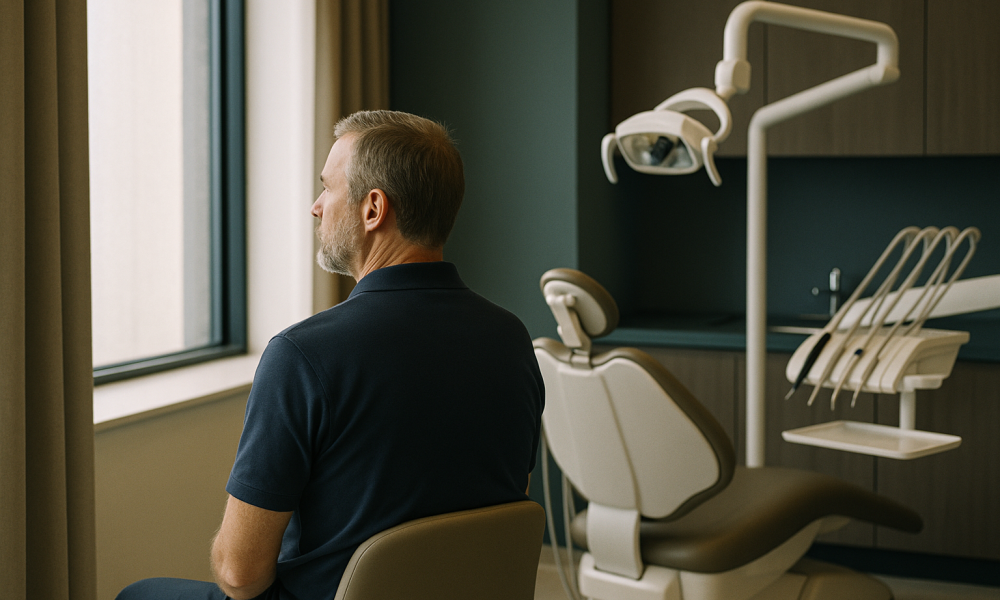
What Dental Bone Grafting is and who it is for
Dental bone grafting is a surgical procedure that aims to increase the amount of bone in a part of the jaw where bone has been lost or where additional support is needed. This is often a prerequisite for patients considering dental implants, as implants require sufficient bone to anchor securely. In Turkey, dental bone grafting has become a common and well-regarded procedure, attracting international patients due to the combination of advanced medical facilities and cost-effective treatment options.
The procedure involves the transplantation of bone tissue. The graft can be sourced from the patient’s own body, a donor, or it may be synthetic. The choice of graft material is determined by several factors, including the patient’s health, the location of the bone loss, and the amount of bone required. Autografts, which use bone from the patient’s own body, are often considered the gold standard as they integrate well with existing bone. However, allografts (from a donor) and xenografts (from an animal source) are also commonly used and have shown good success rates.
Bone grafting is particularly beneficial for individuals who have suffered from periodontal disease, trauma, or have congenital bone defects. These conditions can lead to bone resorption, where the jawbone diminishes over time. Without sufficient bone, dental implants cannot be placed, making bone grafting an essential preparatory step for those who desire permanent dental solutions. The procedure can also improve facial aesthetics by restoring bone to areas that have collapsed due to tooth loss.
In Turkey, the process is typically performed by experienced oral surgeons or periodontists in a clinical setting. The procedure may take anywhere from one to two hours, depending on the complexity of the case and the type of graft material used. Patients are usually given local anaesthesia, although general anaesthesia is an option for those who may require it due to anxiety or a more extensive procedure.
Are you a good candidate?
Determining whether you are a suitable candidate for dental bone grafting involves a comprehensive evaluation by a dental professional. Not everyone will require a bone graft, but for those who do, several criteria must be assessed to ensure the procedure’s potential success. Here is a checklist of considerations that may qualify you for dental bone grafting:
- Bone Loss: You have experienced significant bone loss in the jaw due to tooth extraction, periodontal disease, or injury, which compromises the stability of dental implants.
- Healthy Oral Environment: Your gums and surrounding tissues should be healthy and free from infection to support the healing process post-graft.
- General Health: You are in good overall health, with no medical conditions that could impair healing, such as uncontrolled diabetes or autoimmune disorders.
- Non-Smoker: Smoking can negatively affect the healing process and the integration of the graft, making non-smokers better candidates.
- Commitment to Oral Hygiene: A commitment to maintaining excellent oral hygiene before and after the procedure is crucial to prevent complications.
- Realistic Expectations: You understand the time frame for healing and are aware that full integration of the graft can take several months.
Before proceeding, a detailed consultation with your dentist or oral surgeon will typically include imaging studies such as X-rays or CT scans to assess the current state of your jawbone. This helps in planning the procedure and determining the most appropriate grafting technique. Each patient’s case is unique, and a tailored approach is essential for optimal results.
If you meet these criteria and are considering dental bone grafting in Turkey, it’s important to discuss all your options with your healthcare provider. They can offer insights into the procedure’s risks and benefits, ensuring that you make an informed decision. Remember, while bone grafting can significantly enhance the success of dental implants, careful planning and adherence to post-operative care are pivotal to achieving the desired outcome.
The procedure, step by step
Dental bone grafting is a surgical procedure aimed at augmenting or replacing bone in the jaw. This is often necessary when the bone has deteriorated due to tooth loss, gum disease, or trauma, and is insufficient to support dental implants. Understanding the process can help alleviate concerns and prepare patients for what to expect. Here is a step-by-step guide to the procedure:
- Initial Consultation: The process begins with a comprehensive consultation. The dentist or oral surgeon will conduct a thorough examination, including X-rays or CT scans, to assess the current state of the jawbone and determine the appropriate type of graft. The options typically include autografts (bone from the patient’s own body), allografts (donor bone), or synthetic materials.
- Preparation: Once the treatment plan is agreed upon, pre-operative instructions are provided. These may include guidelines on eating, drinking, and medication use prior to surgery. Patients are often advised to cease smoking, as it can impede healing.
- Anaesthesia Administration: On the day of the procedure, local anaesthesia is administered to numb the surgical site. Sedation may also be offered, depending on patient preference and the complexity of the procedure.
- Incision and Site Preparation: The surgeon makes a small incision in the gum to expose the jawbone. The area is then cleaned and prepared for the graft material.
- Graft Placement: The selected bone graft material is carefully placed into the prepared site. It is often secured with special membranes or screws to ensure stability.
- Closure: The gum tissue is sutured back into place over the graft material. The stitches used are usually dissolvable, reducing the need for a follow-up appointment to remove them.
- Post-Operative Care: After the procedure, patients receive instructions for managing discomfort and promoting healing. These may include prescriptions for pain relief, antibiotics to prevent infection, and guidelines on oral hygiene practices.
The entire procedure typically takes between 45 minutes to a few hours, depending on the complexity of the case and the amount of bone augmentation required. Patients are usually able to return home the same day, but it is advisable to arrange for someone to drive them, especially if sedation was used.
Recovery timeline
The recovery process following a dental bone graft varies depending on the individual and the complexity of the procedure. However, a general timeline can provide a useful framework for what patients might expect. Adhering to the care notes during each phase is crucial for a successful recovery.
| Period | What to expect | Care notes |
|---|---|---|
| Day 1 | Swelling and discomfort at the surgical site. | Apply ice packs intermittently to reduce swelling. Take prescribed pain medication as directed. |
| Days 2-3 | Continued swelling, possible bruising, and mild bleeding. | Rinse mouth gently with salt water to promote healing. Avoid strenuous activities. |
| Week 1 | Reduction in swelling and discomfort. Stitches may begin to dissolve. | Maintain oral hygiene with gentle brushing. Avoid chewing on the graft site. |
| Weeks 2-4 | Gradual improvement with minimal discomfort. Tissue healing progresses. | Resume normal activities gradually. Continue to avoid smoking as it can delay healing. |
| Months 1-3 | Bone integration begins. Follow-up appointment to assess progress. | Attend all scheduled dental visits to monitor healing. Report any unusual symptoms to your dentist. |
| Full Recovery (3-6 months) | Complete integration of the graft with the natural bone. | Consult with the dentist about the readiness for dental implants or further treatment. |
It is important to follow all post-operative instructions provided by your dental team. This includes dietary recommendations, such as consuming soft foods and avoiding hot or spicy dishes that might irritate the surgical site. Regular follow-up appointments are essential to ensure the graft is integrating correctly and to address any concerns promptly.
What it costs: Turkey vs the UK, Europe and North America
One of the key considerations for patients seeking dental bone grafting is the cost, which can vary significantly depending on the location. Turkey has emerged as a popular destination due to its competitive pricing, high-quality care, and comprehensive packages that often include additional services such as accommodation and airport transfers. Below, we provide a comparative overview of indicative price ranges for dental bone grafting across Turkey, the UK, Europe, and North America, along with typical inclusions in treatment packages.
| Region | Indicative Price Range (GBP) | Typical Package Inclusions |
|---|---|---|
| Turkey | £500 – £1,200 | Consultation, procedure, post-operative care, accommodation, airport transfers |
| UK | £1,500 – £3,000 | Consultation, procedure, post-operative care |
| Europe | £1,200 – £2,500 | Consultation, procedure, post-operative care |
| North America | £2,000 – £4,000 | Consultation, procedure, post-operative care |
These figures are indicative and can vary based on the complexity of the procedure, the materials used, and the specific clinic’s pricing policies. In Turkey, the lower cost is attributed to favourable exchange rates and lower operational costs, without compromising on the quality of care. Many clinics in Turkey offer all-inclusive packages that are particularly appealing to international patients, as they provide a seamless experience from arrival to departure.
When considering treatment abroad, it is crucial to factor in travel and accommodation costs, as well as the potential need for follow-up visits. However, even with these additional expenses, patients often find that the total cost of treatment in Turkey remains significantly lower compared to their home countries. It is advisable to request a detailed quotation from clinics, which should include a breakdown of all costs involved, allowing for a clear comparison.
Risks and how accredited providers manage them
Dental bone grafting, like any surgical procedure, carries certain risks. These may include infection, nerve damage, graft rejection, or complications related to anaesthesia. However, when performed by qualified professionals, the procedure is generally safe and successful. Accredited providers in Turkey adhere to international standards to minimise these risks and ensure patient safety.
Accredited clinics in Turkey often follow stringent protocols to manage risks effectively. These include:
- Pre-operative Assessment: A thorough evaluation of the patient’s medical history and oral health is conducted to assess suitability for the procedure. This helps in identifying any underlying conditions that may increase risks.
- Use of High-Quality Materials: Clinics typically use biocompatible graft materials that are sourced from reputable suppliers, reducing the likelihood of rejection or infection.
- Sterile Environment: Surgical areas are maintained under strict sterile conditions to prevent infections. Clinics are equipped with modern sterilisation equipment and follow rigorous cleaning protocols.
- Experienced Surgeons: Procedures are carried out by highly trained and experienced oral surgeons who are well-versed in advanced techniques, further mitigating potential complications.
- Post-operative Care: Comprehensive aftercare is provided, including routine follow-ups to monitor healing and address any concerns promptly.
Patient education is also a critical component of risk management. Clinics provide detailed instructions on post-operative care, including guidelines on oral hygiene, diet, and activity restrictions to promote optimal healing. Patients are encouraged to maintain open communication with their healthcare providers, reporting any unusual symptoms immediately.
Furthermore, many clinics in Turkey are accredited by international healthcare bodies, such as the Joint Commission International (JCI). This accreditation ensures that clinics meet high standards of patient care and safety. Patients are advised to verify the accreditation status of their chosen provider as an additional assurance of quality.
While risks are inherent in any medical procedure, choosing an accredited provider with a strong track record in dental bone grafting can significantly reduce these risks and contribute to a successful outcome. Patients should conduct thorough research and consult with multiple providers to make informed decisions about their care.
How to choose the right provider
When considering dental bone grafting in Turkey, selecting a reputable provider is crucial for a successful outcome. Several factors should guide your decision-making process.
Accreditation: Look for clinics accredited by international organisations such as the Joint Commission International (JCI) or the International Organization for Standardization (ISO). These accreditations indicate adherence to high standards of quality and safety.
Surgeon Experience: Investigate the credentials and experience of the dental surgeons. Ideally, they should have specialised training in oral surgery and significant experience in performing bone grafting procedures. Ask about the number of procedures they have performed and their success rates.
Aftercare: Comprehensive aftercare is essential for recovery. Ensure the clinic offers detailed post-operative care plans, including follow-up visits and emergency contact availability. Some clinics provide virtual follow-up appointments, which can be convenient for international patients.
Red Flags: Be wary of clinics that make unrealistic promises or offer substantially lower prices than typical ranges, as these can indicate compromises in quality. A typical cost range for dental bone grafting in Turkey is £300 to £800 per graft area, but prices can vary based on complexity and materials used.
Additionally, read reviews from previous patients and consider reaching out to them for firsthand accounts. Personal recommendations and testimonials can provide valuable insights into the patient experience.
Planning your trip
Proper planning is essential to ensure a smooth and stress-free medical trip for dental bone grafting in Turkey.
Timeline Before Travel: Begin consultations with your chosen provider at least three months before the intended procedure date. This allows ample time for initial assessments, virtual consultations, and any necessary pre-treatment preparations.
Documents: Ensure you have all the necessary documentation, including your passport, visa (if required), and medical records. It’s advisable to carry copies of any previous dental X-rays or treatment plans to aid the Turkish dental team in understanding your case.
Length of Stay: Plan for a stay of approximately 7 to 10 days. This duration covers the procedure day, initial recovery, and follow-up appointments. Your surgeon will advise you on the exact length of stay based on the complexity of your treatment.
Follow-up at Home: Arrange for follow-up care with your local dentist before travelling. This ensures continuity of care and allows for any adjustments or further recommendations once you return home. Discuss with your Turkish provider about sharing post-operative information with your local dentist.
Travel Logistics: Book accommodations near the clinic to minimise travel stress. Consider transportation options, such as airport transfers offered by the clinic or reliable local taxi services. Familiarise yourself with local emergency contacts and healthcare facilities as an added precaution.
By carefully planning these aspects, you can focus more on your recovery and less on logistical challenges, ensuring a positive experience during your medical journey.
Frequently Asked Questions
What is the typical cost of dental bone grafting in Turkey?
The cost of dental bone grafting in Turkey varies depending on several factors, including the complexity of the procedure and the materials used. Generally, you can expect to pay between £300 and £800 per graft area. It's important to consult with multiple providers to understand what is included in the pricing, such as pre-operative assessments, graft materials, and post-operative care.
Is dental bone grafting in Turkey safe?
Dental bone grafting in Turkey is generally safe, especially when performed by qualified and experienced surgeons in accredited clinics. It is crucial to choose a provider with international accreditations like JCI or ISO, which ensure high standards of care. Patients should also adhere to post-operative care instructions to minimise risk and enhance recovery.
How long will I need to stay in Turkey for the procedure?
For dental bone grafting, you should plan to stay in Turkey for approximately 7 to 10 days. This duration includes the day of the procedure, initial recovery, and any necessary follow-up appointments. Your surgeon will provide specific recommendations based on your individual treatment plan and recovery needs.
What should I bring with me for the procedure?
Bring your passport, visa (if required), and any relevant medical records, including dental X-rays or treatment plans. Having these documents on hand will assist your Turkish dental team in understanding your medical history and tailoring your treatment accordingly. It's also wise to bring a list of any medications you are currently taking.
Will I need follow-up care when I return home?
Yes, follow-up care is essential after dental bone grafting. Before travelling, arrange for follow-up appointments with your local dentist to ensure continuity of care. Your Turkish provider can share post-operative information with your local dentist to facilitate this process. Regular monitoring will help detect any issues early and ensure a successful recovery.
How do I verify the accreditation of a Turkish dental clinic?
You can verify a clinic's accreditation by checking its certifications with international organisations such as the Joint Commission International (JCI) or the International Organization for Standardization (ISO). These accreditations are usually displayed on the clinic's website. You can also contact the accrediting body directly for confirmation.
Can I travel alone for the procedure?
While it is possible to travel alone, having a companion can be beneficial, especially during the initial recovery period. A travel companion can assist with logistics, such as transportation and communication, and offer emotional support. If you choose to travel alone, ensure that you have a clear understanding of the post-procedure care requirements and have access to local support if needed.
What if I experience complications after returning home?
In case of complications after returning home, contact your local dentist immediately for an evaluation. Additionally, reach out to your Turkish provider, as they may offer virtual consultations to address any concerns. Having a follow-up care plan with your local dentist before travelling can help manage any issues that may arise.
Are there language barriers in Turkish dental clinics?
Most reputable dental clinics in Turkey cater to international patients and employ staff who speak English fluently. However, it's a good idea to confirm language support during your initial consultations. Some clinics also offer translation services to ensure clear communication throughout your treatment.
What payment methods are accepted by Turkish clinics?
Turkish dental clinics typically accept a variety of payment methods, including major credit cards, bank transfers, and cash. It's important to verify accepted payment methods with your chosen clinic in advance. Some clinics may offer financing options, so inquire about these if needed.
How soon can I return to normal activities after the procedure?
Recovery time varies depending on the individual and the complexity of the procedure. Generally, patients can resume most normal activities within a few days, but it's advisable to avoid strenuous activities for at least two weeks. Your surgeon will provide specific post-operative instructions tailored to your recovery needs.
How do I find reviews from previous patients?
Look for reviews on the clinic's website and independent review platforms like Google Reviews or Trustpilot. Social media platforms and medical tourism forums can also be valuable sources of patient testimonials. Consider reaching out to previous patients directly if contact information is available, as firsthand accounts can provide deeper insights into the patient experience.