
What Dental Bridges is and who it is for
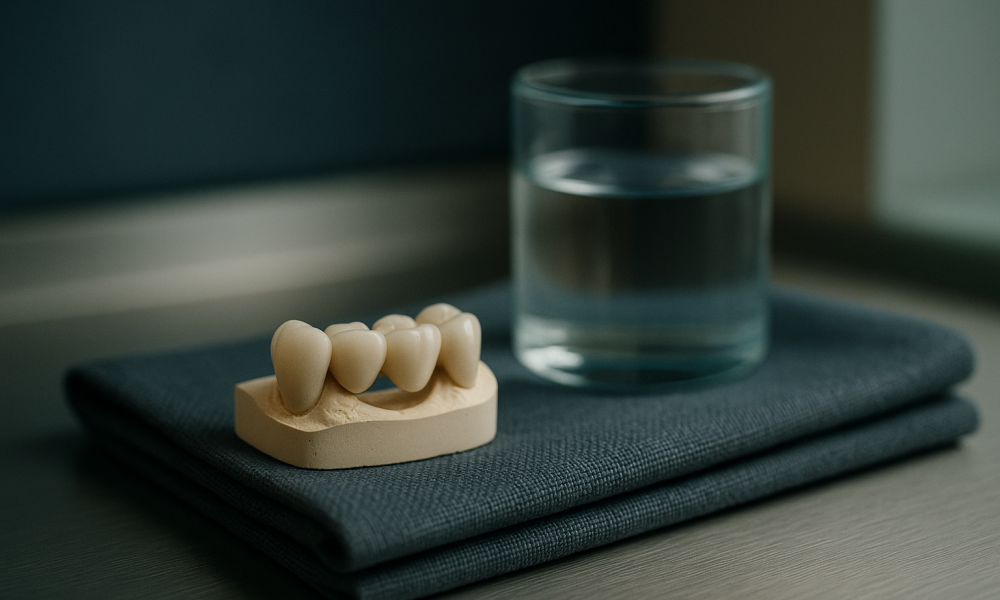
Dental bridges are a popular restorative treatment designed to replace one or more missing teeth by anchoring an artificial tooth, known as a pontic, to the adjacent natural teeth or dental implants. This procedure is particularly beneficial for individuals who have lost teeth due to decay, injury, or periodontal disease. By filling the gap, dental bridges not only improve the appearance of your smile but also restore your ability to chew and speak properly. Furthermore, they help maintain the shape of your face and prevent remaining teeth from drifting out of position, which can lead to further dental complications.
In Turkey, dental bridges are performed by highly trained dental professionals using state-of-the-art technology. Patients from the United States often choose Turkey for dental treatments due to the combination of quality care and cost-effectiveness. The typical cost for a dental bridge in Turkey ranges from £300 to £800 per tooth, making it a more affordable option compared to the United States, where prices can be significantly higher. It is important to note that the exact cost can vary based on the complexity of the case, the materials used, and the specific dental clinic’s pricing structure.
There are several types of dental bridges available, including traditional bridges, cantilever bridges, Maryland bonded bridges, and implant-supported bridges. The choice of which type to use depends on the location of the missing tooth, the health of the adjacent teeth, and the patient’s individual needs. Traditional bridges are the most common and involve creating a crown for the teeth on either side of the gap, with a pontic in between. Cantilever bridges are used when there is an adjacent tooth on only one side of the missing tooth. Maryland bonded bridges use a metal or porcelain framework to bond the pontic to the adjacent teeth. Implant-supported bridges are ideal when multiple teeth are missing, as they use dental implants as anchors.
Are you a good candidate?
Determining whether you are a suitable candidate for a dental bridge involves several considerations. The ideal candidates are those who have one or more missing teeth but maintain good oral hygiene and have healthy adjacent teeth or implants to support the bridge. Dental bridges are not suitable for everyone, and a thorough evaluation by a dental professional is essential to ensure the best outcomes.
- Good Oral Hygiene: Candidates must demonstrate a commitment to maintaining oral health, as this is crucial for the longevity of the bridge.
- Healthy Adjacent Teeth: The teeth that will support the bridge need to be strong and healthy. If they are decayed or weak, they may not be able to support the bridge effectively.
- Gum Health: Healthy gums are essential, as gum disease can undermine the stability of the bridge. Candidates should have no active periodontal disease.
- Comprehensive Dental Assessment: A detailed examination by a dental professional, including X-rays and possibly 3D imaging, is necessary to assess the suitability for a bridge.
- Non-Smokers Preferred: Smoking can affect healing and the longevity of the dental bridge, so non-smokers or those willing to quit are better candidates.
- Commitment to Follow-Up Care: Regular dental check-ups and cleanings are crucial to monitor the condition of the bridge and surrounding teeth.
If you tick most of these boxes, you are likely a good candidate for a dental bridge. However, it is important to have a consultation with a dental specialist who can provide personalised advice based on your specific dental health needs.
The procedure, step by step
Undergoing a dental bridge procedure in Turkey involves several carefully coordinated steps, each designed to ensure the best possible outcome while maintaining patient comfort. Here is a detailed step-by-step overview of what you can expect:
- Initial Consultation: The process begins with a comprehensive consultation with a dental specialist. During this appointment, the dentist will evaluate your oral health, take X-rays, and discuss your expectations and medical history. This step is crucial for determining the most appropriate type of dental bridge and planning the treatment.
- Preparation of Abutment Teeth: Once the treatment plan is confirmed, the next step involves preparing the abutment teeth, which will support the bridge. This involves reshaping these teeth by removing a portion of enamel to allow room for a crown to be placed over them. This part of the procedure is typically done under local anaesthesia to ensure comfort.
- Impression Taking: After the abutment teeth are prepared, the dentist will take an impression of your teeth. This impression serves as a model for creating the dental bridge, ensuring a precise fit. In some cases, digital scanning may be used instead of traditional impressions.
- Temporary Bridge Placement: While your permanent bridge is being fabricated in a dental laboratory, a temporary bridge is placed to protect the exposed teeth and gums. This temporary bridge is typically worn for about two weeks.
- Fabrication of the Bridge: The dental lab will use the impressions to craft your permanent bridge. This process usually takes one to two weeks, during which the bridge is constructed from materials like porcelain, ceramic, or metal, depending on your choice and dentist’s recommendation.
- Fitting and Adjustment: Once your permanent bridge is ready, you will return to the dentist’s office for fitting. The dentist will remove the temporary bridge and place the new bridge, checking the fit and making necessary adjustments to ensure comfort and proper bite alignment. This step is crucial for the long-term success of the bridge.
- Cementing the Bridge: After ensuring the bridge fits correctly, it is permanently cemented into place. The dentist will provide instructions on how to care for your new bridge and may schedule a follow-up appointment to check how your mouth is adjusting.
This detailed procedure highlights the precision and care involved in installing dental bridges, ensuring both functionality and aesthetics.
Recovery timeline
Understanding the recovery timeline following a dental bridge procedure is essential for effective planning and care. Here’s a detailed breakdown of what you can expect during the recovery period:
| Period | What to Expect | Care Notes |
|---|---|---|
| Day 1 | Post-procedure discomfort is common, including mild swelling and sensitivity in the treated area. | Use prescribed pain relief and avoid hot or cold foods. Follow any specific dietary recommendations from your dentist. |
| Days 2-3 | Swelling and discomfort should begin to subside. You may still experience some sensitivity. | Continue with pain management as needed, and maintain a soft diet. Avoid chewing directly on the bridge during this period. |
| Week 1 | Most swelling should be reduced, and the bridge should start to feel more comfortable in your mouth. | Begin introducing more solid foods slowly. Ensure you continue with good oral hygiene practices, including gentle brushing and flossing. |
| Weeks 2-3 | The bridge should be functioning well, with minimal discomfort. Any initial sensitivity should decrease. | Attend any scheduled follow-up appointments to ensure the bridge is properly fitted. Discuss any ongoing concerns with your dentist. |
| Full Recovery (4-6 weeks) | The bridge should feel completely natural, with no pain or sensitivity. Normal eating and oral hygiene routines should resume. | Continue regular dental check-ups and maintain excellent oral hygiene. Consider using a bridge cleaner or special floss to maintain the area under the bridge. |
By following these guidelines, patients can ensure a smooth recovery and long-term success for their dental bridge.
What it costs: Turkey vs the United States
When considering dental bridge procedures, cost is often a significant factor for patients. In Turkey, dental care, including dental bridges, is generally more affordable than in the United States. This cost difference can be attributed to various factors, such as lower living and operational costs in Turkey, as well as a favourable exchange rate for many international visitors.
Below is a comparison table outlining the indicative price ranges for dental bridges in Turkey versus the United States. These figures are only indicative and can vary based on the complexity of the case, the materials used, and the specific location of the dental clinic.
| Procedure | Turkey (USD) | United States (USD) |
|---|---|---|
| Traditional Dental Bridge (per unit) | $300 – $700 | $1,500 – $3,500 |
| Cantilever Bridge (per unit) | $300 – $700 | $1,500 – $3,500 |
| Maryland Bridge (per unit) | $200 – $600 | $1,000 – $2,500 |
| Implant-Supported Bridge (per unit) | $800 – $2,000 | $4,000 – $15,000 |
In Turkey, dental bridge packages typically include several components that contribute to the overall value. These packages often comprise the initial consultation, the dental bridge procedure itself, necessary follow-up appointments, and sometimes even accommodation and transportation services. In contrast, in the United States, these components are usually billed separately, potentially increasing the overall cost.
It’s important to highlight that while the cost of dental bridges in Turkey is considerably lower, patients should also consider other factors such as the experience and qualifications of the dental professionals, the quality of materials used, and the level of care provided. Many clinics in Turkey offer high standards of service, with dentists who have received training and credentials from internationally recognised institutions.
Ultimately, when weighing the cost of dental bridges between Turkey and the United States, prospective patients should take a holistic view that considers both financial and non-financial aspects. By doing so, they can make an informed decision that aligns with their budget, expectations, and desired outcomes.
Risks and how accredited providers manage them
Like any medical procedure, dental bridges come with potential risks and complications. These can include issues such as tooth decay under the bridge, gum disease, damage to the abutment teeth, and in some cases, the bridge becoming loose or falling out. However, it’s important to understand that these risks are generally manageable and can be minimised with proper care and professional oversight.
In Turkey, accredited dental providers follow stringent protocols to mitigate these risks and ensure patient safety. The first step in managing potential risks begins with a comprehensive consultation and assessment. During this initial phase, dentists perform a thorough examination of the patient’s oral health, which often includes X-rays and other diagnostic tools to evaluate the condition of the teeth and gums.
Accredited dental clinics in Turkey often adhere to international standards of dental practice. They utilise high-quality materials and advanced technology, which contribute to the longevity and success of dental bridges. For instance, many clinics use materials such as zirconia or porcelain fused to metal, known for their durability and aesthetic appeal.
Post-procedure care is another critical aspect in managing risks associated with dental bridges. Accredited providers in Turkey typically offer detailed aftercare instructions and regular follow-up appointments to monitor the bridge’s condition and address any emerging issues promptly. This proactive approach helps in preventing complications such as gum disease or decay, which can compromise the integrity of the bridge.
Moreover, many clinics in Turkey have multilingual staff and patient coordinators who assist international patients in understanding their treatment plans, potential risks, and aftercare requirements. This level of communication is crucial in ensuring patients are fully informed and comfortable throughout their treatment journey.
While no medical procedure is without risk, choosing an accredited and reputable provider in Turkey can significantly reduce the likelihood of complications. Patients are encouraged to research and select clinics that have robust accreditation, positive patient reviews, and a track record of successful outcomes. By doing so, they can enhance their confidence in the treatment process and achieve the desired results with minimal risk.
How to choose the right provider
When considering dental bridges in Turkey, selecting the right provider is crucial to ensure a successful and safe experience. Here are several key factors to consider:
- Accreditation: Look for clinics that are accredited by international healthcare organisations such as the Joint Commission International (JCI) or the International Organization for Standardization (ISO). These accreditations ensure that the clinic meets high standards of quality and safety.
- Surgeon Experience: Research the dentist’s qualifications and experience. A dentist with extensive experience in restorative dentistry and dental bridge procedures will be more likely to deliver satisfactory results. Ask for their portfolio or before-and-after photos of previous patients.
- Aftercare: A reputable clinic will provide comprehensive aftercare instructions and support. Ensure that the clinic offers follow-up consultations and has a clear plan for managing any potential complications after the procedure.
- Red Flags: Be cautious of clinics that do not provide clear information about their services or those that make unrealistic promises. Avoid providers that pressure you into making quick decisions or offer prices that seem too good to be true without explaining the cost breakdown.
Choosing the right provider involves thorough research and attention to detail. It’s important to feel comfortable and confident in your choice, knowing that the clinic prioritises patient safety and quality care.
Planning your trip
Planning your trip for dental bridge treatment in Turkey involves careful consideration of several logistical and health-related factors. Here is a detailed guide to help you prepare:
- Timeline Before Travel: Begin planning at least three months in advance. This timeframe allows for thorough research, consultations, and securing necessary documents. Early planning also provides flexibility in booking flights and accommodation.
- Documents Required: Ensure that your passport is valid for at least six months beyond your planned return date. Obtain any necessary visas for Turkey, and carry copies of your medical records, including dental history and any previous treatments.
- Length of Stay: Typically, patients can expect to stay in Turkey for around 7 to 10 days for the dental bridge procedure and initial recovery. This duration allows for pre-operative assessments, the procedure itself, and any immediate post-operative care.
- Follow-up at Home: Arrange for follow-up care with a local dentist before you travel. This ensures continuity of care and allows for any necessary adjustments to your dental bridge once you return home. Discuss with your Turkish provider about the type of dental bridge materials used, as this information will be important for your local dentist.
By planning carefully, you can ensure a smooth and stress-free experience, allowing you to focus on your recovery and enjoy your time in Turkey.
Frequently Asked Questions
What is the typical cost range for dental bridges in Turkey?
The cost for dental bridges in Turkey typically ranges from £300 to £750 per unit, depending on factors such as the material used and the complexity of the case. This is generally more affordable compared to prices in the United States, where similar procedures can cost significantly more. It's important to confirm what is included in the quoted price, such as consultation fees, materials, and aftercare services.
Are dental bridges in Turkey of good quality?
Yes, many clinics in Turkey offer high-quality dental bridges, often using the same materials and technologies as those found in the United States. It's crucial to choose a reputable clinic with experienced dentists and proper accreditation to ensure the quality of care. Reviewing patient testimonials and checking for international accreditations can provide additional assurance of quality.
How long do dental bridges last?
Dental bridges typically last between 5 to 15 years, depending on the type of bridge, the materials used, and how well you maintain your oral hygiene. Regular dental check-ups and good oral hygiene practices, such as brushing twice a day and flossing, can help extend the lifespan of your dental bridge.
What are the risks associated with dental bridges?
While dental bridges are generally safe, there are some risks involved, including tooth decay under the bridge, gum disease, and damage to the supporting teeth. Choosing an experienced dentist and maintaining good oral hygiene can minimise these risks. Discuss potential complications with your dentist before the procedure to ensure you understand all aspects of the treatment.
What is the recovery time for a dental bridge procedure?
The recovery time for a dental bridge procedure is generally short. Most patients can return to normal activities within a few days. However, it may take a few weeks for your mouth to completely adjust to the new bridge. During this time, follow your dentist's advice on diet and oral care to ensure a smooth recovery.
How do I maintain my dental bridge?
Maintaining a dental bridge involves regular brushing and flossing to prevent plaque buildup. Use a special floss threader to clean under the bridge. Regular dental check-ups are also essential to monitor the condition of the bridge and the health of the surrounding teeth and gums.
Is it safe to travel to Turkey for dental treatment?
Yes, travelling to Turkey for dental treatment is generally safe. Turkey is a popular destination for medical tourism, offering modern facilities and experienced healthcare professionals. Ensure you choose a reputable clinic with international accreditation and check travel advisories for any specific health or safety updates before your trip.
Will my dental insurance cover treatment in Turkey?
Coverage for dental treatment abroad varies by insurance provider. Some insurers may offer partial reimbursement for treatments conducted overseas, while others may not cover such expenses. Check with your insurance provider before making any arrangements to understand your coverage options.
What should I do if I experience complications after returning home?
If you experience complications after returning home, contact your local dentist immediately for an evaluation. It's also wise to inform the clinic in Turkey about any issues, as they may provide guidance or assistance. Having arranged follow-up care with a local dentist before your trip can ensure quick access to necessary treatment.
How can I verify the credentials of a Turkish dentist?
To verify the credentials of a Turkish dentist, check for certifications from recognised international accreditation bodies such as JCI or ISO. You can also look for memberships in professional dental associations and read patient reviews. Reputable clinics will be transparent about their dentists' qualifications and experience.
Can I combine my dental treatment with a holiday in Turkey?
Yes, many patients choose to combine dental treatment with a holiday in Turkey. However, it's important to plan your itinerary carefully, considering the recovery time needed after the procedure. Enjoying local sights and culture is possible, but ensure you follow your dentist's advice on activities post-treatment to avoid any complications.
What types of dental bridges are available in Turkey?
In Turkey, various types of dental bridges are available, including traditional bridges, cantilever bridges, Maryland bonded bridges, and implant-supported bridges. The choice depends on your specific dental needs, the condition of your teeth, and your budget. Consult with your dentist to find the most suitable option for you.