
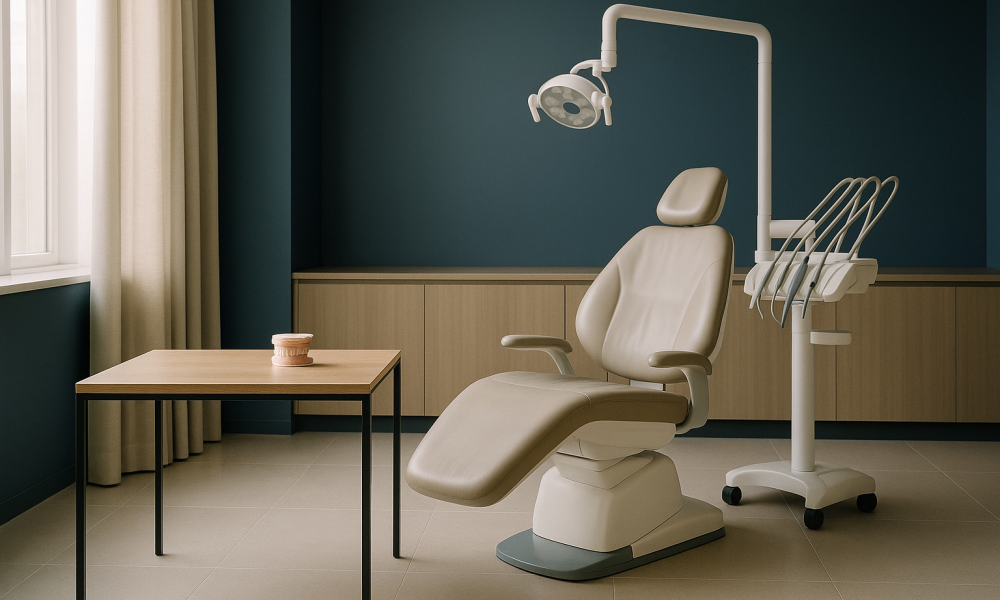
What Dental Implants is and who it is for
Dental implants are a popular and effective solution for replacing missing teeth. They are designed to function, feel, and look like natural teeth, offering a permanent solution that can enhance both oral health and personal confidence. The process involves inserting a titanium post into the jawbone, which acts as a root for a prosthetic tooth. Over time, the jawbone fuses with the implant, providing a stable foundation for the artificial tooth. This integration process, known as osseointegration, is crucial for the long-term success of dental implants.
Dental implants are suitable for individuals who have lost teeth due to various reasons, such as decay, gum disease, or injury. They are also an option for those who have congenitally missing teeth. Unlike dentures or bridges, implants do not rely on adjacent teeth for support, thus preserving the natural tooth structure. This makes them an excellent choice for individuals looking for a durable and low-maintenance alternative to traditional dentures.
In Turkey, dental implants are widely available at competitive prices, making the country a popular destination for dental tourism. Clinics in Turkey offer high-quality care using advanced technology and materials, often at a fraction of the cost compared to Western Europe. Typically, the cost of a single implant in Turkey ranges from £450 to £850, depending on the complexity of the case and the materials used. This cost advantage, combined with the opportunity to enjoy Turkey’s rich culture and hospitality, makes it an attractive option for those considering dental treatment abroad.
However, potential patients should be aware that the success of dental implants depends on various factors, including the patient’s oral health, bone density, and commitment to post-operative care. It is crucial to conduct thorough research and consult with qualified dental professionals to determine the best treatment options tailored to individual needs. Patients should also consider the time commitment, as the entire process from consultation to final restoration can take several months.
Are you a good candidate?
Determining if you are a good candidate for dental implants involves assessing several key factors. Not everyone is suitable for this procedure, and certain criteria must be met to ensure successful outcomes. Below is a checklist to help you evaluate your candidacy for dental implants:
- General Health: You should be in good overall health. Chronic conditions like diabetes or heart disease need to be well-managed, as they can affect healing and implant success.
- Oral Health: Healthy gums and adequate bone density are essential for supporting the implant. If you have gum disease or significant bone loss, additional treatments like bone grafting may be necessary.
- Non-Smoker: Smoking can impede healing and increase the risk of implant failure. Patients are generally advised to quit smoking before undergoing the procedure.
- Commitment to Oral Hygiene: Maintaining excellent oral hygiene is crucial for the longevity of dental implants. Regular dental check-ups and professional cleanings are also part of post-operative care.
- Adequate Bone Structure: Sufficient jawbone density is required to support the implant. If you lack bone structure, procedures such as bone grafting or sinus lifts might be recommended.
- Realistic Expectations: Understanding the process and having realistic expectations about the outcomes is important. Dental implants require time and commitment for successful integration and restoration.
- Age Considerations: While there is no upper age limit, candidates should have fully developed jawbones, typically post-adolescence.
If you meet most of these criteria, you are likely a good candidate for dental implants. However, a thorough evaluation by a qualified dental professional is essential to confirm your suitability. This assessment will include a comprehensive dental examination, imaging studies such as X-rays or CT scans, and a detailed discussion of your medical history and dental needs.
The procedure, step by step
Undergoing a dental implant procedure in Turkey involves a series of carefully coordinated steps to ensure optimal outcomes. Here is a step-by-step breakdown of what patients can typically expect:
- Initial Consultation and Assessment: The journey begins with a comprehensive consultation where a dental specialist evaluates your oral health. This involves a detailed examination, often supported by dental X-rays or 3D scans, to assess bone density and structure. The dentist discusses your medical history and expectations to determine your suitability for implants.
- Treatment Planning: Following the assessment, a customised treatment plan is developed. This plan outlines the number of implants needed, the type of implant system to be used, and the timeline for the procedure. Patients are provided with an indicative cost range at this stage, typically between €1,500 and €3,000 per implant.
- Preparation: Before the implant surgery, patients might require preparatory treatments such as tooth extractions or bone grafting. Bone grafting is considered if there is insufficient bone mass to support the implant, with healing taking several weeks to months.
- Surgical Procedure: The surgical phase involves the placement of the implant into the jawbone. This is usually performed under local anaesthesia, though sedation options are available. The gum is incised to expose the bone, and a hole is drilled where the implant is placed. The implant, typically made of titanium, is then inserted and the gum is stitched back.
- Osseointegration: A crucial phase where the jawbone naturally integrates with the implant, providing a stable foundation. This process can take between three to six months, during which the patient may be fitted with a temporary crown.
- Abutment Placement: Once osseointegration is confirmed, a minor surgery is performed to attach an abutment to the implant. This involves reopening the gum to expose the implant and securing the abutment, which acts as a connector between the implant and the crown.
- Final Crown Placement: The final step involves placing a custom-made crown onto the abutment. This crown is designed to match the colour and shape of your natural teeth, completing the restoration process.
Throughout these steps, patients receive guidance and support from their dental care team to ensure comfort and understanding at each stage.
Recovery timeline
Recovering from a dental implant procedure involves several stages, each requiring specific care and expectations. Here is a detailed recovery timeline:
| Period | What to expect | Care notes |
|---|---|---|
| Day 1 | Swelling and discomfort are common. Bleeding may occur at the implant site. | Apply ice packs to reduce swelling. Use prescribed pain relief as needed. Avoid disturbing the surgical site. |
| Days 2-3 | Swelling may increase before starting to subside. Bruising might appear. | Continue with soft foods and maintain oral hygiene with gentle rinses. Avoid smoking and strenuous activities. |
| Week 1 | Swelling and discomfort should start to diminish. Stitches may begin to dissolve if not removed. | Attend follow-up appointment to monitor healing. Maintain a soft diet and continue prescribed oral care regimen. |
| Weeks 2-4 | The implant site should feel more comfortable. Minor tenderness may persist. | Gradually reintroduce normal foods as comfort allows. Follow dentist’s specific care instructions. |
| Months 1-3 | Osseointegration is occurring. The implant feels stable with no discomfort. | Regular dental check-ups to monitor progress. Maintain excellent oral hygiene. |
| Months 3-6 | Final abutment and crown placement. Full recovery is usually achieved. | Continue routine dental visits and adhere to oral care recommendations to ensure implant longevity. |
Throughout the recovery process, maintaining communication with your dental care provider is crucial to address any concerns promptly and to ensure successful integration and healing of the implant.
What it costs: Turkey vs Europe
When considering dental implants, one of the most pivotal aspects for many patients is the cost. Turkey has emerged as a popular destination for dental tourism primarily due to its cost-effectiveness compared to many European countries. However, it’s essential to understand that prices can vary significantly based on the complexity of the case, the materials used, and the specific clinic or dentist chosen.
Below is a comparative table illustrating indicative price ranges for dental implants in Turkey versus several European countries. These figures are approximate and intended to provide a general sense of cost differences.
| Country | Indicative Price Range (Single Implant) | Typical Package Inclusions |
|---|---|---|
| Turkey | £600 – £1,200 | Consultation, X-rays, Implant Surgery, Crown Fitting, Follow-up Visits |
| United Kingdom | £2,000 – £3,500 | Consultation, X-rays, Implant Surgery |
| Germany | £1,800 – £3,000 | Consultation, X-rays, Implant Surgery |
| France | £1,500 – £2,800 | Consultation, X-rays, Implant Surgery |
| Spain | £1,200 – £2,500 | Consultation, X-rays, Implant Surgery |
It’s important to note that the lower costs in Turkey do not necessarily imply a compromise in quality. Many Turkish dental clinics are equipped with state-of-the-art technology and employ dentists who have trained internationally. Additionally, the typical packages offered in Turkey often include more comprehensive services, such as follow-up visits, which may not be standard in other countries.
When evaluating costs, patients should consider not only the initial price of the implant but also the potential need for additional procedures, such as bone grafting or sinus lifts, which can incur extra charges. Moreover, while travel and accommodation expenses should be factored into the total cost, many clinics in Turkey offer packages that include these elements, further enhancing the overall value.
Prospective patients are advised to obtain detailed quotes from multiple clinics and to clarify what each quoted price includes to make an informed decision.
Risks and how accredited providers manage them
As with any medical procedure, dental implants come with potential risks and complications. These can range from minor issues such as discomfort and swelling to more serious concerns like infection, nerve damage, or implant failure. Understanding these risks is crucial for anyone considering dental implants in Turkey or elsewhere.
Accredited dental providers in Turkey are well-versed in managing these risks effectively. They adhere to international standards of hygiene and patient care, ensuring that all procedures are conducted in sterile environments to minimise the risk of infection. Moreover, many clinics are certified by international bodies, which require them to maintain high standards of practice.
One of the primary risks associated with dental implants is the possibility of infection at the implant site. Accredited clinics mitigate this by using sterilised instruments and ensuring that both the surgical environment and post-operative care are meticulously managed. Patients are often prescribed antibiotics as a preventive measure against infection.
Nerve damage is another potential risk, particularly in the lower jaw where the nerve is closer to the surface. Accredited providers manage this risk by employing advanced imaging techniques, such as 3D CT scans, to plan the surgery with precision. This technology allows dentists to visualise the jaw’s anatomy in detail, reducing the likelihood of nerve injury.
Implant failure, though rare, can occur due to several factors, including insufficient bone density or inadequate post-operative care. Accredited clinics address these issues through comprehensive pre-surgical assessments that evaluate bone quality and quantity. If necessary, procedures such as bone grafting are recommended to ensure a stable foundation for the implant.
Post-operative care is another critical component of risk management. Accredited providers offer detailed aftercare instructions and schedule follow-up appointments to monitor the healing process. Patients are advised on maintaining oral hygiene and recognising early signs of complications, ensuring prompt intervention if needed.
Ultimately, while the risks associated with dental implants can’t be entirely eliminated, choosing an accredited provider in Turkey significantly reduces these risks. Prospective patients should inquire about a clinic’s accreditation status, the experience of its dental practitioners, and the protocols in place for managing complications. This due diligence helps ensure a safe and successful implant procedure.
How to choose the right provider
Choosing the right provider for dental implants in Turkey is crucial to achieving a successful outcome. Accreditation is a key factor to consider. Ensure the clinic is accredited by international organisations such as the Joint Commission International (JCI) or the International Organization for Standardization (ISO). These accreditations indicate that the clinic adheres to stringent international healthcare standards.
The experience and qualifications of the surgeon are equally important. Look for a dentist who is a member of recognised professional bodies, such as the Turkish Dental Association or the European Association for Osseointegration. A reputable surgeon should have extensive experience, with a minimum of 5-10 years in implant dentistry, and should be able to provide evidence of successful past procedures, including before-and-after photographs and patient testimonials.
Aftercare is another critical component of your treatment journey. A good provider will offer a comprehensive aftercare package, which may include follow-up appointments, emergency contact numbers, and detailed instructions for home care. It is also beneficial if the clinic provides a warranty or guarantee on the implants, which typically ranges from 5 to 10 years.
Be vigilant about red flags when selecting a provider. Avoid clinics that offer prices significantly lower than the average range, as this may indicate a compromise in quality. Additionally, be wary of providers who do not offer detailed treatment plans or are reluctant to discuss potential risks and complications. Transparency is vital; a reputable clinic will provide a clear breakdown of all costs involved and be upfront about the potential need for additional procedures.
Finally, consider the clinic’s location and facilities. Modern, well-equipped facilities with the latest technology can significantly enhance the quality of care. A clinic situated in a convenient location, perhaps near accommodation options, can also ease the logistical aspects of your trip. By carefully evaluating these factors, you can choose a provider that meets your needs and ensures a safe and successful dental implant procedure.
Planning your trip
Planning your trip for dental implants in Turkey requires careful consideration of several factors to ensure a smooth experience. Begin by creating a timeline for your travel. Ideally, you should start planning at least 3 to 6 months in advance to allow ample time for research, consultations, and securing travel arrangements.
Gathering necessary documents is an essential step. Ensure your passport is valid for at least six months beyond your planned return date. You may also need to apply for a visa, depending on your country of residence. It is advisable to carry a copy of your medical records, including dental X-rays and any relevant health history, to assist your Turkish dentist in devising a tailored treatment plan.
Consider the length of stay required for your treatment. Typically, dental implant procedures involve multiple visits over a period of time. The initial visit may last about 5 to 7 days, allowing for consultations, the surgical procedure, and initial recovery. A follow-up visit, often 3 to 6 months later, may be necessary for the placement of the permanent crown. Plan your accommodation accordingly, ensuring it is comfortable and conveniently located near the clinic.
Budgeting for your trip is crucial. While the cost of dental implants in Turkey can be significantly lower than in many European countries, typically ranging from £1,200 to £2,500 per implant, additional expenses such as travel, accommodation, and meals should be factored into your budget. Consider travel insurance that covers medical tourism to protect against unforeseen circumstances.
Finally, plan for follow-up care upon your return home. Discuss with your Turkish provider about the availability of remote consultations and ensure you have a local dentist who can assist with any post-treatment needs. Having a clear plan for follow-up care will help maintain the longevity and success of your dental implants. By addressing these logistical considerations, you can ensure a well-organised and stress-free dental tourism experience in Turkey.
Frequently Asked Questions
What is the typical cost of dental implants in Turkey?
The cost of dental implants in Turkey varies depending on several factors, including the complexity of the procedure and the materials used. Generally, the cost ranges from £1,200 to £2,500 per implant. This is significantly more affordable compared to prices in many European countries. However, it is important to consider additional expenses such as travel, accommodation, and post-operative care when planning your budget.
How safe is it to get dental implants in Turkey?
Dental implants in Turkey are generally safe, provided you choose a reputable and accredited clinic. Many Turkish clinics are internationally accredited and adhere to strict healthcare standards. It is crucial to research the clinic's credentials, the dentist's experience, and patient reviews. Ensuring the clinic uses high-quality materials and follows proper sterilisation protocols can further enhance safety.
Will I need to make multiple trips to Turkey for dental implants?
Yes, obtaining dental implants typically requires multiple trips to Turkey. The initial visit involves consultations and the surgical procedure, which usually requires a stay of 5 to 7 days. A follow-up visit, generally 3 to 6 months later, is necessary for the placement of the permanent crown. This phased approach allows for proper healing and ensures the success of the implant.
How long should I plan to stay in Turkey for my first dental implant visit?
For the initial dental implant visit, you should plan to stay in Turkey for approximately 5 to 7 days. This duration allows time for consultations, the surgical procedure, and the initial recovery period. It is advisable to confirm the exact timeline with your provider, as individual treatment plans may vary based on the complexity of the procedure and your personal health needs.
What should I bring with me for my dental treatment in Turkey?
When travelling to Turkey for dental treatment, ensure you bring a valid passport, any necessary visa documentation, and a copy of your medical records related to dental health. This may include dental X-rays and a summary of your dental history. Additionally, bring comfortable clothing, personal care items, and any medications you regularly take. Having a travel insurance policy that covers medical tourism is also recommended.
Are there payment options or financing available for dental implants in Turkey?
Many clinics in Turkey offer flexible payment options and financing plans to make dental implants more accessible. It is advisable to discuss payment terms directly with the clinic before your treatment. Some clinics may accept international credit cards or offer instalment plans, while others might provide discounts for upfront payments. Ensuring you understand the payment options available can help you manage your budget effectively.
What type of aftercare is provided after receiving implants in Turkey?
Aftercare is a crucial aspect of dental implant treatment. Reputable clinics in Turkey offer comprehensive aftercare packages, which may include follow-up appointments, emergency contact numbers, and detailed instructions for post-operative care. Some clinics also provide a warranty on the implants, typically ranging from 5 to 10 years. It is important to follow the aftercare instructions closely to ensure the longevity and success of your implants.
Can I eat normally after getting dental implants?
Immediately after the dental implant procedure, you will need to follow a soft food diet to allow the implants to heal properly. This period typically lasts several days to a few weeks, depending on your individual healing process. Gradually, you can reintroduce harder foods into your diet as advised by your dentist. It is important to follow your provider's dietary recommendations to ensure optimal healing and implant success.
Will language be a barrier when receiving dental treatment in Turkey?
Language is generally not a significant barrier when receiving dental treatment in Turkey, especially in clinics that cater to international patients. Many dentists and clinic staff speak English fluently. However, it's always a good idea to confirm language proficiency during your initial consultations. Some clinics may also offer translation services to facilitate communication, ensuring you fully understand your treatment plan and post-operative care instructions.
How far in advance should I book my dental treatment in Turkey?
It is advisable to start planning your dental treatment in Turkey at least 3 to 6 months in advance. This timeframe allows you to thoroughly research potential clinics, consult with multiple providers, and arrange travel logistics. Early planning also provides more flexibility in scheduling your treatment dates and securing accommodation, ensuring a smooth and well-organised experience.
What happens if there are complications after I return home?
In the event of complications after returning home, it is important to contact your Turkish provider immediately. Many clinics offer remote consultations to address post-treatment concerns. Additionally, having a local dentist familiar with your treatment can provide immediate assistance if needed. Ensure you understand the clinic's policy on handling complications and any warranties offered on the implants before proceeding with treatment.
Is it cheaper to get dental implants in Turkey than in my home country?
Yes, dental implants in Turkey are generally more affordable than in many European countries. The cost typically ranges from £1,200 to £2,500 per implant, which is significantly lower than prices in the UK or other Western European nations. This cost advantage, combined with the high-quality care available in Turkey, makes it an attractive option for many international patients seeking dental treatment abroad.