
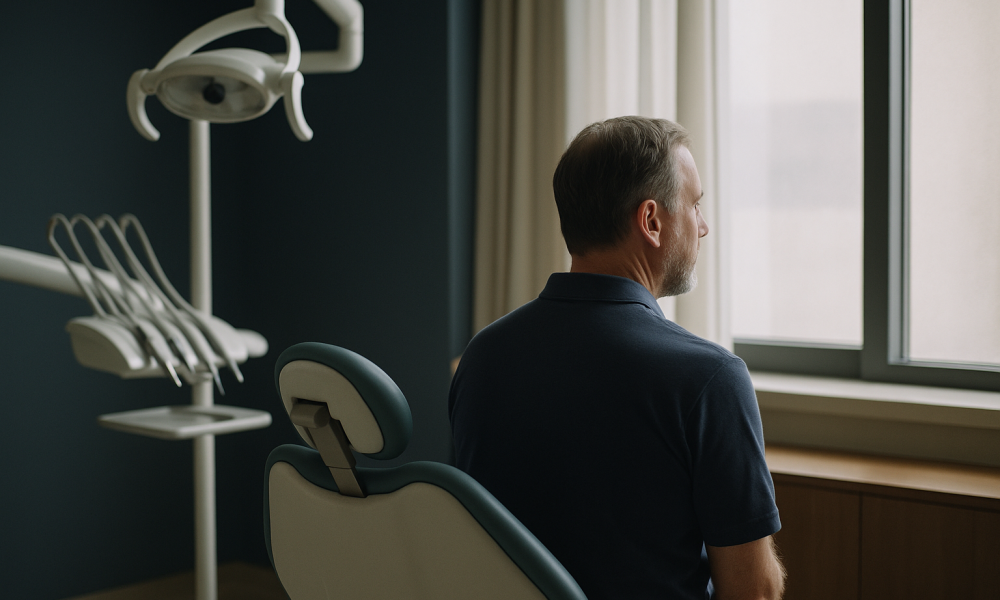
What Dental Implants is and who it is for
Dental implants are a sophisticated solution for replacing missing teeth, offering a durable and natural-looking alternative to dentures or bridges. The procedure involves the surgical insertion of a titanium post into the jawbone, which acts as a replacement root for a dental crown. Over time, the implant integrates with the bone through a process called osseointegration, providing a stable foundation for the artificial tooth.
Typically, the procedure is completed in stages. Initially, the implant is placed into the jaw, followed by a healing period of several weeks to months, during which the implant integrates with the bone. Once this integration is confirmed, a custom-made crown is attached to the implant, completing the restoration.
Dental implants are suitable for individuals who have lost teeth due to injury, decay, or disease and are looking for a long-term solution. They are particularly beneficial for those who find traditional dentures uncomfortable or impractical. In Turkey, dental clinics offer advanced techniques and materials, often at more affordable prices than in the UK, making it an attractive destination for dental tourism.
Patients considering dental implants should be aware that the procedure requires a certain level of bone density and volume in the jaw. In cases where bone loss has occurred, additional procedures such as bone grafts may be necessary to provide adequate support for the implant. Furthermore, maintaining good oral hygiene and regular dental check-ups are crucial for the long-term success of implants.
Are you a good candidate?
Determining if you are a suitable candidate for dental implants involves several considerations. Firstly, the health of your jawbone is paramount. Adequate bone density is required to support the implant, and a thorough evaluation by a dental professional will assess this. If there is insufficient bone, procedures like bone grafting might be recommended to prepare the site for implantation.
- General Health: Candidates should be in good overall health. Conditions such as uncontrolled diabetes or heart disease can complicate healing and integration.
- Oral Health: Good oral hygiene is essential. Gum disease or untreated cavities need to be addressed before implant placement.
- Non-smokers: Smoking can impede healing and increase the risk of implant failure. Non-smokers or those willing to quit during the healing process are preferred candidates.
- Realistic Expectations: Understanding the process, including the time required for healing and the possibility of additional procedures, is crucial.
- Commitment to Aftercare: Regular dental visits and proper oral care are necessary to ensure the longevity of the implant.
In addition, age is not a significant barrier as long as the candidate has completed facial growth, typically around 18 years for males and 16 for females. Older adults can also be suitable candidates, provided their overall health allows for surgery.
Consultation with a qualified dental professional is essential to evaluate all these factors. They will conduct a comprehensive assessment, including X-rays or 3D imaging, to plan the procedure accurately. This ensures that the treatment is tailored to the individual’s specific needs, maximising the chances of success.
The procedure, step by step
The dental implant procedure in Turkey is a meticulously planned and executed process, typically carried out over multiple visits. Here is a detailed step-by-step overview of what you can expect:
- Initial Consultation and Assessment:
- This involves a comprehensive evaluation of your oral health, including X-rays and 3D imaging to assess bone quality and structure.
- Your dentist will discuss your medical history, expectations, and any potential risks or concerns.
- Treatment Planning:
- A customised treatment plan is developed based on the initial assessment. This includes the type of implants, the number of implants required, and the timeline for the procedure.
- Cost estimates are provided, typically ranging from £1,500 to £3,000 per implant, depending on complexity and materials.
- Surgical Phase:
- Day of Surgery: The procedure is usually performed under local anaesthesia, though sedation options are available if you experience anxiety.
- The dentist will make an incision in the gum to expose the bone where the implant will be placed.
- The implant, usually a titanium post, is then inserted into the jawbone.
- This phase may last between 1 to 2 hours per implant.
- Osseointegration Period:
- This crucial phase involves the implant fusing with the jawbone, a process known as osseointegration, which can take between 3 to 6 months.
- During this time, you may be given a temporary crown to maintain aesthetics and function.
- Abutment Placement:
- Once osseointegration is confirmed, a minor surgery is required to attach an abutment, which connects the implant to the crown.
- This is a relatively quick procedure, often completed in about an hour under local anaesthesia.
- Final Crown Placement:
- After the gums have healed, impressions are taken to create a custom crown.
- The final crown, made from materials such as porcelain or zirconia, is then attached to the abutment.
- This final step ensures the implant looks and functions like a natural tooth.
- Post-Procedure Care and Follow-Up:
- Regular follow-up appointments are necessary to monitor healing and ensure the success of the implant.
- Proper oral hygiene and routine dental check-ups are essential to maintain the longevity of the implant.
Recovery timeline
Recovery from dental implant surgery is a gradual process, with each stage requiring specific care to ensure optimal results. Here is a detailed recovery timeline:
| Period | What to expect | Care notes |
|---|---|---|
| Day 1 | Some bleeding and swelling are normal immediately after the procedure. Pain and discomfort can be managed with prescribed painkillers. | Rest and avoid strenuous activity. Apply ice packs to reduce swelling and follow any prescribed medication regimens. |
| Days 2-3 | Swelling and bruising may peak during this period. Mild discomfort should subside gradually. | Continue with soft foods and avoid hot drinks. Maintain oral hygiene with gentle rinsing, avoiding the surgical site. |
| Week 1 | Swelling should begin to decrease, and discomfort should be minimal. Sutures, if non-dissolvable, may be removed by your dentist. | Resume normal oral hygiene practices, but be cautious around the implant area. Attend your follow-up appointment. |
| Weeks 2-4 | Most patients experience significant healing, with reduced swelling and improved comfort. | Gradually reintroduce more solid foods. Continue to follow up with your dentist as scheduled. |
| Months 1-3 | The bone is continuing to fuse with the implant in a process called osseointegration. | Maintain good oral hygiene and attend regular check-ups. Report any unusual discomfort to your dentist. |
| Months 3-6 | Osseointegration should be complete, allowing for the placement of the abutment and crown. | Follow your dentist’s instructions for the final stages of treatment. Continue routine dental care. |
| Full Recovery | By six months, most patients have fully adapted to their implants with normal function restored. | Regular dental visits and proper oral care are essential to maintain the health of your implants. |
What it costs: Turkey vs the United Kingdom
When considering dental implants, cost is a significant factor for many patients. Turkey has become a popular destination for dental tourism largely due to its competitive pricing compared to the United Kingdom. However, it is essential to understand that prices can vary based on a range of factors, including the complexity of the procedure, the materials used, and the specific clinic chosen. Below, we provide a comparison of indicative price ranges for dental implants in Turkey and the United Kingdom, as well as what these prices typically include.
| Procedure | Turkey (Indicative Range) | United Kingdom (Indicative Range) |
|---|---|---|
| Single Tooth Implant | £400 – £700 | £2,000 – £2,500 |
| Full Arch Implant (All-on-4) | £3,000 – £5,000 | £12,000 – £16,000 |
| Implant-Supported Dentures | £2,500 – £4,000 | £8,000 – £10,000 |
These figures are indicative and can vary based on the specific circumstances and requirements of each patient. Most Turkish clinics offer comprehensive packages that typically include the cost of the implant, abutment, and crown, as well as consultation fees, X-rays, and sometimes even accommodation and transportation. In contrast, UK prices may not cover all these elements, leading to additional costs for consultations, X-rays, and follow-up care.
It is crucial for patients to confirm what is included in the quoted prices to avoid unexpected expenses. Prospective patients should also consider the potential costs of travel and accommodation when planning their budget for treatment in Turkey. Despite these additional costs, many patients still find the overall expense significantly lower than treatment in the UK.
Ultimately, the decision to seek dental implants in Turkey should be based on a careful consideration of all costs involved, alongside the quality of care and the expertise of the dental professionals. It is advisable to request detailed quotes and treatment plans from multiple clinics to make an informed decision.
Risks and how accredited providers manage them
Like any medical procedure, dental implants come with certain risks. These can include infection, nerve damage, sinus problems, and implant failure. However, with proper care and professional expertise, the likelihood of these complications can be minimised. Accredited providers in Turkey typically adhere to strict protocols to manage and mitigate these risks effectively.
Firstly, infection control is paramount. Accredited clinics maintain high standards of hygiene and sterilisation, using state-of-the-art equipment and following international guidelines to ensure a sterile environment. This significantly reduces the risk of infection during and after the procedure.
Nerve damage is another potential risk, particularly in procedures involving the lower jaw. To mitigate this, experienced practitioners use advanced imaging technologies, such as 3D CT scans, to carefully plan the implant placement. This allows for precise positioning, reducing the risk of nerve interference. Clinics often employ highly skilled oral surgeons with extensive experience in implantology to further minimise this risk.
Sinus problems can occur when implants placed in the upper jaw protrude into one of the sinus cavities. Accredited Turkish clinics address this risk by conducting thorough pre-operative assessments. This may include sinus lifting procedures if necessary, ensuring ample bone structure for secure implant placement.
Implant failure, although rare, can occur due to improper integration into the jawbone. Accredited providers often use high-quality materials, such as titanium implants, known for their excellent biocompatibility and success rates. Post-operative care is equally crucial; clinics provide detailed aftercare instructions and schedule follow-up appointments to monitor the healing process and address any issues promptly.
Accredited clinics in Turkey are committed to continuous professional development and often participate in international dental associations. This ensures they remain updated with the latest advancements in dental implant technology and techniques, further enhancing patient safety and outcomes.
While risks exist, the comprehensive measures taken by accredited providers in Turkey help manage these effectively. Patients are encouraged to discuss potential risks and management strategies with their chosen clinic to ensure they are fully informed and comfortable with the treatment plan. By choosing accredited and experienced providers, patients can significantly enhance their chances of a successful and complication-free dental implant procedure.
How to choose the right provider
Choosing the right provider for dental implants in Turkey is crucial to ensure a safe and successful treatment outcome. Begin by researching clinics accredited by recognised international bodies. Accreditation by organisations such as the Joint Commission International (JCI) or ISO certification indicates adherence to global healthcare standards.
Another critical factor is the experience of the dental surgeon who will perform your procedure. Look for professionals with extensive training in implant dentistry, ideally with a specialisation or additional certifications in oral surgery or prosthodontics. A surgeon who has performed numerous successful implant procedures is likely to have the expertise necessary to handle complex cases and unforeseen complications.
Aftercare is an essential aspect of dental implant treatment. Ensure the clinic provides a comprehensive aftercare plan, including follow-up visits and emergency contact options. This plan should cover potential post-operative complications, such as infection or implant failure, and outline the steps for addressing them.
Be vigilant about red flags when selecting a provider. Avoid clinics that make unrealistic promises, such as guaranteed success or exceptionally low prices that seem too good to be true. Additionally, a lack of transparency regarding the qualifications of the medical team or the types of materials used should raise concern. Reputable clinics should be willing to provide detailed information about the implant systems they use, the expected outcomes, and any potential risks involved.
Patient testimonials and reviews can offer insights into the experiences of previous patients, but they should be considered alongside other factors. Look for feedback on the clinic’s professionalism, cleanliness, and the quality of care received. Engaging with online forums or patient groups can also provide valuable perspectives.
Ultimately, the right provider will offer a blend of accreditation, experienced surgeons, comprehensive aftercare, and transparent communication, ensuring you feel confident and supported throughout your treatment journey.
Planning your trip
Proper planning is essential when travelling to Turkey for dental implants. Begin by establishing a timeline that allows for adequate preparation and recovery. Typically, it is recommended to schedule your initial consultation with the clinic at least 6-8 weeks before your intended travel date. This timeframe allows for necessary assessments, including dental imaging and health checks, which can often be done locally in the UK.
Ensure all required documents are in order before your trip. A valid passport is essential, and you may need to apply for a visa depending on the length and purpose of your stay. Check with the Turkish consulate or use an online visa service to confirm your specific requirements.
Plan for a stay of approximately 5-10 days for the initial stage of your treatment, as this allows time for the surgery and immediate recovery. The exact duration will depend on your specific treatment plan and the complexity of your case. Discuss this with your provider to ensure your itinerary accommodates all necessary appointments.
Post-procedure, you will need to factor in follow-up appointments. Many patients require a second visit to Turkey for the final prosthetic placement, typically 3-6 months after the initial surgery, once the implant has integrated with the jawbone. Ensure your schedule allows for this return trip.
Consider arranging for transportation and accommodation in advance. Many clinics offer packages that include airport transfers and hotel stays, which can simplify logistics and provide peace of mind. However, if you prefer to make your own arrangements, look for accommodations near the clinic to minimise travel time.
Upon returning home, coordinate with a local dentist for follow-up care. This can include routine checks and addressing any minor issues that may arise. Discuss with your Turkish provider about the information and documentation your local dentist will need to effectively support your ongoing care.
Careful planning and preparation will help ensure a smooth and stress-free experience as you pursue dental implants in Turkey.
Frequently Asked Questions
What is the typical cost of dental implants in Turkey?
The cost of dental implants in Turkey can vary significantly depending on factors such as the complexity of the case, the materials used, and the clinic's location. However, patients can generally expect to pay between £400 and £800 per implant. This price typically includes the implant itself, the abutment, and the crown, although additional procedures like bone grafting may incur extra costs.
Are dental implants in Turkey safe?
Dental implants in Turkey are generally safe when performed by qualified and experienced professionals. Many clinics adhere to international standards and employ state-of-the-art technology. However, it is crucial to choose a reputable provider with proper accreditation and a transparent track record. Researching the clinic's credentials and previous patient reviews can help ensure a safe and successful treatment experience.
How long does the dental implant process take?
The dental implant process typically involves multiple stages and can take anywhere from 3 to 9 months to complete. Initially, the implant is placed into the jawbone, and then a healing period of 3-6 months is required for osseointegration. After this, the abutment and crown are fitted, which may require an additional visit to Turkey.
What should I look for in a dental clinic in Turkey?
When selecting a dental clinic in Turkey, consider factors such as accreditation, the experience and qualifications of the dental surgeons, and the quality of aftercare provided. Transparency in communication, realistic treatment outcome expectations, and patient reviews are also important. Avoid clinics that offer unusually low prices or guarantee specific outcomes.
Do I need a visa to travel to Turkey for dental treatment?
UK citizens travelling to Turkey for dental treatment typically require a visa if their stay exceeds 90 days. For shorter visits, a visa may not be necessary, but it is advisable to check the latest entry requirements with the Turkish consulate or an online visa service before booking your trip.
Will my dental insurance cover treatment in Turkey?
Coverage for dental treatment abroad depends on your specific insurance policy. While some international insurance plans may provide partial reimbursement for procedures like dental implants, it is important to verify the details with your insurer beforehand. Keep all treatment documentation and receipts for any claims you may wish to file.
How do I manage aftercare once I return to the UK?
After returning to the UK, coordinate with a local dentist for follow-up care, which may include routine check-ups and addressing any minor issues. Ensure your Turkish provider supplies comprehensive documentation of your treatment to assist your local dentist in delivering appropriate ongoing care.
What are the potential complications of dental implants?
Potential complications of dental implants include infection, implant failure, nerve damage, and sinus issues. However, these are relatively rare when the procedure is performed by a skilled and experienced professional. Proper aftercare and adherence to post-operative instructions can further minimise risks.
How soon after the procedure can I travel back home?
Most patients can travel back home a few days after the initial implant procedure, typically within 5-10 days. This allows for an adequate initial recovery period and ensures any immediate post-operative issues are addressed by the clinic. Discuss your travel plans with your provider to receive tailored advice.
What should I pack for my dental trip to Turkey?
When packing for your dental trip to Turkey, include essential documents such as passports, visa (if required), and any medical records pertinent to your treatment. Comfortable clothing, personal hygiene items, and any prescribed medications are also important. It’s wise to prepare a small first aid kit for minor discomforts.
How can I communicate with the clinic staff if I don't speak Turkish?
Most reputable dental clinics in Turkey, particularly those catering to international patients, employ staff who speak English fluently. Additionally, many clinics offer translation services to ensure clear communication. Confirm language support options with your clinic before your trip to avoid any communication barriers.
What payment methods are accepted for dental treatment in Turkey?
Dental clinics in Turkey typically accept a variety of payment methods, including credit and debit cards, bank transfers, and cash. It's advisable to check with your specific clinic regarding their preferred payment options and any potential foreign transaction fees that may apply.