
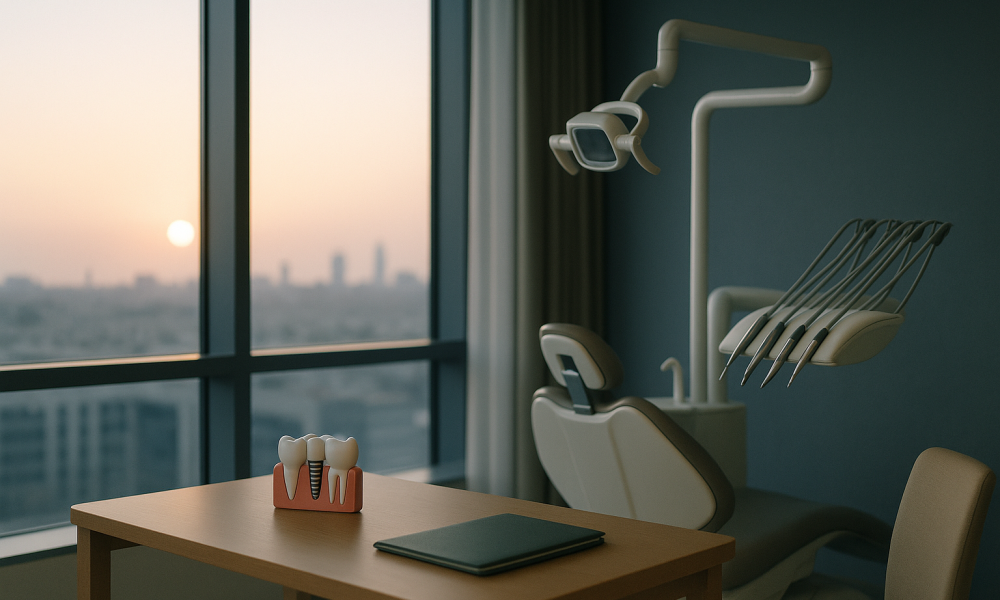
What Dental Implants is and who it is for
Dental implants are a popular and effective solution for replacing missing teeth, offering a long-term option that mimics the look and function of natural teeth. This procedure involves placing a small titanium post into the jawbone to serve as a replacement root, onto which a dental crown is attached. The titanium post is biocompatible, meaning it is designed to integrate with the bone, providing a stable foundation for the artificial tooth.
In Turkey, dental implants have gained significant attention due to their high-quality standards and cost-effectiveness compared to other countries. Patients from the United States often consider Turkey for dental implants due to the advanced technology and expertise available at competitive prices. The typical cost range for a single implant in Turkey is between £500 and £1,500, which is considerably less than in many Western countries.
This treatment is suitable for individuals who have lost one or more teeth due to decay, injury, or other reasons. It is also an option for those who find dentures uncomfortable or who want a permanent solution. Dental implants are designed for durability; with proper care, they can last many years, often a lifetime.
However, dental implants are not suitable for everyone. Candidates need to have adequate bone density in the jaw to support the implant. If bone loss has occurred, procedures such as bone grafting may be necessary before implants can be placed. Additionally, good oral hygiene and general health are crucial to ensure successful integration of the implant.
Are you a good candidate?
Determining candidacy for dental implants involves several important factors. While dental implants can be an excellent solution for many, they require a thorough assessment by a dental professional to ensure suitability. Here are some of the key criteria that help determine if you are a good candidate for dental implants:
- Bone Density: You must have sufficient bone density in your jaw to support the implant. A dental examination, often involving X-rays or CT scans, is necessary to evaluate the bone structure.
- Gum Health: Healthy gums are essential as they form the foundation for the implants. Any gum disease or infection must be addressed before proceeding with an implant.
- Overall Health: Good general health is important. Conditions such as diabetes should be well-managed, and habits such as smoking may need to be curtailed as they can affect healing.
- Oral Hygiene: Commitment to maintaining excellent oral hygiene is crucial. Regular dental visits and proper care of the implant are necessary to ensure its longevity.
- Age: While there is no upper age limit, younger patients must have fully developed jawbones, typically by late adolescence or early twenties, before implants can be considered.
- Realistic Expectations: Understanding the process, including the time for healing and integration, is important. Patience is required as full recovery and final results can take several months.
If you meet these criteria, dental implants can be a viable option to restore your smile and improve oral function. Consulting with a qualified dental professional in Turkey will provide a detailed assessment and help you make an informed decision.
The procedure, step by step
Undergoing a dental implant procedure in Turkey involves a detailed process that is typically completed over several appointments. Here is a step-by-step guide to help you understand what to expect:
- Initial Consultation and Assessment: The journey begins with an initial consultation, either virtually or in-person, where a thorough assessment of your dental health is conducted. This involves comprehensive imaging, such as X-rays or CT scans, to evaluate the condition of your jawbone and the optimal placement of implants. During this visit, your dentist will discuss your medical history, expectations, and any concerns.
- Treatment Planning: After the assessment, a customised treatment plan is developed. This plan outlines the type and number of implants needed, the timeline, and any preparatory treatments required, such as bone grafting if there is insufficient jawbone density. This stage is crucial for ensuring the implants have a sturdy foundation.
- Pre-Surgical Preparation: Before the surgery, you may be advised to avoid certain medications or foods. You will also receive pre-operative instructions to minimise risks and ensure a smooth procedure.
- Surgical Placement of Implants: The surgical procedure typically takes place under local anaesthesia, although sedation options are available for those who prefer it. The dentist makes an incision in the gum to expose the bone, then drills a small hole where the titanium implant is placed. This implant acts as the root of the new tooth. In some cases, temporary teeth may be placed on the implants during this stage.
- Osseointegration Period: After the implants are placed, a healing period known as osseointegration begins. This can take several weeks to months, during which the implant integrates with the jawbone. It is a critical phase to ensure the stability and success of the implant.
- Abutment Placement: Once osseointegration is complete, a minor surgery is performed to attach an abutment, which connects the implant to the crown. This step may require local anaesthesia and involves reopening the gum to expose the implant.
- Placement of the Permanent Crown: The final step is the placement of a custom-made crown designed to match your natural teeth in shape and colour. This is attached to the abutment, completing the restoration process.
- Follow-up Visits: Regular check-ups are essential to monitor the health of the implant and surrounding tissues, ensuring long-term success. Your dentist will schedule follow-up visits to assess the implant’s integration and address any concerns.
Each step of the procedure is crucial and tailored to individual needs, ensuring both functionality and aesthetics are achieved.
Recovery timeline
The recovery period following dental implant surgery is vital for successful integration and long-term results. Here’s a detailed timeline of what you can expect during your recovery:
| Period | What to expect | Care notes |
|---|---|---|
| Day 1 | Immediately after surgery, you may experience swelling, minor bleeding, and discomfort. These are normal and should not cause alarm. | Use ice packs to reduce swelling, and keep your head elevated. Avoid hot foods and drinks, and stick to a soft diet. |
| Days 2-3 | Swelling and discomfort may peak during this period. Some bruising might appear around the affected area. | Continue using ice packs as needed. Maintain oral hygiene with gentle rinsing using a saltwater solution. Avoid physical exertion. |
| Week 1 | Swelling should begin to decrease. Pain should be manageable with prescribed or over-the-counter medications. | Attend your follow-up appointment for assessment. Begin to reintroduce soft foods and increase oral hygiene practices. |
| Weeks 2-4 | Most initial symptoms should resolve. The implant site begins to stabilise. | Continue with normal activities, but avoid activities that may impact the mouth. Maintain good oral hygiene. |
| Months 1-3 | Osseointegration is underway. You may feel some pressure on the implant site, but this should not be painful. | Attend all scheduled check-ups. Follow your dentist’s advice on diet and oral care to promote healing. |
| Months 3-6 | The implant should be fully integrated with the jawbone. Your dentist will assess the readiness for the abutment and crown placement. | Ensure all follow-up visits are attended to discuss the progress and any further treatment steps. |
| Full Recovery | Once the crown is placed, you can resume normal eating and oral hygiene routines. The implant should function like a natural tooth. | Regular dental visits and proper oral hygiene remain crucial to ensure the long-term success of your implant. |
Recovery times can vary based on individual health, the complexity of the procedure, and adherence to post-operative care instructions. It is important to follow your dentist’s guidance closely to ensure a smooth recovery.
5. What it costs: Turkey vs the United States
When considering dental implants, cost is a significant factor for many patients. Understanding the price differences between Turkey and the United States can help inform your decision. It is crucial to note that these figures are indicative and can vary based on individual circumstances, the complexity of the case, and the specific provider.
In Turkey, the cost of a single dental implant typically ranges from £350 to £700. This price often includes the implant itself, the abutment, and the crown. On the other hand, in the United States, the cost for a similar procedure can range from £2,000 to £4,500. This price usually covers the implant, abutment, and crown, but additional costs such as consultations, X-rays, and follow-up visits may not be included.
For a more detailed comparison, the table below outlines the indicative price ranges and what packages typically include in both countries:
| Service Component | Turkey (Indicative Range) | United States (Indicative Range) |
|---|---|---|
| Single Dental Implant (including abutment and crown) | £350 – £700 | £2,000 – £4,500 |
| Initial Consultation | Usually included | £50 – £200 |
| Diagnostic Imaging (X-rays, CT scans) | Usually included | £70 – £300 |
| Follow-up Visits | Usually included | £50 – £200 per visit |
| Full Mouth Reconstruction | £4,000 – £8,000 | £20,000 – £40,000 |
Many clinics in Turkey also offer comprehensive packages that include accommodation, airport transfers, and even some local tours, adding value for international patients. These packages can help manage the overall cost and logistics of travelling for treatment, making the process more streamlined and less stressful.
It is essential to confirm with your chosen clinic what exactly is included in their quoted price to avoid any unexpected expenses. Always ask for a detailed breakdown of costs and ensure you understand each component. This transparency will help you make an informed choice that aligns with your budget and expectations.
6. Risks and how accredited providers manage them
Undergoing dental implant surgery, like any medical procedure, carries potential risks. However, choosing an accredited provider in Turkey can help mitigate these risks through strict adherence to international medical standards and comprehensive pre-operative assessments.
Some common risks associated with dental implants include infection at the implant site, injury or damage to surrounding structures such as teeth or blood vessels, nerve damage leading to pain or numbness, and sinus problems, particularly when implants are placed in the upper jaw. Accredited providers in Turkey implement various strategies to manage these risks effectively:
- Pre-operative Assessment: Accredited clinics conduct thorough pre-operative assessments, including comprehensive dental examinations and imaging studies, to evaluate bone density and overall oral health. This helps in planning the implant placement accurately and reducing the risk of complications.
- Use of High-Quality Materials: Reputable clinics use high-quality, FDA-approved implant materials, which are crucial for successful integration and longevity of the implant. This reduces the likelihood of implant failure or rejection.
- Sterilisation and Infection Control: Clinics adhere to stringent sterilisation protocols to minimise the risk of infection. This includes using sterile instruments, maintaining a clean surgical environment, and prescribing antibiotics when necessary.
- Experienced Practitioners: The expertise of the dental surgeon plays a significant role in minimising risks. Accredited providers often have experienced professionals who are well-versed in the latest techniques and technologies in implant dentistry.
- Post-operative Care: Proper post-operative care is essential for a successful recovery. Clinics provide detailed aftercare instructions and schedule follow-up visits to monitor healing and address any issues promptly.
Choosing an accredited provider also means that the clinic is subject to regular audits and must comply with international quality standards, such as those set by the Joint Commission International (JCI) or the International Organization for Standardization (ISO). These accreditations ensure that the clinic maintains high standards of care, safety, and patient satisfaction.
While no medical procedure is without risk, being well-informed and choosing a reputable provider can significantly enhance the safety and success of your dental implant treatment in Turkey. Always discuss any concerns you might have with your dentist, and do not hesitate to ask about their experience, the materials they use, and the protocols they follow to ensure a successful outcome.
How to choose the right provider
Choosing the right dental implant provider in Turkey is crucial to ensuring a successful outcome. Here are some factors to consider:
- Accreditation: Look for clinics with international accreditation such as Joint Commission International (JCI) or ISO certifications. These accreditations signify adherence to global healthcare standards.
- Surgeon Experience: Verify the credentials and experience of the dental surgeon. Ideally, the surgeon should have years of experience specifically in dental implantology, evidenced by a substantial number of successful procedures. You can request their professional portfolio or patient testimonials to gauge this.
- Aftercare: Quality aftercare is vital for recovery. Ensure the clinic provides comprehensive post-operative care, including regular follow-up consultations and emergency contact availability. Some clinics offer virtual follow-ups once you return to your home country, which can be a valuable addition.
- Red Flags: Be wary of clinics that offer significantly lower prices than the typical range of £1,000 to £2,500 per implant. Also, avoid providers that pressure you into making quick decisions or fail to provide clear information about the procedure and potential risks.
Before making a decision, you may want to consult with multiple providers to compare their offerings. Transparency about procedures, costs, and expected outcomes is a hallmark of reputable clinics.
Planning your trip
Planning your trip for dental implants in Turkey involves several steps to ensure a smooth experience. Here’s a detailed guide:
- Timeline Before Travel: Begin planning at least 6-8 weeks in advance. This timeframe allows you to research providers, schedule consultations, and arrange travel logistics.
- Documents: Ensure you have a valid passport, and check if a visa is required for your stay. Most tourists can obtain an e-visa online. Additionally, carry copies of your medical records, including any dental history relevant to your treatment.
- Length of Stay: The typical stay for dental implants can range from 7 to 10 days. This duration allows for initial consultation, the implant procedure, and a short recovery period before traveling home. However, if you require additional dental work or complex procedures, plan for a longer stay.
- Follow-up at Home: Arrange for follow-up care with a local dentist once you return home. This is essential for monitoring the healing process and ensuring the implants are integrating well. Discuss this with your Turkish provider to ensure they can coordinate with your home dentist if necessary.
Careful planning and coordination with your chosen provider can significantly enhance the experience and outcome of your dental implant journey in Turkey.
Frequently Asked Questions
What is the cost range for dental implants in Turkey?
The cost of dental implants in Turkey typically ranges from £1,000 to £2,500 per implant. This includes the implant itself, abutment, and crown. The exact price can vary depending on the complexity of the procedure, the type of materials used, and the clinic's location and reputation. It's important to get a detailed quote from your provider, which should include all potential costs.
Are dental implants in Turkey safe?
Dental implants in Turkey can be safe, provided you choose a reputable clinic with experienced professionals. Look for international accreditations, such as JCI or ISO, and verify the credentials of the dental surgeon. Ensure the clinic follows strict sterilisation protocols and offers comprehensive aftercare. As with any medical procedure, there are risks involved, so it's important to be fully informed before proceeding.
How long do I need to stay in Turkey for dental implants?
For a standard dental implant procedure, you should plan to stay in Turkey for about 7 to 10 days. This allows time for the initial consultation, the surgery, and a short recovery period. If your treatment plan includes additional procedures, such as bone grafting, you may need to extend your stay. Always confirm the recommended duration with your provider.
What should I bring with me for the procedure?
Bring a valid passport, any necessary visa documentation, and copies of your medical and dental records. It's also advisable to carry a list of current medications, any relevant health insurance documents, and contact information for your local dentist for follow-up care. Comfort items for your stay, such as travel pillows or books, can help make your recovery period more enjoyable.
Can I get a refund if I'm not satisfied with the outcome?
Refund policies vary by clinic, so it's crucial to discuss this with your provider before proceeding. Some clinics may offer corrective procedures or partial refunds if outcomes do not meet expectations, but this is not guaranteed. Ensure you have a clear understanding of the clinic's policies regarding dissatisfaction and follow-up care.
How do I verify a clinic's accreditation?
You can verify a clinic's accreditation by checking their official website or contacting the accrediting body directly. Reputable clinics should be transparent about their certifications and willing to provide documentation upon request. Additionally, patient reviews and testimonials can offer insight into the clinic's standards and reputation.
Will language be a barrier during my treatment?
Many clinics catering to international patients have English-speaking staff or offer translation services. It's advisable to confirm this before booking your treatment to ensure clear communication throughout the process. If language remains a concern, consider hiring a local interpreter to assist during important consultations.
What should I do if I experience complications after returning home?
If you experience complications after returning home, contact your Turkish provider immediately for advice. They may offer virtual consultations to assess your situation. Additionally, arrange to see a local dentist for an in-person evaluation. It's important to address any issues promptly to prevent further complications.
Are there hidden costs in the quoted price for dental implants?
Reputable clinics should provide a comprehensive quote that includes all potential costs. However, always confirm what is included, such as consultations, follow-up visits, and any necessary medications. Ask about potential additional costs, such as for complications or extended stay, to avoid surprises.
How do I manage aftercare once I return to the US?
Coordinate with your Turkish provider to understand the aftercare requirements and ensure they communicate with your US dentist. Regular follow-ups are crucial to monitor the integration of the implants. Many Turkish clinics offer virtual follow-ups, which can be a convenient way to maintain communication and care continuity.
What are the payment options for dental implants in Turkey?
Payment options vary by clinic but typically include credit card, bank transfer, and sometimes cash. Some clinics may offer payment plans or financing options. Discuss payment terms with your provider in advance to ensure you are prepared to meet their requirements. Always confirm the currency and any associated fees.
Is travel insurance necessary for my trip to Turkey?
While not mandatory, travel insurance is highly recommended. It can provide coverage for unexpected events such as flight cancellations, medical emergencies, or lost luggage. Ensure your policy includes medical coverage that extends to dental procedures, as this can offer additional peace of mind during your trip.