
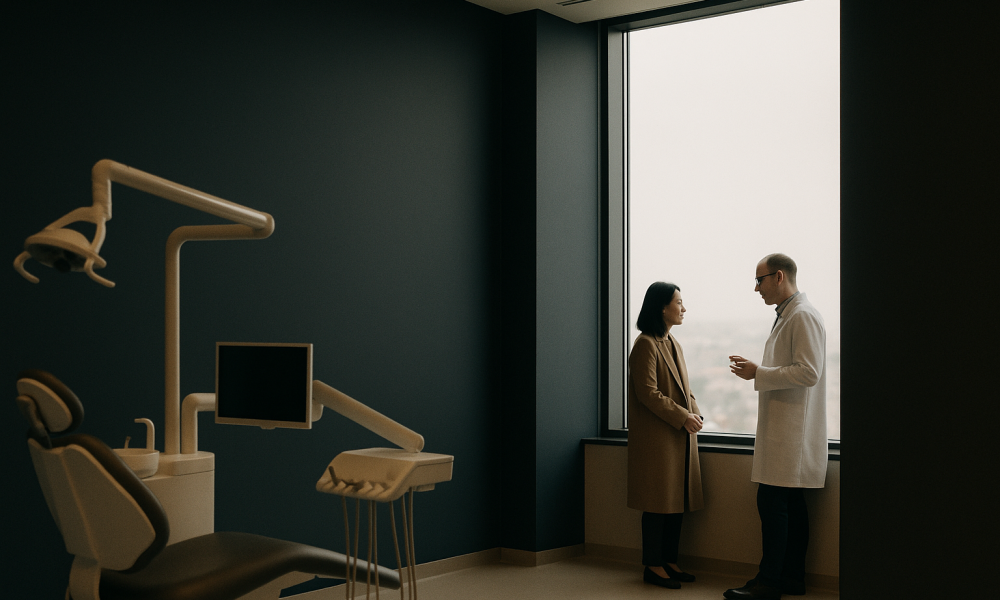
What Dental Implants is and who it is for
Dental implants are a popular and effective solution for replacing missing teeth. They consist of small titanium posts that are surgically placed into the jawbone, serving as sturdy anchors for artificial teeth. Over time, these implants fuse with the bone in a process known as osseointegration, providing a stable foundation for crowns, bridges, or dentures.
In Turkey, dental implants are a sought-after option for many international patients due to the combination of high-quality care and more accessible pricing compared to Western countries. The typical cost for a single dental implant in Turkey ranges from £400 to £900, depending on the complexity of the case and the type of implant used.
Dental implants are suitable for individuals who have lost one or more teeth due to injury, decay, or periodontal disease. They offer a permanent solution that looks, feels, and functions like natural teeth, helping to restore both appearance and oral health. Unlike dentures, implants do not require the surrounding teeth to be altered, making them a conservative treatment option.
This procedure is ideal for patients who are in good overall health and have sufficient jawbone density to support the implants. For those with inadequate bone, additional procedures such as bone grafting may be necessary. Implants can significantly improve the quality of life, enhancing the ability to chew, speak, and smile with confidence.
Patients considering dental implants in Turkey can expect a high standard of care, with many clinics equipped with the latest technology and adhering to international standards. The procedure typically takes 1-2 hours per implant, and can often be completed in a single visit, although some cases may require multiple appointments.
Are you a good candidate?
Determining whether you are a good candidate for dental implants involves several key considerations. First and foremost, candidates should have healthy gums and sufficient bone structure to support the implant. If bone density is insufficient, procedures like bone grafting or sinus lifts might be necessary to prepare the jaw for implants.
Additionally, candidates should be committed to maintaining good oral hygiene and regular dental visits, as these are crucial for the long-term success of implants. Those with chronic conditions such as diabetes or heart disease need to discuss their medical history with their dentist, as these conditions can affect healing and implant success.
Smoking is another factor to consider. Smokers are at a higher risk of implant failure due to the negative impact of tobacco on oral health and healing. Therefore, patients are often advised to quit smoking before undergoing the procedure.
Here’s a checklist to determine if you might be a good candidate for dental implants:
- Missing one or more teeth
- Healthy gums and no periodontal disease
- Adequate bone density in the jaw
- Non-smoker or willing to quit
- Free from uncontrolled chronic diseases
- Committed to oral hygiene and regular dental visits
- Realistic expectations about the procedure and outcomes
Patients should also consider their overall commitment to the process, as dental implants require a period of healing and adjustment. The full recovery period can range from 3 to 6 months, during which the implant integrates with the bone.
Before deciding on the procedure, a thorough evaluation by a qualified dental professional is essential. This will typically include a comprehensive dental examination, imaging studies such as X-rays or CT scans, and a detailed discussion of your medical history and goals. By carefully assessing these factors, you and your dentist can determine whether dental implants are the right choice for you.
3. The procedure, step by step
Undergoing dental implant surgery in Turkey involves a carefully orchestrated series of steps designed to ensure the best possible outcome for the patient. Each stage is crucial and requires the expertise of skilled dental professionals alongside state-of-the-art facilities.
- Initial Consultation and Assessment: The process begins with a comprehensive assessment, often involving digital imaging such as X-rays or CT scans. This assessment allows the dental specialist to evaluate the condition of your jawbone and plan the implant procedure. The consultation may also involve discussions about your medical history and any medications you are taking, as these factors can influence the procedure.
- Treatment Planning: Following the initial assessment, a personalised treatment plan is developed. This plan outlines the number of implants required, the type of implants to be used, and the timeline of the procedure. Patients are often presented with a detailed breakdown of the indicative costs at this stage, which can typically range from £1,200 to £2,000 per implant, depending on various factors.
- Surgical Procedure: The surgical placement of the implant is typically performed under local anaesthesia, although sedation options are available for those who experience dental anxiety. During the procedure, the dentist makes an incision in the gum to expose the bone. A small hole is drilled into the jawbone, into which the titanium implant post is inserted. This step is critical as the post serves as the artificial root for the new tooth.
- Osseointegration: After the implant has been placed, a process known as osseointegration occurs, where the bone gradually fuses with the implant. This stage is essential for the stability of the implant and can take several weeks to a few months. Patients are usually fitted with temporary crowns during this period.
- Abutment Placement: Once osseointegration is complete, a minor procedure is performed to attach an abutment to the implant. The abutment acts as a connector between the implant and the crown. This procedure may involve reopening the gum tissue to expose the implant.
- Crown Placement: The final step involves placing the custom-made crown onto the abutment. The crown is designed to match the colour and shape of your natural teeth, ensuring a seamless appearance. This stage marks the completion of the implant procedure, providing a durable and aesthetically pleasing solution for missing teeth.
Throughout each step, patients can expect clear communication and detailed instructions from their dental care team, ensuring a smooth and successful treatment journey.
4. Recovery timeline
The recovery process following dental implant surgery in Turkey is an essential part of the overall treatment journey, requiring careful attention and adherence to post-operative care instructions. Understanding what to expect during this period can help ensure a smooth recovery and optimal results.
| Period | What to expect | Care notes |
|---|---|---|
| Day 1 | Post-surgery, patients might experience some discomfort and swelling around the surgical site. Mild bleeding is also common as the anaesthesia wears off. | Apply ice packs to reduce swelling and take prescribed pain medication as directed. Avoid hot foods and beverages. |
| Days 2-3 | Swelling and discomfort may persist but should gradually decrease. Bruising might appear around the mouth and cheeks. | Continue with soft foods and maintain oral hygiene with gentle rinsing. Avoid strenuous activity. |
| Week 1 | Healing progresses, with most patients noticing a significant reduction in swelling and discomfort. Stitches might begin to dissolve if non-removable stitches were used. | Follow up with your dentist for a post-operative check-up to ensure proper healing. Adhere to dietary recommendations. |
| Weeks 2-4 | Osseointegration begins, with the implant gradually fusing to the bone. Any remaining stitches should have dissolved or been removed. | Maintain a balanced diet to support healing and avoid hard or chewy foods that could disturb the implant site. |
| Months 1-3 | The implant continues to integrate with the jawbone, with most patients experiencing minimal discomfort. Regular dental check-ups ensure the implant is stable. | Resume normal activities, but remain cautious with oral hygiene practices. Attend scheduled follow-up appointments. |
| Full Recovery (3-6 months) | Osseointegration is typically complete, and the permanent crown can be placed. The implant should feel and function like a natural tooth. | Continue regular dental visits and maintain excellent oral hygiene to ensure the longevity of the implant. |
Each patient’s recovery experience may vary slightly, but adhering to the care notes provided by your dental professional is crucial for a successful outcome.
What it costs: Turkey vs the UK, Europe and North America
One of the most significant factors driving international patients to consider dental implants in Turkey is the cost. Turkey is renowned for offering high-quality dental care at a fraction of the price compared to the UK, Europe, and North America. While the cost can vary depending on various factors such as the complexity of the case, the materials used, and the location of the clinic, patients can generally expect substantial savings.
| Region | Indicative Price Range (Single Implant) | Typical Inclusions |
|---|---|---|
| Turkey | £400 – £800 | Consultation, X-rays, Implant surgery, Temporary crown |
| UK | £1,500 – £2,500 | Consultation, X-rays, Implant surgery |
| Europe | €1,200 – €2,000 | Consultation, X-rays, Implant surgery |
| North America | $3,000 – $5,000 | Consultation, X-rays, Implant surgery |
It’s important to note that these figures are indicative and can vary based on specific circumstances. In Turkey, the cost often includes a comprehensive package that covers not just the implant procedure itself, but also preoperative assessments and postoperative care, which might not always be the case in other regions. Additionally, many Turkish clinics offer packages that include accommodation and transportation, further adding to the value proposition.
While the lower cost in Turkey is appealing, it is crucial for patients to thoroughly research and choose a reputable clinic. Lower costs do not necessarily mean lower quality, but due diligence is essential to ensure that the clinic maintains high standards of care and uses quality materials.
Risks and how accredited providers manage them
As with any surgical procedure, dental implants come with inherent risks. These can include infection, implant failure, nerve damage, and sinus problems, particularly if the implant is placed in the upper jaw. The success of dental implants largely depends on the patient’s overall health, oral hygiene, and the skill of the dental practitioner.
In Turkey, accredited dental clinics are well aware of these risks and employ several strategies to mitigate them. Firstly, a thorough preoperative assessment is conducted, which includes evaluating the patient’s medical history, conducting necessary imaging tests such as X-rays or CT scans, and assessing bone density to ensure that the patient is a suitable candidate for implants.
Accredited providers in Turkey also adhere to stringent sterilisation protocols to minimise the risk of infection. They use state-of-the-art equipment and high-quality materials that meet international standards. Many clinics are equipped with advanced technology that aids in precise implant placement, reducing the risk of complications.
- Preoperative Planning: Detailed planning using digital imaging helps in anticipating potential issues and allows for customised treatment plans tailored to the patient’s unique anatomy.
- Experienced Professionals: Many Turkish dental surgeons have international training and are members of global dental associations, ensuring they are up-to-date with the latest techniques and safety standards.
- Postoperative Care: Comprehensive aftercare is a hallmark of accredited clinics. Patients receive detailed instructions for oral hygiene and follow-up appointments to monitor the healing process and ensure the implant’s stability.
- Patient Education: Clinics place a strong emphasis on educating patients about the risks and the importance of maintaining oral hygiene to ensure the longevity of the implants.
Moreover, Turkish clinics often offer warranties for their implants, providing patients with added peace of mind. This warranty typically covers any failure of the implant within a specified period, provided that the patient has adhered to the recommended care guidelines.
Ultimately, while the risks associated with dental implants cannot be entirely eliminated, choosing an accredited provider in Turkey can significantly reduce them. Patients are encouraged to verify the credentials of their chosen clinic and dentist, ensuring that they have the necessary experience and qualifications to perform the procedure safely.
How to choose the right provider
Choosing the right provider for dental implants in Turkey is pivotal to ensure a successful treatment. Start by checking the clinic’s accreditation. Clinics accredited by internationally recognised organisations, such as the Joint Commission International (JCI), adhere to stringent quality standards. This accreditation assures that the clinic maintains high levels of safety and patient care.
Next, consider the experience of the dental surgeon. Look for a surgeon who has several years of experience specifically in placing dental implants. An experienced surgeon will have a portfolio of successful cases and can often provide testimonials or reviews from former patients. Don’t hesitate to ask about their training, the number of implants they’ve placed, and their success rate.
Aftercare is another essential factor. Quality clinics will offer comprehensive aftercare services, including follow-up consultations and access to a dental professional for any post-procedure concerns. Ensure that the clinic provides a clear aftercare plan and is available for communication after you’ve returned home.
Be vigilant about red flags. Avoid clinics that cannot provide clear information about their accreditation or the qualifications of their surgeons. Be wary of prices significantly lower than the typical range of £1,000 to £2,500 per implant, as this may indicate cuts in quality or service. Always request a detailed breakdown of costs and services included in the treatment plan.
Finally, research patient reviews and ratings on independent platforms. While no provider will have a perfect record, consistent negative feedback about specific issues should be a cause for concern. In summary, thorough research and careful selection of a provider can significantly enhance the likelihood of a satisfactory outcome.
Planning your trip
Planning your trip for dental implants in Turkey involves several key steps to ensure a smooth experience. Start by establishing a timeline. Dental implant procedures often require multiple visits, beginning with a consultation and ending with the final placement of the crown. Typically, the initial visit will involve a comprehensive evaluation and the surgical placement of the implant, which requires a stay of about 3 to 5 days.
Before travelling, gather all necessary documents. This includes your medical records, any dental X-rays, and a valid passport. Check the expiration date on your passport to ensure it’s valid for at least six months beyond your planned return date. Additionally, confirm whether you need a visa for entry into Turkey, which can often be obtained electronically.
Plan for a stay of at least a week for the initial visit to allow for recovery and any immediate follow-up required. The second visit, usually after 3 to 6 months, involves placing the abutment and crown, necessitating a stay of about 5 days. It’s crucial to factor in some flexibility in your travel plans to accommodate any unexpected changes in your treatment schedule.
Regarding follow-up care once back home, establish a clear plan with your Turkish provider. Ensure you have contact details for follow-up questions and arrange for a local dentist to handle any emergency issues that might arise. This collaboration can provide peace of mind and ensure continuity of care.
Finally, consider the financial aspect. While dental implants in Turkey can be more cost-effective, with indicative costs ranging from £1,000 to £2,500 per implant, remember to budget for travel, accommodation, and potential follow-up treatments. Proper planning can help ensure a successful and stress-free treatment journey.
Frequently Asked Questions
What is the typical cost of dental implants in Turkey?
The cost of dental implants in Turkey typically ranges from £1,000 to £2,500 per implant. These costs are indicative and can vary based on the complexity of the case, the materials used, and the specific clinic. Always request a detailed quote that includes all potential charges.
Are dental implants in Turkey safe?
Dental implants in Turkey are generally safe when performed by experienced and qualified professionals. It's essential to choose a clinic accredited by recognised bodies and to verify the surgeon's experience and credentials. Following post-operative care instructions will also help ensure safety.
How long should I plan to stay in Turkey for dental implants?
For the initial implant placement, plan to stay in Turkey for about 3 to 5 days. A second visit, usually 3 to 6 months later for the abutment and crown placement, typically requires another 5-day stay. These timeframes can vary based on individual cases and recovery needs.
What documents do I need for my trip to Turkey?
You will need a valid passport, medical records, and any relevant dental X-rays. Additionally, check if a visa is required for your entry into Turkey. Many nationalities can obtain an electronic visa easily online before travel.
What should I consider when choosing a dental implant provider in Turkey?
Consider the clinic's accreditation, the surgeon's experience, and the quality of aftercare offered. Look for clinics with international accreditation, experienced surgeons, and comprehensive aftercare services. Avoid providers offering prices significantly lower than typical ranges as it may indicate compromised quality.
Is it possible to finance dental implants in Turkey?
Some clinics in Turkey offer financing options or payment plans for dental implants. It's advisable to inquire directly with the clinic about available options and terms. Additionally, explore whether your home country insurance may cover part of the treatment abroad.
How do I handle follow-up care after returning home?
Before departing Turkey, arrange a follow-up care plan with your provider. Obtain contact information for post-treatment inquiries and consider coordinating with a local dentist for any urgent needs. This ensures continuity of care and addresses any complications promptly.
Can I combine my dental treatment with a holiday in Turkey?
Yes, many patients choose to combine their dental treatment with a holiday in Turkey. However, it's crucial to consider recovery times and post-operative care requirements. Plan your itinerary to allow adequate rest and follow any medical advice given by your provider.
What are the payment methods accepted by clinics in Turkey?
Most clinics in Turkey accept major credit cards, bank transfers, and sometimes cash. It is advisable to confirm the accepted payment methods before your trip and consider any currency exchange rates or fees that may apply.
How can I verify a clinic's accreditation in Turkey?
You can verify a clinic's accreditation by checking with international accreditation bodies such as the Joint Commission International (JCI) or similar organisations. Clinics typically display their accreditation status on their websites, and you can also contact these bodies directly for verification.
What if I experience complications after returning home?
If complications arise after returning home, contact your Turkish provider immediately for guidance. They may offer remote consultations or coordinate care with a local dentist. Having a pre-arranged follow-up plan with a local dentist can also help manage any urgent issues.
Are there language barriers in Turkish dental clinics?
Many dental clinics in Turkey cater to international patients and have English-speaking staff. To ensure clear communication, confirm language support in advance. Some clinics also offer translation services to assist with medical discussions if needed.