
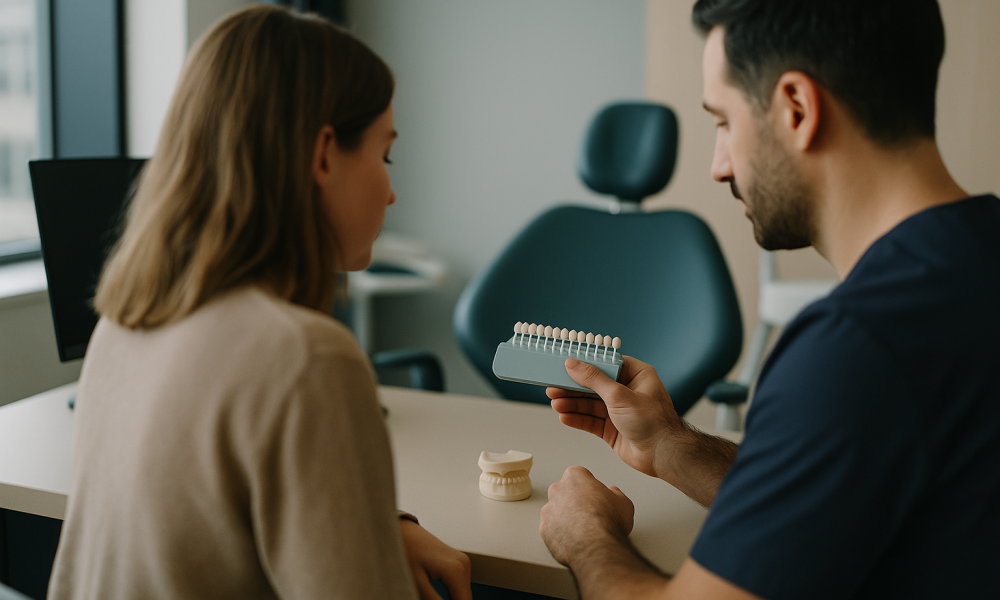
What Dental Veneers is and who it is for
Dental veneers are thin shells crafted from materials such as porcelain or composite resin, designed to cover the front surface of teeth. They are primarily used to enhance the appearance of teeth by addressing issues such as discolouration, chips, misalignments, or gaps. Porcelain veneers are favoured for their durability and natural appearance, while composite veneers offer a more affordable, albeit less durable, alternative.
The procedure for fitting veneers typically involves two steps. Initially, a dentist will remove a thin layer of enamel from the teeth to accommodate the veneer. This process is usually performed under local anaesthesia to ensure comfort. After preparation, an impression of the teeth is taken, which is used to create custom veneers. In some cases, temporary veneers may be applied while the permanent ones are being manufactured.
Dental veneers are suitable for individuals seeking a long-term solution for aesthetic dental issues. They are particularly beneficial for those with significant tooth discolouration that cannot be corrected with whitening treatments, or for those with minor alignment issues who prefer not to undergo orthodontic treatments. Veneers can also be an option for repairing chipped or worn teeth, providing a uniform and natural-looking smile.
In Turkey, dental veneers are a popular choice due to the high standard of dental care and the cost-effectiveness compared to countries like Canada. The typical cost for porcelain veneers in Turkey ranges from £200 to £500 per tooth, depending on the complexity of the case and the materials used. Composite veneers are generally less expensive. Patients from Canada often find that even with travel expenses, the overall cost remains significantly lower than domestic options.
Overall, dental veneers are a transformative option for those looking to improve their smile’s aesthetics. With advancements in dental technology, the results can be both natural-looking and long-lasting, making them an attractive option for many individuals.
Are you a good candidate?
Determining whether you are a good candidate for dental veneers involves several considerations. The ideal candidate typically has good overall oral health, as veneers require a solid foundation on which to be placed. Additionally, candidates should have specific aesthetic goals, as veneers are primarily a cosmetic procedure.
Here is a checklist to help you assess your suitability for dental veneers:
- Good Oral Health: Your gums and teeth should be free from decay and active periodontal disease.
- Sufficient Enamel: A certain amount of enamel is needed to support the veneers. If too much enamel is lost, veneers may not adhere properly.
- Aesthetic Goals: You should have specific issues such as discolouration, minor misalignments, or chips that veneers can address.
- Non-Grinder: If you habitually grind or clench your teeth, you may risk damaging the veneers.
- Commitment to Oral Hygiene: Maintaining good oral hygiene is crucial to prolong the lifespan of veneers.
- Realistic Expectations: Understanding that veneers are not a cure-all and that they may need to be replaced after 10-15 years is important.
It is essential to have a thorough consultation with a qualified dental professional to discuss your expectations and any concerns. The dentist will conduct a comprehensive examination to ensure that veneers are the best option for you, considering both the health of your teeth and your personal goals. In some cases, alternative treatments such as orthodontics or teeth whitening may be more suitable.
Furthermore, if you have habits such as nail-biting or using your teeth as tools, it is crucial to address these before proceeding with veneers, as they can compromise the longevity and appearance of the veneers. Ensuring you meet these criteria will help in achieving the best possible outcome from the procedure.
The procedure, step by step
Undergoing dental veneers in Turkey involves a series of carefully orchestrated steps, ensuring both aesthetic and functional outcomes. Here’s a detailed breakdown of the procedure:
- Initial Consultation and Assessment: The journey begins with an in-depth consultation with a dental specialist. During this session, your dental health will be evaluated through examinations and X-rays. This step is crucial for understanding your oral health and determining if veneers are appropriate. The dentist will discuss your aesthetic goals, and a treatment plan will be developed.
- Smile Design and Veneer Selection: Once you decide to proceed, the dentist will involve you in the smile design process. This involves selecting the shape, size, and colour of the veneers that best suit your facial features and preferences. Digital imaging or mock-ups may be used to give you a preview of the expected results.
- Tooth Preparation: In preparation for the veneers, a small amount of enamel, typically 0.5mm to 1.0mm, is removed from the front surface of the teeth. This is necessary to ensure that the veneers fit properly and look natural. Local anaesthesia may be used to minimise discomfort.
- Impression Taking: After preparation, precise dental impressions are taken of your teeth. These impressions are crucial for fabricating veneers that fit perfectly. The impressions are sent to a dental laboratory where skilled technicians craft your custom veneers, a process that usually takes 1-2 weeks.
- Temporary Veneers: While waiting for your permanent veneers, temporary ones may be placed to protect your teeth and maintain aesthetics. These temporary veneers are not as durable as the final product but serve an important interim function.
- Veneer Bonding: Once your custom veneers are ready, you will return for the final fitting. The dentist will first place the veneers temporarily to check for fit and colour. Adjustments can be made at this stage. Once satisfied, the teeth are cleaned, and the veneers are bonded using a special adhesive. A curing light is used to harden the adhesive, securing the veneers in place.
- Final Adjustments and Polishing: After bonding, the dentist will make any necessary adjustments to ensure a perfect bite and comfort. The veneers are then polished to achieve a natural sheen. You will be given instructions on how to care for your new smile.
Each step is designed to ensure that your veneers look natural and enhance your smile effectively. Communication with your dental team is key to achieving the desired outcome.
Recovery timeline
The recovery process following dental veneer placement is relatively straightforward, but it’s important to understand the timeline and what to expect at each stage. Below is a detailed table outlining the recovery timeline:
| Period | What to expect | Care notes |
|---|---|---|
| Day 1-2 | Immediately after the procedure, you may experience some sensitivity to hot and cold temperatures. Mild discomfort or soreness in the gums is also common. | Use over-the-counter pain relievers as needed. Avoid very hot or cold foods and beverages. Follow the dentist’s instructions regarding oral hygiene. |
| Day 3-7 | Sensitivity should begin to decrease. You may notice slight adjustments in your bite as you get used to the new veneers. | Continue with gentle brushing and flossing. Use a soft-bristled toothbrush to avoid irritating the gums. If sensitivity persists, consult your dentist. |
| Week 2-3 | Most sensitivity should subside. Your bite should feel more natural, and you should be able to resume normal eating habits. | Maintain regular oral hygiene practices. Schedule a follow-up appointment if any issues persist or if adjustments are needed. |
| Month 1 | By now, you should be fully adjusted to your veneers. They should feel like a natural part of your teeth. | Continue regular dental check-ups every six months. Protect your veneers by avoiding hard foods and using a night guard if recommended. |
| Full Recovery | Veneers are fully integrated, and there should be no discomfort or sensitivity. You can enjoy the full aesthetic benefits of your new smile. | Always practice good oral hygiene. Avoid habits such as nail biting or using teeth as tools to prolong the lifespan of your veneers. |
Understanding this timeline helps in setting realistic expectations and ensures that you take the necessary steps for a smooth recovery and long-lasting results.
What it costs: Turkey vs Canada
When considering dental veneers, the cost is a significant factor for many patients. Turkey has become a popular destination for dental treatments, including veneers, largely due to its competitive pricing. While costs can vary based on several factors, such as the complexity of the case and the materials used, we provide here an indicative comparison of the typical price ranges for dental veneers in Turkey and Canada.
| Treatment | Turkey (Indicative Range in USD) | Canada (Indicative Range in CAD) |
|---|---|---|
| Single Porcelain Veneer | $250 – $400 | $900 – $1,500 |
| Single Composite Veneer | $150 – $250 | $500 – $1,000 |
| Full Set (10-12 Teeth) | $2,500 – $4,500 | $9,000 – $18,000 |
These figures are indicative and can vary based on the clinic, the dentist’s expertise, and the specific materials selected for the veneers. In Turkey, many clinics offer comprehensive packages that often include not only the treatment itself but also other services. These packages typically encompass:
- Initial Consultation: An in-depth assessment of your dental health and a discussion of your aesthetic goals.
- Digital Smile Design: Advanced imaging technology used to plan the treatment and predict outcomes.
- Post-Treatment Care: Follow-up appointments to ensure the veneers are settling properly and to address any concerns.
- Transportation and Accommodation: Some packages include airport transfers and hotel stays for international patients.
It is important to note that while the upfront costs in Turkey may be lower, prospective patients should consider the total expenses, including travel and accommodation. However, even with these additional costs, many patients find the overall expenditure to be more affordable than in Canada. As always, it is crucial to research and select a reputable clinic with a proven track record of successful outcomes.
Risks and how accredited providers manage them
As with any medical procedure, dental veneers come with potential risks. However, understanding these risks and how accredited providers in Turkey manage them can help reassure prospective patients considering this treatment option.
Common risks associated with dental veneers include:
- Tooth Sensitivity: Some patients may experience increased sensitivity to hot or cold temperatures after veneers are applied. This is typically temporary and can be managed with desensitising toothpaste.
- Veneer Damage: Veneers can chip or crack, especially if subjected to excessive force. However, high-quality veneers made from durable materials like porcelain are less prone to such damage.
- Colour Mismatch: If not properly matched, veneers may not blend seamlessly with surrounding teeth. Accredited providers use advanced colour-matching techniques to mitigate this risk.
- Gum Irritation: Poorly fitted veneers can irritate the gums. Accredited dentists ensure precise fitting to avoid such issues.
Accredited dental providers in Turkey employ several strategies to manage these risks effectively:
- Comprehensive Assessment: Before any treatment, a thorough dental examination is conducted to evaluate the suitability of veneers for the patient. This includes assessing the health of the gums and the structural integrity of the teeth.
- Use of High-Quality Materials: Clinics use premium materials that are not only durable but also aesthetically pleasing, ensuring a natural look and longevity of the veneers.
- Advanced Technology: Many clinics are equipped with the latest technology, such as CAD/CAM systems, to design and manufacture veneers with high precision.
- Experienced Practitioners: Accredited clinics employ skilled dentists with extensive experience in cosmetic dentistry, reducing the likelihood of complications.
- Patient Education: Patients are given detailed instructions on how to care for their veneers and maintain oral hygiene to prevent issues.
- Follow-Up Care: Post-treatment follow-ups are essential to monitor the condition of the veneers and address any concerns promptly.
Choosing an accredited provider is crucial for minimising risks and ensuring a successful outcome. Accreditation indicates adherence to international standards of quality and safety, providing an additional layer of reassurance for patients. By selecting a well-regarded clinic, patients can feel more confident in the care they receive and the results they achieve.
How to choose the right provider
Choosing the right provider for dental veneers in Turkey requires careful consideration of several factors to ensure safety and satisfaction. Accreditation is a critical starting point. Look for clinics accredited by international bodies such as the Joint Commission International (JCI) or the European Society of Cosmetic Dentistry (ESCD). These accreditations indicate adherence to international standards of care and patient safety.
Another key factor is the experience and qualifications of the dental surgeon. Research the surgeon’s educational background, years of practice, and specific experience in cosmetic dentistry. A dentist with a track record of successful veneer applications and additional certifications in cosmetic procedures is preferable. Reading patient reviews and testimonials can also provide insights into the quality of care provided.
Aftercare is an essential component of the treatment journey. A reputable clinic will offer comprehensive aftercare services that include post-procedure check-ups and clear instructions for maintaining your veneers. Some clinics even offer remote consultations after you return home, allowing you to address any concerns that may arise.
Be aware of red flags when selecting a provider. Clinics that offer significantly lower prices than the typical range of £200 to £400 per veneer may be cutting corners on quality or safety. Additionally, be cautious of providers who pressure you into making quick decisions or fail to provide clear answers to your questions. Transparency in communication and pricing is a hallmark of a trustworthy provider.
Don’t hesitate to ask about the materials used for veneers. High-quality materials such as porcelain or composite resin are standard, and the choice between them should be based on your specific needs and the dentist’s recommendation. Finally, ensure that the clinic maintains high standards of hygiene and infection control, which is crucial for preventing complications.
Planning your trip
Planning your trip for dental veneers in Turkey involves several logistical considerations to ensure a smooth experience. Begin by establishing a timeline for your treatment. It is advisable to contact your chosen clinic at least two months before your intended travel date to allow ample time for consultation and scheduling.
Ensure that your travel documents are in order. Canadian citizens require a valid passport and may need a visa to enter Turkey, which can often be obtained online through Turkey’s e-Visa system. Check the latest entry requirements and COVID-19 regulations to avoid any last-minute surprises.
The typical length of stay for dental veneers can vary based on the complexity of your case. Generally, a stay of 7 to 10 days is recommended to accommodate initial consultations, the procedure, and any immediate follow-up appointments. This duration allows you to rest and recover adequately before traveling back home.
Consider the logistics of accommodation and transport. Many clinics offer packages that include hotel stays and airport transfers, which can simplify your planning. If you prefer to arrange these independently, look for accommodations close to the clinic to minimize travel stress.
After the procedure, follow-up care is crucial. Before leaving Turkey, ensure you have a detailed aftercare plan from your dentist. This should include instructions on oral hygiene, dietary recommendations, and precautions to prolong the life of your veneers. Once back in Canada, arrange for follow-up appointments with a local dentist familiar with veneer care to address any issues that might arise.
Travel insurance that covers medical tourism is advisable, providing peace of mind in case of unexpected events. Lastly, plan for some leisure time during your stay. Turkey offers rich cultural experiences, from historic sites to exquisite cuisine, which can enhance your overall trip and provide a relaxing backdrop to your dental treatment.
Frequently Asked Questions
What is the typical cost of dental veneers in Turkey?
The cost of dental veneers in Turkey can vary depending on several factors, including the clinic, the dentist's experience, and the materials used. Typically, you can expect to pay between £200 and £400 per veneer. This range is indicative and includes the procedure itself, but it is important to confirm what is included in the price with your chosen provider, such as consultation fees, aftercare, and any additional services.
Are dental veneers safe?
Dental veneers are generally considered safe when performed by a qualified and experienced dentist in a reputable clinic. The procedure is minimally invasive and involves bonding a thin layer of material to the teeth. However, like any medical procedure, it carries some risks, such as tooth sensitivity or damage if not done correctly. To minimize risks, choose a clinic with proper accreditation and a dentist with substantial experience in cosmetic dentistry.
How long do dental veneers last?
Dental veneers can last anywhere from 7 to 15 years, depending on the material used and how well they are maintained. Porcelain veneers tend to last longer than composite resin veneers due to their durability and resistance to staining. Good oral hygiene practices, such as regular brushing and flossing, and avoiding excessive force or grinding, can help extend the lifespan of your veneers.
What should I expect during the procedure?
The dental veneer procedure usually involves two to three visits to the dentist. During the initial consultation, the dentist will assess your teeth and discuss the desired outcome. In the next appointment, the dentist will prepare your teeth by removing a small amount of enamel and take impressions. Finally, the veneers are custom-made and bonded to your teeth in the last visit. The entire process generally takes 1 to 2 weeks.
How do I care for my dental veneers?
Caring for dental veneers involves maintaining excellent oral hygiene. Brush your teeth at least twice a day using a non-abrasive toothpaste, and floss daily. Avoid biting into hard foods or using your teeth to open packages, as this can damage the veneers. Regular dental check-ups are also essential to monitor your veneers' condition and ensure they remain in good shape.
Will my dental insurance cover veneers?
Dental insurance policies vary widely, and cosmetic procedures like veneers are often not covered as they are considered elective. It's important to check with your insurance provider to understand what, if any, portion of the procedure might be covered. Some plans may offer partial coverage if veneers can be justified as necessary for dental health rather than purely cosmetic reasons.
Can I get veneers on just one tooth?
Yes, it is possible to get a veneer on just one tooth. This is often done to correct a single discoloured, chipped, or misshapen tooth. The process is similar to getting multiple veneers, and the dentist will ensure that the veneer matches the colour and shape of your surrounding teeth for a natural appearance.
How soon after the procedure can I eat and drink normally?
After the veneers are bonded to your teeth, you should wait a few hours before eating or drinking to ensure the adhesive sets properly. Once set, you can generally eat and drink as usual, but it is advisable to avoid very hard or sticky foods that could damage the veneers. Follow any specific dietary recommendations provided by your dentist.
What happens if a veneer falls off?
If a veneer falls off, it is important to contact your dentist as soon as possible. They can assess the situation and determine whether the veneer can be reattached or if a new one needs to be made. In the meantime, avoid chewing on the affected tooth and keep the veneer safe if it is intact. Prompt action can prevent further damage to your teeth.
How can I verify a clinic's accreditation?
To verify a clinic's accreditation, check their website for information on certifications from recognized international bodies like the JCI or ESCD. You can also contact the accrediting body directly to confirm the clinic's status. Reading reviews and testimonials from previous patients can also provide insight into the clinic's reputation and quality of care.
What are the alternatives to veneers?
Alternatives to veneers include teeth whitening, dental bonding, and crowns. Teeth whitening can improve discolouration, while dental bonding is used to repair minor chips and imperfections. Crowns are more invasive than veneers and cover the entire tooth, offering a solution for more severe damage. Discuss these options with your dentist to determine the best choice for your needs.
What should I do if I experience sensitivity after getting veneers?
Experiencing some sensitivity after getting veneers is common and usually temporary. It is often due to the enamel removal process and should subside within a few days. To manage sensitivity, use toothpaste designed for sensitive teeth and avoid extremely hot or cold foods and drinks. If sensitivity persists beyond a week, consult your dentist for further evaluation and advice.