
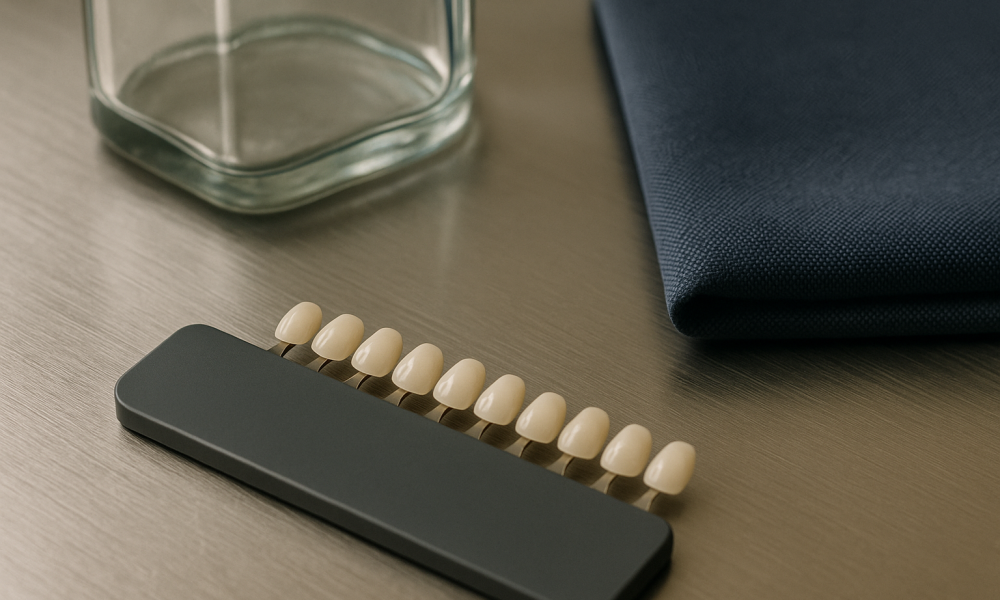
What Dental Veneers is and who it is for
Dental veneers are thin shells, typically made of porcelain or composite resin, designed to cover the front surface of teeth. They are used to enhance the appearance of teeth by altering their colour, shape, size, or length. Veneers are a popular option for individuals seeking to improve their smile aesthetics and are often chosen by those with stained, chipped, or misshapen teeth. The procedure involves bonding these custom-made shells to the teeth, providing a natural and appealing look.
In Turkey, dental veneers have gained popularity among international patients, particularly from Europe, due to the combination of high-quality care and competitive pricing. The process generally involves an initial consultation, which can sometimes be conducted remotely via video call. During this consultation, a dentist evaluates the patient’s needs and discusses the desired outcomes. This is followed by a visit to the clinic for the actual procedure, which typically takes 1-2 hours per session.
Turkey boasts a robust healthcare infrastructure, with many clinics offering state-of-the-art facilities and experienced dental professionals. Patients can expect personalised care and attention throughout the process. The cost of dental veneers in Turkey can range from £150 to £400 per tooth, making it a cost-effective option compared to some other countries. It’s essential to note that these prices are indicative and can vary based on the clinic, the dentist’s experience, and the materials used.
Dental veneers are suitable for individuals who are looking to address cosmetic dental issues such as discolouration that cannot be corrected with teeth whitening, minor misalignments, gaps between teeth, or teeth that are worn down. They are not intended for individuals with significant dental decay, gum disease, or those who grind their teeth excessively, as these conditions could compromise the longevity of the veneers. The procedure is minimally invasive, requiring only a small amount of tooth enamel to be removed, ensuring that the patient’s natural teeth remain largely intact.
Are you a good candidate?
Determining if you are a good candidate for dental veneers involves considering several factors related to your dental health, lifestyle, and aesthetic goals. Generally, the best candidates for veneers are those who seek to enhance their smile for cosmetic reasons and have a healthy oral foundation.
Before pursuing veneers, it is crucial to undergo a comprehensive dental examination. A dentist will assess the overall health of your teeth and gums to ensure that you are free from decay and periodontal disease. Any existing dental issues should be addressed before the veneer process begins.
- Good Oral Health: Candidates should have healthy teeth and gums. Issues such as cavities or gum disease need treatment before veneers can be considered.
- Aesthetic Goals: If you’re dissatisfied with the colour, shape, or alignment of your teeth, veneers can provide a significant improvement.
- Enamel Condition: Sufficient tooth enamel is necessary since a small amount is removed during the veneer application. This ensures proper bonding of the veneer.
- No Bruxism: Candidates should not suffer from bruxism (teeth grinding) as it can damage veneers. If you grind your teeth, a dentist may recommend a mouthguard for protection.
- Realistic Expectations: Understanding that veneers are a cosmetic solution and not a cure for underlying dental issues is crucial. They enhance appearance but do not address functional problems.
- Commitment to Oral Hygiene: Maintaining good oral hygiene is essential to prolong the lifespan of veneers. Regular brushing, flossing, and dental check-ups are necessary.
If you meet these criteria, dental veneers can be an effective option to achieve a bright, even smile. It’s always advisable to discuss your specific needs and expectations with a qualified dental professional who can provide personalised advice and guidance.
The procedure, step by step
Understanding the dental veneer procedure can help alleviate any concerns and prepare you for what to expect during your visit to Turkey. Here is a step-by-step guide to the process involved in getting dental veneers:
- Initial Consultation: The journey begins with an initial consultation, either in person or virtually, with a qualified dentist. During this session, the dentist will discuss your goals, examine your oral health, and determine if you are a suitable candidate for veneers. They will also explain the types of veneers available, such as porcelain or composite, and help you select the most appropriate option based on your needs and budget.
- Pre-Treatment Planning: Once you decide to proceed, detailed planning is essential. The dentist will take X-rays and impressions of your teeth to create a model. This step is crucial for designing custom veneers that fit seamlessly with your natural teeth. Digital imaging may also be used to give you a preview of the expected results.
- Tooth Preparation: In the next appointment, the dentist will prepare your teeth for the veneers. This involves removing a thin layer of enamel, typically between 0.3 and 0.5 millimetres, to ensure the veneers can be bonded properly. Local anaesthesia may be used to minimise discomfort during this step.
- Temporary Veneers: If porcelain veneers are chosen, temporary veneers may be fitted to protect your teeth while the permanent ones are being crafted in a lab. This process usually takes one to two weeks.
- Veneer Bonding: Once the permanent veneers are ready, you will return to the clinic for fitting. The dentist will first place the veneers on your teeth to check the fit and colour. Adjustments can be made at this stage if necessary. The teeth are then cleaned, polished, and etched to ensure the veneers bond strongly. A special adhesive is used to attach the veneers to the teeth, followed by the application of a curing light to harden the bond quickly.
- Final Adjustments and Follow-Up: After the veneers are bonded, the dentist will make any final adjustments to ensure a comfortable bite. A follow-up visit is typically scheduled within a few weeks to ensure everything is functioning well and to address any concerns you may have.
Throughout the process, the dentist will provide you with detailed instructions on how to care for your new veneers to ensure their longevity and maintain oral health.
Recovery timeline
The recovery period following the placement of dental veneers is generally straightforward, with most patients experiencing minimal discomfort. Here’s a detailed timeline of what you can expect during your recovery:
| Period | What to expect | Care notes |
|---|---|---|
| Day 1 | Immediately after the procedure, you may experience some sensitivity to hot and cold due to enamel removal. Mild discomfort is normal. | Avoid very hot or cold foods and beverages. Over-the-counter pain relief can help manage discomfort. |
| Days 2-3 | Sensitivity may persist, but should gradually decrease. You may also notice slight gum tenderness. | Continue to avoid extreme temperatures in food and drink. Maintain good oral hygiene with gentle brushing and flossing. |
| Week 1 | By the end of the first week, sensitivity should be significantly reduced. Your bite may still feel slightly different as you adjust to the veneers. | Attend your follow-up appointment if scheduled. Report any persistent discomfort to your dentist. |
| Weeks 2-3 | Any lingering sensitivity should be minimal. You should be fully adjusted to your new bite and the appearance of your veneers. | Continue standard oral hygiene practices. Avoid biting directly into hard foods to protect veneers. |
| Full recovery (4 weeks) | You should feel completely comfortable with your veneers. The sensitivity should be gone, and the veneers should feel like a natural part of your mouth. | Maintain regular dental check-ups and cleanings to ensure the longevity of your veneers. Consider using a non-abrasive toothpaste to avoid scratching the surface of the veneers. |
While the above timeline provides a general guide, individual experiences may vary. Always follow your dentist’s specific advice and contact them if you have any concerns during your recovery.
What it costs: Turkey vs Europe
When considering dental veneers, cost is a significant factor for many patients. Turkey has become a popular destination for dental tourism, largely due to its competitive pricing compared to various European countries. The cost of dental veneers can vary widely depending on several factors, including the type of material used, the expertise of the dentist, and the location of the clinic.
Below is a comparative table that illustrates the typical indicative price ranges for dental veneers in Turkey versus several European countries. Please note that these figures are indicative and can vary based on individual circumstances and clinic offerings.
| Country | Indicative Price Range (per veneer) | Package Inclusions |
|---|---|---|
| Turkey | €200 – €400 | Consultation, veneers, local anaesthesia, follow-up |
| United Kingdom | €800 – €1,200 | Consultation, veneers |
| Germany | €700 – €1,000 | Consultation, veneers |
| Spain | €500 – €900 | Consultation, veneers |
| France | €600 – €1,000 | Consultation, veneers |
In Turkey, many clinics offer comprehensive packages that include not only the veneers themselves but also initial consultations, local anaesthesia, and follow-up appointments. In contrast, European clinics might charge separately for these additional services, which can significantly increase the overall cost.
It is important to consider that the cost in Turkey often reflects the lower operational expenses rather than a compromise in quality. Many Turkish clinics are equipped with state-of-the-art technology and employ highly skilled professionals trained in Europe or the United States.
Before making a decision based solely on cost, prospective patients should thoroughly research and consider other factors such as the clinic’s reputation, patient reviews, and the qualifications of the dental professionals. Ultimately, while Turkey offers competitive pricing, the decision should be based on a holistic assessment of quality, service, and cost.
Risks and how accredited providers manage them
Like any medical procedure, getting dental veneers carries certain risks. It’s crucial for prospective patients to understand these risks and how they are managed by accredited providers in Turkey. Common risks associated with dental veneers include tooth sensitivity, veneer chipping or cracking, and dissatisfaction with aesthetic outcomes.
Tooth sensitivity is a frequent concern, as preparing the tooth for a veneer involves removing a thin layer of enamel, which can lead to increased sensitivity to hot and cold temperatures. Accredited providers in Turkey manage this risk by using minimally invasive techniques and high-quality materials that reduce the likelihood of sensitivity. Additionally, they offer patients detailed aftercare instructions to mitigate discomfort.
Chipping or cracking of veneers is another potential risk. However, Turkish clinics often use advanced materials such as porcelain or composite resin, known for their durability and strength. Accredited providers ensure that veneers are crafted and fitted with precision to minimise the risk of damage.
Dissatisfaction with aesthetic outcomes can occur if the veneers do not meet the patient’s expectations in terms of shape, colour, or fit. To address this, accredited clinics in Turkey engage in thorough consultations with patients to understand their aesthetic goals and provide digital mock-ups or trial smiles before the final veneers are applied. This collaborative approach helps ensure that the final result aligns with the patient’s vision.
Accredited providers in Turkey follow stringent protocols to manage these risks. They maintain certifications and adhere to international standards, ensuring that all procedures are conducted with the highest level of safety and professionalism. Clinics often undergo regular inspections and audits by international bodies, which helps maintain their accreditation status.
Patients are encouraged to verify the accreditation status of the clinic and the credentials of the dental professionals before proceeding with the treatment. Reputable clinics will be transparent about their qualifications and the measures they take to ensure patient safety and satisfaction.
In summary, while there are inherent risks associated with dental veneers, accredited providers in Turkey employ a range of strategies to manage and mitigate these, ensuring a safe and satisfactory experience for their international patients.
How to choose the right provider
When considering dental veneers in Turkey, selecting the right provider is crucial to ensure a successful outcome. Accreditation is a key factor to consider. Look for clinics that are accredited by international bodies such as the Joint Commission International (JCI) or the Turkish Health Quality Association (SAS). These accreditations indicate that the clinic adheres to high standards of care and safety.
Another important aspect is the experience of the dental surgeon. Research the dentist’s qualifications, training, and years of experience in cosmetic dentistry, particularly in placing veneers. A dentist with a strong track record and numerous successful cases is more likely to deliver satisfactory results. It can be helpful to ask for case studies or before-and-after photos of previous patients.
Aftercare is an essential component of the treatment process. A reputable clinic should offer comprehensive aftercare instructions and support. This includes advice on oral hygiene, dietary restrictions, and follow-up appointments. Ensure that the clinic provides a clear plan for post-treatment care and is available to address any concerns you may have after the procedure.
Be aware of red flags that might indicate a less reputable provider. Avoid clinics that offer suspiciously low prices, as these may compromise on quality. Additionally, be wary if the clinic pressures you to make a quick decision or if they lack transparency in discussing potential risks or complications. A trustworthy provider will take the time to explain all aspects of the procedure and address your questions thoroughly.
Finally, consider patient reviews and testimonials. While individual experiences can vary, consistently positive feedback from past patients is a good indicator of a clinic’s reliability. Use independent review platforms to gather unbiased opinions and be cautious of overly positive reviews that lack detail.
Planning your trip
Planning your trip for dental veneers in Turkey involves several important steps to ensure a smooth experience. First, establish a timeline before travel. It is advisable to begin planning at least two to three months in advance. This allows ample time to research providers, arrange consultations, and complete necessary travel arrangements.
Ensure you have all required documents in order. A valid passport is essential, and depending on your country of origin, you may need a visa to enter Turkey. Check the latest visa requirements and apply in advance if necessary. Additionally, bring any medical records or dental x-rays that might assist your dentist in understanding your dental history.
The typical length of stay for dental veneers can vary based on the complexity of your case. Generally, patients should plan to stay in Turkey for about 5 to 7 days. This timeframe allows for initial consultations, the preparation of teeth, fitting of temporary veneers, and the final placement of permanent veneers.
Consider the logistics of your trip, including accommodation and transportation. Many clinics offer assistance with these arrangements, sometimes including airport transfers and hotel bookings as part of their service package. Inquire about these services during your initial consultation to streamline your travel plans.
After your treatment, follow-up care is crucial. Arrange for a check-up with your local dentist within a few weeks of returning home. This ensures that your veneers are settling well and allows for early intervention if any issues arise. Keep in touch with your Turkish provider for any questions or concerns post-return, as many offer remote consultations.
Lastly, consider travel insurance that covers medical tourism. This can provide peace of mind in the unlikely event of complications or travel disruptions. Carefully review what is covered under the policy and ensure it meets your needs.
Frequently Asked Questions
How much do dental veneers typically cost in Turkey?
The cost of dental veneers in Turkey can vary depending on the clinic, the materials used, and the complexity of the case. Generally, you can expect to pay between €150 and €300 per veneer. This is significantly more affordable than in many European countries, where prices can range from €500 to €1,200 per veneer. It's important to discuss all costs upfront with your chosen provider to avoid any unexpected expenses.
Are dental veneers in Turkey safe?
Dental veneers in Turkey are safe when performed by qualified and experienced dental professionals in accredited clinics. Turkey's healthcare system includes many internationally accredited facilities. It's crucial to research and select a reputable clinic that adheres to international standards of care. Patient safety should be a top priority, so ensure the clinic provides thorough pre-treatment consultations and clear aftercare instructions.
What is the process for getting dental veneers in Turkey?
The process generally involves an initial consultation to assess your suitability for veneers. This is followed by the preparation of your teeth, including the removal of a thin layer of enamel. Temporary veneers may be fitted while your permanent veneers are crafted. On your return visit, the permanent veneers are bonded to your teeth. The entire process typically requires two visits spaced over a few days, with a total stay of about 5 to 7 days in Turkey.
How long do dental veneers last?
Dental veneers are designed to be durable and can last between 10 and 15 years with proper care. Longevity depends on factors such as the materials used, your oral hygiene practices, and lifestyle habits like smoking or teeth grinding. Regular dental check-ups and maintaining good oral hygiene are essential to maximise the lifespan of your veneers.
What should I do if I experience discomfort after getting veneers?
Some discomfort or sensitivity is normal after getting veneers, but it should subside within a few days. If the discomfort persists or worsens, contact your dentist immediately. They can assess the situation and recommend appropriate treatment. In some cases, adjustments to the veneers might be necessary. It's important to follow the aftercare instructions provided by your dentist to minimise potential complications.
Can I choose the colour of my veneers?
Yes, you can choose the colour of your veneers. During the initial consultation, your dentist will discuss your aesthetic goals and help you select a shade that complements your natural teeth and skin tone. It's important to choose a colour that looks natural and suits your personal preferences. Be sure to communicate your expectations clearly to your dentist to achieve the desired result.
Will I need a follow-up appointment after returning home?
Yes, it is advisable to schedule a follow-up appointment with your local dentist a few weeks after returning home. This allows for an assessment of how the veneers are settling and ensures any potential issues are addressed early. Some Turkish clinics may also offer remote follow-up consultations to discuss any concerns you might have after the procedure.
Are there any dietary restrictions after getting veneers?
After getting veneers, it's important to avoid hard foods that could damage them, such as ice, hard candies, and nuts. Additionally, limit consumption of staining foods and beverages like coffee, tea, and red wine to maintain the veneers' appearance. Your dentist will provide specific dietary guidelines as part of your aftercare instructions to help protect your veneers.
How soon can I resume normal activities after the procedure?
Most patients can resume normal activities within a day or two after the procedure. Minor sensitivity or discomfort might occur, but it usually resolves quickly. Your dentist will advise you on any specific precautions to take in the immediate aftermath of the procedure. It's important to follow their guidance to ensure a smooth recovery.
What materials are used for dental veneers?
Dental veneers are typically made from porcelain or composite resin. Porcelain veneers are known for their durability and natural appearance, while composite resin veneers are more affordable and require less enamel removal. Your dentist will discuss the pros and cons of each material during your consultation to help you make an informed decision that aligns with your needs and budget.
Is it possible to finance my dental veneers in Turkey?
Many clinics in Turkey offer financing options to help make the cost of dental veneers more manageable. These options can include payment plans that allow you to spread the cost over several months. It's important to discuss financing options directly with the clinic to understand the terms and conditions and ensure they fit within your budget.
How can I ensure the quality of the dental clinic in Turkey?
To ensure the quality of a dental clinic in Turkey, check for international accreditations such as JCI or SAS. Research the qualifications and experience of the dental professionals, and read patient reviews on independent platforms. Transparency about procedures, costs, and aftercare indicates a reputable clinic. Avoid clinics that pressure you for quick decisions or offer prices that seem too good to be true.