
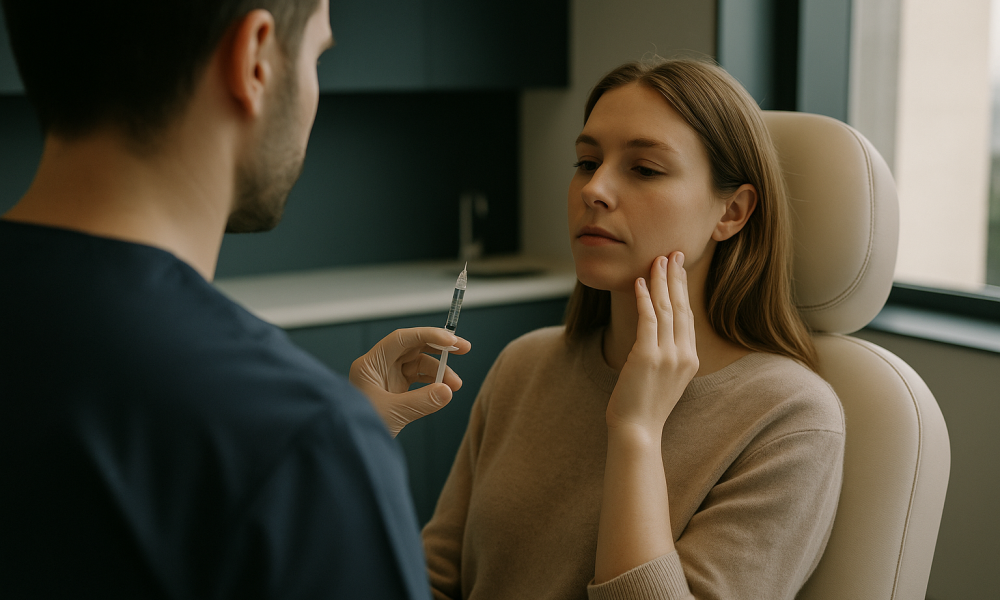
What Dermal Fillers is and who it is for
Dermal fillers are a popular non-surgical cosmetic treatment designed to restore volume, smooth out wrinkles, and enhance facial contours. These injectable substances are typically composed of hyaluronic acid, a naturally occurring substance in the skin that provides hydration and plumpness. Over time, our skin loses collagen and elasticity, leading to sagging and wrinkles. Dermal fillers offer a minimally invasive solution to address these changes, providing a rejuvenated and youthful appearance.
In Turkey, dermal fillers have become increasingly sought after by international patients, particularly from Australia. This is due to Turkey’s reputation for offering high-quality medical care at more affordable prices compared to many Western countries. The procedure is performed by skilled practitioners in accredited clinics, ensuring both safety and efficacy.
Dermal fillers can address a variety of aesthetic concerns. They are commonly used to plump thin lips, enhance shallow contours, soften facial creases, remove wrinkles, and improve the appearance of recessed scars. The results are temporary, lasting anywhere from six months to over a year, depending on the type of filler used and the area treated.
One of the key benefits of dermal fillers is their ability to provide immediate results with minimal downtime. The procedure typically takes between 30 to 60 minutes, allowing patients to return to their daily activities shortly after treatment. While some swelling or bruising may occur, these effects are usually mild and resolve quickly.
It’s important to note that while dermal fillers are generally safe, they must be administered by a qualified professional to minimise risks and ensure optimal results. Prospective patients considering dermal fillers in Turkey should research clinics thoroughly, ensuring they choose a reputable provider with a proven track record of successful outcomes.
Are you a good candidate?
Determining whether you are a good candidate for dermal fillers involves assessing several factors. While these treatments are suitable for a wide range of individuals, they are not ideal for everyone. Here is a checklist to help you evaluate your candidacy:
- Age: Most candidates are adults aged 18 and over seeking to address signs of ageing or improve facial symmetry.
- Skin Condition: Candidates should have generally healthy skin without active infections or significant scarring in the treatment area.
- Realistic Expectations: It’s crucial to have realistic expectations regarding the outcomes. Dermal fillers can enhance your appearance but won’t completely alter your facial structure.
- Non-smoker: Non-smokers tend to achieve better results, as smoking can affect the healing process and the longevity of the fillers.
- Overall Health: Good overall health is important. Individuals with severe allergies or a history of anaphylaxis may need to consider alternative treatments.
- Consultation: A thorough consultation with a qualified practitioner is essential to discuss your goals and any medical conditions that might affect the treatment.
Before proceeding with dermal fillers, candidates should discuss their medical history, any medications they are taking, and their specific aesthetic goals with their practitioner. This ensures the treatment plan is tailored to their needs and maximises the chances of achieving the desired outcome.
Ultimately, the decision to undergo dermal filler treatment should be made collaboratively with a healthcare professional, ensuring that all aspects of the procedure, including potential risks and benefits, are fully understood. By doing so, patients can make informed choices that align with their personal health and aesthetic aspirations.
The procedure, step by step
Undergoing a dermal filler treatment in Turkey involves several meticulous steps to ensure both safety and efficacy. Understanding these steps can help alleviate concerns and set realistic expectations.
- Initial Consultation: The process begins with a comprehensive consultation with a qualified practitioner. During this session, you will discuss your aesthetic goals, medical history, and any allergies or previous experiences with cosmetic procedures. This step is crucial for tailoring the treatment to your specific needs.
- Pre-Procedure Assessment: Before the procedure, the practitioner will assess your facial structure and skin condition. This assessment may include photographs for reference and detailed measurements to determine the appropriate filler type and volume. The practitioner will explain the different types of fillers available, such as hyaluronic acid-based fillers, and their respective benefits.
- Preparation: On the day of the procedure, your skin will be cleansed thoroughly to remove any impurities. A topical anaesthetic may be applied to minimise discomfort during the injections. The practitioner will mark the injection sites on your face, following the plan discussed during the consultation.
- Injection Process: The dermal filler is injected using a fine needle or cannula. The number of injections required depends on the treatment area and desired outcome. Common areas include the lips, cheeks, nasolabial folds, and under-eye areas. The procedure typically lasts between 30 and 60 minutes.
- Immediate Post-Procedure: After the injections, the practitioner may gently massage the treated areas to ensure even distribution of the filler. You may be asked to apply an ice pack to reduce swelling and bruising. The practitioner will provide immediate aftercare instructions, including what to avoid in the first 24 hours, such as strenuous exercise and exposure to excessive heat.
- Follow-Up Appointment: A follow-up appointment is usually scheduled within two weeks to assess the results and address any concerns. This visit allows the practitioner to determine if additional filler is needed for optimal results.
Each step is designed to maximise the safety and effectiveness of the treatment, ensuring that patients leave with results that meet their expectations.
Recovery timeline
Recovery after dermal filler treatment is generally swift, but understanding the expected timeline can help you plan accordingly. Here’s what to expect from day one to full recovery:
| Period | What to Expect | Care Notes |
|---|---|---|
| Day 1 | Mild swelling and redness at injection sites. Possible minor bruising. Skin may feel tender. | Apply cold compresses to reduce swelling. Avoid touching or massaging the treated areas. |
| Day 2-3 | Swelling begins to subside. Bruising may become more apparent. Some patients may experience slight asymmetry. | Continue with gentle cold compress application. Avoid strenuous activities and alcohol consumption. |
| Day 4-7 | Most swelling and bruising should significantly reduce. Initial results become more visible. | Resume normal skincare routine, but avoid exfoliants and harsh treatments. Keep hydrated. |
| Week 2 | Swelling should fully subside. Final results are typically visible. Skin texture normalises. | Attend follow-up appointment if scheduled. Discuss any concerns with your practitioner. |
| Full Recovery | By week 3-4, the filler has settled completely. Results are stable and should last several months. | Avoid facial massages unless approved by your practitioner. Maintain a healthy skincare regimen. |
Adhering to aftercare instructions is crucial for optimal results and swift recovery. If you experience any unusual symptoms, such as prolonged swelling or severe pain, contact your practitioner immediately.
What it costs: Turkey vs Australia
The cost of dermal filler treatments can vary significantly between countries, influenced by factors such as the product used, the expertise of the practitioner, and the inclusions in the treatment package. In Turkey, the prices tend to be more competitive compared to Australia, making it an attractive destination for those considering dermal fillers abroad.
Below is a comparison of indicative price ranges for dermal filler treatments in Turkey and Australia, along with typical package inclusions:
| Country | Indicative Price Range (per ml) | Typical Package Inclusions |
|---|---|---|
| Turkey | £150 – £300 | Initial consultation, treatment with board-certified practitioner, post-treatment follow-up, and basic aftercare products. |
| Australia | £350 – £600 | Initial consultation, treatment, and sometimes post-treatment follow-up. |
These indicative prices reflect the cost per millilitre of dermal filler, which is a common way to assess the cost of such treatments. It’s important to note that the total cost will depend on the number of millilitres required to achieve the desired results, which can vary from patient to patient.
Many clinics in Turkey offer comprehensive packages that include not just the treatment itself but also additional services such as airport transfers, accommodation arrangements, and translation services, which can enhance the overall travel experience for international patients. This is particularly beneficial for those travelling from Australia, offering an opportunity to combine medical treatment with leisure.
Prospective patients should ensure they understand what is included in the quoted price and verify any additional costs that might arise. It’s also prudent to consider the practitioner’s experience and the clinic’s reputation, as these factors can significantly impact the quality of care and the final results of the treatment.
Risks and how accredited providers manage them
As with any medical procedure, dermal filler treatments come with certain risks. However, understanding these risks and how accredited providers in Turkey manage them can help prospective patients make informed decisions.
Common risks associated with dermal fillers include bruising, swelling, redness, and tenderness at the injection site. These effects are typically mild and resolve within a few days. More serious complications, although rare, can include infections, allergic reactions, and filler migration. In very rare cases, vascular complications can occur, potentially leading to tissue damage.
Accredited clinics in Turkey take several measures to mitigate these risks. Firstly, they ensure that all procedures are carried out by board-certified practitioners with extensive experience in aesthetic treatments. These professionals are trained to use the latest techniques and adhere to international safety standards.
Before treatment, a comprehensive consultation is conducted to assess the patient’s medical history, discuss expectations, and outline potential risks. This is a critical step in ensuring that patients are well-informed and that any contraindications are identified early.
During the procedure, sterile techniques are employed to minimise the risk of infection. Providers use high-quality, FDA-approved dermal fillers, which have been extensively tested for safety and efficacy.
After the treatment, clinics offer detailed aftercare instructions to help manage any side effects and promote healing. Follow-up appointments are typically scheduled to monitor the patient’s progress and address any concerns promptly.
Moreover, many clinics in Turkey are accredited by international bodies, such as the Joint Commission International (JCI), which sets stringent standards for healthcare quality and safety. Accreditation ensures that the clinic’s facilities, staff qualifications, and patient care protocols meet rigorous international standards.
Patients are encouraged to verify the accreditation status of their chosen clinic and to ask detailed questions about the practitioner’s qualifications and experience. By choosing an accredited provider, patients can significantly reduce the risks associated with dermal filler treatments and achieve satisfactory outcomes.
How to choose the right provider
When considering dermal fillers in Turkey, selecting the right provider is crucial for a positive experience and satisfactory results. Start by verifying the accreditation of the clinic. Clinics should be accredited by international bodies such as the Joint Commission International (JCI) or the European Board of Plastic, Reconstructive and Aesthetic Surgery (EBOPRAS). Accreditation ensures that clinics adhere to high standards of safety and quality.
Next, assess the experience and expertise of the medical professionals. Look for practitioners who are board-certified in dermatology or plastic surgery and have a proven track record with dermal fillers. Years of experience and the number of procedures performed can be indicative of proficiency. It’s advisable to request before-and-after photos of previous patients to evaluate their work.
Aftercare is another critical aspect. A reputable clinic will offer comprehensive aftercare services, including follow-up appointments and emergency contact options. Ensure that there is a clear aftercare plan in place, tailored to your needs, which may include guidance on managing potential side effects such as swelling or bruising.
Be vigilant for red flags that may indicate substandard care. Avoid clinics that offer significantly lower prices than the typical range of £200 to £500 per syringe, as this could indicate compromised quality. Additionally, be wary of high-pressure sales tactics or promises of guaranteed results, as no medical procedure can offer such assurances.
- Verify clinic accreditation with international bodies like JCI or EBOPRAS.
- Choose practitioners with board certification and a strong track record.
- Ensure comprehensive aftercare services are provided.
- Avoid clinics with significantly lower prices or high-pressure sales tactics.
Planning your trip
Planning your trip for dermal fillers in Turkey requires careful consideration to ensure a smooth experience. Start by establishing a timeline for your travel. It’s advisable to schedule your procedure at least 4 to 6 weeks before any major events to allow ample time for recovery and for any swelling or bruising to subside.
Prepare the necessary travel documents well in advance. Australian citizens need a valid passport with at least six months of validity remaining. While a visa is not required for short stays of up to 90 days, check the latest travel advisories and entry requirements before booking your trip.
Consider the length of your stay in Turkey. For dermal filler procedures, plan to stay for at least 3 to 5 days. This duration allows time for pre-procedure consultations, the procedure itself, and initial recovery. Should any immediate follow-up be necessary, you’ll be well-positioned to receive it.
Upon returning home, arrange for follow-up care. Although dermal fillers are minimally invasive, it’s wise to schedule a post-procedure check with a local dermatologist or cosmetic practitioner in Australia. This ensures that any concerns are addressed promptly and that the results are as expected.
| Planning Aspect | Details |
|---|---|
| Timeline | Schedule procedure 4-6 weeks before major events |
| Documents | Valid passport, no visa for stays up to 90 days |
| Length of Stay | 3-5 days for procedure and initial recovery |
| Follow-Up | Arrange local follow-up care upon return |
Frequently Asked Questions
What should I consider when choosing a dermal filler provider in Turkey?
Look for clinics accredited by bodies like JCI or EBOPRAS, and ensure the practitioner is board-certified with extensive experience. Check for comprehensive aftercare services and avoid clinics with unusually low prices or pushy sales tactics.
How much do dermal fillers typically cost in Turkey?
The cost of dermal fillers in Turkey can range from approximately £200 to £500 per syringe. Prices may vary based on the type of filler used and the specific area being treated. Always confirm what is included in the quoted price.
Is it safe to get dermal fillers in Turkey?
Turkey has many internationally accredited clinics known for high safety standards. However, as with any medical procedure, it's crucial to research thoroughly, choose a reputable provider, and ensure you understand the risks involved.
How long should I stay in Turkey for dermal fillers?
Plan to stay in Turkey for at least 3 to 5 days. This timeframe allows for pre-procedure consultations, the procedure itself, and initial recovery and follow-up care if needed.
What documents do I need to travel to Turkey for dermal fillers?
Australian citizens need a valid passport with at least six months of validity remaining. A visa is not required for stays of up to 90 days, but always check current travel advisories before your trip.
How soon can I fly after getting dermal fillers?
It's generally recommended to wait at least 24 to 48 hours before flying after receiving dermal fillers to reduce the risk of swelling and bruising exacerbated by cabin pressure changes.
Can I combine my dermal filler procedure with a holiday in Turkey?
Yes, many patients combine their procedure with a holiday. Ensure you schedule enough time for recovery before engaging in strenuous activities, and follow your doctor’s guidelines on post-procedure care.
Will I need a follow-up appointment after getting dermal fillers?
It's advisable to have a follow-up appointment to assess the results and address any concerns. This can be done with your provider in Turkey before you leave or with a local practitioner in Australia.
What types of dermal fillers are available in Turkey?
Turkey offers a variety of dermal fillers, including hyaluronic acid-based fillers and others like calcium hydroxylapatite. Your provider will recommend the best type based on your aesthetic goals and medical history.
How do I manage side effects from dermal fillers?
Common side effects include swelling, bruising, and redness. These typically subside within a few days. Follow your provider's aftercare instructions, and use cold compresses to reduce swelling if recommended.
Are there any activities I should avoid after dermal fillers?
Avoid strenuous exercise, excessive sun exposure, and alcohol for at least 24 to 48 hours post-procedure. Following these guidelines helps minimise swelling and ensures optimal results.
What payment methods are accepted for dermal fillers in Turkey?
Most clinics accept major credit cards and cash. It's advisable to confirm payment methods in advance and be aware of any additional fees or exchange rate considerations.