
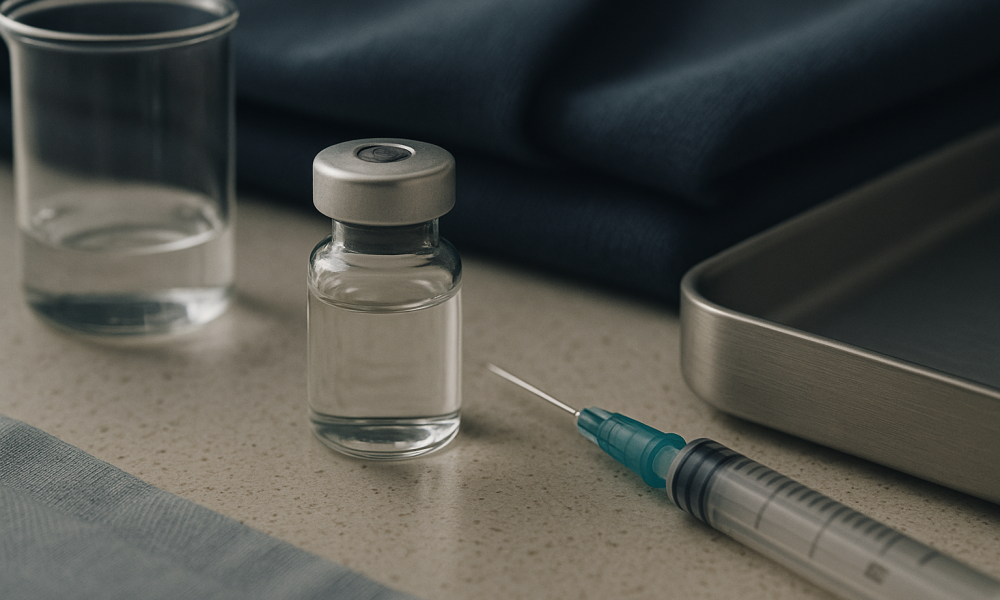
What Fat-Dissolving Injections is and who it is for
Fat-dissolving injections represent a non-surgical option aimed at reducing small, stubborn pockets of fat that are resistant to diet and exercise. This treatment involves the injection of a solution, most commonly containing deoxycholic acid, directly into the targeted fat deposits. This acid is a naturally occurring substance in the body that aids in the breakdown and absorption of dietary fat. Once injected, it disrupts the fat cell membrane, causing the cells to break down and be naturally metabolised by the body over time.
These injections are typically used to target areas such as the chin (for submental fat), thighs, abdomen, and flanks. It’s important to note that fat-dissolving injections are not a weight loss solution but rather a body contouring method designed to improve the appearance of specific areas. The procedure is minimally invasive and does not require general anaesthesia, making it an attractive option for those seeking a non-surgical alternative with minimal downtime.
Each treatment session typically lasts between 20 to 45 minutes, depending on the size and number of areas being treated. Patients may experience some swelling, bruising, or redness in the treated area, which generally resolves within a few days. Multiple sessions, spaced several weeks apart, may be necessary to achieve the desired results, with most patients undergoing two to four treatments. Results are generally visible within four to six weeks after the final session as the body continues to metabolise the disrupted fat cells.
In Turkey, the cost of fat-dissolving injections is relatively affordable compared to many Western countries, making it an attractive option for international patients. The typical cost ranges from £200 to £600 per session, depending on the treatment area and clinic.
Are you a good candidate?
Determining if you are a good candidate for fat-dissolving injections involves assessing several factors. The ideal candidate is someone looking to address small to moderate fat deposits that have not responded to traditional weight loss methods like diet and exercise. This treatment is best suited for individuals who are near their ideal body weight and are seeking body contouring rather than significant weight loss.
The suitability for this procedure also depends on the following criteria:
- Overall Health: Candidates should be in good overall health, without any serious medical conditions that could complicate recovery.
- Skin Elasticity: Good skin elasticity is important to help the skin retract smoothly after the fat is dissolved.
- Realistic Expectations: Understanding that this is not a weight loss treatment but a contouring procedure is crucial for satisfaction with the results.
- Non-smoker: Non-smokers generally experience better healing and outcomes. If you smoke, you may be advised to quit several weeks before and after the treatment.
- Stable Weight: Candidates should have a stable weight prior to undergoing treatment, as significant weight fluctuations can affect results.
- Age: While there is no specific age restriction, candidates are typically adults over 18 years old.
If you meet these criteria and are considering fat-dissolving injections, a consultation with a qualified specialist is essential. They will evaluate your specific situation, discuss potential risks, and devise a personalised treatment plan. It is important to have an open dialogue with your healthcare provider to ensure that your goals are realistic and achievable.
The procedure, step by step
Undergoing fat-dissolving injections in Turkey is a straightforward process that typically involves a series of well-coordinated steps designed to ensure safety and effectiveness. Here is a detailed step-by-step guide to what patients can expect during the procedure:
- Initial Consultation: The journey begins with an initial consultation, either virtually or in person. During this session, the medical professional will assess your suitability for the treatment, discuss your goals, and explain the procedure in detail. This is also the time to discuss any medical history or current medications that might affect the treatment.
- Pre-Procedure Assessment: Upon arrival at the clinic, a thorough assessment will be conducted. This includes measuring the areas targeted for treatment and taking photographs for before-and-after comparisons. It’s also an opportunity to address any last-minute questions or concerns.
- Preparation: The targeted area is cleansed and marked with a pen to guide the injection process. A topical anaesthetic cream may be applied to minimise discomfort during the procedure.
- Injection Process: The fat-dissolving solution, typically containing deoxycholic acid, is carefully injected into the marked areas. The number of injections and amount of solution used will vary depending on the size of the area and the thickness of the fatty tissue. This part of the procedure usually takes 15 to 30 minutes.
- Post-Injection Care: Once the injections are complete, the treated area is cleaned, and a cold compress may be applied to reduce swelling and discomfort. Patients are usually advised to avoid strenuous activities for a day or two and to follow specific aftercare instructions provided by the clinic.
- Follow-Up Appointment: A follow-up appointment is typically scheduled a few weeks after the procedure to assess the results and determine if additional sessions are needed. Most patients require multiple sessions, spaced several weeks apart, to achieve optimal results.
Throughout this process, the medical team will prioritise your comfort and safety, ensuring that all procedures adhere to international standards of care. It’s important to follow all pre- and post-procedure instructions to maximise the effectiveness of the treatment and minimise any potential side effects.
Recovery timeline
Recovering from fat-dissolving injections generally involves minimal downtime, but understanding the recovery timeline can help manage expectations and ensure a smooth healing process. Here is a detailed breakdown of what to expect:
| Period | What to expect | Care notes |
|---|---|---|
| Day 1 | Immediately after the procedure, slight redness, swelling, and tenderness in the treated area are common. Some patients may also experience a mild burning sensation. | Apply a cold compress to the area for 10-15 minutes every hour as needed to reduce swelling. Avoid touching or massaging the area. |
| Days 2-3 | Swelling and discomfort may peak during this period. Bruising could become more noticeable, and the area might feel firm to the touch. | Continue to use cold compresses as required. Avoid strenuous activities and keep the head elevated when resting to help reduce swelling. |
| Week 1 | By the end of the first week, most swelling and bruising will begin to subside. The treated area may still feel slightly firm, but tenderness should decrease. | Resume normal activities but avoid direct sunlight on the area. Use sunscreen if exposure is unavoidable. |
| Weeks 2-4 | Significant reduction in swelling and bruising. Early signs of fat reduction may become noticeable, with the area feeling softer. | Maintain a healthy diet and hydration. Gentle massages, if recommended by your doctor, can help improve circulation. |
| Full Recovery (6-8 weeks) | Full results are typically visible by this time, with the treated area appearing slimmer and more contoured. Any residual firmness or numbness should resolve. | Attend any scheduled follow-up appointments to assess results and discuss the need for additional treatments. |
It’s important to note that individual recovery experiences can vary. Adhering to post-treatment care instructions and attending follow-up appointments are crucial for achieving the best possible outcomes. If any unusual symptoms occur, such as excessive swelling or pain, contact your healthcare provider promptly.
What it costs: Turkey vs Australia
When considering fat-dissolving injections, one of the most significant factors for many patients is the cost. In Turkey, the cost of these treatments is often considerably lower than in Australia due to various factors, including lower operational costs and a competitive healthcare market. However, it is essential to understand that these figures are indicative and can vary depending on the specific clinic, the expertise of the healthcare providers, and the complexity of the treatment required.
The table below provides a comparison of typical price ranges for fat-dissolving injections in Turkey and Australia. It is important to note that these prices are indicative and can vary based on individual treatment plans, the number of sessions required, and other factors.
| Country | Indicative Price Range (AUD) | Typical Package Inclusions |
|---|---|---|
| Turkey | 1,000 – 2,500 | Initial consultation, treatment sessions, follow-up consultation, pre-treatment tests |
| Australia | 3,000 – 5,000 | Initial consultation, treatment sessions, follow-up consultation |
In Turkey, patients can often benefit from comprehensive packages that include not only the treatment itself but also additional services that enhance the overall experience. These may consist of pre-treatment assessments, post-treatment care, and sometimes even accommodation and transportation, depending on the clinic. Such packages are designed to provide a seamless experience for international patients, ensuring that all their needs are met.
In contrast, while Australian clinics may offer high-quality care, the costs are typically higher due to the country’s higher operational expenses, including labour and facility costs. Moreover, packages in Australia might not be as comprehensive, often excluding additional services like accommodation or transportation, which can add to the overall expense for patients travelling from other parts of the country or abroad.
It is crucial for prospective patients to consider these cost differences in the context of their overall budget and personal preferences. While cost is an important factor, it should be weighed alongside the quality of care, the credentials of the healthcare providers, and the overall experience offered by the clinic. Patients are encouraged to conduct thorough research and possibly consult with multiple providers to ensure they are making an informed decision that best suits their needs.
Risks and how accredited providers manage them
Fat-dissolving injections, while generally considered safe, do carry certain risks and potential side effects, as is the case with any medical treatment. It is crucial for prospective patients to understand these risks to make an informed decision. Common side effects may include swelling, bruising, redness, and tenderness at the injection site. These are typically mild and resolve on their own within a few days. However, more serious complications, although rare, can include infection, nerve damage, or uneven results.
Accredited providers in Turkey are well-equipped to manage these risks through stringent protocols and comprehensive patient care strategies. Clinics that are internationally accredited adhere to high standards of safety and quality, ensuring that the risk of complications is minimized. These providers typically follow a thorough patient assessment process before the treatment to ensure that the patient is a suitable candidate, thus reducing the likelihood of adverse effects.
During the initial consultation, healthcare professionals will discuss the patient’s medical history, any current medications, and any previous cosmetic procedures to identify potential risk factors. This step is crucial in tailoring the treatment to the individual’s needs and ensuring their safety. Furthermore, accredited providers use high-quality products that are approved by relevant health authorities, further ensuring the safety and efficacy of the treatment.
Post-treatment care is another critical aspect of risk management. Accredited clinics in Turkey provide detailed aftercare instructions to help patients manage any side effects and promote optimal healing. Patients are advised on how to care for the injection site, what activities to avoid, and when to seek medical attention if they notice signs of complications.
Moreover, follow-up consultations are often included in the treatment package, allowing healthcare providers to monitor the patient’s progress and address any concerns promptly. This ongoing support ensures that any potential issues are identified and managed early, reducing the risk of long-term complications.
Patients considering fat-dissolving injections should prioritise choosing a clinic with a strong reputation for safety and quality. It is advisable to verify the clinic’s accreditation status, review patient testimonials, and consult with the provider to discuss any concerns or questions. By taking these steps, patients can feel confident that they are receiving care that meets international standards and effectively manages any potential risks associated with the treatment.
How to choose the right provider
Choosing the right provider for fat-dissolving injections in Turkey requires careful consideration of several factors to ensure safety and efficacy. Accreditation is a critical element; look for clinics accredited by recognised international bodies such as the Joint Commission International (JCI) or the International Society for Quality in Health Care (ISQua). These accreditations indicate adherence to global standards of care and patient safety.
Surgeon experience is equally important. Research the qualifications and experience of the practitioners who will administer the injections. Ideally, they should be board-certified specialists in dermatology or plastic surgery with specific training in non-surgical cosmetic procedures. Look for providers with a minimum of five years of experience in administering fat-dissolving injections, as well as a portfolio of before-and-after photos from previous patients.
Aftercare is another crucial aspect. A reputable clinic will offer comprehensive aftercare services, including follow-up appointments to monitor progress and address any side effects or complications. Ensure that the clinic has a clear protocol for managing any adverse reactions and that they provide detailed post-procedure care instructions.
Be vigilant for red flags that might indicate substandard care. These include lack of transparency about costs, absence of accreditation, practitioners without verifiable qualifications, and clinics that make unrealistic promises about outcomes. Be wary of providers who pressurise you into making quick decisions or those who offer prices significantly lower than the typical range of £300 to £600 per session, as this might indicate compromised quality or safety.
Finally, seek testimonials and reviews from previous patients. While online reviews can be helpful, consider contacting the clinic to request references or speak to past patients directly. This can provide insights into the overall patient experience and satisfaction with the results.
Planning your trip
Proper planning is essential when travelling to Turkey for fat-dissolving injections. Start by consulting with your chosen clinic to establish a clear timeline for your treatment. It is advisable to have an initial consultation via video call at least six weeks before your intended travel date. This allows for adequate planning and ensures that you are a suitable candidate for the procedure.
Documentation is another important aspect. Ensure your passport is valid for at least six months beyond your intended stay. You may also need a visa to enter Turkey, which can typically be obtained online. It is wise to carry a copy of your medical records, including any allergies or pre-existing conditions, to provide to your healthcare provider in Turkey.
Plan for a stay of at least three to five days in Turkey to accommodate the procedure and initial recovery. The injections themselves are outpatient procedures, but you may need a day or two to rest and attend follow-up appointments. Discuss with your provider the potential need for multiple sessions, as some patients require more than one treatment to achieve desired results.
Consider the logistics of follow-up care once you return to Australia. Arrange for a local healthcare provider to oversee your recovery and address any questions or concerns post-treatment. Your Turkish clinic should provide you with a detailed report of the procedure, which you can share with your local doctor.
Finally, factor in travel insurance that covers medical procedures abroad. This can provide peace of mind in the event of complications or unexpected delays. Ensure your insurance policy covers any potential needs, including emergency medical evacuation, should it become necessary.
Frequently Asked Questions
What are the typical costs of fat-dissolving injections in Turkey?
The cost of fat-dissolving injections in Turkey typically ranges from £300 to £600 per session. This price may vary based on the clinic's location, the practitioner's expertise, and the number of sessions required. It's essential to confirm what's included in the price, such as aftercare and follow-up appointments, to avoid unexpected expenses.
How safe are fat-dissolving injections?
Fat-dissolving injections are generally safe when performed by qualified and experienced practitioners in accredited clinics. Like any medical procedure, they carry some risks, including swelling, bruising, and rare allergic reactions. Thoroughly researching your provider and ensuring they follow stringent safety protocols can help minimise these risks.
How long is the recovery period after the procedure?
Recovery from fat-dissolving injections is relatively quick, with most patients returning to normal activities within a day or two. However, some swelling or bruising can persist for up to two weeks. Following your provider's aftercare instructions can help speed up recovery and improve results.
Do I need multiple sessions for effective results?
Multiple sessions may be necessary to achieve optimal results, depending on the target area and the amount of fat to be dissolved. Typically, patients may require two to four sessions, spaced several weeks apart, to see significant improvements.
How do I ensure the clinic is reputable?
Ensure the clinic is accredited by international bodies such as JCI or ISQua. Check the practitioner's credentials and experience, and read reviews from previous patients. Transparency about costs and realistic expectations about outcomes are also indicators of a reputable clinic.
What should I pack for my trip to Turkey?
Pack comfortable clothing, any prescribed medications, and your medical records. Include travel documents such as your passport and visa. Consider bringing items for relaxation, like books or entertainment devices, for downtime during your recovery.
What are the potential side effects of fat-dissolving injections?
Common side effects include swelling, redness, bruising, and tenderness at the injection site. These typically subside within a few days to weeks. Rarely, patients may experience more serious side effects, which should be promptly addressed by a healthcare professional.
Can I combine fat-dissolving injections with other treatments?
It is possible to combine fat-dissolving injections with other non-surgical treatments, such as dermal fillers or skin tightening procedures. However, this should be discussed with your provider, who can advise on the safest and most effective treatment plan tailored to your needs.
Will my insurance cover the procedure?
Most health insurance plans do not cover elective cosmetic procedures like fat-dissolving injections. It's advisable to check with your insurance provider for specific policy details. Consider purchasing travel insurance that includes coverage for medical procedures abroad.
How soon can I see results after the injections?
Results from fat-dissolving injections typically become visible within four to six weeks after treatment, as the body gradually breaks down and eliminates the dissolved fat cells. Full results may take several months and additional sessions to achieve.
What follow-up care is required after returning home?
Follow-up care includes monitoring the treated area for any adverse reactions and attending any scheduled follow-up appointments with your local healthcare provider. Your Turkish clinic should provide you with a detailed report of the procedure for your local doctor's reference.
What if I experience complications after returning to Australia?
If complications arise after returning to Australia, contact your local healthcare provider immediately. It is also advisable to inform the clinic in Turkey, as they may offer guidance on managing the situation. Having comprehensive travel insurance can help cover potential medical costs.