
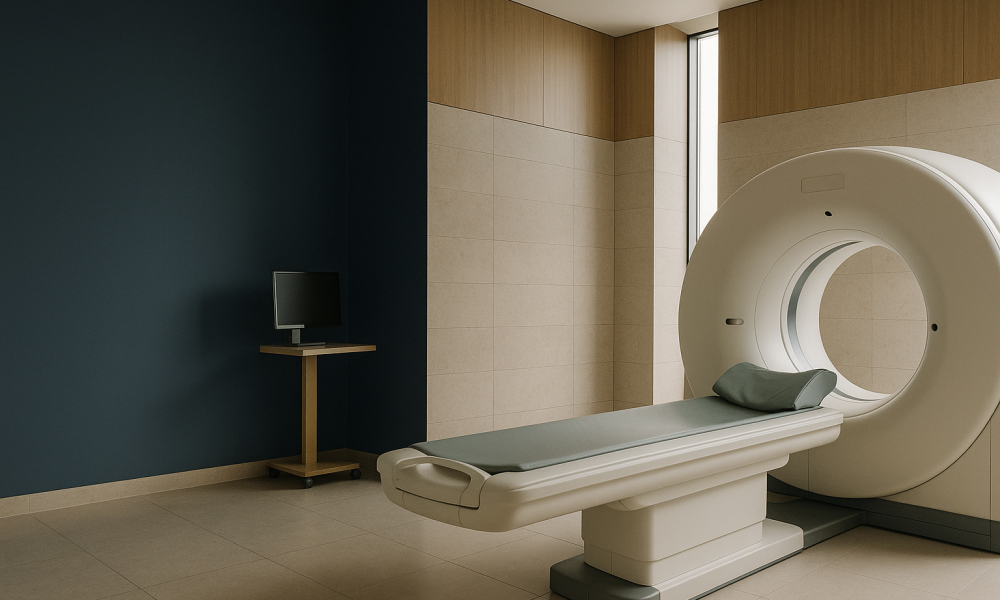
What Full Body Check-Up is and who it is for
A full body check-up in Turkey is a comprehensive health assessment designed to evaluate your overall health status. It typically includes a series of diagnostic tests and screenings aimed at identifying potential health issues before they become significant problems. This proactive approach to healthcare is especially beneficial for individuals who may not have regular access to medical services or those who prefer a thorough evaluation of their health.
The full body check-up usually encompasses a variety of tests, including blood tests, imaging studies such as X-rays or ultrasounds, and functional tests like electrocardiograms (ECGs) or pulmonary function tests. Additional assessments might be tailored to the individual’s age, gender, and specific health concerns, ensuring a personalised approach to health monitoring. For instance, women may receive mammograms or pelvic exams, while men might undergo prostate screenings.
In Turkey, the full body check-up is particularly appealing due to the country’s modern medical facilities, highly trained healthcare professionals, and competitive pricing. Many healthcare centres in Turkey are accredited by international organisations, ensuring that they meet global standards of care. This makes Turkey an attractive destination for medical tourism, especially for European patients seeking high-quality healthcare services at more affordable costs compared to their home countries.
The check-up can be an excellent option for those who lead busy lifestyles and may neglect regular health screenings. It provides a comprehensive overview of one’s health in a single visit, which can be crucial for early detection of diseases. Early diagnosis often leads to better treatment outcomes, as it allows for timely intervention. Furthermore, the results from these check-ups can offer peace of mind, reducing anxiety about potential health issues.
Overall, a full body check-up in Turkey is suitable for anyone looking to gain a thorough understanding of their health status. It is particularly recommended for individuals over the age of 40, those with a family history of chronic diseases, or anyone experiencing unexplained symptoms that require further investigation.
Are you a good candidate?
Determining if you are a good candidate for a full body check-up in Turkey involves assessing your personal health needs and circumstances. This type of check-up is generally recommended for individuals who wish to take a proactive approach to their health. However, specific criteria can help you decide if this is the right option for you.
- Age: Individuals over the age of 40 are often encouraged to undergo regular check-ups, as the risk for many health conditions increases with age.
- Family History: If you have a family history of chronic diseases such as heart disease, diabetes, or cancer, regular screenings can be crucial for early detection and prevention.
- Lifestyle Factors: Those who lead a sedentary lifestyle, are smokers, or consume alcohol frequently may benefit from a comprehensive health assessment to identify early signs of lifestyle-related diseases.
- Unexplained Symptoms: If you are experiencing symptoms such as fatigue, unexplained weight loss, or persistent pain, a full body check-up can help identify any underlying health issues.
- Peace of Mind: If you seek reassurance about your health status, a check-up can provide valuable insights and peace of mind, helping you manage potential health risks effectively.
- Travel Convenience: For European patients, Turkey offers geographical proximity, making travel simpler and more cost-effective compared to other medical tourism destinations.
Before scheduling a full body check-up, it is advisable to consult with a healthcare provider to discuss your health concerns and any specific tests that may be necessary for your situation. This pre-consultation can ensure that the check-up is tailored to your individual needs, maximising its benefits.
It’s important to note that while a full body check-up can provide a comprehensive overview of your health, it is not a substitute for regular medical care. Ongoing health management should include routine visits to your primary care physician and adherence to any medical advice or treatments prescribed. By integrating these practices, you can maintain a proactive approach to your health, optimising your well-being in the long term.
The procedure, step by step
Embarking on a full body check-up in Turkey involves a series of well-coordinated steps designed to ensure comprehensive health evaluation. Below is a detailed step-by-step guide of what patients can expect during the procedure:
- Initial Consultation: Upon arrival, patients meet with a general practitioner or a healthcare coordinator to discuss their medical history, current health concerns, and expectations from the check-up. This session is crucial for tailoring the examination to the individual’s needs.
- Basic Vital Signs Measurement: The first set of tests usually includes measuring vital signs such as blood pressure, heart rate, temperature, and respiratory rate. These basic indicators provide a snapshot of the patient’s immediate health status.
- Laboratory Tests: Blood and urine samples are collected for a comprehensive panel of tests. Typical blood tests include a complete blood count (CBC), lipid profile, liver function tests, kidney function tests, blood sugar levels, and thyroid function tests. Urine analysis is conducted to check for infections or abnormalities.
- Imaging Studies: Depending on the initial findings, imaging tests such as X-rays, ultrasounds, CT scans, or MRIs may be conducted. These provide detailed insights into the condition of internal organs and structures, helping to identify any potential issues.
- Specialist Consultations: If the initial tests indicate specific concerns, consultations with specialists such as cardiologists, endocrinologists, or gastroenterologists may be scheduled. These experts provide deeper insights into specific health issues and recommend further investigations if necessary.
- Functional Assessments: Some check-ups include assessments of lung function, cardiac stress tests, or neurological evaluations, depending on the patient’s age, medical history, and risk factors.
- Final Review and Recommendations: After all tests and consultations, patients meet with their healthcare coordinator for a final review. This session involves a detailed discussion of the findings, potential concerns, and recommendations for lifestyle changes or further treatment. Patients receive a comprehensive report summarising all test results and consultations.
The entire process typically spans one to three days, depending on the complexity of the tests and the availability of specialists. Patients should allocate sufficient time to ensure all aspects of the check-up are thoroughly addressed.
Recovery timeline
After completing a full body check-up, patients generally experience a recovery timeline that involves understanding their results and following up on any findings. The table below outlines what to expect during the recovery period:
| Period | What to expect | Care notes |
|---|---|---|
| Day 1 | Patients may feel fatigued from multiple tests, especially if fasting was required for blood tests. Some might experience minor discomfort from procedures like blood draws or imaging tests. | Rest and hydrate well. Resume normal diet unless advised otherwise. Monitor for any unusual symptoms and report them to your healthcare provider if necessary. |
| Day 2-3 | Results begin to be processed, and patients may start receiving initial test outcomes. Feeling anxious about results is common during this period. | Engage in stress-reducing activities such as light exercise or meditation. Keep communication open with healthcare providers to clarify any concerns. |
| Week 1 | A comprehensive report is usually available by this time. Patients have a follow-up consultation to discuss findings and recommendations. | Prepare questions for your healthcare provider. Consider lifestyle adjustments or further tests as recommended. |
| Week 2-4 | Patients begin implementing recommended lifestyle changes or treatments. Some may need additional tests or specialist consultations based on initial findings. | Follow the care plan diligently. Schedule any necessary follow-up tests or appointments. Maintain open communication with healthcare providers. |
| Full Recovery | Patients who required further interventions or lifestyle changes may see improvements in health markers. Regular monitoring might be advised. | Continue with recommended lifestyle changes and attend regular check-ups as advised. Stay informed about personal health indicators. |
This timeline ensures that patients not only receive a thorough evaluation of their health but also understand the necessary steps to maintain or improve their well-being post-check-up.
What it costs: Turkey vs Europe
When considering a full body check-up, cost is a significant factor for many patients. Turkey has emerged as a competitive destination for medical tourists, offering high-quality healthcare services at more affordable prices compared to many European countries. The cost of a full body check-up in Turkey typically ranges from €300 to €600, depending on the package chosen and the healthcare provider. In contrast, the same service in Europe can range from €800 to €2,000.
The following table provides a comparison of indicative price ranges and typical inclusions for full body check-up packages in Turkey and Europe:
| Service | Turkey (Indicative Range) | Europe (Indicative Range) | Typical Inclusions |
|---|---|---|---|
| Basic Check-Up | €300 – €400 | €800 – €1,200 | Consultation, blood tests, basic imaging |
| Comprehensive Check-Up | €400 – €600 | €1,200 – €2,000 | Consultation, extensive blood panels, advanced imaging, cardiovascular assessments |
It is important to note that these figures are indicative and actual costs can vary based on the specific tests included, the technology used, and the reputation of the healthcare facility. Packages in Turkey often include additional services such as transportation, accommodation arrangements, and a dedicated patient coordinator, which can add significant value to the overall experience.
In contrast, European healthcare systems, while known for their quality, often involve higher costs due to the higher living expenses and operational costs in these countries. Additionally, the waiting times for such comprehensive check-ups can be longer in Europe, whereas Turkish facilities often provide quicker access to services.
Patients considering a full body check-up in Turkey should carefully compare packages and inclusions, ensuring that they understand what is covered and any potential additional costs. Engaging with a reputable medical tourism facilitator can help navigate these options effectively.
Risks and how accredited providers manage them
Undergoing a full body check-up, while generally safe, does involve some risks, particularly related to diagnostic procedures and the interpretation of results. In Turkey, accredited healthcare providers take these risks seriously and implement several strategies to manage them effectively.
Firstly, the risk of misdiagnosis or incorrect interpretation of test results is mitigated by employing highly trained medical professionals and specialists who are often educated and trained internationally. Many Turkish hospitals and clinics hold international accreditations, such as from the Joint Commission International (JCI), which ensures adherence to high standards of care and rigorous protocols.
- Accreditation and Standards: Facilities that are JCI-accredited follow stringent guidelines for patient safety, infection control, and quality assurance. This accreditation serves as a benchmark of reliability and competence.
- Comprehensive Pre-assessment: Before any tests, patients undergo a thorough pre-assessment to identify any existing conditions or concerns that could affect test outcomes or pose additional risks.
- State-of-the-Art Technology: The use of modern, well-maintained diagnostic equipment reduces the risk of errors and increases the accuracy of results. Regular maintenance and calibration of these machines are mandated by accreditation bodies.
- Continuous Education and Training: Medical staff regularly participate in continuing education and training programs to stay updated on the latest medical practices and innovations.
Despite these precautions, there are inherent risks in medical evaluations, such as allergic reactions to contrast materials used in imaging tests or discomfort from invasive procedures. Accredited providers manage these by having emergency protocols in place and ensuring that all procedures are supervised by experienced professionals.
Moreover, Turkish healthcare providers often offer comprehensive aftercare services, where patients can discuss their results with a specialist who can provide clarity and guidance on any necessary follow-up actions. This proactive approach helps in early detection of potential issues and ensures that patients receive timely and appropriate care.
While no medical procedure is entirely devoid of risk, the measures taken by accredited providers in Turkey significantly reduce these risks, providing a safe and effective environment for international patients seeking full body check-ups.
How to choose the right provider
When selecting a healthcare provider for a full body check-up in Turkey, it’s crucial to ensure that the facility is properly accredited and that the medical professionals are highly qualified. Accreditation from reputable organisations, such as the Joint Commission International (JCI), is a strong indicator of quality. JCI accreditation ensures that the clinic adheres to international healthcare standards. Additionally, checking if the clinic is licensed by the Turkish Ministry of Health can provide assurance of compliance with national regulations.
Surgeon and Doctor Experience is another vital factor. Look for providers where doctors have extensive experience in preventive medicine and diagnostic procedures. It’s beneficial if the doctors are board-certified in their respective fields. Consider asking about the number of years they have been practising and their specific expertise in health screenings. Reviews and testimonials can also offer insights into patient satisfaction and the quality of care provided.
Aftercare is an essential component of the check-up process. Ensure that the provider offers comprehensive aftercare services, including detailed explanations of test results and recommendations for follow-up care. Some clinics provide telemedicine consultations, which can be particularly beneficial for international patients needing advice once they return home.
Red Flags to watch out for include lack of transparency in pricing or procedures, limited communication options, and pressure to undergo unnecessary tests. Be wary of providers that do not offer clear information about what is included in the check-up package or try to upsell additional services without clear justification. It’s advisable to avoid clinics with consistently poor reviews or those that cannot provide verifiable credentials for their staff.
Planning your trip
Planning your trip for a full body check-up in Turkey involves several key steps to ensure a smooth and successful experience. Start by creating a timeline that begins at least three months prior to your intended travel date. This allows ample time for researching potential providers, arranging consultations, and securing necessary documents.
Ensure your documents are in order, including a valid passport with at least six months of validity remaining. Some countries require a visa to enter Turkey, so check the requirements and apply well in advance. Gather medical documents such as previous health records and any relevant medical history to provide to your healthcare provider in Turkey.
The typical length of stay for a full body check-up can vary. Generally, plan for a stay of at least 3-5 days to accommodate the check-up and any initial consultations or follow-up appointments. This duration allows time for any unforeseen delays and ensures you have adequate rest before returning home.
In terms of follow-up care at home, it’s important to discuss this with your chosen provider in Turkey before you travel. Some clinics offer telemedicine follow-up appointments to review test results and discuss any necessary lifestyle changes or treatments. Ensure you have all necessary contact information and understand how to access these services once you return.
Finally, consider travel insurance that covers medical care abroad, as this can provide peace of mind in case of unexpected events. It’s also wise to plan for transport and accommodation, with some clinics offering packages that include these services to simplify logistics.
Frequently Asked Questions
What is the typical cost of a full body check-up in Turkey?
The cost of a full body check-up in Turkey typically ranges from €300 to €800. This range can vary depending on the specific tests included in the package and the facility's location and reputation. It's important to confirm exactly what is covered in the price to avoid unexpected expenses.
How do I know if a clinic is safe?
Safety can be gauged by checking if the clinic is accredited by organisations like the Joint Commission International (JCI) and licensed by the Turkish Ministry of Health. Additionally, reading reviews from past patients and verifying the qualifications and experience of the medical staff can provide further assurance of safety standards.
Do I need a visa to travel to Turkey for a medical check-up?
Visa requirements depend on your nationality. Citizens of the European Union do not require a visa for short stays, but it is advisable to check the latest regulations on the Turkish government's official website or consult with the Turkish consulate in your country before travelling.
How long should I plan to stay in Turkey for the check-up?
Plan to stay in Turkey for at least 3-5 days. This duration allows time for the full body check-up, initial consultations, and any necessary follow-up appointments. It also provides a buffer for any unforeseen delays or additional tests that might be required.
What should I bring with me for the check-up?
Bring your passport, any required visa, and medical records such as previous health examinations, test results, and a list of current medications. It’s also a good idea to have a detailed medical history summary to provide to your healthcare provider to ensure comprehensive care.
Is travel insurance necessary for medical tourism in Turkey?
While not mandatory, travel insurance is highly recommended for medical tourism in Turkey. It can offer coverage for unexpected medical costs, trip cancellations, or other travel-related issues, providing you with peace of mind during your trip.
What follow-up care is available after my check-up?
Many clinics offer follow-up care through telemedicine services, allowing you to discuss your test results and any necessary lifestyle changes or treatments with your healthcare provider once you return home. Confirm these options with your clinic before your trip.
Will language be a barrier during my medical check-up?
Most clinics that cater to international patients in Turkey have English-speaking staff. However, it’s advisable to confirm this beforehand or consider hiring a medical interpreter if you are concerned about language barriers during your visit.
How do I schedule my full body check-up in Turkey?
You can schedule your check-up by contacting the clinic directly via their website or customer service line. Many clinics offer online booking systems and can provide preliminary consultations via video calls to discuss your needs and expectations.
What is the best time of year to travel to Turkey for a check-up?
The best time to travel depends on your personal preferences and schedule. However, spring (April to June) and autumn (September to November) are generally considered ideal due to milder weather and fewer tourists, which can make travel and accommodation arrangements easier.
Can I combine my check-up with a holiday in Turkey?
Yes, many patients choose to combine their medical check-up with a holiday. Turkey offers a rich cultural experience with historical sites, beautiful landscapes, and vibrant cities. Just ensure that your travel plans allow for adequate rest and recovery time before any sightseeing activities.
Are there any hidden costs I should be aware of?
To avoid hidden costs, confirm with your provider what is included in the check-up package. Ask about any additional fees for tests, consultations, or aftercare services. Transparent pricing and clear communication from the clinic are key to avoiding unexpected expenses.