
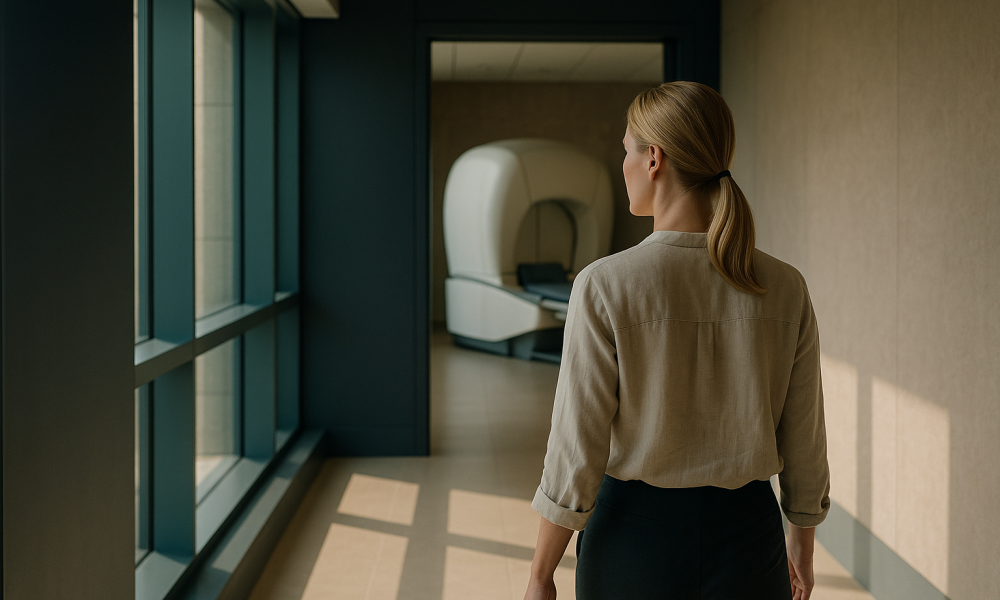
What Gamma Knife Treatment is and who it is for
Gamma Knife treatment, despite its name, is a non-invasive surgical procedure that utilises focused beams of gamma radiation to treat various brain conditions. It is particularly effective for small to medium-sized brain tumours, vascular malformations, and certain neurological conditions such as trigeminal neuralgia. The technique involves directing approximately 192 individual beams of radiation to converge precisely at a single point, maximising the dose to the target while sparing surrounding healthy tissue.
This type of radiosurgery is highly precise due to the use of advanced imaging techniques, including MRI and CT scans, which help in mapping the exact location of the lesion. Patients undergoing Gamma Knife treatment typically do not require general anaesthesia; instead, local anaesthesia and mild sedation are used to ensure comfort during the procedure. The treatment is usually completed in one session lasting between one to four hours, depending on the complexity and size of the area being treated.
Gamma Knife radiosurgery is particularly suitable for patients with conditions that are not amenable to traditional surgery due to the location or nature of the lesion. For instance, it is often used for lesions located near critical brain structures where conventional surgery poses significant risks. Additionally, it is an option for patients who are not good candidates for open surgery due to other medical conditions or advanced age.
In Turkey, the cost of Gamma Knife treatment is significantly lower than in many Western countries, making it an attractive option for international patients. The typical cost range is between £5,000 and £8,000, which includes the procedure and associated medical care. However, patients should ensure they account for travel, accommodation, and any additional consultations or follow-up care when planning their treatment journey.
Are you a good candidate?
Determining whether you are a suitable candidate for Gamma Knife treatment involves several factors that your medical team will evaluate. The decision is typically made in consultation with a multidisciplinary team, including neurosurgeons, radiation oncologists, and neurologists, who will review your medical history, imaging studies, and overall health status.
Here is a checklist to help you understand if you may be a good candidate for Gamma Knife radiosurgery:
- Diagnosis: You have a confirmed diagnosis of a condition treatable with Gamma Knife, such as a small to medium-sized brain tumour, arteriovenous malformation, or trigeminal neuralgia.
- Lesion Size: The lesion is small to medium in size, typically less than 3 cm in diameter, which is ideal for precise targeting.
- Location: The lesion is located in or near critical areas of the brain where traditional surgery would be risky.
- Previous Treatments: You have undergone previous treatments, such as surgery or conventional radiation, with limited success or recurrence.
- Overall Health: You are in relatively good health, with no significant contraindications for the procedure, such as severe bleeding disorders or active infections.
- Age: There is no strict age limit, but older patients or those with comorbidities may particularly benefit from this less invasive option.
- Patient Preference: You prefer a non-invasive treatment option with minimal recovery time compared to traditional surgery.
It is important to discuss your specific condition with your healthcare provider to determine the appropriateness of Gamma Knife treatment for your situation. They will conduct a thorough evaluation, including reviewing your imaging studies and medical history, to ensure the best possible outcome.
The procedure, step by step
Gamma Knife radiosurgery is a precise form of therapeutic radiology, often used to treat brain tumours, arteriovenous malformations, and other abnormalities in the brain. Unlike traditional surgery, it does not involve an actual incision. Here’s a detailed step-by-step guide to what you can expect during the procedure:
- Preparation: Upon arrival at the clinic, a team of specialists, including a neurosurgeon, radiation oncologist, and medical physicist, will review your medical records. You’ll be asked to change into a hospital gown. A light breakfast is often permitted, but you should follow specific instructions from your medical team regarding fasting.
- Frame Placement: To ensure precision, a lightweight stereotactic frame is attached to your head using four pins. This frame acts as a reference point for the gamma rays. Local anaesthesia is administered at the pin sites to minimise discomfort.
- Imaging: Once the frame is secured, you will undergo imaging tests such as an MRI, CT scan, or angiography. These images help in mapping the exact location of the treatment area.
- Treatment Planning: The medical team uses the imaging results to develop a customised treatment plan. Advanced computer software helps in calculating the precise dose of radiation required, targeting the abnormal tissue while sparing healthy surrounding tissue.
- Positioning: You will lie on a treatment table with your head frame secured to the Gamma Knife machine. The table will then be moved into the treatment area, where you will remain still throughout the session.
- Radiation Delivery: Depending on the complexity of the case, the treatment can last from a few minutes to over an hour. You will not feel the radiation, and a two-way communication system allows you to speak with the medical team at any time.
- Completion: Once the treatment is complete, the table will return to its original position, and the frame will be gently removed. The entire process, from preparation to completion, typically takes between three to six hours.
Gamma Knife treatment is generally performed as an outpatient procedure, meaning you can return home the same day.
Recovery timeline
Recovering from Gamma Knife radiosurgery varies from patient to patient, with most experiencing minimal discomfort. Below is a typical recovery timeline, outlining what you might expect from the day of treatment to full recovery.
| Period | What to expect | Care notes |
|---|---|---|
| Day 1 | Most patients feel tired and may experience mild headaches. Some swelling or tenderness at the pin sites is common. | Rest is recommended. Over-the-counter pain relief can be used for headaches. Keep pin sites clean and dry. |
| Day 2-3 | Fatigue may persist. Mild nausea or dizziness can occur. Pin site discomfort usually decreases. | Continue to rest as needed. Avoid strenuous activities. Follow specific instructions for pin site care. |
| Week 1 | Energy levels typically improve. Some patients may experience mild swelling or a sensation of pressure in the head. | Gradually resume normal activities. Keep hydrated and maintain a balanced diet. Consult your doctor if swelling persists. |
| Weeks 2-4 | Most side effects subside. Some patients may still experience episodic headaches or fatigue. | Regular follow-up appointments are essential. Report any unusual symptoms to your healthcare provider. |
| Full recovery (up to 6 months) | Long-term effects are generally rare, but continued monitoring of the treated area is necessary. Any neurological improvement or symptom relief may be gradual. | Adhere to scheduled check-ups and imaging as recommended. Discuss any concerns with your healthcare team. |
It is important to maintain regular communication with your healthcare providers throughout the recovery period to ensure any concerns are promptly addressed.
What it costs: Turkey vs Canada
When considering Gamma Knife treatment, cost is a significant factor for many patients. In Turkey, the cost of Gamma Knife radiosurgery is typically more affordable compared to Canada, making it an attractive option for those seeking high-quality medical care at a reduced price.
Below is a table comparing indicative price ranges for Gamma Knife treatment in Turkey and Canada. Please note that these figures are indicative and actual costs may vary based on individual circumstances, the specific facility, and the complexity of the case.
| Country | Indicative Price Range (GBP) | Typical Package Inclusions |
|---|---|---|
| Turkey | £4,000 – £7,000 | Consultations, pre-treatment imaging, radiosurgery, post-treatment follow-up, accommodation, and local transfers. |
| Canada | £10,000 – £15,000 | Consultations, pre-treatment imaging, radiosurgery, post-treatment follow-up. |
In Turkey, the cost of Gamma Knife treatment tends to be lower due to the overall lower cost of living and operational expenses. Additionally, many Turkish healthcare facilities offer comprehensive packages that include not only the medical procedure but also accommodation, transportation, and sometimes even meals, which can significantly reduce the overall cost of the trip.
In contrast, the cost in Canada is generally higher, partly due to higher operational costs and the healthcare funding structure. While Canadian healthcare offers certain treatments covered by insurance, for non-residents or specific cases, the costs can be substantial.
For international patients, Turkey provides a seamless integration of medical care and hospitality services, often guiding patients through the process from arrival to departure. This integrated approach not only helps in managing costs but also ensures a more comfortable and less stressful experience for patients and their families.
Risks and how accredited providers manage them
Gamma Knife radiosurgery, like any medical treatment, involves certain risks. However, it is generally considered a safe and effective option for treating various brain conditions, such as tumours, vascular malformations, and functional disorders. Accredited providers in Turkey are well-equipped to manage these risks effectively, ensuring patient safety and optimal outcomes.
Common risks associated with Gamma Knife treatment include swelling of the brain, radiation-induced changes, and, in rare cases, damage to surrounding healthy tissue. Some patients may experience side effects such as headaches, nausea, or fatigue shortly after the procedure, but these are typically temporary.
Accredited healthcare providers in Turkey adhere to international safety standards and employ a range of strategies to minimise these risks:
- Pre-treatment Evaluation: Comprehensive assessments are conducted to determine the suitability of patients for Gamma Knife treatment. This involves detailed imaging studies and consultations with a multidisciplinary team of specialists.
- Precision Technology: The Gamma Knife system itself is designed to deliver highly precise radiation beams, targeting only the affected area while sparing surrounding healthy tissue. This precision reduces the likelihood of unwanted side effects.
- Experienced Medical Teams: Accredited centres in Turkey boast experienced neurosurgeons and radiation oncologists who specialise in radiosurgery. Their expertise ensures meticulous planning and execution of each procedure.
- Post-treatment Monitoring: Patients are closely monitored after the procedure to detect any immediate or delayed side effects. Follow-up appointments are scheduled to assess the treatment’s effectiveness and manage any arising issues.
- Patient Education: Providers in Turkey place a strong emphasis on patient education, ensuring that patients understand the procedure, its potential risks, and the signs of complications. This empowers patients to seek timely assistance if needed.
Choosing an accredited provider is crucial for ensuring that these risk management strategies are in place. Accreditation by international bodies, such as the Joint Commission International (JCI), is a testament to a facility’s commitment to maintaining high safety and quality standards.
While no medical procedure is without risk, the structured approach to risk management by Turkish healthcare providers ensures that Gamma Knife radiosurgery is performed with the utmost care and attention to patient safety.
How to choose the right provider
When considering Gamma Knife treatment in Turkey, selecting the right provider is crucial for ensuring a high standard of care and optimal outcomes. Here are key factors to guide your decision:
- Accreditation: Look for hospitals or clinics accredited by reputable international healthcare accreditation organisations such as the Joint Commission International (JCI) or the International Organization for Standardization (ISO). These accreditations ensure that the facility adheres to international standards of patient care, safety, and quality management.
- Surgeon Experience: The expertise of the neurosurgeon is paramount. Investigate the surgeon’s qualifications, years of experience specifically with Gamma Knife procedures, and their track record of success. A surgeon who has performed hundreds of Gamma Knife treatments is more likely to have encountered and managed a wide range of cases.
- Aftercare Services: Comprehensive aftercare is essential for recovery. Ensure the provider offers detailed follow-up care plans, including regular check-ups, access to rehabilitation services if needed, and a clear communication channel for any post-treatment queries. Some providers may offer telemedicine consultations to assist with follow-up care once you return home.
- Red Flags: Be cautious of providers who guarantee specific outcomes or offer significantly lower prices without transparency. Such claims can be misleading and may indicate compromised quality of care. Additionally, avoid clinics that are not transparent about their accreditation status, the qualifications of their medical staff, or those that do not provide a clear breakdown of costs involved.
Ultimately, ensuring that the provider meets these criteria will help in making an informed decision, prioritising both safety and quality of care.
Planning your trip
Planning a trip for Gamma Knife treatment in Turkey involves several logistical and medical considerations. Here’s a comprehensive guide to ensure a smooth journey:
- Timeline Before Travel: Begin preparations at least 2-3 months before your intended treatment date. This allows ample time for consultations, obtaining medical records, and securing travel arrangements.
- Documents Required: You will need to gather all relevant medical records, including imaging studies (MRI, CT scans) and reports from your Canadian healthcare providers. Additionally, ensure your passport is valid for at least six months from your date of entry into Turkey. A visa may be required, depending on the length of stay, which can often be handled online through the Turkish government’s e-Visa portal.
- Length of Stay: The typical stay for Gamma Knife treatment can range from 5 to 10 days. This includes pre-treatment consultations, the procedure itself, and initial post-procedure monitoring. Discuss with your healthcare provider to tailor the duration based on your specific needs and medical condition.
- Follow-up at Home: Arrange for follow-up care with your local healthcare provider in Canada. This may include regular scans and consultations to monitor the treatment’s effectiveness and manage any side effects. Ensure your Turkish provider provides comprehensive documentation of the procedure and recommendations for ongoing care.
Advance planning will help in navigating the complexities of international travel for medical treatment, ensuring a focus on your health and recovery.
Frequently Asked Questions
What is the typical cost range for Gamma Knife treatment in Turkey?
The cost of Gamma Knife treatment in Turkey typically ranges from USD 6,000 to USD 10,000. This includes the procedure itself, initial consultations, and some follow-up care. However, costs can vary based on the specific clinic, the complexity of the treatment, and any additional services required. Always request a detailed cost breakdown before proceeding.
Are there any risks associated with Gamma Knife treatment?
Gamma Knife treatment is generally considered safe, but like all medical procedures, it carries some risks. Potential side effects include swelling, temporary hair loss at the treatment site, and in rare cases, radiation-induced complications. It is crucial to discuss these risks with your neurosurgeon to fully understand the potential outcomes and side effects.
How do I verify the accreditation of a Turkish hospital?
You can verify a hospital's accreditation by checking for certifications from recognised bodies like the Joint Commission International (JCI) or the International Organization for Standardization (ISO). These organisations provide directories on their websites where you can search for accredited facilities by country.
What qualifications should the neurosurgeon have?
The neurosurgeon should have a medical degree with specialisation in neurosurgery, certification from relevant medical boards, and extensive experience in performing Gamma Knife procedures. It is beneficial if they have international training or affiliations with global neurosurgical societies.
How long should I plan to stay in Turkey for the treatment?
The typical duration of stay for Gamma Knife treatment is between 5 to 10 days. This period covers pre-treatment assessments, the procedure itself, and immediate post-treatment observation. Your specific medical condition may require adjustments to this timeline, so consult your healthcare provider for a personalised plan.
What follow-up care is needed after returning to Canada?
After returning to Canada, follow-up care will involve regular check-ups with your local healthcare provider, including imaging studies to monitor the treatment’s effectiveness. Ensure you have all the necessary documentation from your treatment in Turkey to facilitate ongoing care.
Can I communicate with the Turkish medical team after returning home?
Yes, most reputable clinics offer post-treatment communication options, such as telemedicine consultations, to address any concerns and to ensure continuity of care. Confirm this service is available before your treatment to maintain a seamless follow-up process.
What should I pack for my trip to Turkey?
Pack comfortable clothing suitable for the hospital environment, all necessary medical documents, a list of medications, and any personal items that will help make your stay more comfortable. It's also wise to include travel insurance details and a list of emergency contacts.
Do I need a visa to travel from Canada to Turkey for treatment?
Canadian citizens typically need a visa to enter Turkey, which can often be obtained through the Turkish government’s e-Visa portal. Ensure your passport is valid for at least six months beyond your planned entry date. Check the latest visa requirements as they can change.
What language is spoken in Turkish hospitals?
While Turkish is the official language, many hospitals that cater to international patients have English-speaking staff and provide interpretation services. It is advisable to confirm the availability of these services prior to your visit to ensure effective communication.
Are there any cultural considerations I should be aware of?
It is respectful to familiarise yourself with Turkish customs and etiquette. Dress modestly, especially when visiting religious sites, and be aware of local practices such as greetings and dining etiquette. Understanding these cultural nuances can enhance your experience.
How do I handle unexpected costs during my treatment?
To manage unexpected costs, have a financial buffer above the quoted treatment costs. Discuss with the clinic about potential additional expenses such as extended hospital stays or unforeseen medical needs. Travel insurance may also cover some unexpected costs.