
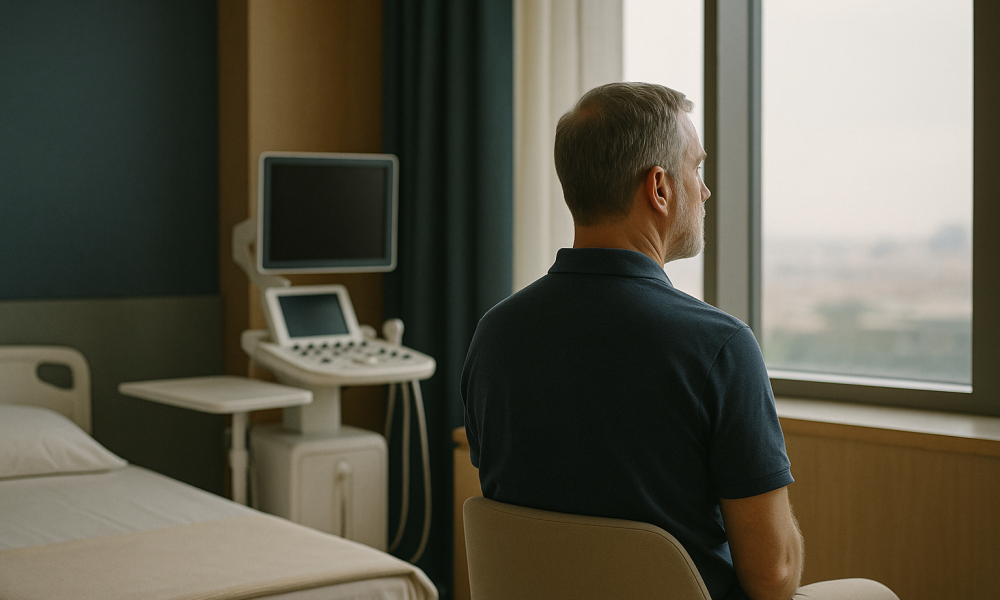
What HoLEP Prostate Surgery is and who it is for
Holmium Laser Enucleation of the Prostate (HoLEP) is a minimally invasive surgical technique designed to treat benign prostatic hyperplasia (BPH), a common condition in which the prostate gland enlarges and causes urinary problems. HoLEP is particularly beneficial for men with significantly enlarged prostates. The procedure involves using a high-powered laser to remove obstructive prostate tissue, which is then flushed out of the bladder. This technique is noted for its precision and effectiveness, offering a lasting solution for BPH symptoms.
HoLEP is especially advantageous because it can be performed on prostates of any size and is suitable for patients who may not be ideal candidates for traditional surgical methods due to medical comorbidities. The procedure typically takes between 60 to 120 minutes, depending on the size of the prostate. It is performed under general anaesthesia to ensure patient comfort. One of the key benefits of HoLEP is its ability to provide immediate relief of urinary symptoms, with a reduced risk of bleeding compared to traditional surgery, making it a safer option for patients on blood-thinning medication.
In Turkey, HoLEP is offered by experienced urologists in state-of-the-art facilities, combining high-quality care with competitive pricing. The country’s healthcare system is renowned for its advanced technology and skilled professionals, providing international patients with confidence in their treatment. Typically, patients can expect a hospital stay of 1 to 2 days post-surgery, followed by a recovery period during which they will be advised to avoid strenuous activities. Most patients can return to work within 2 to 3 weeks, although a full recovery generally takes about 4 to 6 weeks. The results of HoLEP are immediate, with a significant improvement in urinary flow and reduction in symptoms.
Are you a good candidate?
Determining whether you are a suitable candidate for HoLEP involves several factors. Generally, this procedure is recommended for men experiencing moderate to severe urinary symptoms due to BPH that have not responded adequately to medication. It is also appropriate for those who wish to avoid the potential complications of more invasive surgeries. However, candidacy is not solely based on symptom severity. A comprehensive evaluation by a healthcare provider is crucial to ensure that HoLEP is the best option for you.
Potential candidates for HoLEP should meet the following criteria:
- Men diagnosed with benign prostatic hyperplasia with a significantly enlarged prostate.
- Individuals experiencing urinary retention, frequent urination, or weak urine stream despite medical treatment.
- Patients who have experienced urinary tract infections or bladder stones due to BPH.
- Men who are not candidates for traditional surgery due to other health conditions, such as heart disease or a history of bleeding disorders.
- Those seeking a long-term solution with minimal risk of recurrent symptoms.
Before proceeding with HoLEP, a thorough pre-operative assessment is essential. This includes a detailed medical history, physical examination, and specific tests such as uroflowmetry, post-void residual measurement, and possibly an MRI or ultrasound to assess prostate size. Your healthcare provider will discuss the potential risks and benefits, ensuring you have realistic expectations of the outcomes. It is important that candidates are well-informed and comfortable with the procedure, understanding the recovery process and any necessary lifestyle adjustments post-surgery.
The procedure, step by step
Holmium Laser Enucleation of the Prostate (HoLEP) is a minimally invasive surgical procedure aimed at treating benign prostatic hyperplasia (BPH), a common condition in older men. The procedure is carried out using a specialised laser to remove excess prostate tissue that blocks urine flow. Below is a detailed step-by-step process of what typically happens during the HoLEP procedure:
- Pre-operative Preparation: Prior to the surgery, the patient will undergo a series of assessments including blood tests, urine tests, and possibly imaging scans to evaluate the prostate’s size and condition. The patient will be advised to fast for at least 6 to 8 hours before the procedure.
- Anaesthesia Administration: The patient is taken to the operating room and given either general anaesthesia or spinal anaesthesia, depending on the specific medical recommendation. This ensures the procedure is pain-free.
- Insertion of the Resectoscope: Once the patient is anaesthetised, the surgeon inserts a resectoscope through the urethra. This instrument consists of a camera and a channel for the laser, allowing the surgeon to view the prostate gland on a monitor.
- Laser Enucleation: The surgeon uses the holmium laser to meticulously enucleate the obstructive prostate tissue. The laser energy precisely cuts and removes the enlarged prostate tissue without damaging surrounding areas.
- Morcellation: After enucleation, the removed tissue is cut into smaller pieces using a morcellator, which are then extracted through the resectoscope.
- Placement of a Catheter: Following the removal of prostate tissue, a catheter is temporarily placed in the bladder to help drain urine and any residual blood. This catheter is typically left in place for 1 to 2 days post-surgery.
- Completion of Procedure: The entire HoLEP procedure generally takes about 60 to 90 minutes, depending on the prostate’s size and other individual factors. The patient is then moved to the recovery room for monitoring.
Throughout the procedure, the surgical team monitors the patient’s vital signs closely, ensuring that any complications are promptly addressed. The minimally invasive nature of HoLEP results in less bleeding, reduced hospital stays, and quicker recovery times compared to traditional surgical methods.
Recovery timeline
The recovery period following HoLEP surgery varies among patients, but it generally allows for a quicker return to daily activities compared to more invasive procedures. The following table outlines a typical recovery timeline, providing insights into what patients can expect and care tips during different recovery phases:
| Period | What to expect | Care notes |
|---|---|---|
| Day 1-2 | Patients are usually discharged from the hospital within 24 to 48 hours. Mild discomfort and blood in urine are common. The catheter is typically removed before discharge. | Rest is crucial. Drink plenty of water to help flush out the bladder. Avoid straining during urination. |
| Week 1 | Most patients experience improved urine flow. Some may notice intermittent blood in urine, which should gradually decrease. | Avoid heavy lifting and strenuous activities. Continue drinking fluids and take prescribed medications, including antibiotics if given. |
| Weeks 2-4 | Significant reduction in urinary symptoms. Patients can usually resume light activities and return to work if it doesn’t involve physical exertion. | Follow-up appointments are essential to monitor recovery. Gradually increase physical activity based on comfort levels. |
| 1-2 months | Most patients report full recovery of urinary functions. Any residual symptoms continue to improve. | Regular exercise can be resumed. Maintain a healthy diet to support overall recovery and health. |
| 3 months | Complete recovery is expected, with significant improvement in quality of life and urinary function. | Continue with regular check-ups as advised by your healthcare provider to ensure long-term health and well-being. |
While this timeline provides a general guide, individual recovery experiences may vary. It is crucial for patients to adhere to their healthcare provider’s advice and report any unusual symptoms promptly to ensure a smooth and successful recovery.
What it costs: Turkey vs Australia
When considering HoLEP prostate surgery, cost is a significant factor for many patients. Understanding the financial implications in both Turkey and Australia is essential. Here, we provide a comparative overview of the typical indicative costs and package inclusions for HoLEP surgery in these two countries.
In Turkey, the cost of HoLEP surgery typically ranges from £3,000 to £5,000. This price often includes several elements critical to a successful medical trip. Packages generally cover the surgical procedure itself, hospital accommodation, pre-operative tests, post-operative care, and sometimes even airport transfers and accommodation for accompanying family members. These comprehensive packages are designed to streamline the process for international patients, ensuring a smoother experience from arrival to recovery.
Comparatively, in Australia, the cost for the same procedure can be significantly higher, typically ranging from £8,000 to £12,000. This price usually includes the surgical fee, hospital stay, and basic post-operative care. However, additional costs such as pre-operative tests, consultations, and follow-up appointments may not be included and can increase the overall expenditure.
Below is a comparative table outlining the typical indicative cost ranges and what is generally included in each location:
| Country | Indicative Price Range | Typical Package Inclusions |
|---|---|---|
| Turkey | £3,000 – £5,000 |
|
| Australia | £8,000 – £12,000 |
|
It is crucial for patients to verify the specific inclusions of any package they are considering. While the lower costs in Turkey are attractive, ensuring that all necessary services are covered is vital to avoid unexpected expenses. Patients should also consider factors such as travel costs, the reputation of the healthcare providers, and the quality of care offered. Ultimately, the decision should be based on a balance of cost, quality, and personal priorities.
Risks and how accredited providers manage them
Like any medical procedure, HoLEP prostate surgery carries certain risks. It’s important for patients to understand these risks and how accredited providers in Turkey manage them to ensure patient safety and successful outcomes.
The primary risks associated with HoLEP surgery include bleeding, urinary incontinence, urinary tract infections, and, in rare cases, erectile dysfunction. Bleeding is typically minimal due to the precision of the laser technology used, but patients may experience some blood in the urine post-surgery. Urinary incontinence is usually temporary, with most patients regaining full control within a few weeks. Urinary tract infections can occur due to catheter use but are generally managed effectively with antibiotics. Erectile dysfunction, though rare, can occur and is usually temporary.
Accredited healthcare providers in Turkey implement several measures to manage these risks effectively. Firstly, they ensure that all surgical procedures are performed by experienced urologists who are well-versed in the latest techniques and technologies. This expertise significantly reduces the likelihood of complications.
Pre-operative assessments are a critical component of risk management. These assessments include comprehensive evaluations of the patient’s health to identify any underlying conditions that may increase surgical risks. Patients are often advised on lifestyle modifications, such as smoking cessation and weight management, to optimise surgical outcomes.
Intraoperative safety is enhanced by using advanced laser technology and maintaining stringent sterilisation protocols. Accredited facilities adhere to international standards, ensuring that all equipment is regularly checked and maintained. This attention to detail helps minimise the risk of infections and other complications.
Post-operative care is another crucial aspect of risk management. Patients are closely monitored in the recovery phase, with regular follow-up appointments to ensure that healing is progressing as expected. Providers offer detailed guidance on recognising symptoms of potential complications, ensuring that any issues are addressed promptly.
Furthermore, accredited providers in Turkey are committed to transparency and patient education. They provide comprehensive information about the procedure, potential risks, and expected outcomes, empowering patients to make informed decisions about their treatment options. Open communication and patient-centred care are integral to their approach, fostering a supportive environment that prioritises patient well-being.
While no surgical procedure is without risk, choosing an accredited provider in Turkey can offer reassurance due to their adherence to high standards of care and their comprehensive approach to risk management. Patients are encouraged to discuss any concerns with their healthcare team to fully understand the procedure and its associated risks.
How to choose the right provider
Choosing the right provider for HoLEP (Holmium Laser Enucleation of the Prostate) surgery in Turkey is a crucial step in ensuring a successful treatment outcome. Here are key factors to consider:
- Accreditation: Ensure that the hospital or clinic is accredited by internationally recognised bodies such as the Joint Commission International (JCI). Accreditation indicates adherence to high standards of patient care and safety.
- Surgeon Experience: Research the surgeon’s qualifications and experience. A surgeon who has performed a large number of HoLEP procedures and who is a member of relevant urological associations is preferable. Look for a minimum of 200 successful procedures as a benchmark for experience.
- Aftercare Services: Comprehensive aftercare is essential for recovery. Check if the provider offers a detailed aftercare plan, including post-operative consultations, medication management, and access to physiotherapy if needed.
- Red Flags: Be wary of clinics that do not provide detailed information about their surgeons or that guarantee specific outcomes. Avoid providers that have a high turnover of medical staff, as this can affect continuity of care.
Additionally, seek testimonials from former patients to gauge their experiences. A reputable provider should be transparent about their success rates and willing to provide references. While cost is a consideration, it should not be the sole deciding factor. Prioritise quality care and proven expertise to ensure the best possible results from your HoLEP surgery in Turkey.
Planning your trip
Proper planning is essential to ensure a smooth journey and successful HoLEP procedure in Turkey. Here are the steps you should take:
- Timeline Before Travel: Start planning your trip at least 2-3 months in advance. This allows sufficient time to research providers, schedule consultations, and arrange travel logistics.
- Documents Required: Ensure your passport is valid for at least six months beyond your planned return date. Obtain any necessary visas well ahead of time. Gather all relevant medical records, including recent tests and imaging results, to share with your healthcare provider in Turkey.
- Length of Stay: Plan for a stay of approximately 10-14 days. This typically includes a pre-operative consultation, the procedure itself, and initial recovery. Discuss with your provider if a longer stay is recommended based on your health status.
- Follow-Up at Home: Arrange for follow-up care with a local urologist upon your return to Australia. This may include regular check-ups to monitor recovery and address any complications. Ensure you have a clear understanding of the post-operative care plan and any medications required.
Consider purchasing travel insurance that covers medical procedures abroad. This can provide peace of mind and financial protection in case of unforeseen events. Also, factor in the cost of accommodation, transportation, and meals during your stay. Typical costs for HoLEP surgery in Turkey range from £3,500 to £6,000, which often includes hospital fees and some post-operative care. Careful planning will help ensure a successful and stress-free medical journey.
Frequently Asked Questions
What is the typical cost of HoLEP surgery in Turkey?
Typical costs for HoLEP surgery in Turkey range from £3,500 to £6,000. This usually includes hospital fees, the surgeon's fee, and some post-operative care. However, additional expenses such as travel, accommodation, and meals should also be considered when budgeting for your trip.
How does the quality of care in Turkey compare to Australia?
Turkey offers high-quality medical care, often at a lower cost than in Australia. Many Turkish hospitals are internationally accredited and employ highly qualified surgeons who are experienced in procedures like HoLEP. It's important to choose a reputable provider with a strong track record to ensure quality care.
Is it safe to undergo surgery in Turkey?
Yes, it is generally safe to undergo surgery in Turkey, particularly if you choose a hospital that is accredited by international bodies like JCI. Ensure the surgeon is experienced in HoLEP procedures and that the clinic provides comprehensive aftercare to enhance safety and recovery.
What should I look for in a surgeon?
Look for a surgeon with extensive experience in HoLEP procedures, ideally having performed at least 200 surgeries. Membership in professional urological associations and a strong track record of successful outcomes are also important indicators of a qualified surgeon.
How long should I plan to stay in Turkey for the surgery?
You should plan to stay in Turkey for approximately 10-14 days. This duration typically covers pre-operative consultations, the surgery itself, and initial recovery. Discuss with your healthcare provider if a longer stay is advised based on your personal health needs.
Will I need a visa to travel to Turkey for surgery?
Australian citizens do need a visa to travel to Turkey. You can apply for an e-Visa online before your trip. Ensure your passport is valid for at least six months beyond your planned departure date from Turkey.
What kind of aftercare is provided post-surgery?
Aftercare varies by provider but generally includes post-operative consultations, medication management, and advice on physical activity. Some clinics may offer physiotherapy sessions. Ensure your provider gives a clear aftercare plan and instructions for follow-up care once you return home.
Can I have a companion with me during my stay?
Yes, most hospitals and clinics allow a companion to stay with you, either in your hospital room or nearby accommodation. This can provide emotional support and assistance during your recovery. Check with your provider about any additional costs for a companion.
How do I manage follow-up care once I return to Australia?
Arrange follow-up care with a local urologist before you travel. Share your medical records and the post-operative care plan provided by your Turkish provider. Regular check-ups will help monitor your recovery and manage any complications.
Are there any risks associated with HoLEP surgery?
As with any surgery, HoLEP carries some risks, including bleeding, infection, or urinary incontinence. However, it is considered a safe procedure with a high success rate when performed by experienced surgeons. Discuss potential risks with your surgeon prior to the procedure.
What should I pack for my trip to Turkey for surgery?
Pack comfortable clothing, necessary medications, and personal identification. Include copies of your medical records and any documentation related to your surgery. Consider bringing a list of emergency contacts and travel insurance details for added security.
How soon after surgery can I travel back to Australia?
Travel back to Australia is usually recommended 7-10 days after surgery, depending on your recovery. Your surgeon will advise when it is safe for you to fly. Ensure you have a follow-up appointment before leaving Turkey to confirm your readiness for travel.