
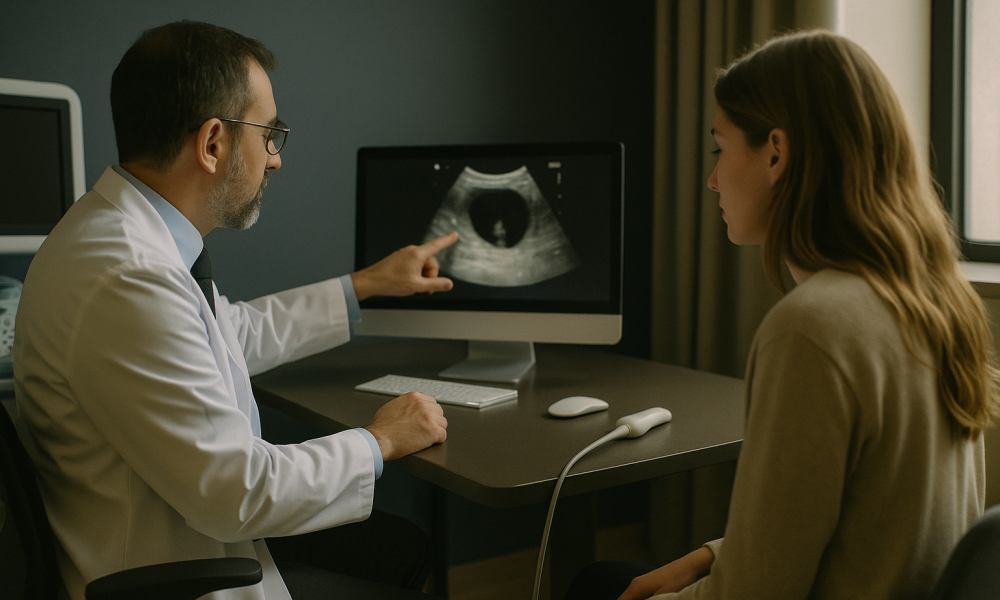
What HoLEP Prostate Surgery is and who it is for
Holmium Laser Enucleation of the Prostate (HoLEP) is a modern surgical technique used to treat benign prostatic hyperplasia (BPH), which is non-cancerous enlargement of the prostate gland. The procedure involves using a specialised laser to remove excess prostate tissue that blocks the flow of urine. HoLEP is considered a minimally invasive option and is particularly beneficial for patients with significantly enlarged prostates.
The HoLEP procedure is performed under either general or spinal anaesthesia, and typically takes between 60 to 90 minutes to complete. During the procedure, a resectoscope is inserted through the urethra, and the laser is used to separate and remove obstructive prostate tissue. The removed tissue is then pushed into the bladder and later extracted using a morcellator. This approach not only alleviates urinary symptoms but also allows for the examination of the prostate tissue for any potential malignancies.
Patients who undergo HoLEP often experience a significant improvement in urinary flow and relief from symptoms associated with BPH. The procedure is ideal for those who have not had success with medication or who have experienced complications or side effects from traditional surgical methods such as Transurethral Resection of the Prostate (TURP). Unlike TURP, HoLEP can handle larger prostates with minimal blood loss, making it a preferred choice for patients with an increased risk of bleeding.
In Turkey, HoLEP is performed by highly trained urologists in state-of-the-art facilities, offering international patients a combination of advanced medical care and competitive pricing. The typical cost range for HoLEP in Turkey is between $4,000 and $8,000, which is significantly lower than in the United States, where the costs can exceed $15,000. This cost advantage, combined with the high standard of care, makes Turkey an attractive destination for medical tourists seeking prostate surgery.
Are you a good candidate?
Determining whether you are a good candidate for HoLEP involves a comprehensive evaluation by a qualified urologist. This assessment will consider your medical history, current symptoms, and the size of your prostate. Generally, HoLEP is recommended for patients who have moderate to severe urinary symptoms that significantly impact their quality of life. These symptoms may include frequent urination, difficulty starting urination, weak urine stream, and the sensation of incomplete bladder emptying.
Some key criteria that may indicate you are a suitable candidate for HoLEP include:
- Diagnosis of benign prostatic hyperplasia (BPH) with urinary symptoms.
- Prostate size larger than 30 grams, often suitable for larger prostates.
- Failure to respond adequately to medication for BPH symptoms.
- Presence of complications related to BPH, such as bladder stones or recurrent urinary tract infections.
- A preference for a minimally invasive procedure with a shorter recovery time compared to traditional surgery.
- No contraindications for general or spinal anaesthesia.
- Absence of severe co-morbidities that would complicate surgery.
Before proceeding with HoLEP, patients will typically undergo a series of tests, including blood work, urinalysis, and imaging studies such as an ultrasound or MRI to evaluate prostate size and condition. A thorough discussion with your healthcare provider about the potential benefits and risks of the procedure will also help determine if HoLEP is the right choice for you. Additionally, patients should consider their personal preferences, lifestyle, and the potential impact on their daily activities when deciding on this treatment option.
The procedure, step by step
The Holmium Laser Enucleation of the Prostate (HoLEP) is a minimally invasive surgical procedure designed to treat benign prostatic hyperplasia (BPH). This technique has gained popularity for its effectiveness in removing obstructive prostate tissue with precision and minimal bleeding. Here’s a detailed step-by-step overview of what you can expect during the procedure:
- Preoperative Preparation: Before the procedure, patients undergo a comprehensive evaluation, which may include blood tests, urine tests, and imaging studies such as ultrasound or MRI. Patients are typically advised to fast for several hours prior to surgery and to stop certain medications, like blood thinners, under their doctor’s guidance.
- Anaesthesia: HoLEP is performed under general anaesthesia or spinal anaesthesia, depending on the patient’s health status and the anaesthetist’s recommendation. This ensures that the patient is comfortable and pain-free during the operation.
- Cystoscope Insertion: The surgeon begins by inserting a cystoscope, a thin tube with a camera, through the urethra into the bladder. This allows for visualisation of the prostate and surrounding structures, ensuring precise navigation during the procedure.
- Laser Enucleation: Using the cystoscope as a guide, the surgeon introduces a holmium laser fibre into the urethra. The laser is used to make precise cuts around the prostate lobes, effectively separating the enlarged tissue from the prostate capsule.
- Tissue Removal: Once the prostate tissue is enucleated, it is pushed into the bladder. A device known as a morcellator is then used to fragment the tissue into smaller pieces, which are subsequently removed through the cystoscope.
- Bleeding Control: The laser technique inherently minimises bleeding by simultaneously cutting and coagulating tissue. Any remaining small bleeding vessels are sealed using the laser.
- Catheter Placement: At the end of the procedure, a urinary catheter is placed to ensure proper drainage of urine and to allow the bladder to heal. This catheter typically remains in place for one to two days.
- Recovery Room: After the procedure, patients are moved to a recovery room where vital signs are monitored as they awaken from anaesthesia. Once stable, they are transferred to a regular hospital room.
This step-by-step approach ensures that the HoLEP procedure is conducted with precision and care, offering a safe and effective solution for patients suffering from BPH.
Recovery timeline
The recovery process after HoLEP surgery is generally smooth, with most patients experiencing significant relief from urinary symptoms. However, recovery times can vary, and it’s important to follow medical advice closely to ensure optimal healing. Below is a detailed recovery timeline for patients following HoLEP surgery:
| Period | What to expect | Care notes |
|---|---|---|
| Day 1 | Patients may experience mild discomfort and blood-tinged urine. The urinary catheter remains in place to aid bladder drainage. | Rest is crucial. Avoid strenuous activity. Ensure adequate hydration to help flush the bladder. |
| Days 2-3 | The catheter is usually removed, and patients may begin urinating on their own. Some may experience mild burning sensations or urgency. | Attend follow-up appointments for catheter removal. Continue drinking plenty of fluids. |
| Week 1 | Urinary flow typically improves. Minor blood clots or pink urine may persist. Energy levels may still be low. | Avoid heavy lifting and continue to rest. Gradually increase activity as tolerated. |
| Weeks 2-3 | Further improvement in urinary symptoms. Any discomfort should diminish, and regular activities can be resumed. | Maintain a balanced diet and stay hydrated. Follow any specific dietary recommendations from your doctor. |
| Month 1 | Most patients experience significant symptom relief and return to normal activities. Minor residual symptoms may persist. | Continue with any prescribed medications and attend any scheduled follow-up visits. |
| Full recovery (2-3 months) | Complete resolution of urinary symptoms is typical. Patients can expect a return to full activity without restrictions. | Regular check-ups are recommended to monitor prostate health. Discuss any concerns with your healthcare provider. |
During the recovery period, it is important to follow all medical advice and report any unusual symptoms to your healthcare provider. This ensures a smooth recovery and helps prevent potential complications.
What it costs: Turkey vs the United States
One of the significant considerations for patients seeking Holmium Laser Enucleation of the Prostate (HoLEP) surgery abroad is the cost. The cost of healthcare procedures can vary widely between countries, and Turkey has become an attractive destination for medical tourism due to its competitive pricing and high-quality care.
In the United States, healthcare costs are often higher due to a variety of factors, including administrative expenses, higher wages, and the costs associated with malpractice insurance. HoLEP surgery in the U.S. can range significantly depending on the facility and geographical location. Patients can expect to pay anywhere from $15,000 to $30,000 for the procedure alone, not including additional expenses such as pre-operative assessments, post-operative care, and possible hospital stays.
In contrast, Turkey offers a more cost-effective option for the same procedure. Due to lower operational and administrative costs, as well as favourable exchange rates, patients can expect to pay between $4,000 and $8,000 for HoLEP surgery in Turkey. This price often includes a comprehensive package that covers various aspects of the treatment process.
| Country | Indicative Price Range | Typical Package Inclusions |
|---|---|---|
| United States | $15,000 – $30,000 |
|
| Turkey | $4,000 – $8,000 |
|
It is important to note that these figures are indicative and can vary based on specific circumstances, such as the clinic chosen, the surgeon’s experience, and the individual patient’s needs. Prospective patients are encouraged to contact clinics directly for detailed quotes and to discuss what is included in the package they are considering.
Choosing to have HoLEP surgery in Turkey can result in significant savings without compromising on the quality of care. However, it is crucial for patients to conduct thorough research and choose accredited providers to ensure they receive the highest standards of medical care.
Risks and how accredited providers manage them
As with any surgical procedure, HoLEP surgery carries certain risks, although it is generally considered safe and effective for treating benign prostatic hyperplasia (BPH). Understanding these risks and how they are managed by accredited providers in Turkey can help reassure patients considering this treatment abroad.
Common risks associated with HoLEP surgery include urinary incontinence, erectile dysfunction, urinary tract infections, and bleeding. However, these complications are relatively rare, and most patients recover without significant issues. The risk of serious complications is low, particularly when the procedure is performed by experienced surgeons.
Accredited healthcare providers in Turkey adhere to international standards of patient safety and care. They employ a range of strategies to minimise risks and ensure positive outcomes:
- Pre-operative Assessment: Comprehensive evaluations are conducted to assess the patient’s overall health and suitability for surgery. This includes blood tests, urine tests, and imaging studies to ensure there are no underlying conditions that may increase the risk of complications.
- Experienced Surgeons: Accredited clinics employ highly trained and experienced urologists who specialise in HoLEP. Their expertise significantly reduces the likelihood of complications and contributes to successful outcomes.
- Advanced Technology: The use of state-of-the-art laser technology allows for precise removal of prostate tissue, reducing the risk of bleeding and shortening recovery time. This technology is comparable to that used in leading medical centres worldwide.
- Infection Control: Strict protocols are in place to prevent infections. These include sterile environments, the use of prophylactic antibiotics, and rigorous hand hygiene practices.
- Post-operative Care: Accredited providers offer comprehensive post-operative care, including follow-up consultations and monitoring to detect and address any complications promptly. Patients receive detailed instructions on managing their recovery, including hydration, activity levels, and signs of potential issues to watch for.
Patients are encouraged to discuss any concerns with their healthcare provider and to understand both the potential risks and the measures in place to mitigate them. Open communication with the surgical team is essential for ensuring that all questions are answered and that the patient feels confident in their treatment plan.
By choosing an accredited provider, patients can expect a high level of care and a focus on safety, which helps to minimise risks and enhance the overall success of the procedure. While no surgery is without risk, the careful management of potential complications makes HoLEP a viable and effective option for many patients seeking relief from BPH symptoms.
How to choose the right provider
Choosing the right provider for HoLEP prostate surgery is a crucial decision that can impact your overall experience and outcome. Here are several key factors to consider:
- Accreditation: Ensure the facility is accredited by international bodies such as the Joint Commission International (JCI) or the International Organization for Standardization (ISO). These accreditations indicate that the hospital meets high standards of quality and safety.
- Surgeon Experience: Research the surgeon’s qualifications and experience with HoLEP procedures. Ideally, the surgeon should have completed a significant number of HoLEP surgeries, as experience is often correlated with better outcomes. Look for surgeons who are board-certified in urology and are members of reputable medical associations.
- Aftercare: Comprehensive aftercare is essential for recovery. Inquire about the post-operative care plan, including the availability of follow-up consultations and support services. Some facilities may offer telehealth options for follow-up, which can be convenient for international patients.
- Red Flags: Be cautious of any provider that promises guaranteed outcomes or downplays potential risks. Transparent communication about the benefits and risks of the surgery is a hallmark of a reputable provider. Additionally, avoid clinics that pressure you into quick decisions or those that lack clear pricing structures.
In summary, a careful evaluation of the facility’s accreditation, the surgeon’s experience, the quality of aftercare, and any potential red flags can guide you in choosing a provider that aligns with your needs and expectations.
Planning your trip
Planning your trip for HoLEP prostate surgery in Turkey involves several steps to ensure a smooth experience. Here’s what to consider:
- Timeline Before Travel: Begin planning your trip at least two to three months in advance. This timeframe allows for consultations, obtaining medical records, and coordinating with the chosen healthcare provider.
- Documents: Ensure you have all necessary documents, including a valid passport, visa (if required), and medical records. Some facilities might request recent test results or imaging studies, so confirm these requirements with your provider.
- Length of Stay: Plan for a stay of approximately 7 to 10 days. This duration typically covers pre-operative consultations, the procedure, and initial recovery. Discuss with your healthcare provider to confirm the recommended length of stay based on your specific case.
- Follow-up at Home: Upon returning home, arrange for local follow-up care with your primary care physician or urologist. They should be briefed on your procedure and recovery plan. Your provider in Turkey might offer telehealth consultations to support your recovery, so confirm this option as well.
Additionally, consider travel insurance that covers medical care abroad, and ensure you have a clear understanding of the costs involved, including those for potential complications. Careful planning can significantly enhance the success of your medical travel experience.
Frequently Asked Questions
What is HoLEP prostate surgery?
HoLEP (Holmium Laser Enucleation of the Prostate) is a minimally invasive procedure used to treat urinary symptoms due to benign prostatic hyperplasia (BPH). It involves the use of a laser to remove prostate tissue that is obstructing urine flow.
How much does HoLEP surgery typically cost in Turkey?
The cost of HoLEP surgery in Turkey generally ranges from $3,500 to $7,000. This is an indicative range and actual costs may vary based on the facility, surgeon’s expertise, and any additional services required during your stay.
Is HoLEP surgery safe?
HoLEP surgery is considered safe and effective when performed by an experienced surgeon. As with any surgical procedure, there are risks involved, but these are generally minimized through proper pre-operative assessments and post-operative care.
What should I ask my surgeon before the procedure?
Before the procedure, ask about the surgeon’s experience with HoLEP, potential risks and complications, expected recovery time, and the specifics of the post-operative care plan. It's important to have a clear understanding of what to expect.
How long is the recovery period after HoLEP surgery?
Recovery time can vary, but most patients can return to normal activities within 1 to 2 weeks. However, it's important to follow your surgeon’s advice on activity restrictions and attend all follow-up appointments to monitor your progress.
Do I need a visa to travel to Turkey for medical treatment?
US citizens traveling to Turkey for medical treatment typically require a visa. It's advised to apply for an e-Visa online before departure. Always check the latest entry requirements from official sources as they can change.
What kind of aftercare is needed post-HoLEP?
Aftercare involves monitoring for signs of infection or complications, managing any discomfort, and following a prescribed recovery plan. Your healthcare provider will give detailed instructions on medication, activity levels, and follow-up appointments.
Are there language barriers in Turkish hospitals?
Many Turkish hospitals catering to international patients have English-speaking staff and offer translation services. It's advisable to confirm this with your chosen provider to ensure smooth communication during your treatment.
Can I combine my medical trip with a vacation in Turkey?
While it’s possible to combine treatment with leisure activities, it’s crucial to prioritize your health and follow medical advice regarding rest and recovery. Discuss any travel plans with your healthcare provider to ensure they won’t interfere with your recovery.
What should I pack for my medical trip to Turkey?
Pack comfortable clothing, personal hygiene items, all necessary medical documents, and any prescribed medications. It's also wise to bring travel insurance details and contact information for your healthcare provider in Turkey.
How soon can I travel back home after surgery?
Most patients can travel home within a week after the surgery, but this depends on individual recovery. Always follow your surgeon’s advice on when it’s safe to fly, and consider travel insurance in case of any unexpected delays.
What payment methods are accepted for medical services in Turkey?
Hospitals in Turkey generally accept major credit cards, bank transfers, and sometimes cash payments. It’s important to confirm payment methods with your provider beforehand and check for any transaction fees or requirements.