
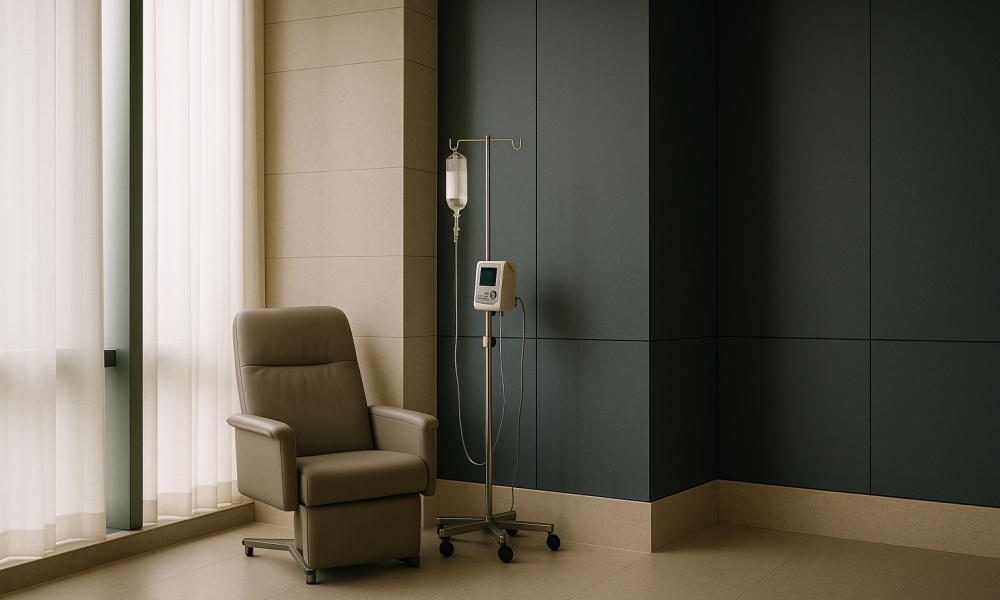
What Immunotherapy Abroad is and who it is for
Immunotherapy represents a cutting-edge cancer treatment that harnesses the body’s immune system to fight cancer cells more effectively. Unlike traditional treatments such as chemotherapy or radiation, which directly target cancer cells, immunotherapy boosts or restores the immune system’s natural ability to combat cancer. This approach can be particularly beneficial for patients whose cancers have not responded well to conventional therapies.
Turkey has emerged as a prominent destination for immunotherapy due to its advanced healthcare infrastructure, skilled medical professionals, and cost-effective treatment options compared to Western Europe. The country’s healthcare facilities are equipped with state-of-the-art technology, and many hospitals have international accreditations, ensuring high standards of care.
Immunotherapy can be administered in several forms, including monoclonal antibodies, checkpoint inhibitors, and cancer vaccines. Each type of immunotherapy works differently. For example, checkpoint inhibitors help the immune system recognize and attack cancer cells, while cancer vaccines aim to stimulate the immune system to attack cancer-specific antigens.
Patients considering immunotherapy in Turkey often include those diagnosed with cancers such as melanoma, lung cancer, and certain types of leukaemia and lymphomas. However, eligibility for immunotherapy largely depends on the specific type and stage of cancer, as well as the patient’s overall health and previous treatment history. It is crucial for patients to consult with their oncologist to determine if immunotherapy is a suitable option for their condition.
One of the significant advantages of seeking immunotherapy in Turkey is the potential cost savings. While treatment costs can vary based on the type of cancer and specific therapy used, patients can expect to pay between €10,000 and €20,000, which is significantly lower than prices in many European countries. Additionally, the shorter waiting times for treatment can be a decisive factor for patients requiring timely intervention.
Are you a good candidate?
Determining whether you are a suitable candidate for immunotherapy involves a comprehensive evaluation of your medical history, current health status, and specific cancer characteristics. Immunotherapy is not universally applicable to all cancer types or stages, and its effectiveness can vary based on individual factors.
Here is a checklist of criteria that can help assess your eligibility for immunotherapy:
- Type of Cancer: Immunotherapy is more effective for certain cancers, such as melanoma, non-small cell lung cancer, and kidney cancer. Discuss with your oncologist if your cancer type is among those that respond well to immunotherapy.
- Cancer Stage: Typically, patients with advanced-stage cancer that has not responded to standard treatments may consider immunotherapy. Early-stage cancers might not always qualify, depending on the availability of other effective treatments.
- Previous Treatments: Your history of cancer treatments can influence your suitability for immunotherapy. Patients who have undergone chemotherapy or radiation without significant success might be considered for this treatment.
- Overall Health: A general assessment of your health, including immune function, is essential. Patients should have a reasonably well-functioning immune system for immunotherapy to be effective.
- Genetic Markers: Certain genetic markers or mutations may make you more likely to benefit from specific immunotherapies. Genetic testing could be recommended to identify these markers.
- Consultation with Specialists: A multidisciplinary team approach, including oncologists, immunologists, and other specialists, is vital to evaluate the potential benefits and risks of immunotherapy for your case.
It is important to have a thorough discussion with healthcare professionals to understand the potential side effects and realistic expectations from the treatment. Common side effects may include fatigue, skin reactions, and flu-like symptoms. Being well-informed will help you make a confident decision about pursuing immunotherapy abroad in Turkey.
The procedure, step by step
Immunotherapy is a treatment modality that seeks to harness the body’s immune system to combat cancer. When considering undergoing immunotherapy in Turkey, it’s essential to understand each step involved in the process. Here is a detailed, step-by-step guide to what you can expect:
- Initial Consultation: The process begins with a comprehensive consultation with an oncologist who specialises in immunotherapy. This consultation involves a thorough review of your medical history, current diagnosis, and any previous treatments. During this stage, the oncologist will determine if you are a suitable candidate for immunotherapy and discuss potential treatment options and outcomes.
- Diagnostic Testing: Once you are deemed a candidate, various diagnostic tests, including blood tests, imaging studies (such as CT or PET scans), and possibly a biopsy, are conducted. These tests help in understanding the extent of the disease and in tailoring the immunotherapy plan specifically to your needs.
- Treatment Planning: Based on the diagnostic results, a personalised treatment plan is developed. This plan outlines the type of immunotherapy to be used, such as checkpoint inhibitors, monoclonal antibodies, or cancer vaccines. The frequency and duration of the treatment sessions are also determined during this phase.
- Pre-treatment Preparation: Before starting the therapy, patients may undergo preparatory steps which might include dietary adjustments, hydration protocols, and the management of any pre-existing conditions that could interfere with the treatment.
- Administration of Immunotherapy: The administration of immunotherapy varies based on the type of treatment. It can be delivered intravenously, orally, or through subcutaneous injections. Sessions typically occur in a clinical setting and can last from 30 minutes to several hours, depending on the specific protocol. Patients are closely monitored for adverse reactions during and after each session.
- Monitoring and Follow-up: Regular follow-up appointments are crucial for monitoring the effectiveness of the treatment and managing any side effects. These sessions may include physical examinations, repeat imaging, and lab tests. Adjustments to the treatment protocol may be made based on these evaluations.
- Continuation or Cessation of Treatment: Immunotherapy can be a long-term treatment. Decisions about continuing, adjusting, or stopping the treatment depend on the patient’s response, side effects, and overall health. This is assessed periodically by the healthcare team.
Engaging in immunotherapy abroad involves careful planning and coordination. It’s advisable to maintain open communication with both your home-based and Turkish medical teams to ensure continuity of care.
Recovery timeline
Understanding the recovery timeline following immunotherapy is crucial for planning and managing expectations. The timeline can vary significantly depending on the type of cancer being treated, the specific immunotherapy used, and the individual patient’s response. Below is a general guide to the recovery process:
| Period | What to expect | Care notes |
|---|---|---|
| Day 1 | Potential onset of mild side effects such as fatigue, fever, or chills. | Rest and hydrate. Monitor body temperature and report any severe reactions to your healthcare provider. |
| First Week | Side effects may persist or increase in intensity. Common effects include nausea, skin rash, or joint pain. | Maintain a balanced diet and follow any prescribed medications for symptom relief. Keep in touch with your medical team, especially if symptoms worsen. |
| First Month | Side effects might begin to subside as the body adjusts to treatment. Some patients might notice mild improvements in energy levels. | Continue regular consultations with your healthcare team. Adhere to any lifestyle recommendations provided to support recovery. |
| 1-3 Months | Gradual improvement in overall well-being. Ongoing monitoring for effectiveness of the treatment and potential delayed side effects. | Attend all follow-up appointments. Engage in light physical activities as tolerated and approved by your doctor. |
| 3-6 Months | Further recovery and stabilisation. Patients might experience significant improvement in symptoms related to cancer. | Participate in recommended rehabilitation or support groups. Regular imaging and blood tests may be required to track progress. |
| 6-12 Months | Potential for full recovery varying by individual. Long-term side effects, if present, should be managed. | Long-term care strategy should be discussed with your healthcare provider. Continue any prescribed maintenance therapies. |
This timeline is indicative and varies per individual. Close coordination with healthcare providers is essential to tailor recovery plans to personal needs and monitor long-term health outcomes.
What it costs: Turkey vs Europe
When considering immunotherapy as a treatment option abroad, cost is a significant factor for many patients. Turkey is known for offering competitive pricing compared to many European countries, which can be a deciding factor for those seeking treatment. However, it is crucial to understand that these figures are indicative and can vary based on specific circumstances, such as the type of immunotherapy, the healthcare provider, and the patient’s individual needs.
The following table provides a general comparison of indicative price ranges for immunotherapy treatments in Turkey versus Europe:
| Procedure | Turkey (Indicative Range in EUR) | Europe (Indicative Range in EUR) |
|---|---|---|
| Checkpoint Inhibitors (per cycle) | €2,500 – €4,500 | €5,000 – €8,000 |
| CAR T-cell Therapy | €30,000 – €45,000 | €50,000 – €80,000 |
| Cytokine Therapy | €1,500 – €3,000 | €3,500 – €6,000 |
These costs typically include the treatment itself, consultations, hospital stay, and follow-up care. However, additional costs may arise depending on the specific case, such as diagnostic tests, medications, or additional therapies required alongside immunotherapy. It is advisable to discuss with the chosen healthcare provider to obtain a detailed breakdown of what is included in the package and any potential additional expenses.
Many Turkish clinics offer comprehensive packages that not only cover medical treatment but also logistical support for international patients. This can include airport transfers, accommodation arrangements, and translation services, ensuring a smoother experience for those travelling from abroad. The cost-effectiveness of treatment in Turkey, combined with the quality of care, makes it an attractive option for many patients considering immunotherapy abroad.
Risks and how accredited providers manage them
While immunotherapy offers promising benefits in the treatment of various cancers, it is crucial to understand the potential risks involved. Like any medical treatment, immunotherapy is not without side effects, which can range from mild to severe. Common side effects include fatigue, skin reactions, and flu-like symptoms, while more serious risks could involve significant immune-related adverse effects impacting organs such as the lungs, liver, or endocrine glands.
Accredited healthcare providers in Turkey are well-equipped to manage these risks, ensuring patient safety and care quality. Accreditation by international bodies such as the Joint Commission International (JCI) ensures that clinics adhere to high standards of medical practice and patient care. This includes stringent protocols for monitoring and managing side effects, as well as comprehensive emergency response plans.
In managing risks, Turkish clinics employ a multidisciplinary approach. This involves collaboration among oncologists, immunologists, nurses, and other healthcare professionals to provide holistic care tailored to the patient’s needs. Regular monitoring through blood tests and imaging studies helps in early detection of adverse effects, allowing for prompt intervention.
Furthermore, patient education is a critical component of risk management. Accredited providers ensure that patients are well-informed about potential side effects and the importance of reporting symptoms early. This proactive approach enables healthcare teams to adjust treatment plans swiftly, minimizing complications and enhancing treatment outcomes.
In addition to medical management, psychological support is often available to help patients cope with the emotional and mental strain of undergoing treatment. This holistic approach reflects the commitment of Turkish providers to not only address the physical aspects of immunotherapy but also support the overall well-being of the patient.
Patients considering immunotherapy in Turkey can rest assured that accredited providers prioritize safety and quality, employing evidence-based practices to manage risks effectively. Open communication, comprehensive care plans, and a strong support network are integral to ensuring a safe and successful treatment journey.
How to Choose the Right Provider
Choosing the right provider for immunotherapy in Turkey is crucial to ensure a safe and effective treatment experience. One of the first things to consider is the accreditation of the healthcare facility. Look for hospitals and clinics that have been accredited by internationally recognized bodies such as the Joint Commission International (JCI) or the European Foundation for Quality Management (EFQM). These accreditations indicate adherence to high standards of quality and safety.
The experience of the medical team is another critical factor. Research the background of the oncologists and the medical staff involved in immunotherapy treatments. Ideally, the lead oncologist should have substantial experience in immunotherapy, with a focus on the specific type of cancer you are dealing with. You can request to see their credentials, years of practice, and any published research or case studies they have contributed to.
Post-treatment aftercare is an essential aspect of your treatment journey. Ensure that the provider offers comprehensive aftercare services, including regular follow-ups and access to support services. Ask about the availability of English-speaking staff and whether they provide remote consultations once you return home. This can be particularly important for managing side effects or any complications that may arise after treatment.
Be vigilant for red flags when evaluating potential providers. These include lack of transparency about treatment costs, unwillingness to share information about their accreditation or the qualifications of their staff, and pressure to make quick decisions. Additionally, be cautious of clinics that promise guaranteed results, as no medical treatment can offer absolute certainty of outcomes. It’s prudent to contact past patients for testimonials or reviews to gain insights into their experiences.
Planning Your Trip
When planning your trip for immunotherapy in Turkey, a well-structured timeline is essential to ensure a smooth process. Begin the preparation several months in advance. Initial consultations can often be conducted remotely, allowing you to discuss your case and treatment options with the medical team without immediate travel.
Essential documents required include your medical history, current prescriptions, and any previous test results. These should be translated into English or Turkish if necessary. You will also need a valid passport and, depending on your nationality, possibly a visa. It’s advisable to check the latest visa requirements with the Turkish consulate.
The length of stay in Turkey will depend on the specific treatment plan. Typically, patients stay between 2 to 4 weeks, allowing time for pre-treatment assessments, the treatment itself, and initial recovery. Your medical provider will give a more precise timeline based on your individual treatment plan.
Consider your accommodation options. Many hospitals offer partnerships with nearby hotels or provide on-site lodging. These options can be convenient, as they often include transportation to and from the medical facility. When selecting accommodation, consider the proximity to the hospital and the availability of amenities that will support your recovery, such as quiet environments and dietary options.
Post-treatment, it’s crucial to have a follow-up plan with your home healthcare provider. Arrange for ongoing monitoring and any necessary tests to ensure the treatment’s effectiveness and manage any side effects. Your Turkish provider should supply detailed records of your treatment and clear instructions on what your local doctor should monitor.
Frequently Asked Questions
What is the typical cost of immunotherapy in Turkey?
The cost of immunotherapy in Turkey can vary widely based on the type of cancer being treated, the specific drugs used, and the duration of the treatment. Typically, prices range from €3,000 to €10,000 per cycle. It's important to discuss the full scope of costs with your provider, including any additional fees for diagnostics, hospital stays, or aftercare services, to ensure comprehensive budgeting.
Are there any risks associated with immunotherapy?
Like any medical treatment, immunotherapy carries certain risks. Common side effects include fatigue, skin rashes, and flu-like symptoms. More serious risks might involve inflammation of organs such as the lungs, liver, or intestines. It is crucial to have a thorough discussion with your oncologist about potential side effects and how they will be managed. A well-monitored treatment plan can help mitigate these risks effectively.
How do I verify the credentials of a Turkish medical provider?
To verify the credentials of a Turkish medical provider, you can check for international accreditations such as JCI or EFQM. These certifications indicate adherence to global healthcare standards. Additionally, you can request information on the medical team's qualifications and experience. Reading reviews from previous patients and seeking recommendations from your local healthcare provider can also provide valuable insights.
What documents do I need to bring for treatment?
You should prepare to bring a comprehensive set of documents for your treatment in Turkey. This includes your detailed medical history, any recent scans or test results, and a list of current medications. These documents should ideally be translated into English or Turkish. Additionally, ensure you have a valid passport and check if you need a visa to enter Turkey, based on your nationality.
How long should I plan to stay in Turkey for treatment?
The length of your stay in Turkey for immunotherapy will depend on your specific treatment plan. Generally, patients should plan to stay for 2 to 4 weeks. This duration allows for pre-treatment assessments, the administration of treatment, and initial recovery. Your healthcare provider will give you a more precise timeline based on your individual needs and treatment schedule.
Is immunotherapy available for all types of cancer?
Immunotherapy is not available for all types of cancer, but it is used for several, including melanoma, lung cancer, kidney cancer, and some types of lymphoma and leukaemia. The suitability of immunotherapy depends on the specific characteristics of the cancer and the patient's overall health. A detailed consultation with an oncologist is necessary to determine if immunotherapy is an appropriate treatment option for your condition.
How soon can I start treatment after my initial consultation?
The timeline to start treatment after an initial consultation can vary. Generally, after the initial remote consultation, patients might need to undergo further tests and assessments upon arrival in Turkey. This process can take a few days to a week. Once all necessary evaluations are complete, treatment can typically begin within one to two weeks, depending on your specific medical needs and the healthcare provider's schedule.
What should I do if I experience side effects after returning home?
If you experience side effects after returning home, it's important to contact your local healthcare provider immediately. You should also inform your Turkish medical team, as they can provide guidance based on your treatment history. Keeping all medical documentation and treatment records accessible will help both your local and international medical teams coordinate your care effectively.
Are there language barriers when receiving treatment in Turkey?
Many hospitals and clinics in Turkey cater to international patients and have English-speaking staff. It's advisable to confirm the availability of English-speaking medical personnel before your visit. Additionally, some facilities offer translation services to help bridge any language gaps during consultations and treatment, ensuring clear communication and understanding throughout your care journey.
What should I consider when choosing accommodation in Turkey?
When choosing accommodation in Turkey, consider factors such as proximity to the medical facility, comfort, and amenities that support recovery, like quiet environments and dietary options. Many hospitals have partnerships with nearby hotels, or they may offer on-site lodging. These arrangements can provide added convenience, including transportation to and from the hospital, which can be particularly beneficial during your recovery period.
How can I manage the costs of treatment abroad?
Managing the costs of treatment abroad involves careful planning and budgeting. Start by obtaining a detailed cost estimate from your healthcare provider, including all potential additional fees. It's also wise to check with your health insurance company to see if any part of the treatment is covered. Some patients consider medical loans or financing plans offered by the healthcare provider to spread the costs over time.
Is it safe to travel to Turkey for medical treatment?
Turkey is a well-established destination for medical tourism, with many facilities accredited by international bodies. However, it's important to stay informed about travel advisories related to health and safety from your government. Ensure that the clinic or hospital you choose is accredited and has a good reputation. Taking these precautions can help ensure a safe and successful treatment experience.