
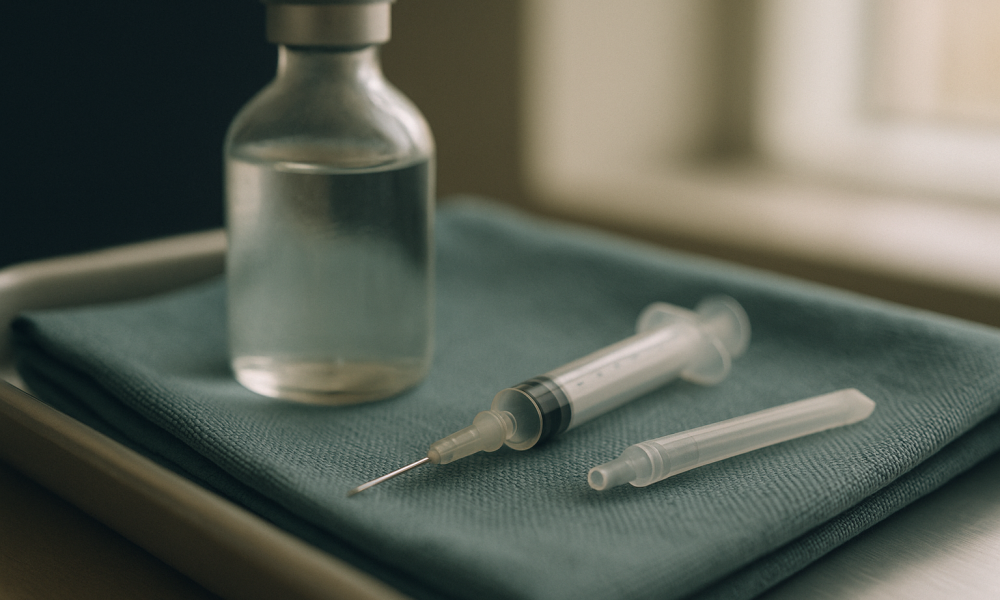
What Immunotherapy Abroad is and who it is for
Immunotherapy is a form of cancer treatment that harnesses the body’s immune system to fight cancer cells. Unlike conventional therapies such as chemotherapy and radiation, which target cancer cells directly, immunotherapy aims to boost the immune system’s natural ability to detect and destroy cancerous cells. This approach can be particularly beneficial for patients whose cancers do not respond well to traditional treatments or who are seeking alternatives that may offer a different side-effect profile.
Travelling abroad for immunotherapy, particularly to Turkey, has become an increasingly popular option for patients from the United States. Turkey is renowned for its advanced medical infrastructure, experienced healthcare professionals, and cost-effective treatment options. The country offers a range of immunotherapy treatments, including checkpoint inhibitors, CAR T-cell therapy, and cancer vaccines, which are available in well-equipped hospitals and clinics.
Patients considering immunotherapy in Turkey can expect high standards of care, often comparable to those found in the US, but at a fraction of the cost. The typical cost of immunotherapy in Turkey ranges from £5,000 to £15,000, depending on the specific type of treatment and the patient’s individual condition. These costs are indicative and can vary based on the complexity of the treatment and the duration of the protocol.
It is vital for patients to consult with their oncologists at home and discuss the potential benefits and risks of receiving treatment abroad. Immunotherapy is not a one-size-fits-all solution and is most effective for certain types of cancer, such as melanoma, lung cancer, and bladder cancer, among others. Patients should also consider the logistical aspects of treatment abroad, including travel, accommodation, and post-treatment follow-up care.
Are you a good candidate?
Determining whether you are a suitable candidate for immunotherapy involves several key factors. Immunotherapy is not universally applicable to all cancer types or stages, and its effectiveness can vary significantly between individuals. Thus, it is crucial to undergo a comprehensive evaluation by your oncologist to ascertain the appropriateness of this treatment for your specific case.
Here is a checklist to help you assess your candidacy for immunotherapy:
- Type of Cancer: Immunotherapy is more commonly used for cancers such as melanoma, non-small cell lung cancer, kidney cancer, bladder cancer, and certain types of lymphoma.
- Stage of Cancer: It is often used in advanced stages or when the cancer has metastasised, although it can be used in earlier stages depending on the specific case.
- Previous Treatments: Consideration if previous treatments like chemotherapy or radiation have not been successful or have caused intolerable side effects.
- Overall Health: A good general health status is important, as immunotherapy can have systemic effects that require a well-functioning immune system.
- Biomarkers: Presence of specific biomarkers like PD-L1, which can indicate the likelihood of a positive response to certain immunotherapies.
- Willingness to Travel: Ability and willingness to travel to Turkey for initial treatment sessions and any necessary follow-up appointments.
- Financial Considerations: Understanding the costs involved and ensuring that they fit within your budget or insurance coverage, if applicable.
Ultimately, the decision to pursue immunotherapy abroad should be made collaboratively between you, your family, and your healthcare providers. A thorough understanding of the potential benefits, risks, and logistical considerations is essential to making an informed choice. Additionally, patients should ensure that the chosen facility in Turkey is reputable and that the healthcare professionals are experienced in administering immunotherapy treatments.
The procedure, step by step
Embarking on immunotherapy in Turkey involves a structured process that ensures patient safety and maximises the potential for successful outcomes. This section outlines the typical steps involved in undergoing immunotherapy treatment abroad.
- Initial Consultation: The journey begins with a detailed consultation, often conducted virtually, with a Turkish oncologist or immunotherapy specialist. During this session, your medical history, current health status, and treatment goals are discussed. The specialist will review your medical records, including biopsy results, imaging, and previous treatment responses, to determine your eligibility for immunotherapy.
- Pre-treatment Evaluation: Once deemed suitable for immunotherapy, you will undergo a series of evaluations upon arrival in Turkey. These may include blood tests, imaging scans (such as CT or MRI), and possibly a biopsy to establish a baseline for your treatment. These assessments help in tailoring the immunotherapy to your specific needs and ensuring no contraindications.
- Treatment Planning: The medical team will devise a personalised immunotherapy plan based on your specific type of cancer, stage, and overall health. This plan will outline the type of immunotherapy (e.g., checkpoint inhibitors, CAR T-cell therapy), dosage, and schedule.
- Administration of Immunotherapy: Immunotherapy is typically administered in a clinical setting. Depending on the type, it might be given intravenously or subcutaneously. Sessions can last from 30 minutes to several hours. The frequency of administration varies, ranging from once every two weeks to monthly sessions.
- Monitoring and Adjustments: Throughout the treatment, you will be closely monitored for any side effects or adverse reactions. This includes regular blood tests and imaging to assess the treatment’s effectiveness. Adjustments to the dosage or schedule might be made based on your response.
- Follow-up Consultations: Regular follow-up appointments are crucial to evaluate your progress and manage any side effects. These consultations may occur in person or via telemedicine, allowing for flexibility if you return home between sessions.
- Support Services: Throughout your treatment, you will have access to support services, including nutritional advice, psychological support, and assistance from patient coordinators who can help navigate logistical aspects such as accommodation and transportation in Turkey.
This step-by-step approach ensures a comprehensive and patient-centred experience, aiming to provide the best possible outcomes while prioritising your comfort and well-being during your treatment in Turkey.
Recovery timeline
Understanding the recovery timeline following immunotherapy is crucial for setting expectations and planning your stay in Turkey. While individual experiences may vary, the following table provides a general overview of what you might expect from day one through to full recovery.
| Period | What to expect | Care notes |
|---|---|---|
| Day 1 | Immediately post-treatment, you may experience fatigue, mild fever, or flu-like symptoms. These are common initial reactions as your body adjusts to the immunotherapy. | Rest is essential. Ensure you stay hydrated and monitor your symptoms. Contact your healthcare provider if symptoms persist or worsen. |
| Week 1 | Side effects such as fatigue, skin rashes, or mild gastrointestinal issues might continue. Most patients report feeling tired but can engage in light activities. | Maintain a balanced diet and consult a nutritionist if needed. Continue with prescribed medications and attend any scheduled follow-up appointments. |
| Weeks 2-4 | Many patients begin to notice improvements in energy levels. However, some side effects like skin changes or joint pain might persist. | Gradually increase physical activity as tolerated. Keep track of any new symptoms and discuss them during follow-up visits. |
| Month 2-3 | By this period, most acute side effects subside. Regular monitoring through blood tests or imaging will continue to assess treatment efficacy. | Focus on recovery and rehabilitation exercises. Psychological support may be beneficial to address any emotional challenges. |
| Full Recovery (3-6 months) | Patients generally return to pre-treatment activity levels, though some long-term effects may linger. Continuous monitoring is essential to ensure long-term health. | Continue with regular follow-ups and adhere to any ongoing treatment plans. Engage in a healthy lifestyle to support recovery. |
It is important to remember that recovery can vary significantly between individuals, and ongoing communication with your healthcare team in Turkey is vital to address any concerns and tailor care to your needs.
5. What it costs: Turkey vs the United States
When considering immunotherapy abroad, cost is a significant factor for many patients. Turkey has become a popular destination for medical tourism, offering competitive pricing compared to the United States. It is essential to understand that these figures are indicative and can vary based on the treatment type, the specific healthcare provider, and the patient’s individual needs.
| Treatment | Indicative Price Range in Turkey (USD) | Indicative Price Range in the United States (USD) |
|---|---|---|
| Basic Immunotherapy Session | $2,500 – $4,500 | $10,000 – $15,000 |
| Comprehensive Immunotherapy Programme | $15,000 – $25,000 | $50,000 – $100,000 |
| Follow-up and Monitoring | $500 – $1,500 per session | $2,000 – $3,500 per session |
In addition to the treatment costs, many Turkish healthcare providers offer comprehensive packages that may include accommodation, local transportation, and translation services. This can provide added convenience and potentially reduce the overall cost of treatment abroad. Such packages typically include:
- Initial consultation and diagnostic testing.
- All necessary immunotherapy sessions.
- Post-treatment follow-up care and monitoring.
- Accommodation for the duration of the treatment.
- Airport transfers and local transportation.
- Assistance with language and translation, if needed.
While these packages can be cost-effective, it is crucial for patients to verify exactly what is included and whether any additional costs may arise. Patients are encouraged to research and contact multiple providers to compare offerings and ensure they receive comprehensive care tailored to their needs.
6. Risks and how accredited providers manage them
As with any medical treatment, immunotherapy carries inherent risks. It is vital for patients considering treatment abroad to understand these risks and how accredited providers in Turkey manage them. Immunotherapy risks can include adverse reactions, such as infusion-related reactions, fatigue, fever, and in rare cases, more severe side effects like autoimmune responses.
Accredited healthcare providers in Turkey are well-equipped to manage these risks, adhering to international standards and guidelines. Before treatment, a thorough assessment is conducted to evaluate the patient’s overall health and suitability for immunotherapy. This assessment typically includes:
- Comprehensive medical history review: Understanding past medical conditions and treatments to anticipate potential complications.
- Diagnostic testing: Conducting necessary tests to establish a baseline health status and tailor the treatment plan.
- Risk assessment and informed consent: Discussing potential risks and benefits with the patient, ensuring informed consent is obtained.
During treatment, accredited providers employ state-of-the-art facilities and protocols to monitor and manage patient safety. This includes:
- Continuous monitoring: Keeping vigilant watch on patients during and after immunotherapy sessions to quickly address any adverse reactions.
- Emergency response readiness: Having emergency medical equipment and trained personnel on-site to handle any immediate complications.
- Post-treatment follow-up: Offering regular follow-up appointments to monitor the patient’s recovery and response to treatment.
Accreditation from international bodies, such as the Joint Commission International (JCI), ensures that Turkish healthcare providers maintain high standards of care and safety. Patients are encouraged to verify the accreditation status of their chosen provider and to discuss any concerns they may have about the risks involved in their treatment. Open communication with healthcare providers is crucial for managing expectations and ensuring a safe treatment experience.
How to Choose the Right Provider
Choosing the right provider for immunotherapy in Turkey involves several critical considerations. Firstly, accreditation is paramount. Seek clinics that are accredited by international bodies such as the Joint Commission International (JCI) or the European Society for Medical Oncology (ESMO). These accreditations ensure that the institution adheres to high standards of patient care and safety, aligning with international healthcare quality benchmarks.
Secondly, consider the experience of the medical team. Research the qualifications and experience of the oncologists and healthcare professionals who will be involved in your treatment. Look for specialists who have completed fellowships or additional training in immunotherapy, as this indicates a deeper understanding and expertise in the field. Ask about the number of procedures they have performed and their outcomes, while keeping in mind that individual results can vary.
Aftercare is another crucial aspect. A comprehensive aftercare plan is essential for monitoring your recovery and managing any side effects. The best clinics offer detailed follow-up care plans, including regular check-ups and easy access to healthcare professionals who can address any concerns that may arise post-treatment. Ensure that the provider has a clear protocol for communication after you return home, whether via telemedicine or through collaboration with your local healthcare providers.
Be vigilant about red flags that might indicate a less reliable provider. Avoid clinics that make unrealistic promises or guarantees of success. Additionally, be cautious of providers that are not transparent about costs or refuse to provide detailed breakdowns of fees. A trustworthy clinic will offer a clear, itemised estimate of costs, which typically range from $10,000 to $20,000 depending on the complexity and type of immunotherapy involved.
- Accreditation by JCI or ESMO
- Oncologist experience and credentials
- Comprehensive aftercare plans
- Transparency in pricing and realistic expectations
Planning Your Trip
Planning your trip for immunotherapy in Turkey requires careful attention to timelines, documentation, and logistics to ensure a smooth experience. Begin by consulting with your chosen clinic to understand the recommended pre-treatment timeline. Typically, you should start planning at least 6 to 8 weeks in advance to allow sufficient time for consultations, visa arrangements, and travel bookings.
Documentation is key. Ensure your passport is valid for at least six months beyond your intended stay in Turkey. You will also need to apply for a visa, which can often be obtained online through the Turkish government’s e-Visa platform. Additionally, prepare all pertinent medical records and documentation of previous treatments, as these will be necessary for your initial consultations and ongoing care.
The length of stay in Turkey will vary depending on the specific immunotherapy regimen. Generally, you should plan for an initial stay of 2 to 4 weeks. This allows for the administration of treatment, initial recovery, and any necessary follow-up appointments. Discuss with your healthcare provider the possibility of multiple visits if your treatment protocol requires it.
Follow-up care at home is an integral part of your treatment plan. Before leaving Turkey, ensure you have a detailed follow-up plan that includes scheduled check-ins with your local healthcare provider. Many clinics in Turkey offer telemedicine follow-ups to maintain continuity of care. This can be a convenient way to address any questions or concerns that arise once you are back home.
- Start planning 6-8 weeks before travel
- Valid passport and visa arrangements
- 2-4 weeks stay for treatment and recovery
- Telemedicine follow-ups for continuous care
Frequently Asked Questions
What accreditations should a clinic in Turkey have?
Look for clinics accredited by the Joint Commission International (JCI) or the European Society for Medical Oncology (ESMO). These accreditations indicate that the clinic meets international standards for healthcare quality and patient safety.
How much does immunotherapy cost in Turkey?
The cost of immunotherapy in Turkey can vary widely, typically ranging from $10,000 to $20,000. The final cost depends on the type of immunotherapy, the complexity of your case, and the specific provider. Always ask for a detailed, itemised estimate before proceeding.
How do I ensure the oncologist is qualified?
Research the oncologist's credentials, including their education, training, and experience in immunotherapy. Look for specialists who have completed fellowships or additional training in this field, and inquire about their success rates, while remembering that individual outcomes can vary.
What is included in the aftercare plan?
A comprehensive aftercare plan should include regular follow-up appointments to monitor your recovery and manage any side effects. It should also offer easy access to healthcare professionals for any concerns and may include telemedicine options for continued support once you return home.
What should I pack for my trip to Turkey?
Pack essentials such as your passport, visa, medical records, and any medications you currently take. Comfortable clothing, travel insurance documents, and a list of emergency contacts are also important. Check with your clinic if there are specific items they recommend bringing.
How long will I need to stay in Turkey for treatment?
The length of stay generally ranges from 2 to 4 weeks, depending on the immunotherapy regimen and your personal recovery needs. This allows for treatment administration, initial recovery, and any necessary follow-up appointments before returning home.
How can I ensure safety during my treatment abroad?
Choose a clinic with international accreditations and experienced oncologists. Verify that the clinic follows strict protocols for infection control and patient safety. Additionally, ensure that there is a comprehensive emergency plan in place should any complications arise.
Are there risks associated with immunotherapy?
Like any medical treatment, immunotherapy has potential risks and side effects, such as fatigue, skin reactions, or flu-like symptoms. Discuss these with your healthcare provider to understand how they might affect you personally and how they will be managed.
Will my health insurance cover immunotherapy in Turkey?
Coverage depends on your insurance policy. Some insurers may cover treatment abroad if it is deemed medically necessary. Contact your insurance provider to discuss your plan's specifics and any potential reimbursement for treatment costs incurred in Turkey.
What follow-up care is needed once I return home?
Follow-up care typically includes regular check-ins with your local healthcare provider to monitor your recovery. Many Turkish clinics offer telemedicine services for ongoing support, ensuring continuity of care and addressing any post-treatment concerns.
How far in advance should I plan my trip?
Start planning your trip at least 6 to 8 weeks in advance. This timeframe allows for necessary consultations, visa arrangements, and travel bookings, ensuring a well-organised and stress-free preparation period.
Can I combine my treatment with a holiday in Turkey?
While combining treatment with leisure activities is possible, it's crucial to prioritise your health and follow medical advice regarding rest and recovery. Consult your healthcare provider to determine suitable activities and ensure they do not interfere with your treatment schedule.