
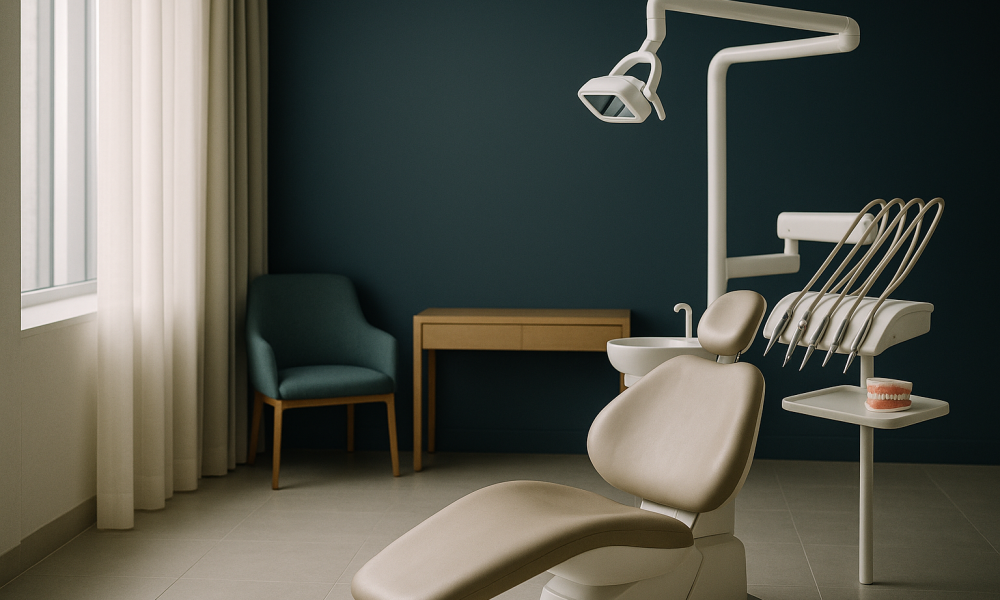
What Implant-Supported Dentures is and who it is for
Implant-supported dentures are a modern dental solution designed to provide stability and improved function for those who have lost multiple teeth. Unlike traditional dentures, which rest on the gums, implant-supported dentures are anchored to the jawbone using dental implants. This method ensures a more secure fit, reducing slippage and enhancing comfort. Typically, these dentures are used to replace a full arch of teeth, whether in the upper or lower jaw. The procedure involves placing two or more implants into the jawbone, which then support a removable or fixed denture.
In Turkey, the adoption of implant-supported dentures has become increasingly popular due to the combination of advanced dental technology and highly skilled practitioners. Patients from the United States often choose Turkey as a destination for this procedure because of the cost-effectiveness and the high standards of care. The process generally begins with a thorough consultation and examination, including imaging such as X-rays or CT scans, to assess the health of the jawbone. This is crucial as a sufficient amount of bone is needed to support the implants.
Once the implants are placed, they require a healing period during which the bone fuses with the implant in a process known as osseointegration. This typically takes 3 to 6 months. During this time, patients may wear temporary dentures. After the implants have successfully integrated, the permanent dentures are attached. Patients report that implant-supported dentures feel more natural and secure compared to traditional dentures, allowing for improved chewing ability and speech.
Implant-supported dentures are suitable for individuals who have lost most or all of their teeth due to decay, injury, or disease. They are particularly beneficial for those who struggle with the discomfort and inconvenience of traditional dentures. Moreover, they help in maintaining the structural integrity of the jawbone, which can deteriorate over time when teeth are missing.
Are you a good candidate?
Determining whether you are a suitable candidate for implant-supported dentures involves several factors. Primarily, candidates should be missing multiple teeth and seeking a more stable alternative to traditional dentures. However, there are specific criteria that must be met for the procedure to be successful. Here is a checklist to help assess your suitability:
- Good Oral Health: Candidates should have healthy gums and be free from untreated gum disease or infections that could compromise the implants.
- Sufficient Bone Density: Adequate jawbone density is crucial as it ensures the implants can be securely anchored. If bone loss has occurred, bone grafting may be necessary before implant placement.
- Non-Smokers: Smoking can impede the healing process and increase the risk of implant failure. Non-smokers or those willing to quit are ideal candidates.
- Good General Health: Conditions such as uncontrolled diabetes or autoimmune diseases can affect healing, so a thorough medical evaluation is essential.
- Commitment to Oral Hygiene: Maintaining good oral hygiene is critical to the longevity of implant-supported dentures. Candidates should be willing to follow a strict oral care routine.
- Realistic Expectations: Understanding the procedure, including the time involved for healing and the potential need for additional treatments, is important for patient satisfaction.
- Age Considerations: While there is no upper age limit, candidates should have reached full jawbone maturity, typically around 18 years of age.
Consultation with a dental professional is essential to evaluate these factors and discuss any potential concerns. In Turkey, clinics often offer comprehensive assessments to ensure that each patient receives personalized advice and care. With the right preparation and understanding, implant-supported dentures can offer a significant improvement in quality of life for those who qualify.
The procedure, step by step
Implant-supported dentures provide a stable and comfortable solution for individuals seeking to improve their oral health and quality of life. Understanding the procedure can help alleviate anxiety and set realistic expectations. Here is a detailed step-by-step guide to the implant-supported denture process in Turkey:
- Initial Consultation: During this first visit, a comprehensive dental examination is conducted. This includes X-rays, digital imaging, and possibly a CT scan to assess bone density and structure. The dentist will discuss your medical history, dental goals, and any concerns you may have.
- Treatment Planning: Based on the initial assessment, a customised treatment plan is developed. This plan outlines the number of implants needed, the type of dentures, and the timeline for each stage of the procedure. Patients are provided with a detailed overview of the costs, typically ranging from £2,000 to £6,000 per arch, depending on materials and complexity.
- Pre-Surgical Preparations: Before the surgery, patients may need to undergo additional procedures such as tooth extractions or bone grafting. These are planned well in advance to ensure proper healing time. Patients are advised to avoid smoking and excessive alcohol consumption as these can impede healing.
- Surgical Placement of Implants: The surgical procedure involves placing titanium implants into the jawbone. This is usually done under local anaesthesia, though sedation options are available. The number of implants varies; typically, 2 to 6 implants per arch are used. The surgery can take 1 to 3 hours depending on the complexity.
- Osseointegration Period: After the implants are placed, a healing period of 3 to 6 months is necessary for osseointegration, where the bone fuses with the implant. Temporary dentures may be used during this time.
- Abutment Placement: Once osseointegration is confirmed, abutments are attached to the implants. This minor procedure involves re-opening the gum tissue to expose the implants and secure the abutments.
- Fitting the Dentures: After the gums have healed, impressions are taken to create custom dentures. These are then fitted onto the abutments. Adjustments are made to ensure comfort and functionality.
- Final Adjustments and Follow-Up: A series of follow-up appointments are scheduled to make any necessary adjustments and to monitor the adaptation to the new dentures. Regular dental check-ups are recommended to maintain oral health.
This step-by-step process ensures that implant-supported dentures are securely placed, providing you with a reliable and long-lasting solution.
Recovery timeline
Understanding the recovery timeline is crucial for planning your trip and ensuring a smooth healing process. Below is a detailed table outlining the typical recovery stages from day 1 to full recovery for implant-supported dentures:
| Period | What to expect | Care notes |
|---|---|---|
| Day 1-3 | Post-surgery swelling, minor bleeding, and discomfort are common. Pain can be managed with prescribed or over-the-counter pain medication. | Avoid strenuous activities. Use ice packs to reduce swelling. Stick to a soft diet and maintain oral hygiene with gentle rinsing. |
| Day 4-14 | Swelling and discomfort should gradually decrease. Stitches, if non-dissolvable, may be removed around day 7-10. | Continue with a soft diet. Gradually reintroduce regular foods as comfort allows. Maintain oral hygiene and attend follow-up appointments as advised. |
| Week 3-6 | Initial healing phase is typically complete. Patients often return to normal activities, though full osseointegration is still ongoing. | Regular dental check-ups are important. Follow the dentist’s advice on diet and oral care to protect healing implants. |
| Month 3-6 | Osseointegration should be complete, allowing for the placement of abutments and the final fitting of dentures. | Attend all scheduled appointments for abutment placement and denture fitting. Report any issues such as discomfort or misalignment to your dentist. |
| Full Recovery (6+ months) | Implants are fully integrated, and dentures should function naturally. Patients should feel comfortable with their new smile. | Maintain regular dental visits for professional cleanings and check-ups. Continue good oral hygiene practices to ensure long-term success. |
This recovery timeline serves as a general guide and can vary depending on individual healing rates and any additional procedures required. Always follow your dentist’s specific advice for the best outcomes.
What it costs: Turkey vs the United States
When considering implant-supported dentures, the costs can vary significantly between Turkey and the United States. Patients often find that the cost of dental treatments in Turkey is considerably lower than in the United States, while still maintaining high standards of care. It is important to understand what these costs typically include and how they compare.
In Turkey, the cost for implant-supported dentures can range from £2,000 to £7,000 for a full set, depending on factors such as the type of implants used, the materials of the dentures, and the specific needs of the patient. This price often includes consultation, the surgical procedure, the cost of the implants and dentures, as well as follow-up visits.
In contrast, the cost for similar procedures in the United States can range from £10,000 to £30,000. This price may not always include additional costs such as consultations, temporary dentures, or follow-up appointments, which can add to the overall expense.
| Country | Indicative Price Range (Full Set) | Typical Inclusions |
|---|---|---|
| Turkey | £2,000 – £7,000 | Consultation, implants, dentures, follow-up visits |
| United States | £10,000 – £30,000 | Implants, dentures (consultation and follow-ups often extra) |
The lower costs in Turkey are largely attributed to lower operational costs and currency exchange rates, which make the country a favourable option for international patients. Additionally, many clinics in Turkey offer packages that include accommodation and transportation, further enhancing the value for international patients.
It is crucial for patients to request detailed quotes from clinics, ensuring they understand what is included in the price and what might incur additional costs. This transparency helps in making an informed decision and avoiding unexpected expenses.
Risks and how accredited providers manage them
As with any surgical procedure, implant-supported dentures come with certain risks. These can include infection, implant failure, nerve damage, and issues related to osseointegration, where the implant might not properly bond with the bone. Understanding these risks is essential for prospective patients, as is knowing how accredited providers in Turkey manage them effectively.
Accredited clinics in Turkey employ a range of strategies to mitigate these risks. Firstly, they adhere to stringent sterilisation protocols to minimise the risk of infection. This includes the use of autoclaves for instrument sterilisation and maintaining a sterile environment in the operating room.
Implant failure can occur for a variety of reasons, including poor bone quality or improper placement. Accredited providers in Turkey conduct comprehensive pre-operative assessments to evaluate bone density and structure using advanced imaging techniques such as CBCT (Cone Beam Computed Tomography). This ensures that the treatment plan is tailored to the individual needs of the patient, increasing the likelihood of successful osseointegration.
Nerve damage, although rare, is a potential risk, particularly with implants placed in the lower jaw. To mitigate this, experienced oral surgeons in Turkey use precise surgical guides and 3D planning software to avoid critical anatomical structures during surgery.
Accreditation by international bodies such as the Joint Commission International (JCI) or the ISO (International Organization for Standardization) is a hallmark of quality in Turkish clinics. These accreditations ensure that clinics adhere to international standards of safety and care, providing reassurance to patients about the quality of care they will receive.
In addition to technical measures, patient education is a key component in managing risks. Accredited providers in Turkey ensure that patients are fully informed about the procedure, post-operative care, and signs of potential complications. This empowers patients to participate actively in their recovery and seek timely assistance if needed.
Ultimately, while risks cannot be entirely eliminated, choosing a reputable, accredited provider significantly reduces the likelihood of complications and ensures that any issues that do arise are managed promptly and effectively.
How to choose the right provider
Choosing the right provider for implant-supported dentures in Turkey involves several key considerations. Start by verifying the accreditation of clinics and hospitals. Look for facilities certified by international bodies such as the Joint Commission International (JCI) or those holding ISO certifications. These credentials ensure that the clinic meets high standards of healthcare quality and patient safety.
Next, consider the experience and qualifications of the dental surgeons. It is advisable to select a surgeon who specialises in implant dentistry, with specific experience in implant-supported dentures. Ask for the surgeon’s credentials, including their education, training, and the number of similar procedures they have performed. A surgeon with at least five to ten years of experience in this field is often preferable.
Aftercare is another crucial aspect. A reputable provider will offer comprehensive aftercare services, including post-operative check-ups and emergency contact options. Ensure that the clinic provides clear guidelines on aftercare and that they have a plan for addressing potential complications.
Be vigilant for red flags that might indicate a less reliable provider. These include clinics that offer prices significantly below the typical range of £2,500 to £5,000 for the entire procedure without clear justification, lack of transparency in treatment plans, or pressure tactics to commit quickly. Avoid providers who do not allow you to speak with the dentist before the procedure or who cannot provide verifiable patient testimonials.
Finally, consider the language support offered by the clinic. Effective communication is essential, so ensure that the clinic has English-speaking staff or provides translation services. This will help you understand the procedure, risks, and aftercare instructions clearly.
Planning your trip
Planning your trip for implant-supported dentures in Turkey requires careful consideration of several logistical aspects. Begin by establishing a timeline. You should start planning at least three to six months in advance to allow ample time for research, consultations, and travel arrangements.
Ensure you have all necessary documents ready, including a valid passport, visa (if required), and medical records. Some clinics may request recent dental x-rays or a medical history to prepare for your treatment. Make digital copies of these documents for ease of access during your trip.
Consider the length of stay in Turkey. The initial visit for implant placement may require a stay of about 7 to 10 days to accommodate pre-surgery consultations, the procedure, and initial recovery. A follow-up visit, typically 3 to 6 months later, is often necessary to ensure the implants have integrated properly and to place the final dentures. This second visit might last another 5 to 7 days.
Plan for follow-up care once you return home. It is essential to have a local dentist available for routine check-ups and to address any issues that might arise. Discuss this with your Turkish provider to understand what follow-up care they recommend and if they can coordinate with a local dentist in your area.
Budgeting is crucial. While the procedure in Turkey can offer cost savings, plan for additional expenses such as travel, accommodation, and meals. Typical airfare from the United States might range from £500 to £1,000, depending on the season and booking time. Accommodation costs can vary widely, with options ranging from budget-friendly hotels at £30 per night to more luxurious stays at £100 per night.
Lastly, consider purchasing travel insurance that covers medical expenses. This can provide peace of mind and financial protection in case of unforeseen complications during your trip.
Frequently Asked Questions
What are the typical costs for implant-supported dentures in Turkey?
The typical cost for implant-supported dentures in Turkey ranges from £2,500 to £5,000. This range can vary based on the specific clinic, the number of implants required, and the materials used. It is important to obtain detailed quotes from multiple providers to understand what is included in the cost and to ensure there are no hidden fees.
How long should I plan to stay in Turkey for the procedure?
For implant-supported dentures, you should plan for an initial stay of about 7 to 10 days to cover consultations, the procedure, and initial recovery. A follow-up visit, usually 3 to 6 months later, is often necessary and may require another 5 to 7 days. Discuss specific timelines with your provider to accommodate your personal needs and travel schedule.
Is it safe to undergo dental procedures in Turkey?
Undergoing dental procedures in Turkey is generally safe, provided you choose a reputable clinic with proper accreditation. Look for facilities certified by international bodies such as JCI or those with ISO certifications. These accreditations ensure adherence to international healthcare standards, promoting patient safety and quality care.
What should I look for in a dental surgeon?
When selecting a dental surgeon, consider their specialisation in implant dentistry, the number of similar procedures they have performed, and their overall experience level. Ideally, choose a surgeon with at least five to ten years of experience in the field. Verify their credentials, education, and patient testimonials to ensure quality care.
How do I manage pain after the procedure?
Pain management after implant-supported denture procedures typically involves prescribed pain relief medications, such as ibuprofen or acetaminophen. Your dentist will provide specific instructions on medication use, dietary restrictions, and oral hygiene practices to follow during recovery. It is crucial to adhere to these guidelines to ensure a smooth healing process.
What documents do I need to bring for my treatment?
You will need a valid passport, visa (if required), and relevant medical records, including recent dental x-rays and medical history. Some clinics may request additional information to prepare for your treatment. Make digital copies of all documents for easy access during your trip.
Will there be a language barrier at the clinic?
Most reputable clinics in Turkey catering to international patients have English-speaking staff or provide translation services. This ensures clear communication throughout your treatment process. Confirm language support availability with your chosen clinic to avoid misunderstandings.
How do I prepare for the implant procedure?
Preparation involves several steps, including an initial consultation, dental evaluations, and possibly pre-operative tests. Follow your dentist's instructions regarding dietary restrictions and medication adjustments. It is also advisable to arrange for transportation and accommodation well in advance to ensure a smooth trip.
Can I finance my dental treatment in Turkey?
Some clinics may offer financing options or payment plans to help manage costs. It is important to inquire about these options during your initial consultation. Additionally, check with your home country's insurance provider to see if any part of the treatment can be reimbursed upon your return.
What happens if I experience complications after returning home?
Before your procedure, discuss a plan with your Turkish provider for managing potential complications. Many clinics offer remote consultations or can coordinate with local dentists in your area for follow-up care. Ensure you have a local dentist available for routine check-ups and to address any issues that might arise.
Are there any hidden costs I should be aware of?
While Turkey offers competitive pricing for dental procedures, it's crucial to understand what is included in the quoted price. Ask for a detailed breakdown of costs, including pre-surgery consultations, the procedure itself, and post-operative care. Clarify if there are any additional fees for materials or follow-up visits.
What are the accommodation options near clinics in Turkey?
Turkey offers a range of accommodation options, from budget-friendly hotels starting at approximately £30 per night to more luxurious stays at around £100 per night. Consider the proximity to your chosen clinic and the amenities offered when selecting accommodation. Booking in advance can also help secure better rates.