
What Inlays and Onlays is and who it is for
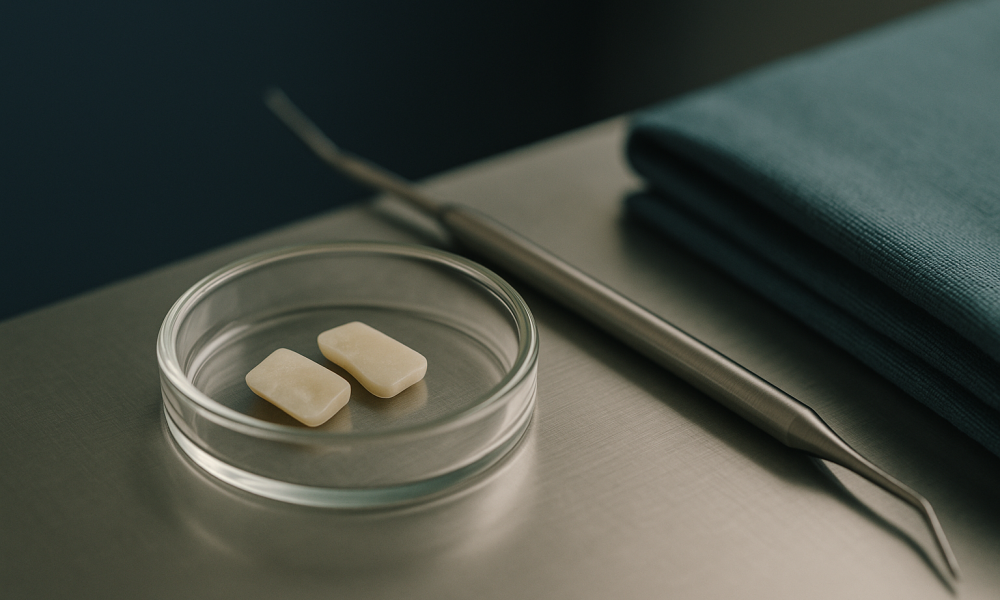
Inlays and onlays are dental restoration techniques used to repair teeth that have moderate decay or damage, which is too substantial for a simple filling but not severe enough to require a crown. They are often referred to as indirect fillings because they are fabricated outside the mouth, typically in a dental laboratory, and then bonded to the tooth. Inlays fit within the cusps of the tooth, while onlays cover one or more cusps, providing additional coverage.
These procedures are particularly beneficial for individuals who have large cavities or fractures in their molars and premolars. Inlays and onlays are crafted from durable materials such as porcelain, composite resin, or gold, with porcelain being the most popular due to its natural appearance and strength.
Inlays and onlays are designed to restore the function and aesthetics of damaged teeth while preserving as much of the natural tooth structure as possible. They are ideal for patients who are looking to maintain a natural look, as they can be colour-matched to the existing teeth. This makes them a preferred choice for those who are concerned about the appearance of their dental work.
Patients from the United Kingdom often consider travelling to Turkey for inlays and onlays due to the cost-effectiveness and high standard of dental care available. In Turkey, the typical cost for an inlay or onlay ranges from £200 to £500 per tooth, which is significantly lower than the prices in the UK, where similar procedures can cost between £450 and £900 per tooth.
Moreover, Turkey is renowned for its experienced dental professionals and state-of-the-art facilities, making it an attractive destination for those seeking quality dental care at a more affordable price. The procedure usually requires two visits: one for preparing the tooth and taking impressions, and another for fitting the custom-made inlay or onlay.
Are you a good candidate?
Determining whether you are a suitable candidate for inlays and onlays involves assessing your dental health and the specific condition of your teeth. These restorations are ideal for individuals whose teeth have suffered moderate damage but retain sufficient structure to support the restoration. Here are some criteria to consider:
- Moderate Decay or Damage: Suitable for teeth with moderate decay that cannot be effectively treated with a filling but do not require a crown.
- Fractured Teeth: Ideal for teeth with fractures that need more support than a filling can provide.
- Preservation of Tooth Structure: Best for those who wish to preserve as much of their natural tooth as possible.
- Good Oral Hygiene: Candidates should have good oral hygiene practices to ensure the longevity of the inlay or onlay.
- Healthy Gums: Healthy gums are crucial for the success of the procedure as they provide a stable foundation for the restoration.
- No Bruxism: Individuals who do not suffer from bruxism (teeth grinding), which can damage the restoration.
- Non-Smokers: Non-smokers or those willing to quit smoking, as smoking can affect healing and the longevity of dental work.
Before proceeding with the procedure, a comprehensive dental examination is necessary. This will include X-rays and possibly digital scans to assess the extent of the decay or damage and to plan the treatment. Your dentist will discuss the best material options based on your dental needs and aesthetic preferences.
If you meet these criteria and are considering travelling for dental treatment, Turkey offers a range of advantages. The combination of skilled professionals, advanced technology, and competitive pricing makes it a strong contender for those seeking dental restoration solutions. However, it is important to consult with a dental professional to ensure that inlays or onlays are the most appropriate treatment for your specific dental condition.
The procedure, step by step
Inlays and onlays are popular restorative dental procedures, especially for patients seeking high-quality care at a more affordable cost. The process typically involves two visits to the dentist, and here is a detailed step-by-step guide to what you can expect during your treatment in Turkey.
- Initial Consultation: During your first visit, the dentist will conduct a comprehensive examination of your teeth. This involves X-rays and possibly digital scans to assess the extent of the damage and decide whether an inlay or onlay is the appropriate treatment. You will have an opportunity to discuss your options and any concerns you may have. The dentist will also explain the materials available, such as porcelain, composite resin, or gold, and help you choose the best one for your needs.
- Tooth Preparation: Once the treatment plan is confirmed, the dentist will prepare the affected tooth. This involves removing any decayed or damaged portions. The aim is to preserve as much of the healthy tooth structure as possible, which is one of the advantages of opting for inlays or onlays over full crowns.
- Impression Taking: After the tooth is prepared, the dentist will take an impression of the area. This can be done using a traditional mould or a digital scanner. This impression is crucial as it will be used to craft a custom inlay or onlay that fits precisely into the prepared area.
- Temporary Restoration: A temporary inlay or onlay may be placed over the prepared tooth to protect it while the permanent version is being fabricated. This is typically done in a dental laboratory and can take a few days to a couple of weeks depending on the material and complexity.
- Fitting the Inlay/Onlay: On your second visit, the permanent inlay or onlay will be ready. The dentist will remove the temporary restoration and carefully fit the permanent piece. It is essential to ensure that the inlay or onlay fits perfectly, both aesthetically and functionally. Adjustments will be made as necessary to ensure a comfortable bite.
- Bonding Process: Once the fit is perfect, the dentist will bond the inlay or onlay to your tooth using a strong dental adhesive. This process involves cleaning the tooth surface, applying a bonding agent, and then securing the inlay or onlay in place. A special light may be used to harden the adhesive.
- Final Adjustments and Polishing: The final step involves making any necessary adjustments to the inlay or onlay to ensure a perfect bite. The dentist will also polish the restoration to give it a natural appearance that matches your other teeth.
Each step is crucial for the success of the treatment, and the careful attention to detail ensures that the inlay or onlay will function effectively for many years.
Recovery timeline
Recovering from an inlay or onlay procedure is generally straightforward, with most patients experiencing minimal discomfort. Here is a typical recovery timeline:
| Period | What to expect | Care notes |
|---|---|---|
| Day 1 | Immediately after the procedure, you may experience some numbness due to local anaesthesia. Slight sensitivity or discomfort is common once the anaesthesia wears off. | Avoid eating until numbness subsides to prevent accidental biting of your cheek or tongue. Stick to soft foods and avoid chewing on the treated side. |
| Days 2-3 | Any initial discomfort should begin to subside. Mild sensitivity to temperature changes may be present but should decrease. | Continue with soft foods and gradually reintroduce other foods as comfort allows. Maintain oral hygiene by brushing gently around the treated tooth. |
| Week 1 | The tooth should start feeling normal, with most sensitivity and discomfort resolved. The inlay or onlay should feel like a natural part of your tooth. | If discomfort persists, contact your dentist for a follow-up. Ensure good oral hygiene practices to aid recovery. |
| Week 2 | Full recovery is typically achieved, with the tooth functioning normally. The inlay or onlay should be fully integrated and comfortable. | Continue regular dental check-ups and cleanings. Use fluoride toothpaste to maintain the health of your teeth. |
| Beyond 2 Weeks | By this time, the restoration should be fully settled, and you should have no issues with the treated tooth. | Maintain regular dental hygiene and attend follow-up appointments as advised by your dentist to ensure long-term success of the treatment. |
While recovery is typically smooth, individual experiences may vary. It’s important to follow your dentist’s specific advice to ensure optimal healing and longevity of the inlay or onlay.
What it costs: Turkey vs the United Kingdom
When considering inlays and onlays, cost is a significant factor for many patients. Turkey has become a popular destination for dental treatments, offering competitive pricing compared to the United Kingdom. However, it’s crucial to understand that these figures are indicative and can vary based on the complexity of the case, the materials used, and the specific clinic.
In the United Kingdom, the typical cost for an inlay or onlay ranges from £450 to £800 per tooth. This price generally covers the material cost, dentist fees, and sometimes the initial consultation. However, additional charges may apply for follow-up visits or if more complex procedures are required.
In Turkey, the cost for similar treatments is generally lower, with prices ranging from £150 to £350 per tooth. This often includes the cost of materials, dentist fees, and necessary follow-up appointments. Many clinics in Turkey offer package deals that may include airport transfers, accommodation, and even local transportation, providing a comprehensive service for international patients.
| Country | Indicative Price Range (per tooth) | Typical Inclusions |
|---|---|---|
| United Kingdom | £450 – £800 | Material costs, dentist fees, initial consultation |
| Turkey | £150 – £350 | Material costs, dentist fees, follow-up visits, potential package deals including accommodation |
It’s important to communicate with the clinic beforehand to understand what exactly is included in the quoted price and whether there are any additional costs. This transparency can help ensure that there are no unexpected expenses during the treatment process.
Patients should also consider the cost of travel and accommodation when planning their treatment in Turkey. While some clinics offer packages that cover these expenses, others may not, so it’s essential to factor these costs into the overall budget for the treatment.
Risks and how accredited providers manage them
Like any medical procedure, inlays and onlays carry certain risks, though they are generally considered safe and effective. Understanding these risks and how accredited providers in Turkey manage them can help reassure prospective patients.
The primary risks associated with inlays and onlays include allergic reactions to the materials used, tooth sensitivity, and the potential for the inlay or onlay to become loose or dislodged over time. Additionally, as with any dental procedure, there is a risk of infection if proper hygiene is not maintained.
Accredited dental providers in Turkey adhere to stringent international standards to mitigate these risks. Many clinics are certified by global health organisations, ensuring that they follow best practices in dental care. This includes using high-quality materials that are less likely to cause allergic reactions and employing advanced techniques to ensure a precise fit and long-lasting results.
To address the risk of tooth sensitivity, Turkish dental professionals often use desensitising agents during the procedure and provide patients with detailed aftercare instructions. This helps minimise discomfort and ensures a smoother recovery process.
Infection control is a top priority for accredited clinics. They maintain rigorous sterilisation protocols, use disposable instruments where possible, and ensure that all staff are trained in hygiene practices. This reduces the risk of post-procedural infections significantly.
Additionally, clinics often provide comprehensive follow-up care as part of their service package. This includes regular check-ups to ensure that the inlay or onlay is performing as expected and to address any concerns that may arise. This ongoing care is crucial for maintaining the health and longevity of the treatment.
Patients considering treatment in Turkey should ensure that their chosen clinic is accredited and inquire about the specific measures they take to manage risks. This can include asking about the materials used, the qualifications of the dental professionals, and the clinic’s track record with similar procedures.
Choosing a reputable provider with a strong emphasis on patient safety and quality care can significantly reduce the risks associated with inlays and onlays, making Turkey a viable and attractive option for dental treatment.
How to choose the right provider
When considering inlays and onlays in Turkey, selecting the right dental provider is paramount. Begin by ensuring that the clinic is accredited by a recognized international body, such as the Joint Commission International (JCI) or the International Organization for Standardization (ISO). Accreditation signifies adherence to global healthcare standards, ensuring quality and safety.
Next, evaluate the experience of the dental professionals involved. Look for dentists who are not only qualified but have significant experience in restorative dentistry, particularly inlays and onlays. Many clinics offer profiles of their dental team on their websites. Look for evidence of continuing education and membership in international dental associations, which indicate a commitment to staying current with the latest techniques and technologies.
Aftercare is another crucial consideration. A reputable provider will offer comprehensive aftercare instructions and support, including follow-up consultations and emergency contact information. Ensure that the clinic provides a clear aftercare plan tailored to your needs, which may include advice on oral hygiene, dietary restrictions, and follow-up visits.
Be vigilant about potential red flags. Avoid clinics that make unrealistic promises or guarantee specific outcomes, as these are often not feasible. Be cautious of providers that offer significantly lower prices than others; this could indicate a compromise on quality or safety. Check for transparent pricing structures with detailed breakdowns of costs to avoid hidden fees.
Finally, read reviews and testimonials from previous patients. Look for consistent positive feedback on the quality of care, professionalism, and patient satisfaction. However, exercise caution with overly positive or excessively negative reviews, as they may not always be genuine.
Planning your trip
Planning your trip to Turkey for inlays and onlays requires careful preparation to ensure a smooth experience. Begin by scheduling your initial consultation with your chosen provider, which can often be conducted virtually. This consultation will help establish a treatment timeline and understand the procedure details.
Typically, you should plan to arrive in Turkey at least one to two days before your procedure to allow for any pre-treatment assessments. The entire stay, including the procedure and initial recovery, usually ranges from 5 to 7 days. This timeframe allows for sufficient recovery and any necessary follow-up appointments before returning home.
Ensure you have all necessary documents ready, including your passport, visa (if required), and any medical records or dental X-rays that your provider may need. It’s advisable to have a comprehensive travel insurance policy that covers medical tourism, ensuring you’re protected against unforeseen circumstances.
Consider the logistics of your stay, including accommodation and transport. Many clinics offer packages that include airport transfers and hotel accommodations, providing convenience and peace of mind. If you prefer to book independently, choose accommodations close to your clinic to minimize travel time.
Post-procedure, you should plan for follow-up care once back in the UK. Arrange a consultation with your local dentist to ensure that your inlays or onlays are settling correctly and to address any concerns promptly. Maintaining open communication with your Turkish provider is also beneficial for ongoing support.
Finally, familiarize yourself with the local culture and healthcare system to enhance your experience. Understanding basic Turkish phrases and customs can improve your interactions and make your stay more enjoyable.
Frequently Asked Questions
What is the typical cost of inlays and onlays in Turkey?
The cost of inlays and onlays in Turkey varies depending on the complexity of the case and the materials used. Generally, you can expect to pay between £250 and £500 per tooth, which is often more affordable compared to UK prices. Always confirm the total cost with your provider, including any additional fees for consultations or aftercare.
Are inlays and onlays in Turkey safe?
Inlays and onlays in Turkey are generally safe when performed by accredited and experienced dental professionals. Clinics with international accreditation adhere to high safety standards. It's important to research and choose a reputable provider, check their credentials, and ensure they follow strict hygiene protocols to minimise risks.
How long do I need to stay in Turkey for the procedure?
For inlays and onlays, you should plan to stay in Turkey for at least 5 to 7 days. This duration allows for your initial consultation, the procedure itself, and any necessary follow-up appointments. It also provides time for initial recovery before you travel back to the UK.
What documents do I need to bring for my dental treatment in Turkey?
You will need your passport, and possibly a visa, depending on your nationality. Additionally, bring any relevant medical records or recent dental X-rays. It's also wise to have a list of any medications you are currently taking and any allergies you have.
How do I verify the accreditation of a Turkish dental clinic?
To verify the accreditation of a Turkish dental clinic, look for certification from recognized bodies such as the Joint Commission International (JCI) or the International Organization for Standardization (ISO). You can often find this information on the clinic's website or by contacting them directly for verification.
Will there be a language barrier during my treatment?
Most reputable clinics in Turkey serving international patients have English-speaking staff. However, it's a good idea to confirm this when booking your appointment. Some clinics may also offer translation services if needed, ensuring clear communication throughout your treatment.
How soon can I eat after getting inlays or onlays?
After getting inlays or onlays, it's typically recommended to wait at least 24 hours before eating hard or sticky foods. This allows the material to fully bond with your tooth. Your dentist will provide specific instructions tailored to your situation, including any dietary restrictions to follow.
What should I do if I have complications after returning to the UK?
If you experience complications after returning to the UK, contact your Turkish provider immediately for advice. It's also important to see a local dentist to assess the situation. Most reputable clinics offer remote consultations and support for follow-up care, ensuring you receive the necessary assistance.
How can I manage pain after the procedure?
Mild discomfort is normal after receiving inlays or onlays. Over-the-counter pain relievers like ibuprofen or paracetamol are usually effective. Your dentist will provide specific aftercare instructions, including any recommended medications, to manage pain and ensure a smooth recovery.
Can I travel alone for my dental procedure in Turkey?
Yes, you can travel alone for your dental procedure in Turkey. However, it's advisable to inform someone about your travel plans and keep them updated. Clinics often provide support services, including transportation and accommodation, to assist solo travellers during their stay.
Is it possible to combine my dental treatment with a holiday in Turkey?
Many patients choose to combine their dental treatment with a holiday in Turkey. However, it's important to consider the recovery period after your procedure. Consult with your dentist to ensure your holiday plans do not interfere with your recovery and aftercare requirements.
Will my UK dentist support my follow-up care after treatment abroad?
Most UK dentists will support follow-up care after treatment abroad, though it's wise to discuss this with them prior to your trip. Ensure you have all necessary documentation from your Turkish provider to facilitate seamless continuity of care when you return home.