
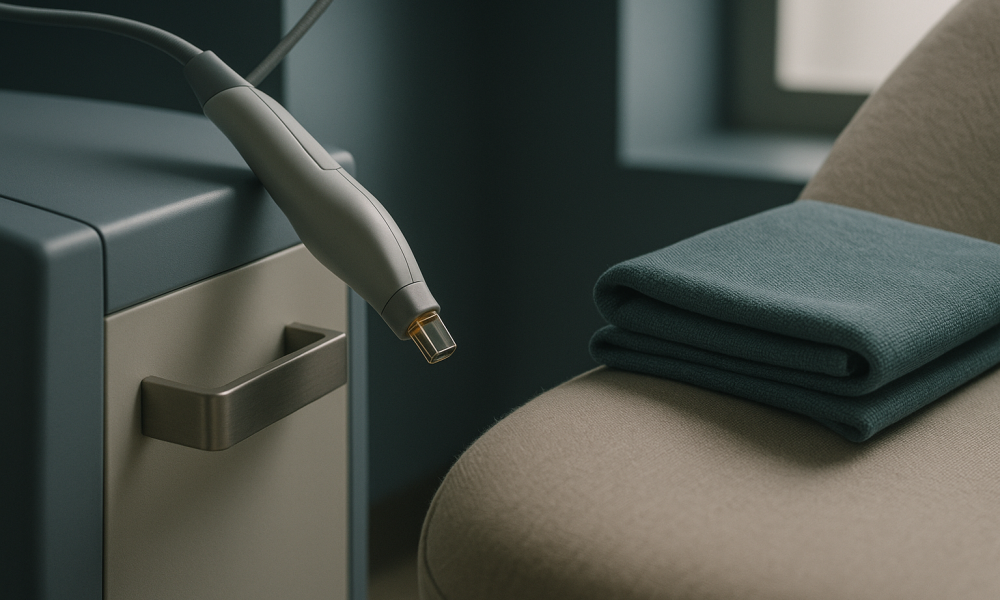
What Laser Hair Removal is and who it is for
Laser hair removal is a medical procedure that utilises concentrated light beams to remove unwanted hair. The laser targets the pigment in the hair, damaging the hair follicle and inhibiting future growth. It is a popular choice for those seeking long-term hair reduction and is often performed on areas such as the face, legs, arms, underarms, and bikini line. The procedure is typically performed in a series of sessions, with most individuals requiring 6 to 8 treatments for optimal results.
The appeal of laser hair removal lies in its effectiveness and precision. Unlike traditional methods such as shaving or waxing, laser hair removal offers a more permanent solution by targeting the hair root. Suitable for both men and women, it can effectively treat most hair colours and skin types, although outcomes can vary based on individual factors such as hair colour, skin tone, and hormonal influences.
Turkey has emerged as a leading destination for medical tourism, offering laser hair removal at competitive rates compared to many Western countries. The combination of skilled practitioners, modern facilities, and cost-effectiveness has made Turkey an attractive option for international patients. Clinics in Turkey adhere to international standards, ensuring a safe environment for the procedure.
It is important to note that while laser hair removal significantly reduces hair growth, it does not guarantee complete hair removal. Some hair may re-grow over time, although it is usually finer and lighter. Maintenance treatments may be required to sustain the results. Patients are advised to consult with a qualified dermatologist or laser specialist to determine the most suitable treatment plan tailored to their specific needs and expectations.
Are you a good candidate?
Determining whether you are a good candidate for laser hair removal involves considering several factors. The procedure is highly effective for many, but not universally suitable for everyone. Here’s a checklist to help you assess your suitability:
- Hair Colour: Laser hair removal is most effective on dark hair because the laser targets melanin, the pigment in the hair. Those with blonde, grey, or red hair may not experience optimal results.
- Skin Tone: While advances in technology have made the procedure accessible for various skin tones, individuals with lighter skin and darker hair generally see the best results. Specialised lasers are available for darker skin tones.
- Medical History: Certain medical conditions or medications can affect the safety and efficacy of the procedure. Conditions such as polycystic ovary syndrome (PCOS) or hormonal imbalances may influence hair growth patterns and should be discussed with a healthcare provider.
- Sun Exposure: Avoid excessive sun exposure before and after treatment, as tanned skin can increase the risk of side effects such as burning and discolouration.
- Commitment to Multiple Sessions: Laser hair removal requires multiple sessions to achieve desired results. Candidates should be prepared for a course of treatments, typically spaced 4 to 6 weeks apart.
- Pregnancy: It is generally advised to postpone laser hair removal until after pregnancy, as hormonal changes can affect hair growth patterns.
To ensure the best outcome, a thorough consultation with a certified laser specialist is essential. They will evaluate your skin type, hair characteristics, and overall health to create a personalised treatment plan. Additionally, discussing any concerns or questions with your specialist will help set realistic expectations and improve your overall experience.
The procedure, step by step
Laser hair removal is a widely sought-after procedure for those looking to reduce unwanted hair with long-lasting results. In Turkey, the process is carried out by trained professionals using advanced laser technology. Here is a step-by-step guide to what you can expect during the procedure:
- Initial Consultation: The process begins with a detailed consultation with a dermatologist or laser specialist. During this session, your medical history will be reviewed, and a skin test may be conducted to determine the most suitable laser type for your skin and hair.
- Preparation: Prior to the procedure, you may be advised to avoid sun exposure and any form of tanning for at least two weeks. Shaving the treatment area 24 hours before your appointment is generally recommended to allow the laser to target the hair follicle directly.
- Pre-Treatment Care: On the day of the procedure, the treatment area will be cleansed thoroughly. A topical anaesthetic cream may be applied to minimise discomfort, though many patients report only mild sensations during the procedure.
- Laser Application: The laser device will be adjusted based on the colour, thickness, and location of your hair as well as your skin tone. The practitioner will guide the laser over the treatment area, and each pulse will target hair follicles with precision. Depending on the size of the area, this can take from a few minutes to an hour.
- Post-Treatment Care: After the laser application, a cooling device or gel may be used to soothe the skin. You will be given specific aftercare instructions to ensure optimal results and minimise side effects.
- Follow-Up Sessions: Multiple sessions are typically required to achieve the best results, as hair grows in cycles. Sessions are usually spaced 4-6 weeks apart, and most individuals require between 6 to 8 treatments.
Following these steps ensures a thorough and effective laser hair removal experience, with each phase designed to maximise both safety and efficacy.
Recovery timeline
The recovery timeline for laser hair removal is generally straightforward, but understanding what to expect can help you manage the process more effectively. Here’s a detailed breakdown:
| Period | What to expect | Care notes |
|---|---|---|
| Day 1 | Immediately following the procedure, you may experience redness and swelling similar to a mild sunburn. | Apply aloe vera gel or a cold compress to soothe the skin. Avoid hot showers and saunas. |
| Days 2-3 | Redness begins to subside. Some patients may notice slight discomfort or a tingling sensation. | Continue to moisturise the area and avoid sun exposure. Use gentle skincare products. |
| Week 1 | The treated area may appear slightly darker or tanned. Hair in the treated area may seem to grow but will eventually shed. | Avoid exfoliating the area and refrain from using any harsh chemicals. Wear sunscreen if exposed to sunlight. |
| Weeks 2-4 | Shed hair will start to fall out, giving an impression of regrowth, which is normal. | Do not pluck or wax the area. Gentle shaving is permitted if necessary. |
| Weeks 4-6 | Most initial side effects should have resolved. Expect a noticeable reduction in hair density. | Follow up with your next scheduled session. Maintain skincare routine to support skin health. |
| Full Recovery | After the completion of all sessions, you should experience significant hair reduction. | Maintain a consistent sunscreen application routine to protect treated areas. |
By following these guidelines, you can ensure a smooth recovery process while maximising the effectiveness of your laser hair removal treatment.
What it costs: Turkey vs Europe
When considering laser hair removal, the cost is a significant factor for many patients. Turkey has emerged as a popular destination for this treatment, not only because of the quality of care but also due to its competitive pricing compared to many European countries. It is important to understand that the cost of laser hair removal can vary based on several factors, including the size of the area being treated, the number of sessions required, and the technology used. Below is a comparison of indicative price ranges for laser hair removal in Turkey and Europe.
| Region | Small Area (e.g., Upper Lip) | Medium Area (e.g., Underarms) | Large Area (e.g., Legs) |
|---|---|---|---|
| Turkey | €20 – €40 per session | €40 – €80 per session | €100 – €200 per session |
| Europe | €50 – €100 per session | €100 – €200 per session | €250 – €500 per session |
The table above highlights the indicative cost differences, with Turkey offering significantly lower prices on average. It’s essential to note that these figures are indicative and can vary based on the clinic’s location and reputation, as well as the specific technology used.
Many clinics in Turkey offer package deals that may include multiple sessions, which are often necessary for optimal results due to the hair growth cycle. These packages can provide further savings. For instance, a package for a small area might range from €100 to €200 for six sessions, while a medium area might cost around €200 to €400 for the same number of sessions. In Europe, similar packages might range from €300 to €600 for small areas and €500 to €1,000 for medium areas.
When evaluating costs, it is also important to consider what is included in the package. Typically, packages in Turkey not only cover the laser sessions but may also include consultations, aftercare products, and follow-up visits. This comprehensive approach can provide a more holistic treatment experience.
Risks and how accredited providers manage them
Laser hair removal is generally considered a safe procedure, but like any medical treatment, it carries certain risks. Understanding these risks and how they are managed by accredited providers in Turkey is crucial for making an informed decision.
The most common risks associated with laser hair removal include skin irritation, temporary redness or swelling, changes in skin pigmentation, and, in rare cases, blistering or scarring. Skin irritation is usually mild and subsides within a few hours to a day after treatment. Pigmentation changes, such as lightening or darkening of the skin, are typically temporary but can be more pronounced in individuals with darker skin tones.
Accredited providers in Turkey are well-versed in managing these risks to ensure patient safety and satisfaction. Key strategies they employ include:
- Pre-treatment Consultation: A thorough consultation is conducted to assess the patient’s skin type, hair type, and medical history. This helps tailor the treatment plan to minimize risks.
- Patch Test: A patch test is often performed on a small area of skin to observe how it reacts to the laser, ensuring that the chosen settings are safe and effective for the patient.
- Use of Advanced Technology: Many clinics in Turkey use state-of-the-art laser machines that allow for precise adjustments to accommodate different skin types, reducing the likelihood of adverse effects.
- Qualified Personnel: Treatments are administered by trained and certified professionals who are experienced in laser hair removal techniques, further ensuring patient safety.
- Post-treatment Care: Providers offer detailed aftercare instructions and products to help soothe the skin and promote healing, which can significantly reduce the risk of complications.
Furthermore, Turkey’s healthcare facilities are subject to national and international accreditation standards, which include rigorous protocols for patient safety and quality of care. Many clinics are accredited by organisations such as the Joint Commission International (JCI), which ensures adherence to high safety and quality standards.
While no procedure is without risk, choosing a reputable clinic with accredited professionals in Turkey can significantly mitigate potential complications, providing peace of mind for those seeking laser hair removal abroad.
How to choose the right provider
Choosing the right provider for laser hair removal in Turkey involves careful consideration of several factors to ensure a safe and effective treatment. One of the first steps is checking the accreditation of the clinic. Clinics should be certified by reputable organisations such as the Turkish Ministry of Health or international bodies like the Joint Commission International (JCI). Accreditation ensures that the clinic adheres to high standards of hygiene, safety, and patient care.
Next, evaluate the experience of the practitioners. Ideally, the procedure should be performed by a dermatologist or a qualified aesthetician with specialised training in laser hair removal. Ask about their years of experience and the number of procedures they have successfully completed. A provider with considerable experience can better tailor the treatment to your skin type and hair characteristics, reducing the risk of complications.
Aftercare is another critical component. A reputable clinic will have a comprehensive aftercare programme to monitor your recovery and address any concerns you may have post-treatment. This may include follow-up appointments, advice on skincare, and availability of staff for questions or issues that arise after you return home.
Be aware of red flags when choosing a provider. Avoid clinics that promise guaranteed results or have unusually low prices, as these could indicate substandard equipment or unqualified staff. Make sure that the equipment used is FDA-approved and well-maintained. Transparency about the procedure, including potential risks and realistic outcomes, is essential. Always ask for before-and-after photos of previous clients to gauge the expected results.
Planning your trip
Planning your trip for laser hair removal in Turkey requires careful attention to detail to ensure a smooth experience. Begin by establishing a timeline before travel. It is advisable to start consultations and gather information at least three months in advance. This allows ample time to research providers, book appointments, and make travel arrangements.
Ensure you have all the necessary documents in order. A valid passport is essential, and depending on your nationality, you may need a visa to enter Turkey. Check the latest visa requirements and apply online if necessary. Additionally, obtain all medical documents, including any relevant medical history or current medications, to discuss with your provider.
Consider the length of stay required. Although the laser hair removal procedure itself is often quick, typically lasting 30 to 60 minutes per session, multiple sessions may be necessary. Plan for an initial stay of at least a week for consultation and the first treatment. Factor in any required downtime for recovery and potential follow-up sessions, which may require additional visits.
Finally, plan for follow-up care at home. Before leaving Turkey, ensure you have a detailed aftercare plan. This should include guidelines for skincare, signs of complications, and contact details for your provider in case you need further advice. Look into local dermatologists or clinics in your home country for potential follow-up appointments, ensuring continuity of care if needed.
Frequently Asked Questions
What is the typical cost of laser hair removal in Turkey?
The cost of laser hair removal in Turkey varies depending on the treatment area and the number of sessions required. As an indicative range, prices can start from €50 to €300 per session. Larger areas like the back or legs may be at the higher end of the spectrum, while smaller areas like the upper lip or chin are generally less expensive. Always confirm pricing with your chosen clinic beforehand.
How many sessions are required for effective laser hair removal?
Effective laser hair removal typically requires multiple sessions, with most patients needing between 6 to 8 treatments. The exact number depends on factors such as hair colour, hair thickness, and the area being treated. Sessions are usually spaced 4 to 6 weeks apart to allow for hair growth cycles. Your provider will tailor a treatment plan to best suit your individual needs.
Is laser hair removal safe?
Laser hair removal is generally considered safe when performed by a qualified and experienced practitioner. The procedure uses focused laser light to target hair follicles, reducing the risk of damage to surrounding skin. Common side effects include redness and swelling, which typically subside within a few hours. Serious complications are rare but can include burns or pigment changes, underscoring the importance of choosing a reputable provider.
What should I expect during the procedure?
During the procedure, you'll be asked to wear protective eyewear to shield your eyes from the laser light. The practitioner will apply a cooling gel to the skin and then use a handheld laser device to target hair follicles. You may feel a slight stinging sensation, similar to a rubber band snapping against the skin. The duration of the procedure varies based on the size of the area being treated.
How soon can I see results from laser hair removal?
Results from laser hair removal are not immediate. Hair will gradually fall out over the weeks following each session. Some patients notice a reduction in hair growth after the first few treatments, but optimal results are typically visible after completing the full course of sessions. Maintenance treatments may be necessary to address new hair growth over time.
Are there any pre-treatment instructions I should follow?
Yes, there are several pre-treatment instructions to follow. Avoid sun exposure and tanning beds for at least two weeks before your session. Refrain from waxing or plucking the hair in the treatment area, as the laser targets hair roots. Shave the area 24 to 48 hours before the appointment to ensure the laser can effectively target the follicles. Follow any additional guidelines provided by your clinic.
How long does each laser hair removal session take?
The duration of each laser hair removal session depends on the size of the treatment area. Small areas like the upper lip or chin can take as little as 10 to 15 minutes, while larger areas such as the legs or back may take up to an hour. Your provider will give you an estimated time for your specific treatment during the initial consultation.
What is the recovery time after laser hair removal?
Recovery time after laser hair removal is typically minimal. Most patients experience mild redness and swelling, akin to a mild sunburn, which usually subsides within a few hours to a day. It's important to avoid sun exposure and apply soothing creams as recommended by your provider. Adhering to aftercare instructions will help minimize discomfort and ensure optimal results.
Can I combine laser hair removal with other treatments during my trip?
Combining laser hair removal with other aesthetic treatments can be possible, but it requires careful planning. Discuss your intentions with your provider to ensure compatibility and avoid overloading your skin. Some treatments may need to be spaced out to prevent irritation or interference with healing. Your provider can help you create a safe and effective treatment schedule.
Will laser hair removal work on all skin types?
Laser hair removal can be effective on various skin types, but results may vary. The procedure works best on light skin with dark hair due to the contrast that allows the laser to target hair follicles more effectively. Advances in laser technology have improved outcomes for darker skin tones, but it's crucial to consult with an experienced provider to assess suitability and tailor the approach accordingly.
How do I maintain results after completing my sessions?
To maintain results after completing your laser hair removal sessions, follow a regular skincare routine and avoid sun exposure to the treated areas. You may need occasional maintenance sessions, typically once or twice a year, to address any new hair growth. Staying in touch with your provider for follow-up advice and monitoring can help prolong the results of your treatment.
Are there any risks associated with travelling for laser hair removal?
Travelling for laser hair removal carries some risks, such as communication barriers, unfamiliarity with the local healthcare system, and potential logistical challenges. To mitigate these risks, research thoroughly, choose accredited clinics with experienced practitioners, and ensure clear communication about your expectations and medical history. Preparing thoroughly can help ensure a safe and successful treatment experience.