
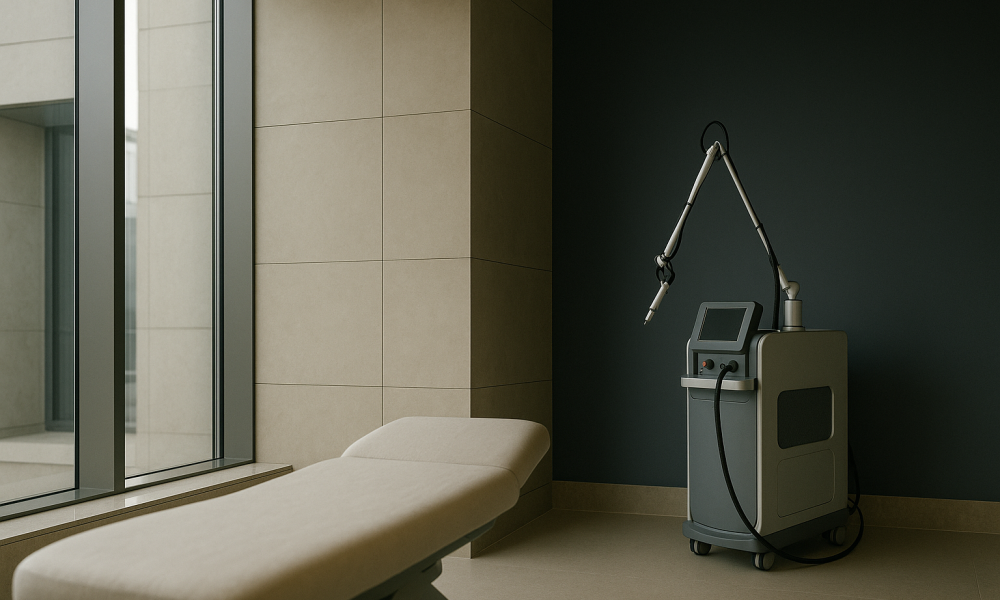
What Laser Hair Removal is and who it is for
Laser hair removal is a popular cosmetic procedure designed to remove unwanted body hair through the use of concentrated light beams. This technique focuses on the pigment in the hair follicles, effectively damaging them and inhibiting future growth. It is most commonly used on areas such as the face, legs, arms, underarms, and bikini line, but can be applied almost anywhere on the body where hair removal is desired.
The procedure involves a laser emitting a light absorbed by the melanin in the hair. The light energy is converted to heat, which damages the hair follicles within the skin. This damage delays or inhibits future hair growth, making it a long-term solution compared to traditional methods like shaving, waxing, or plucking. While laser hair removal effectively slows hair growth, it typically requires multiple sessions for optimal results, as hair grows in cycles.
Laser hair removal is particularly beneficial for individuals with light skin and dark hair, as the contrast allows the laser to target the hair more precisely. However, advancements in technology have made it possible to treat a wider range of skin tones and hair colours. It is essential to have a consultation with a qualified healthcare provider to determine the most suitable type of laser for your skin and hair type.
In Turkey, laser hair removal is performed by experienced professionals using state-of-the-art technology. The country is an increasingly popular destination for medical tourism, offering high-quality care at competitive prices. Patients can expect to pay between £150 and £400 per session, depending on the treatment area and the number of sessions required. This cost is significantly lower than in many Western countries, making Turkey an attractive option for individuals considering this procedure.
Are you a good candidate?
Determining whether you are a good candidate for laser hair removal involves evaluating various factors related to your health, skin type, and hair characteristics. Before proceeding with the treatment, it is crucial to consult with a qualified professional who can assess your individual needs and expectations.
Here is a checklist of criteria to consider:
- Skin Type: Individuals with lighter skin and darker hair are traditionally the best candidates, as the laser targets the pigment in the hair. However, recent advancements have made it possible to treat a broader range of skin tones effectively.
- Hair Colour and Thickness: Dark, coarse hair absorbs laser energy more effectively, leading to better outcomes. Light-coloured hair, such as blonde, red, or grey, may not respond as well, requiring specialised lasers or alternative methods.
- Health Condition: Candidates should be in good general health. Those with certain medical conditions or taking specific medications may need to avoid laser hair removal.
- Sun Exposure: It is advisable to avoid sun exposure before and after treatment. Tanned skin can increase the risk of side effects, and sunburned skin should not be treated.
- Realistic Expectations: While laser hair removal can significantly reduce hair growth, it may not completely eliminate it. Multiple sessions are often required for the best results.
- Commitment to Multiple Sessions: Typically, 3-6 sessions are needed, spaced about 4-6 weeks apart, to achieve optimal results. The exact number of sessions will depend on individual hair growth cycles and the treatment area.
In summary, a thorough consultation with a qualified practitioner in Turkey will help determine your suitability for laser hair removal. This process involves a detailed assessment of your skin and hair characteristics, as well as a review of your medical history and lifestyle factors. By ensuring you meet the necessary criteria, you can achieve the best possible outcomes from your laser hair removal experience.
The procedure, step by step
Laser hair removal in Turkey is a precise procedure designed to provide long-term reduction in hair growth. It involves the use of concentrated light beams that target hair follicles, inhibiting future growth. Here’s a detailed step-by-step guide on what to expect:
- Initial Consultation: Before the procedure, you will attend a consultation with a qualified dermatologist or laser technician. During this session, your skin type, hair type, and medical history will be evaluated to determine the most suitable laser technology and settings for you.
- Patch Test: A patch test is often conducted to assess how your skin reacts to the laser. This helps in calibrating the laser settings to minimise any potential side effects. It usually takes place a few days before the full treatment.
- Pre-Treatment Preparation: On the day of the procedure, the treatment area will be cleaned and shaved. Shaving is necessary to ensure that the laser energy is directed at the hair follicles rather than the surface hair.
- Protective Measures: Both you and the technician will wear protective eyewear to safeguard against accidental exposure to the laser beams.
- Laser Application: The laser device is adjusted according to your skin type and hair characteristics. The technician will apply a cooling gel or device to the skin to enhance comfort and protect the skin. The laser is then applied to the treatment area in a systematic manner.
- Sensation During the Procedure: You might feel a slight tingling or snapping sensation as the laser pulses are delivered. Many describe it as similar to the snap of a rubber band against the skin. The duration of the session depends on the size of the area being treated, ranging from 15 minutes for small areas to over an hour for larger areas like the back or legs.
- Post-Treatment Care: After the session, a soothing cream or gel may be applied to reduce any discomfort. You will also receive detailed aftercare instructions to ensure optimal results and minimise any side effects.
It is important to note that laser hair removal requires multiple sessions, typically between 6 to 8, spaced about 4 to 6 weeks apart, to achieve the best results. The exact number of sessions will depend on individual factors such as hair colour, thickness, and the treatment area.
Recovery timeline
Understanding the recovery timeline following laser hair removal can help set realistic expectations and ensure that you follow the necessary care protocols. The table below outlines typical recovery phases:
| Period | What to expect | Care notes |
|---|---|---|
| Day 1 | Immediately after the procedure, you may experience redness and slight swelling in the treated area. This is a normal reaction and usually subsides within a few hours. | Apply a cold compress to reduce swelling. Avoid applying makeup or perfumed products on the treated area. |
| Days 2-3 | The redness should begin to fade, and the skin may feel slightly sensitive. Some patients report a sunburn-like sensation. | Continue to avoid direct sun exposure. Use a high-factor sunscreen if you need to be outdoors. Gentle moisturisers may be applied to soothe the skin. |
| Week 1 | Any initial discomfort should have subsided. You might notice some hair shedding, which is a sign that the treatment is working. | Exfoliate gently to help remove dead hair and skin cells. Keep the area moisturised. |
| Weeks 2-4 | The treated area will continue to improve, with hair regrowth appearing finer and more sparse. Some areas may respond more quickly than others. | Maintain a good skincare routine and avoid waxing or plucking hairs between sessions. |
| Full recovery | By the end of the full treatment course, usually after several sessions, you should see a significant reduction in hair growth. | Follow-up sessions may be needed for maintenance. Continue using sun protection to preserve skin health. |
While the typical timeline provides a general guide, individual recovery can vary based on skin type, hair characteristics, and adherence to aftercare instructions. It’s important to remain patient and follow all post-treatment guidelines provided by your technician to achieve the best possible results.
What it costs: Turkey vs the United States
When considering laser hair removal, cost is a key factor for many prospective patients. In Turkey, the cost of laser hair removal is generally lower than in the United States, making it an attractive option for international patients. However, it’s crucial to understand that costs can vary based on the clinic, the technology used, and the specific areas of the body being treated.
In the United States, the cost of laser hair removal can range significantly. For example, treating a small area such as the upper lip might cost anywhere from $150 to $300 per session. Larger areas, such as full legs, can range from $600 to $900 per session. Packages that offer multiple sessions are commonly available, and these can provide some cost savings.
In Turkey, the indicative cost for laser hair removal is generally lower. Treating a small area might range from $50 to $100 per session, while larger areas like full legs may cost between $200 to $400 per session. Many Turkish clinics offer package deals that include multiple sessions, which can further reduce the overall cost.
| Area | United States (per session) | Turkey (per session) |
|---|---|---|
| Upper Lip | $150 – $300 | $50 – $100 |
| Underarms | $200 – $400 | $75 – $150 |
| Bikini Line | $250 – $500 | $100 – $200 |
| Full Legs | $600 – $900 | $200 – $400 |
It’s important to note that these figures are indicative and can vary. Patients should inquire directly with clinics to get accurate quotes based on their individual needs. Many clinics in Turkey also offer comprehensive packages that might include transportation, accommodation, and post-treatment care, providing added value for international patients.
Risks and how accredited providers manage them
While laser hair removal is generally considered a safe procedure, it is not without its risks. Understanding these risks and how accredited providers in Turkey manage them is vital for prospective patients.
The most common risks associated with laser hair removal include skin irritation, changes in skin colour, and, in rare cases, blistering or scarring. Skin irritation, such as redness and swelling, is typically temporary and subsides within a few hours to a few days. Changes in skin colour, such as hyperpigmentation or hypopigmentation, can occur, particularly in patients with darker skin tones, and may require additional treatment to resolve.
Accredited providers in Turkey are well-equipped to manage these risks effectively. They follow stringent protocols to ensure patient safety, which include conducting thorough consultations prior to the procedure. During these consultations, practitioners assess the patient’s skin type, hair colour, and medical history to determine the most appropriate laser technology and settings. This personalised approach helps minimise the risk of adverse effects.
Furthermore, accredited clinics in Turkey often use advanced laser technologies that are specifically designed to cater to various skin types. These technologies, such as diode lasers and Nd:YAG lasers, are known for their precision and safety. Providers are trained to adjust the laser’s intensity and delivery method based on the patient’s specific needs, which helps in reducing the risk of complications.
In addition to technological measures, accredited providers also implement comprehensive aftercare protocols. Patients are usually advised to avoid sun exposure and to use high-SPF sunscreen on treated areas to prevent skin discolouration. Providers may also recommend topical creams to soothe any irritation and promote healing. Follow-up appointments are typically scheduled to monitor the patient’s progress and address any concerns that may arise post-treatment.
Choosing an accredited provider is crucial, as they adhere to international standards of care and have the expertise to manage any unforeseen complications. Patients are encouraged to verify the credentials of the clinic and the practitioners, ensuring they are experienced and licensed to perform laser hair removal procedures.
How to choose the right provider
Choosing the right provider for laser hair removal in Turkey is crucial to achieving satisfactory results and ensuring your safety. Start by verifying the accreditation of the clinic. Look for certifications from recognised international bodies such as the Joint Commission International (JCI) or the International Organization for Standardization (ISO). These accreditations indicate adherence to high standards of care and safety.
Next, consider the experience of the practitioners. Research the qualifications and experience of the dermatologists or laser technicians who will perform the procedure. Ideally, they should have several years of experience in laser hair removal and be affiliated with reputable professional organisations. It is advisable to ask for before-and-after photos of previous patients to assess their work quality.
Aftercare is another important factor. A reputable clinic will offer comprehensive aftercare instructions and follow-up appointments to monitor your progress. They should provide information on what to expect post-procedure, including potential side effects like redness or swelling, and how to manage them effectively. Ensure that there is a clear communication channel available for you to reach the clinic if you have any concerns after returning home.
Be vigilant about red flags that may indicate substandard service. These include lack of transparency about the practitioner’s qualifications, absence of patient testimonials, and clinics that offer prices significantly lower than the typical range of £200-£500 per session. While cost is a consideration, extremely low prices can be indicative of compromised quality and safety.
Finally, consider the technology used. Ensure the clinic uses advanced laser equipment suitable for your skin type and hair colour. Different lasers, such as Alexandrite, Diode, and Nd:YAG, are designed for varying skin tones and hair types. A reputable provider will assess your specific needs and recommend the most appropriate technology for you.
Planning your trip
Effective planning is key to a smooth medical tourism experience. Begin by organising your timeline well in advance. It is advisable to start planning at least three to six months before your intended travel date. This allows ample time to research providers, secure appointments, and arrange travel logistics.
Ensure that your passport is valid for at least six months beyond your planned departure date. Depending on your nationality, you may also need a visa to enter Turkey. Check the latest requirements with the Turkish consulate or embassy in your area.
When booking your stay, consider the length of time needed for the procedure and initial recovery. Typically, laser hair removal sessions are quick, often taking less than an hour. However, multiple sessions are usually required, spaced four to six weeks apart. If you plan to complete several sessions in Turkey, you may need to stay for an extended period or plan multiple trips. Discuss this with your provider to understand the recommended schedule.
Plan for a few extra days in Turkey to allow for any unforeseen delays and to enjoy some leisure time. Istanbul and other major cities offer a range of cultural attractions that can enhance your travel experience.
Regarding follow-up care, discuss with your provider how post-treatment monitoring will be handled once you return home. They should provide detailed instructions on aftercare and how to recognise any complications. Additionally, they may suggest a follow-up appointment with a local dermatologist to ensure ongoing care.
Finally, consider travel insurance that covers medical tourism. This can provide additional peace of mind by covering unexpected medical expenses, cancellations, or delays. Policies vary, so ensure you understand what is covered and any exclusions that may apply.
Frequently Asked Questions
What is the typical cost of laser hair removal in Turkey?
The typical cost of laser hair removal in Turkey can range from £200 to £500 per session. The exact price depends on factors such as the area being treated, the clinic's location, and the type of laser technology used. It's essential to confirm all costs upfront, including any potential additional fees for consultation or follow-up appointments.
How many sessions are typically needed for effective laser hair removal?
Most patients require between six to eight sessions of laser hair removal for optimal results. The exact number of sessions needed can vary based on individual factors such as hair colour, skin type, and the specific area being treated. Sessions are typically spaced four to six weeks apart to align with the hair growth cycle.
Is laser hair removal safe?
Laser hair removal is generally considered safe when performed by qualified professionals using appropriate equipment. However, as with any medical procedure, there are risks of side effects such as temporary redness, swelling, or pigmentation changes. Choosing a reputable clinic with experienced practitioners can minimise these risks.
What should I expect during a laser hair removal session?
During a laser hair removal session, the practitioner will apply a cooling gel to the treatment area to enhance comfort. The laser device is then used to target hair follicles with concentrated light. You may experience a mild stinging sensation similar to a rubber band snapping against the skin. Sessions are relatively quick, often lasting less than an hour depending on the treatment area.
How can I prepare for my laser hair removal appointment?
Before your laser hair removal appointment, avoid sun exposure and tanning products for at least four weeks. Shave the treatment area 24 hours before the session to ensure the laser targets the hair follicle effectively. Additionally, refrain from using skincare products containing retinoids or alpha-hydroxy acids in the days leading up to your appointment.
Are there any side effects of laser hair removal?
Common side effects of laser hair removal include temporary redness, swelling, and a sunburn-like sensation in the treated area. These effects typically subside within a few hours to a few days. In rare cases, more severe side effects such as blistering or changes in skin pigmentation may occur, particularly if performed improperly or on unsuitable skin types.
Can I undergo laser hair removal if I have dark skin?
Yes, individuals with dark skin can undergo laser hair removal. However, it's crucial to choose a clinic that uses appropriate laser technology, such as Nd:YAG lasers, which are safer and more effective for darker skin tones. Ensure the practitioner is experienced in treating diverse skin types to minimise the risk of complications.
How long should I plan to stay in Turkey for my laser hair removal treatment?
The duration of your stay in Turkey for laser hair removal depends on your treatment plan. If planning multiple sessions, you may need to stay for several weeks or make multiple trips. Discuss your schedule with the provider to determine the best approach. Allow extra days for recovery and to enjoy local attractions.
What follow-up is required after returning home?
After returning home, follow the aftercare instructions provided by your Turkish clinic. This typically includes avoiding sun exposure and applying soothing creams to the treated area. If you notice any unusual side effects, consult a local dermatologist. Some clinics may recommend a follow-up appointment to ensure optimal results.
Are there any specific documents I need for my medical trip to Turkey?
For your medical trip to Turkey, ensure your passport is valid for at least six months beyond your travel date. You may also need a visa, depending on your nationality. It's advisable to carry copies of your medical records, treatment plan, and any correspondence with the clinic, as these documents may be required during consultations.
How do I verify the credentials of a Turkish clinic?
To verify the credentials of a Turkish clinic, check for international accreditations such as JCI or ISO. Review the qualifications and experience of the practitioners, and look for patient testimonials and before-and-after photos. Contacting the clinic directly for detailed information about their services and staff can also be beneficial.
What should I do if I experience complications after laser hair removal?
If you experience complications after laser hair removal, contact the clinic where you received treatment for guidance. They can advise on appropriate steps based on your symptoms. If the issue is severe or persists, seek medical attention from a local dermatologist. Early intervention is crucial to address any complications effectively.