
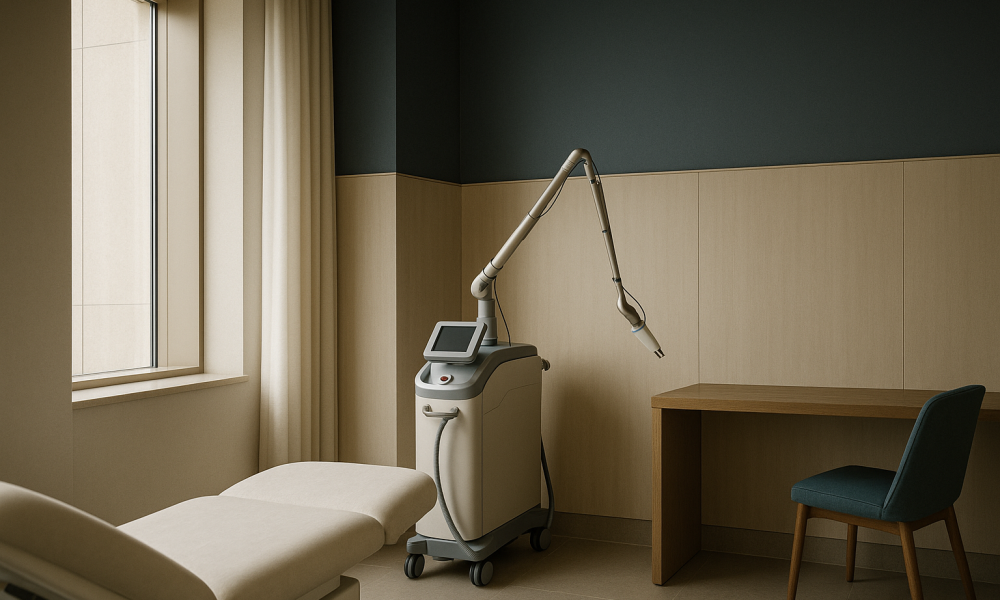
What Laser Skin Rejuvenation is and who it is for
Laser skin rejuvenation is a non-invasive cosmetic procedure designed to improve the appearance and texture of the skin. It utilises focused laser technology to target specific skin issues such as wrinkles, fine lines, sun damage, acne scars, and uneven pigmentation. The process works by directing concentrated beams of light at the skin, which encourages the production of collagen and elastin, vital proteins that help maintain skin’s firmness and elasticity.
There are several types of laser treatments used in skin rejuvenation, including ablative lasers, which remove the outer layers of skin, and non-ablative lasers, which work by heating up the underlying skin tissue without damaging the surface. Fractional lasers, a popular choice, offer a middle ground by targeting only a fraction of the skin at a time, promoting healing and reducing recovery time.
In Turkey, laser skin rejuvenation is performed by certified dermatologists or cosmetic surgeons with specialised training in laser therapy. The procedure typically lasts between 30 to 90 minutes, depending on the area being treated and the type of laser used. It is a popular choice among international patients due to the combination of high-quality care and competitive pricing.
Laser skin rejuvenation is suitable for individuals looking to address signs of ageing, sun damage, or scarring without undergoing invasive surgery. While the procedure is generally safe, it is essential to have a thorough consultation with a qualified practitioner to discuss your specific skin concerns and treatment goals. They can help you decide on the most appropriate type of laser treatment for your needs.
Patients should be aware that results can vary based on factors such as skin type, the severity of the skin issue, and the specific laser technology used. Most patients begin to see improvements in their skin within one to four weeks post-treatment, with full results developing over several months as the skin continues to heal and regenerate.
Are you a good candidate?
Determining whether you are a good candidate for laser skin rejuvenation involves assessing your skin type, medical history, and cosmetic goals. While this procedure can benefit many individuals, it is not suitable for everyone. Here are some criteria to consider:
- Skin Type: Laser treatments are generally more effective on lighter skin tones due to the risk of pigmentation changes in darker skin. However, advancements in laser technology have made it possible to treat a wider range of skin types safely.
- Skin Condition: Ideal candidates are those with mild to moderate skin concerns such as fine lines, sun damage, or superficial scars. Individuals with severe skin conditions might require alternative treatments or a combination approach.
- Medical History: Patients should disclose any history of skin disorders, such as eczema or psoriasis, as well as any medications that affect skin sensitivity. Certain conditions may increase the risk of complications.
- Realistic Expectations: Understand that laser skin rejuvenation can significantly improve skin appearance but may not completely eliminate all imperfections. Discuss your expectations with your practitioner to ensure they align with potential outcomes.
- Lifestyle Considerations: Candidates should be prepared to follow post-treatment care instructions, which may include avoiding sun exposure and using specific skincare products to enhance healing.
If you are considering laser skin rejuvenation in Turkey, it is advisable to consult with a professional who can evaluate your individual needs and recommend a tailored treatment plan. A thorough assessment will help ensure the procedure’s safety and effectiveness, allowing you to achieve the best possible results.
The procedure, step by step
Laser skin rejuvenation is a popular dermatological procedure aimed at reducing the appearance of wrinkles, scars, and other skin imperfections. It involves using concentrated beams of light to remove damaged skin layers and stimulate the growth of new skin cells. Here’s a step-by-step guide on what you can expect during the procedure:
- Consultation: The first step involves a thorough consultation with a qualified dermatologist or cosmetic surgeon. During this session, your medical history will be reviewed, and your skin will be assessed to determine the most suitable laser treatment for your needs. The practitioner will discuss the potential risks, benefits, and expected outcomes, ensuring you have realistic expectations.
- Preparation: On the day of the procedure, your skin will be cleansed to remove any dirt, oil, or makeup. A topical anaesthetic cream may be applied to minimise discomfort during the treatment. In some cases, a local anaesthetic injection may be administered, particularly if the treatment area is large or if a deeper laser is being used.
- Protective Measures: Eye protection is crucial during laser treatments. Both you and the practitioner will wear special goggles to shield your eyes from the intense laser light.
- The Procedure: The laser device is carefully calibrated according to your specific skin type and the condition being treated. The practitioner will then pass the laser handpiece over the targeted areas of your skin. You might feel a warm sensation or slight stinging as the laser works.
- Duration: The length of the procedure varies depending on the size of the area being treated. A small area such as the upper lip may take about 20 to 30 minutes, while a full-face treatment could last up to 90 minutes.
- Immediate Post-Treatment: After the laser application, a cooling gel or soothing cream is applied to the treated skin to alleviate any discomfort and reduce swelling. In some cases, a bandage may be applied to protect the area.
- Post-Procedure Instructions: Before you leave, you will receive detailed aftercare instructions. These may include using specific skincare products, avoiding sun exposure, and refraining from applying makeup for a certain period.
This structured approach ensures that each patient receives a personalised treatment, maximising the potential for successful outcomes while minimising risks.
Recovery timeline
Recovering from laser skin rejuvenation in Turkey requires attention to detail and adherence to aftercare instructions to ensure optimal results. Here’s a detailed timeline of what you can expect during the recovery process:
| Period | What to expect | Care notes |
|---|---|---|
| Day 1 | Immediately after the procedure, the treated area may appear red and swollen, similar to a sunburn. Some patients experience a tingling sensation. | Apply the prescribed soothing cream as instructed. Keep the skin clean and avoid touching the area unnecessarily to prevent infection. |
| Days 2-3 | Swelling and redness may persist. The skin may feel tight and dry. Some peeling or flaking can start to occur as the old skin begins to shed. | Continue using moisturisers to keep the skin hydrated. Avoid sun exposure and apply a broad-spectrum sunscreen if you need to go outside. |
| Week 1 | The skin might still be mildly red but should start to look clearer. Peeling should reduce significantly by the end of the first week. | Gently cleanse your face and avoid using any exfoliating products. Stay hydrated and maintain a healthy diet to support skin healing. |
| Weeks 2-3 | Most of the redness should have subsided, and the new skin will begin to appear smoother and more even-toned. | Continue with your dermatologist-recommended skincare regimen. Regularly apply moisturiser and sunscreen to protect the new skin. |
| Full Recovery (4-6 weeks) | The skin should be fully healed, revealing the rejuvenated appearance. Any residual redness should have faded completely. | Maintain regular skincare practices and protect your skin from sun exposure to prolong the results of the treatment. |
Following this timeline and adhering to care instructions can significantly influence the effectiveness and longevity of your laser skin rejuvenation results, ensuring a smooth recovery process.
What it costs: Turkey vs Australia
When considering laser skin rejuvenation, cost is a significant factor for many patients. In Turkey, the affordability of medical procedures, including cosmetic treatments, is often a key attraction for international patients, including those from Australia. Here, we provide an indicative comparison of typical price ranges for laser skin rejuvenation treatments in Turkey and Australia, alongside what these packages typically include.
| Country | Indicative Price Range (GBP) | Typical Inclusions |
|---|---|---|
| Turkey | £300 – £600 |
|
| Australia | £600 – £1,200 |
|
These figures are indicative and can vary based on several factors, including the type of laser technology used, the number of sessions required, and the specific provider’s pricing structure. In Turkey, the lower cost is often attributed to the favourable exchange rates and the overall cost of living, which allows for competitive pricing without compromising quality.
Many clinics in Turkey offer packages that include not only the medical procedure itself but also additional services such as accommodation and airport transfers. This can be particularly appealing to international patients who are seeking a seamless and stress-free experience.
In contrast, while Australian clinics may not typically include such peripheral services within their pricing, they do offer high standards of care and access to some of the latest laser technologies. However, the higher cost in Australia reflects the general cost of living and operational expenses in the country.
Patients considering treatment abroad should carefully review what is included in the quoted prices and consider additional expenses such as travel and accommodation if these are not part of the package. It’s also advisable to consult with multiple providers to understand the full spectrum of offerings and ensure that any package chosen aligns with personal needs and expectations.
Risks and how accredited providers manage them
Laser skin rejuvenation, like any medical procedure, carries certain risks that prospective patients should be aware of. Common risks associated with laser treatments include redness, swelling, changes in skin pigmentation, and, in rare cases, scarring or infection. Understanding these risks and knowing how accredited providers in Turkey manage them can help patients make informed decisions.
Accredited providers in Turkey adhere to stringent safety protocols to minimise risks. These clinics are often certified by international healthcare accreditation bodies, which ensure adherence to high standards of patient care and safety. Here are some of the key measures they typically employ:
- Pre-treatment Consultation: A thorough consultation is conducted before any procedure to assess the patient’s skin type, medical history, and specific needs. This helps tailor the treatment plan and minimise potential adverse reactions.
- Qualified Personnel: Treatments are performed by certified dermatologists or trained laser specialists who have extensive experience in cosmetic dermatology. Their expertise is crucial in achieving desired outcomes while mitigating risks.
- Use of Advanced Technology: Clinics use state-of-the-art laser equipment that is regularly maintained and calibrated to ensure precision and safety during procedures.
- Patch Testing: Before the full procedure, a patch test may be conducted on a small area of the skin to observe any immediate adverse reactions, allowing adjustments to the treatment plan if necessary.
- Post-procedure Care: Comprehensive aftercare instructions are provided to patients to promote healing and prevent complications. This may include guidelines on skincare, sun protection, and follow-up appointments to monitor progress.
While no procedure is without risk, the careful management of these risks by accredited providers can significantly enhance patient safety and satisfaction. Patients are encouraged to communicate openly with their healthcare providers about any concerns or questions they may have regarding the treatment process. This dialogue is vital in ensuring that expectations are realistic and that the patient feels fully informed and comfortable with their decision.
Ultimately, choosing a reputable and accredited provider is essential in achieving both safety and the desired aesthetic results. Patients should verify the credentials of the clinic and the practitioners, and seek testimonials or reviews from previous patients to gain insights into the quality of care provided.
How to choose the right provider
Choosing the right provider for laser skin rejuvenation in Turkey is a crucial step in ensuring a positive experience and satisfactory results. Here are several factors to consider that can help you make an informed decision:
- Accreditation: Look for clinics accredited by reputable international bodies such as the Joint Commission International (JCI) or the International Organization for Standardization (ISO). Accreditation ensures that the clinic adheres to international standards of quality and safety.
- Surgeon Experience: Investigate the qualifications and experience of the dermatologists or cosmetic surgeons. Ideally, they should have specialised training in laser treatments and a minimum of five years of experience. Request before-and-after photos of previous patients to assess their work quality.
- Aftercare Services: Comprehensive aftercare is essential for a successful recovery. Ensure the clinic provides detailed post-procedure care, which may include follow-up appointments, skincare advice, and 24/7 access to medical staff for any concerns.
- Red Flags: Be wary of clinics that offer excessively low prices compared to the typical range of £500 to £1,500, as this may indicate compromised quality. Avoid providers that make unrealistic promises or guarantees of perfect results. Research any clinic thoroughly, checking online reviews and patient testimonials.
By carefully evaluating these factors, you can select a provider that aligns with your expectations and ensures a safe and effective treatment experience.
Planning your trip
Planning your trip to Turkey for laser skin rejuvenation involves several key considerations to ensure everything goes smoothly. Here’s a detailed guide:
- Timeline Before Travel: Begin planning at least three months in advance. This timeframe allows you to research clinics, consult with your chosen provider, and arrange necessary travel documents.
- Documents: Ensure your passport is valid for at least six months beyond your planned stay. You may also need a visa, which can be obtained online for Australian citizens. Confirm all medical documents, including your treatment plan and any pre-existing condition records, are in order.
- Length of Stay: Plan to stay in Turkey for at least 7 to 10 days. This duration allows time for initial consultation, the procedure, and initial recovery. Follow-up visits are often scheduled 2 to 3 days post-treatment to monitor progress.
- Follow-up at Home: Arrange follow-up care with a local dermatologist in Australia before you travel. This ensures you have support for any post-treatment concerns. Your Turkish provider should offer a detailed report of the procedure, which can be shared with your local doctor.
By addressing these aspects, you can ensure a well-organised trip and a more comfortable experience during and after your treatment.
Frequently Asked Questions
What is the typical cost of laser skin rejuvenation in Turkey?
The cost of laser skin rejuvenation in Turkey typically ranges from £500 to £1,500. This price can vary based on the clinic's reputation, the experience of the specialist, and the specific type of laser treatment required. It's important to discuss all fees upfront to avoid unexpected expenses.
Is laser skin rejuvenation safe?
Laser skin rejuvenation is generally considered safe when performed by qualified professionals. Accredited clinics in Turkey adhere to international safety standards. However, as with any medical procedure, there are risks involved, such as skin irritation or pigmentation changes. Discuss these risks with your provider before proceeding.
How long does recovery take after laser skin rejuvenation?
Recovery time can vary depending on the type of laser used and your skin type. Generally, most patients experience initial redness and swelling for a few days, with complete recovery taking one to two weeks. Your provider will give specific post-care instructions to ensure optimal healing.
Will I need multiple sessions for laser skin rejuvenation?
The number of sessions required depends on the condition being treated and the type of laser used. Some patients may see satisfactory results after one session, while others might need multiple treatments spaced several weeks apart. Your specialist will discuss the expected treatment plan during your consultation.
What should I pack for my trip to Turkey for treatment?
When travelling for treatment, pack comfortable clothing, personal skincare products, and any prescribed medications. Bring necessary documents, such as your passport, visa, medical records, and travel insurance details. Consider packing a hat and sunscreen to protect your skin post-treatment.
Can I combine my treatment with a holiday in Turkey?
Many patients choose to combine treatment with a holiday. However, it's essential to plan rest days post-treatment to allow for adequate recovery. Consult with your provider on when it's safe to engage in activities, especially those involving sun exposure or physical exertion.
How do I verify a clinic's credentials in Turkey?
Verify a clinic's credentials by checking their accreditation with international bodies like JCI or ISO. You can also look for reviews on trusted medical tourism websites and consult forums where past patients share their experiences. This research will help you assess the clinic's reputation and reliability.
What are the risks of laser skin rejuvenation?
Risks include temporary redness, swelling, and in rare cases, pigmentation changes or scarring. These risks can be minimised by choosing a qualified provider and following pre- and post-treatment care instructions. Discuss all potential risks with your provider during the consultation.
How do I manage post-treatment care while travelling?
Ensure you have clear post-treatment care instructions from your provider. This may include using specific skincare products and avoiding sun exposure. It's advisable to have a point of contact at the clinic for any concerns and arrange follow-up care with a dermatologist once back in Australia.
What if I have a medical emergency while in Turkey?
Before travelling, ensure you have comprehensive travel insurance that covers medical emergencies. Identify nearby hospitals or clinics accredited by international bodies. Most reputable clinics will have protocols in place to handle emergencies and provide 24/7 contact information for assistance.
How soon can I return to work after treatment?
Most patients can return to work within a week after treatment, depending on the type of laser used and individual healing rates. Discuss your specific timeline with your provider, as they can offer personalised advice based on your procedure and recovery progress.
Are there financing options available for treatment in Turkey?
Some clinics in Turkey offer financing plans or can direct you to medical tourism facilitators who provide such services. It's important to thoroughly review any financing agreement, considering interest rates and repayment terms, to ensure it fits within your budget.